
Select Departments
Overview
Vision
Mission
- To provide rapid, efficient, and patient-centered emergency care round the clock
- To ensure early diagnosis, resuscitation, and stabilization of critically ill and injured patients
- To maintain the highest standards of clinical excellence and patient safety
- To train competent healthcare professionals in emergency and acute care management
- To promote research, innovation, and continuous improvement in emergency medical services
- To work collaboratively with all specialties for comprehensive patient care
Program Specific outcomes
Undergraduate Program (MBBS)
Outcomes
At the end of undergraduate training, the student will be able to:
- Recognise and prioritise life-threatening emergencies.
- Perform triage and initial assessment.
- Initiate Basic Life Support (BLS) and assist in resuscitation.
- Provide initial management of trauma, shock, poisoning, and acute medical conditions.
- Demonstrate effective communication and teamwork.
- Maintain professionalism and ethical conduct.
- Ensure proper documentation and medico-legal awareness.
Generic Outcomes
- Basic clinical competence in emergency care.
- Effective communication and interpersonal skills.
- Teamwork and collaboration in healthcare settings.
- Ethical practice and patient – centred care.
- Understanding of healthcare systems and referral pathways.
- Commitment to lifelong learning.
Program Specific Outcomes (PSOs)
- Perform triage based on the ESI triaging system, systematic primary and secondary surveys.
- Identify red flag signs in acute and life-threatening conditions.
- Initiate timely life-saving interventions.
- Assist in basic emergency procedures under supervision.
- Demonstrate medico-legal awareness and proper documentation.
Knowledge
The undergraduate student will acquire knowledge of:
- Principles of triage, resuscitation, and stabilisation
- Pathophysiology of acute illnesses and injuries
- Common emergencies include
- Cardiovascular emergencies
- Neurological emergencies
- Respiratory emergencies
- Trauma and shock
- Poisoning and toxicology
- Paediatric and obstetric emergencies
- Basics of disaster management and mass casualty triage
Skills
- Perform Basic Life Support (BLS) and CPR.
- Basic airway management and provide oxygen therapy.
- Establish intravenous access and initiate fluid resuscitation.
- Conduct initial trauma assessment and immobilisation.
- Provide basic wound care and bleeding control.
- Assist in procedures such as suturing and catheterisation.
Integration
- Horizontal integration with basic sciences (Anatomy, Physiology, Biochemistry).
- Vertical integration with Medicine, Surgery, Orthopaedics, Paediatrics, Obstetrics.
- Early clinical exposure and simulation-based learning.
- Interdisciplinary approach to patient care.
Internship Specific Objectives
- Perform triage under supervision.
- Conduct primary and secondary surveys.
- Assist in resuscitation (BLS/ACLS support).
- Perform basic procedures:
- IV cannulation
- Suturing
- Catheterization
- Participate in medico-legal case management.
- Maintain accurate documentation.
- Communicate effectively with fellow doctors, nurses, paramedic, patients and relatives.
- Demonstrate professionalism and teamwork.
- Participate in medico-legal case management.
- Maintain accurate documentation.
- Communicate effectively with fellow doctors, nurses, paramedic, patients and relatives.
- Demonstrate professionalism and teamwork.
Postgraduate Program (MD Emergency Medicine)
Goals
To train specialists in Emergency Medicine who can independently manage acute and critical conditions, lead emergency care teams, and contribute to teaching, research, and healthcare system development.
Outcomes
At the end of postgraduate training, the student will be able to:
- Independently manage all categories of emergencies.
- Perform and lead advanced resuscitation (ACLS, ATLS, PALS).
- Demonstrate rapid clinical decision-making in critical situations.
- Lead multidisciplinary emergency teams.
- Manage mass casualty and disaster situations.
- Utilize advanced diagnostics including point-of-care ultrasound (POCUS).
- Teach undergraduate students and healthcare personnel.
- Conduct and publish research in Emergency Medicine.
- Demonstrate leadership in emergency department administration.
Generic Outcomes
The postgraduate will demonstrate:
- Advanced clinical competence and decision-making.
- Leadership and team management skills.
- Teaching and mentoring abilities.
- Research aptitude and evidence-based practice.
- Professionalism and ethical practice.
- Systems-based approach to healthcare delivery.
Program Specific Outcomes (PSOs)
- Deliver independent and comprehensive emergency care.
- Perform advanced emergency procedures with competence.
- Lead resuscitation and trauma teams effectively.
- Plan and implement disaster preparedness and response.
- Contribute to teaching, research, and quality improvement.
Faculty List
|
S. No. |
Faculty Name |
Designation |
|
1 |
Dr. Balasubramanian. S |
Professor |
|
2 |
Dr. Dinesh Babu |
Professor and Head |
|
3 |
Dr. Anitha |
Associate Professor |
|
4 |
Dr. Kagne Rajeshwari |
Assistant Professor |
|
5 |
Dr. Saranya. S |
Senior Resident |
|
6 |
Dr. Madhu Shanker |
Senior Resident |
Facilities- Department of Emergency Medicine
Infrastructure & Clinical Areas
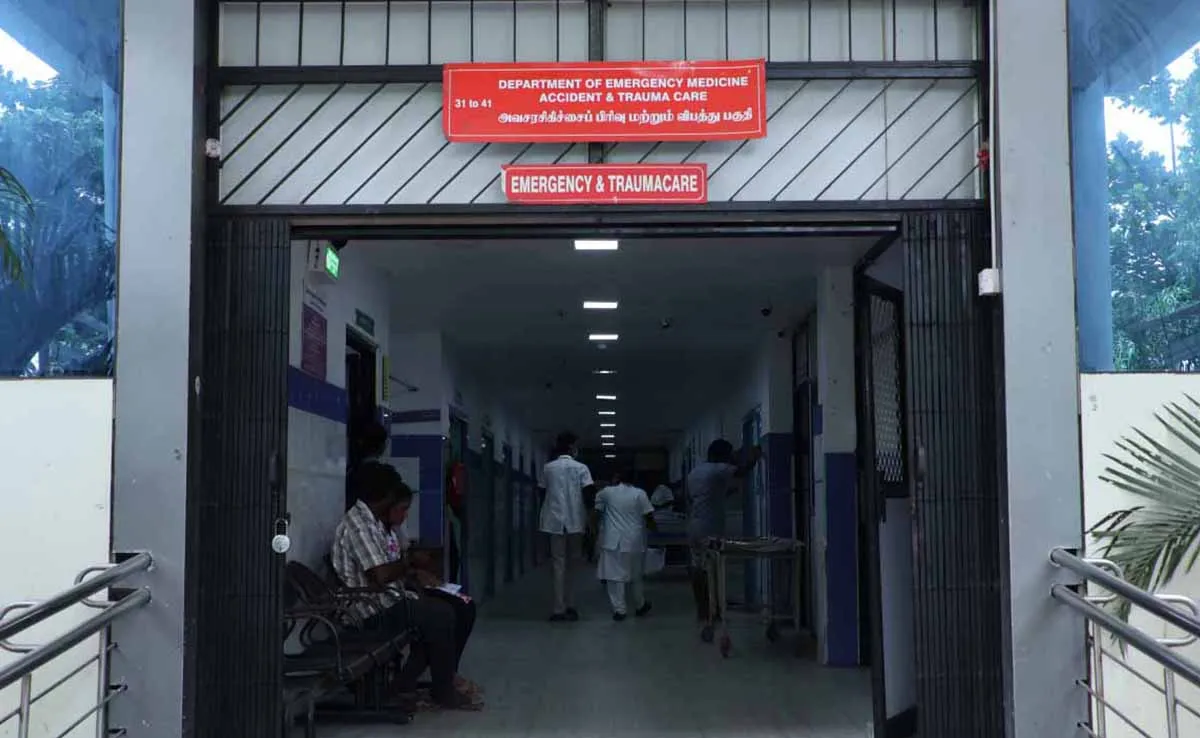
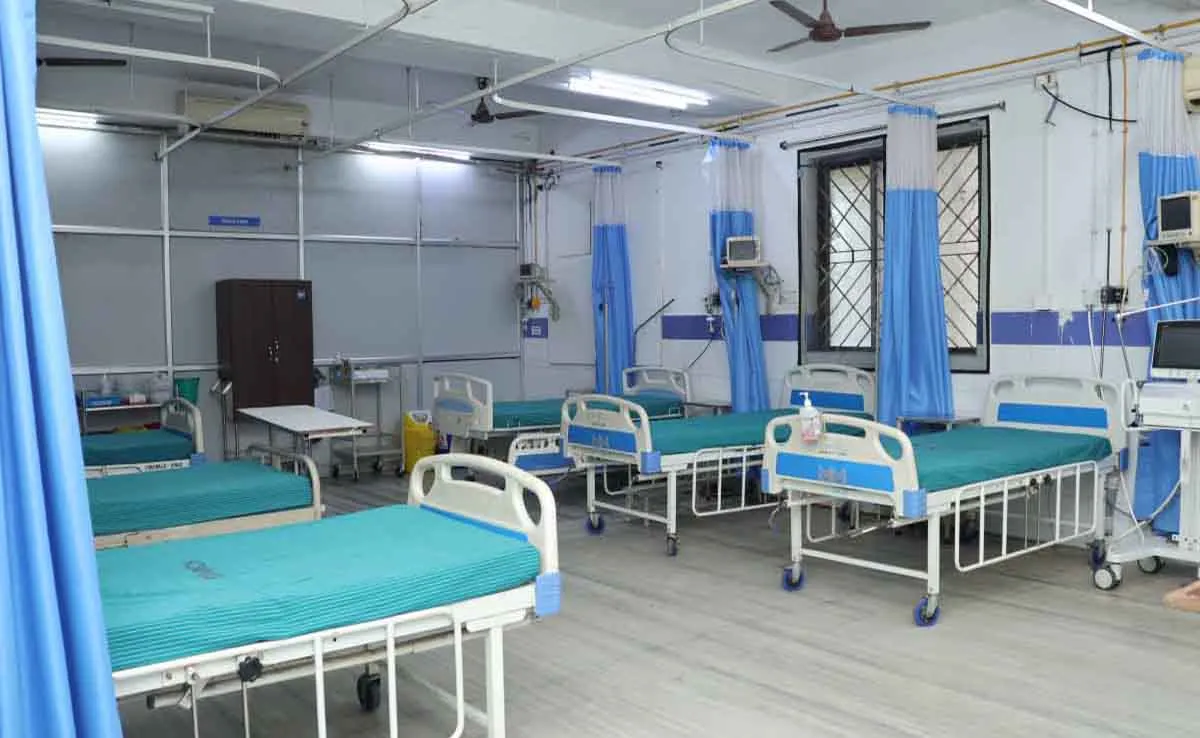
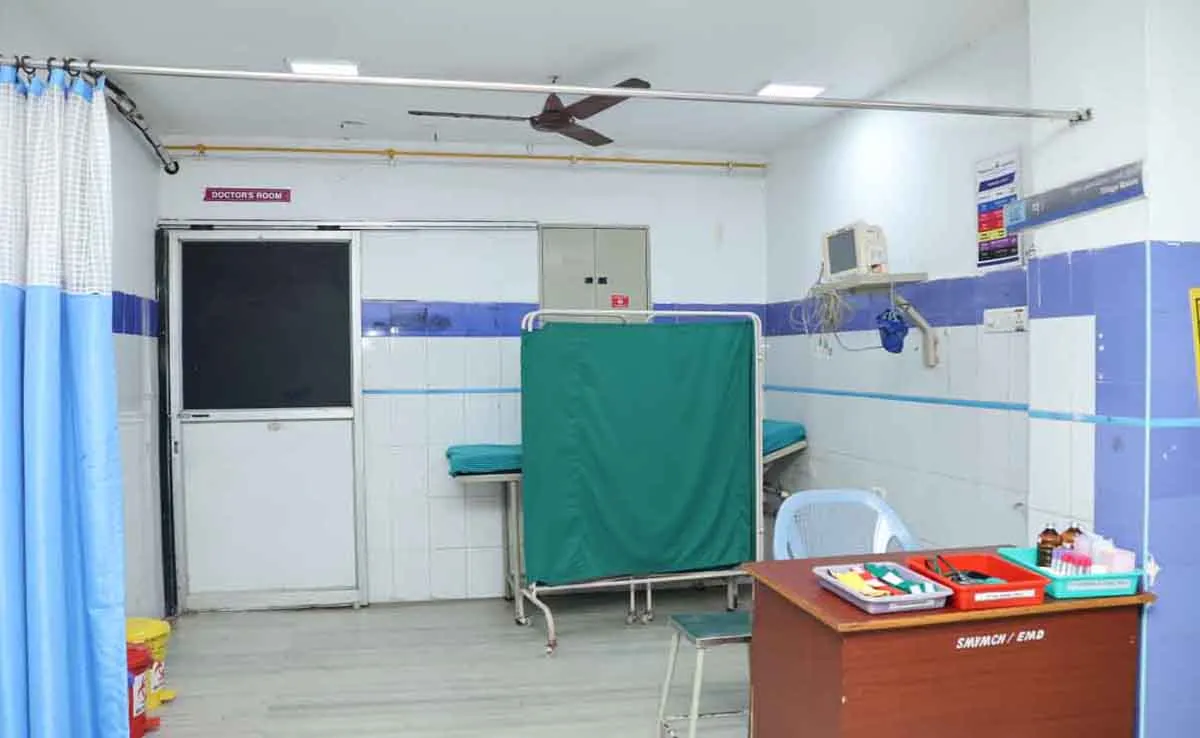
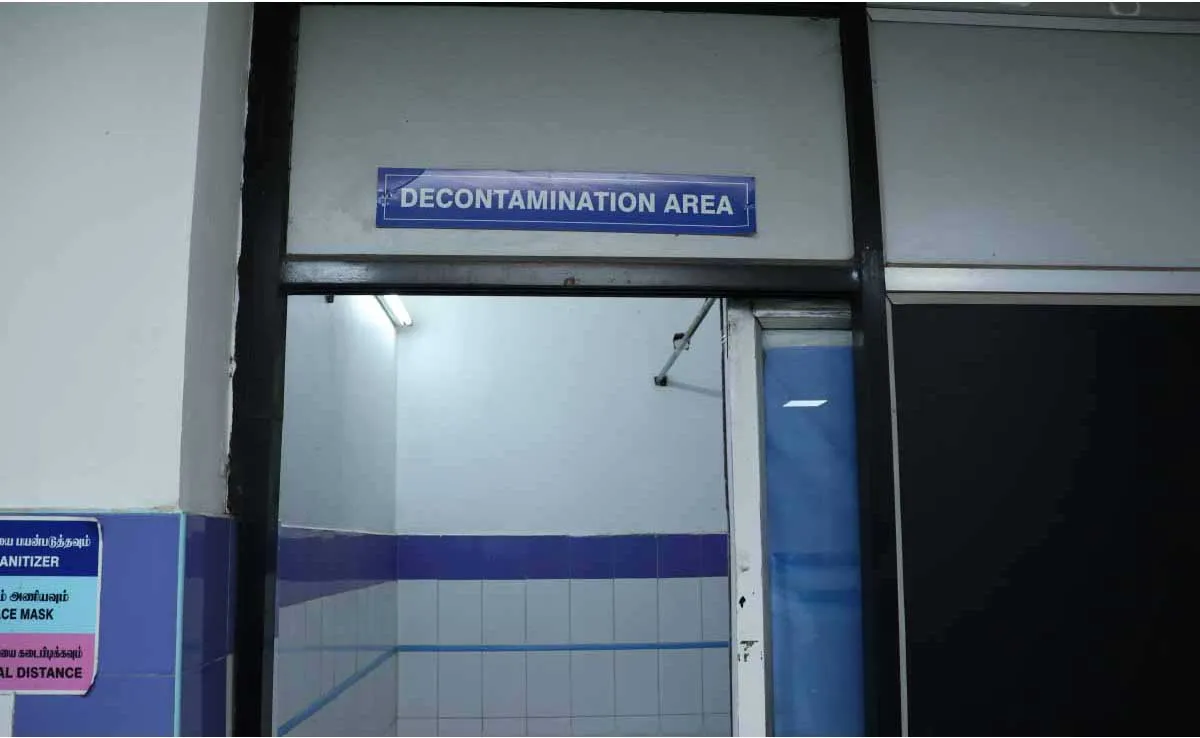
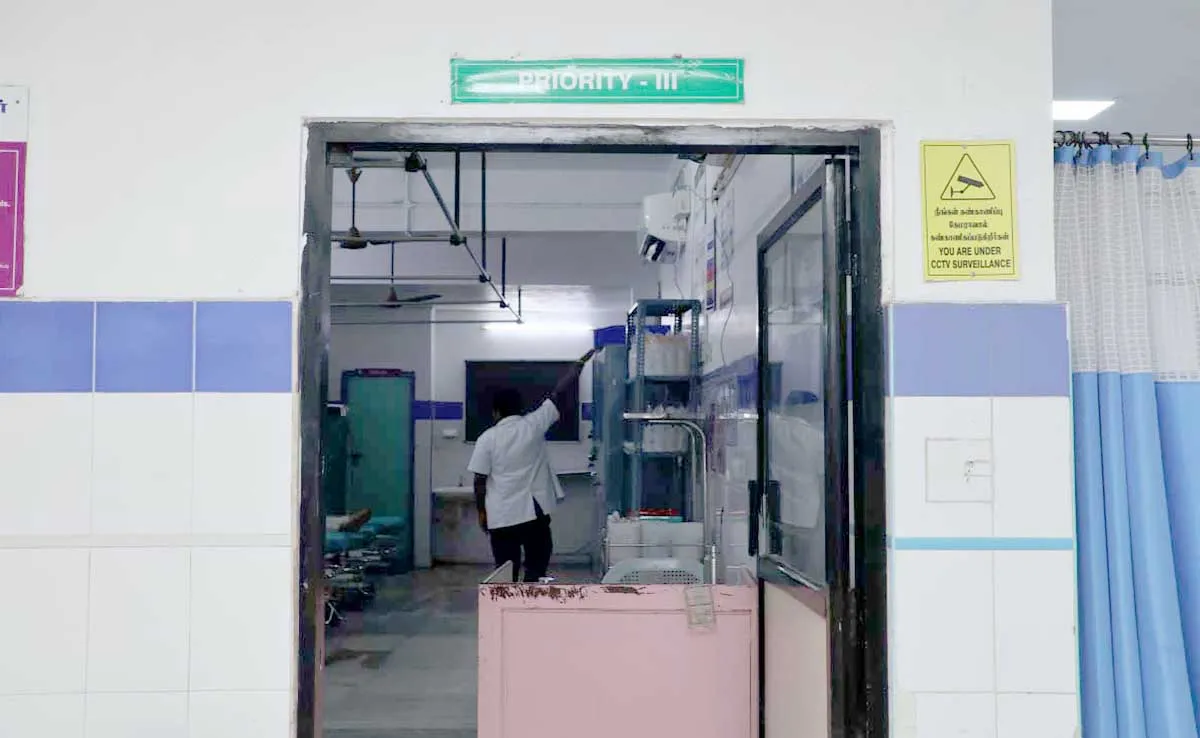
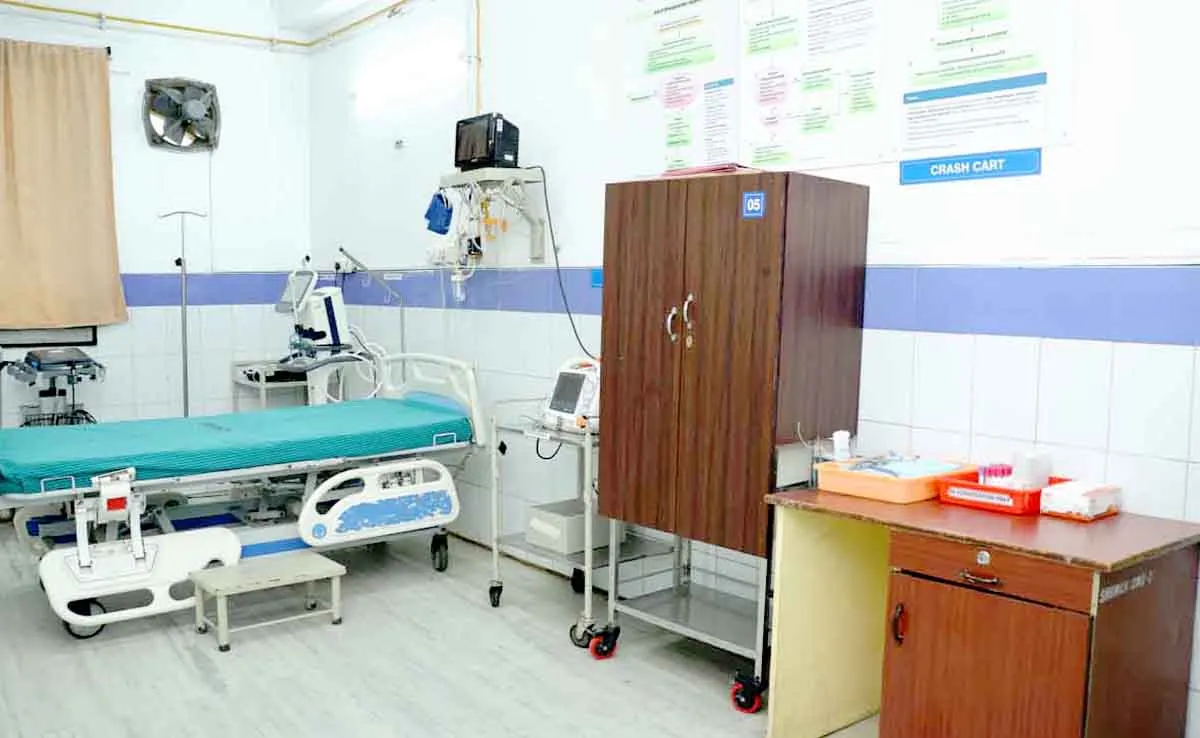
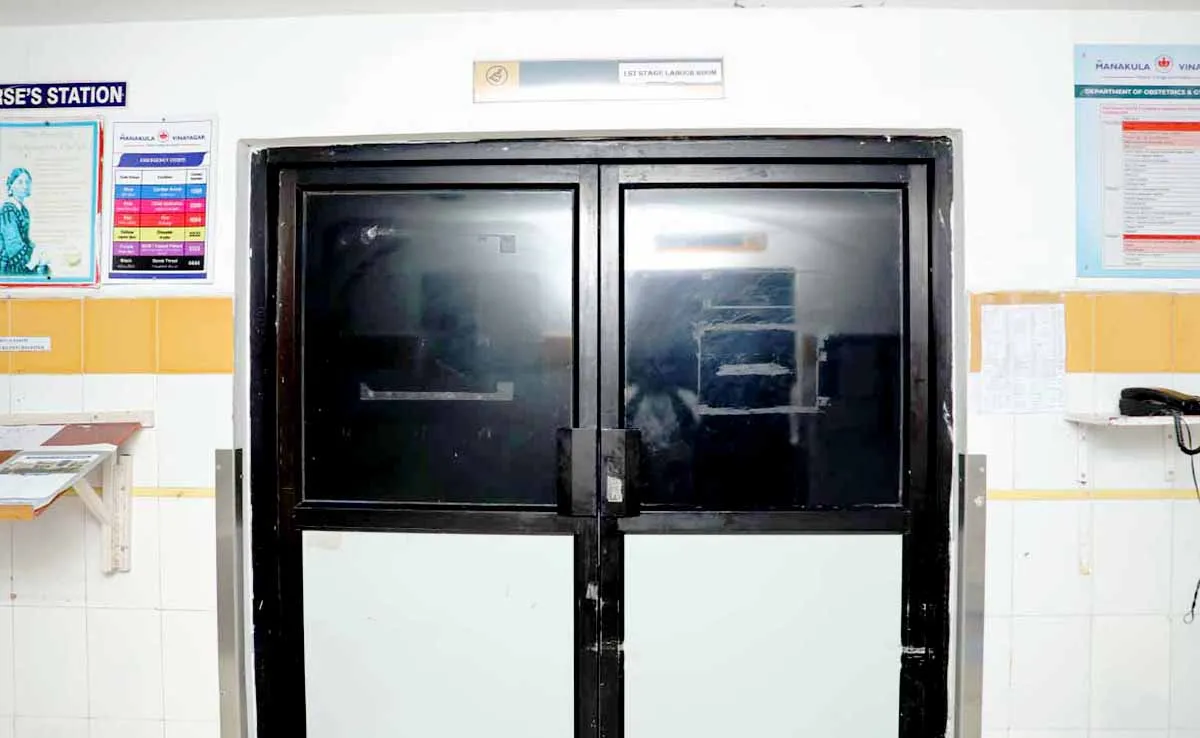
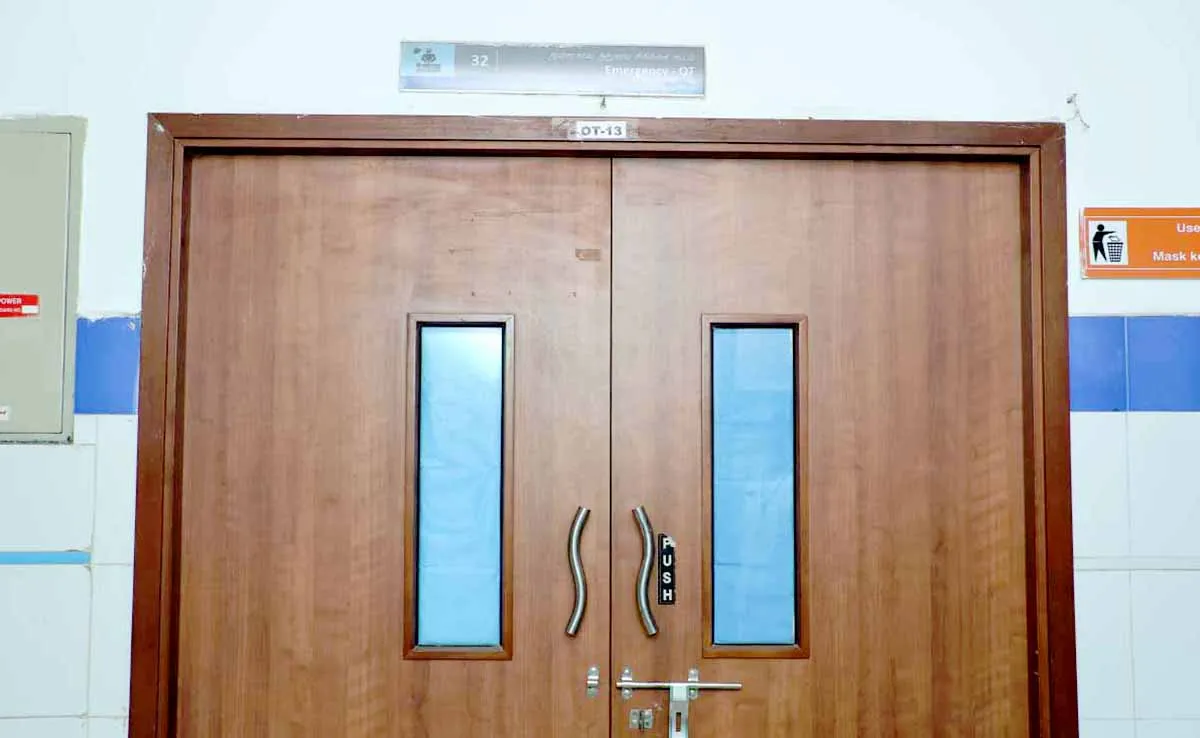
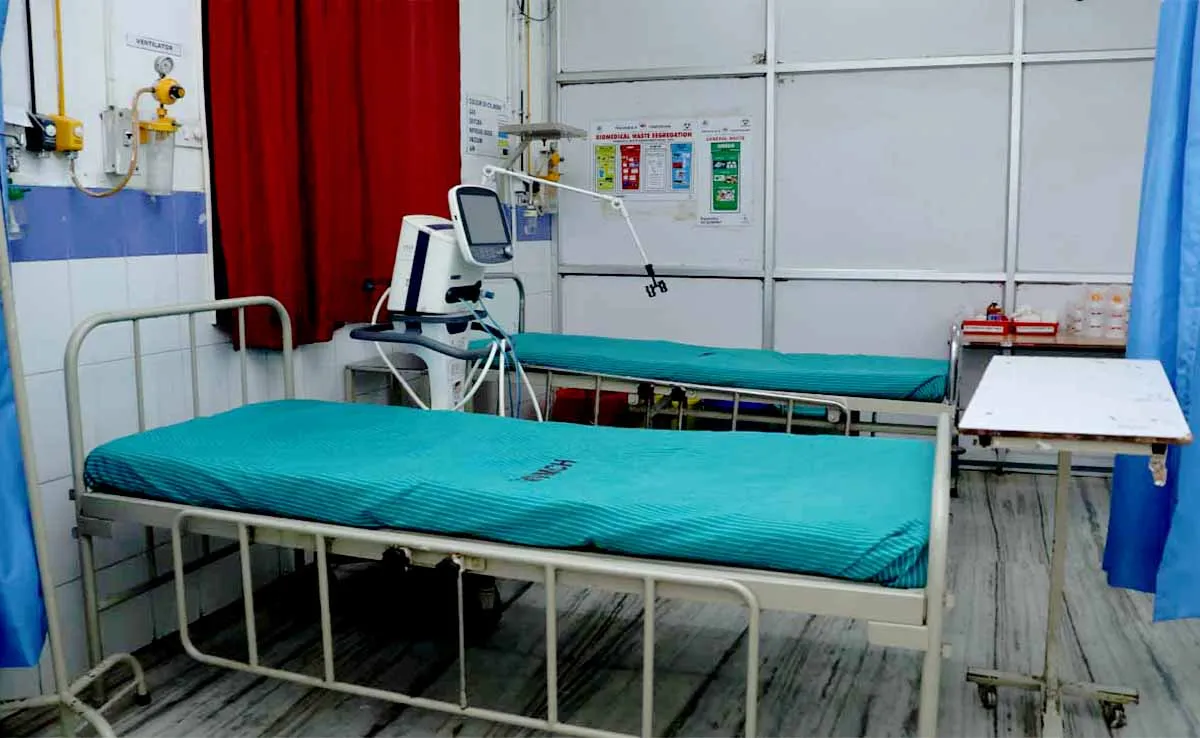
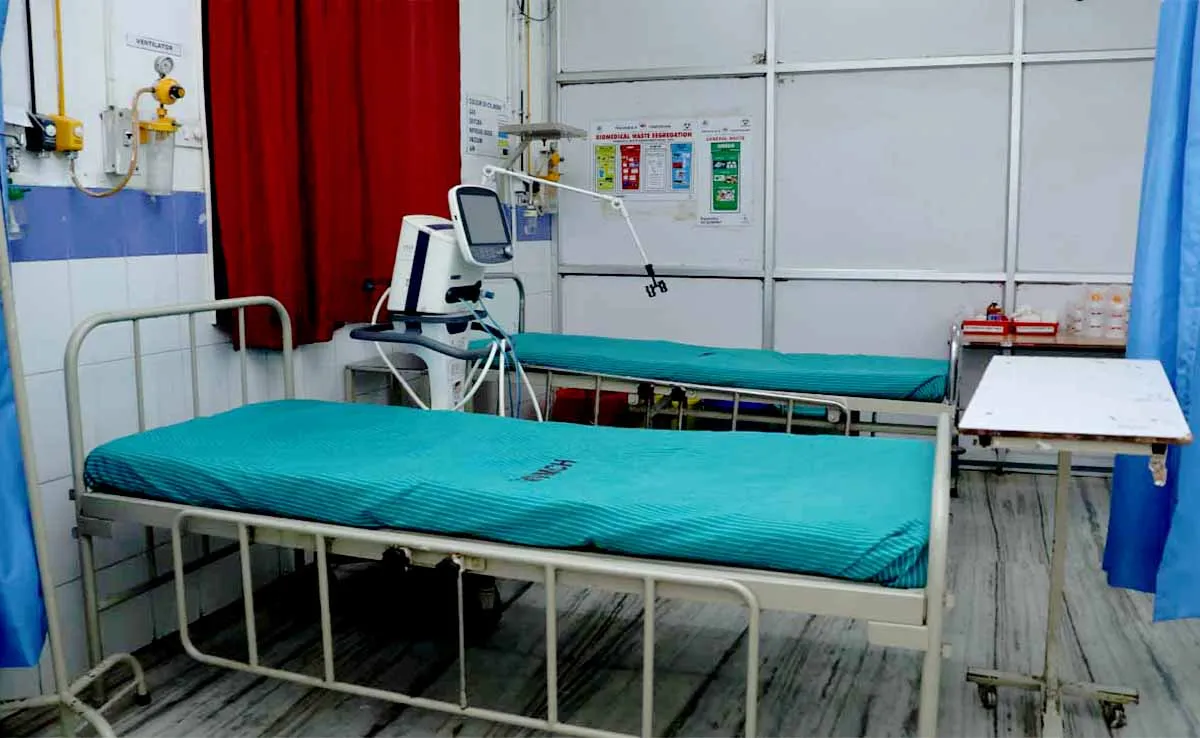
The Emergency Department is designed with a 40-bed capacity, including a dedicated 6-bed Emergency ICU/HDU, ensuring optimal care for critically ill patients. The clinical layout follows a zonal approach with triage-based segregation into red, yellow, and green zones, enabling prioritization and streamlined patient flow.
Key functional areas include:
- 24×7 Emergency care
- Resuscitation bay for critically ill patients
- Dedicated procedure and minor OT facilities
- Decontamination and dressing rooms
- Plaster and trauma care area
- Emergency Operation Theatre with recovery support
- All patient care areas are supported by central oxygen and suction systems, adequate spacing, and well-ventilated infrastructure.
Advanced Equipment & Technology
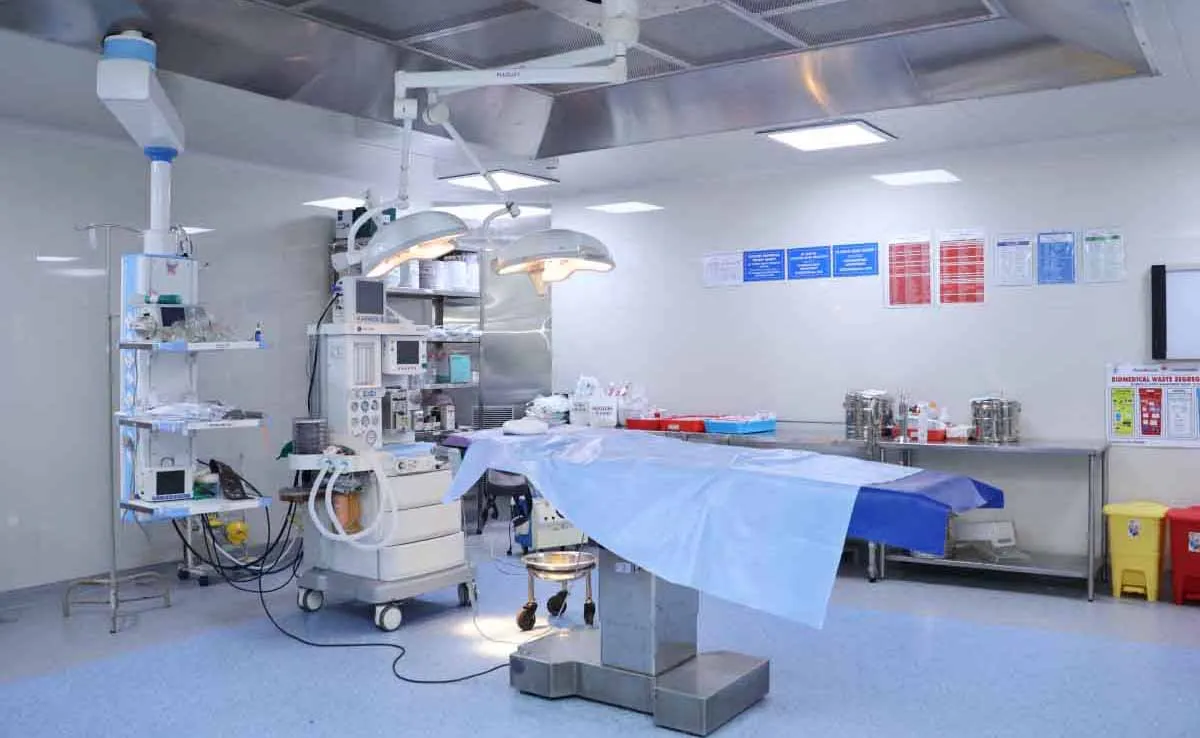
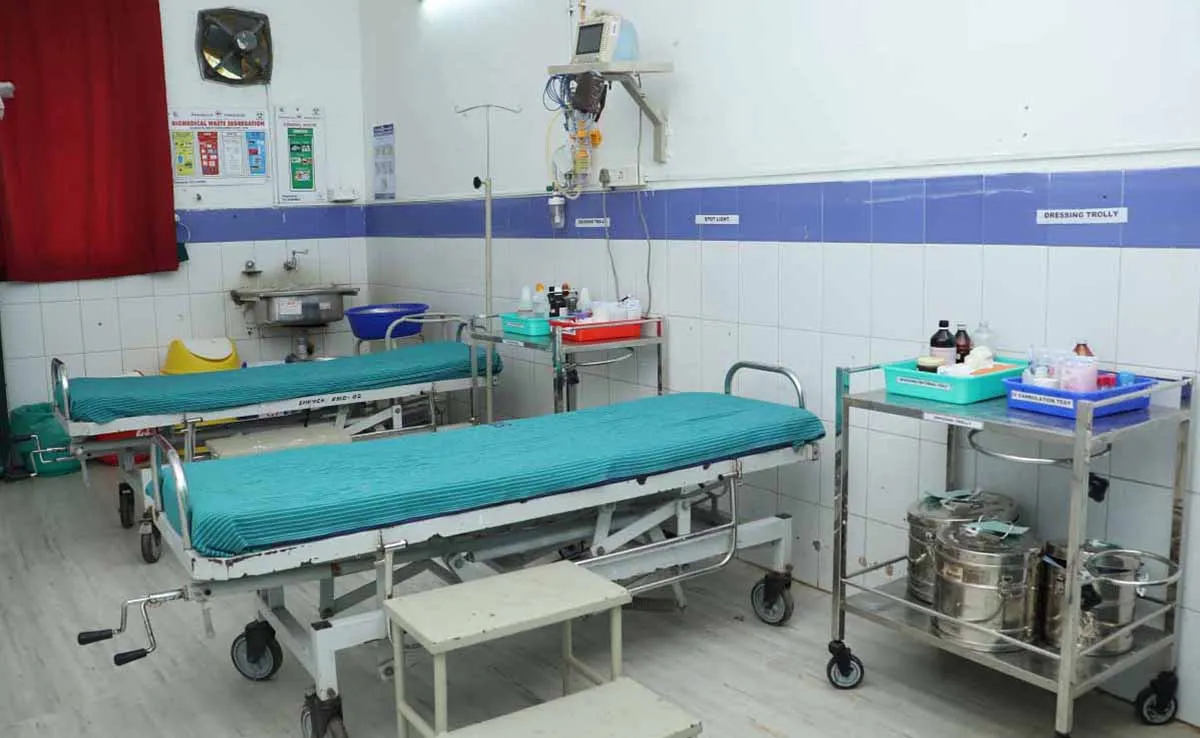
The department is equipped with state-of-the-art emergency and critical care equipment, including:
- Advanced ventilators and transport ventilators
- Multiparameter monitors across all beds
- Defibrillators with pacing capability
- Point-of-care ultrasound (POCUS) with multi-probe capability
- Portable X-ray and bedside imaging facilities
- ABG analyzer and point-of-care laboratory services
- Bronchoscopy and airway management equipment
- Spine boards, cervical collar, Splints, Pelvic binder.
- Minor OT instruments (Suturing, Wound Care, Foreign body removal)
- Pediatric Resuscitation kits with neonatal warmer
- Comprehensive resuscitation systems, infusion pumps, airway devices, and emergency procedure kits are readily available to manage all life-threatening conditions.
Equipment:
| Name of the Equipment |
| Ventilators |
| Defibrillators |
| Fully equipped disaster trolleys |
| Multipara monitors |
| Dedicated portable x-ray machine: |
| Ultrasonography with color Doppler and curvilinear probe, Linear probe, and Phased array probe(cardiac) |
| ABG machine |
| ECG |
| Rigid & Flexible Bronchoscope |
Clinical Services and Protocols
- Advanced Cardiac Life Support (ACLS) and Basic Life Support (BLS)
- Trauma care in accordance with established trauma protocols
- Acute stroke management with rapid imaging and intervention pathway
- Acute coronary syndrome management including early diagnosis and treatment
- Poisoning and toxicology emergencies
- Surgical and medical emergency stabilization
- Obstetric and pediatric emergencies
- The Emergency Department is supported by round-the-clock access to imaging, laboratory services, and specialty consultations, ensuring seamless multidisciplinary care.
Ambulance & Support Services
- Well-equipped BLS and ACLS ambulances for patient transport
- Structured triage system for rapid patient assessment
- Dedicated medico-legal services with standardized documentation
Academic & Research Excellence
The department actively contributes to academic growth and research, supported by:
- A well-equipped department library
- Access to national and international journals
- Ongoing clinical research and publications in reputed journals
Commitment to Quality Care
With a strong emphasis on patient safety, rapid response, and evidence-based protocols, the Department of Emergency Medicine is committed to delivering high-quality emergency care and improving patient outcomes.
Academics
Undergraduate (MBBS)
First MBBS Foundation Course
The Department actively contributes to the Foundation Course by delivering sessions on:
- First Aid and Basic Life Support
- Recognition of Common Medical Emergencies
- Initial Stabilization and Safe Transfer Principles
Undergraduate training
Includes clinical classes based on the syllabus prescribed by the NMC. The didactic clinical classes are scheduled weekly on 7th Semester.
The clinical postings are as scheduled as follows
| 7th Semester | 2 weeks |
Integration
Electives
Goals
Objectives
- Recognize and assess critically ill patients
- Demonstrate basic resuscitation skills
- Understand airway management principles
- Interpret basic ECG and ABG findings
- Assist in trauma and emergency care
- Understand patient flow and emergency department functioning
Teaching Learning Methods
- Case-based discussions (PBLD)
- Simulation-based training (e.g., polytrauma, airway)
- Skills training (BLS, airway, POCUS basics)
- Group activities (team dynamics, first aid kit preparation)
- Role play (communication, handling aggressive attendants)
- Mini-projects and e-posters
- Reflective learning and logbook documentation
CRMI (Internship)
Training
- Case-based discussions (PBLD)
- Simulation-based training (e.g., polytrauma, airway)
- Skills training (BLS, airway, POCUS basics)
- Group activities (team dynamics, first aid kit preparation)
- Role play (communication, handling aggressive attendants)
- Mini-projects and e-posters
- Reflective learning and logbook documentation
- Primary survey and resuscitation
- Basic airway and circulation management
- Trauma care fundamentals
- Emergency documentation including medico-legal cases
- Safe patient transfer and referral
Assessment
- Continuous assessment during posting
- Skill-based evaluation (procedures, resuscitation)
- Exit OSCE and DOPS
- Logbook completion
- Faculty feedback
Postgraduate (MD Emergency Medicine)
Goals
- Deliver independent, high-quality emergency care
- Lead resuscitation and trauma teams
- Perform life-saving procedures
- Practice evidence-based medicine
- Function as educators, researchers, and administrators
PG Lecture Classes (Curriculum Structure)
Academic Modules
(Modules distributed across 3 years with progressive competency development)
| Module | Topic |
| M1 | Cardiovascular System |
| M2 | Airway, Anaesthesia, Respiratory System |
| M3–M4 | Trauma |
| M5 | Gastrointestinal Emergencies |
| M6 | Neurological Emergencies |
| M7 | Genitourinary |
| M8 | Toxicology |
| M9 | Oncology & Infectious Diseases |
| M10 | Endocrine Emergencies |
| M11 | Ophthalmology & ENT |
| M12 | Obstetrics & Gynecology |
| M13 | Pediatrics |
| M14 | Environmental & Rheumatological |
| M15 | Dermatology & Psychiatry |
| M16 | Dental & Orthopedics |
| M17 | Disaster & Geriatric Medicine |
| M18 | Prehospital Care & Forensic Medicine |
Teaching Program
- 4 – 5 Academic session per week
- Timings: 9:00 AM – 10:30 AM
- Structured academic calendar aligned with curriculum
| Monday | Tuesday | Wednesday | Thursday | Friday | |
| I week | Case presentation | Journal club | Simulation | Seminar | Log book review |
| II week | Case presentation | Evidence based medicine session – Scientific Society | Simulation | Seminar | PBLD |
| III week | Case presentation | Seminar | Radiology meet | Lecture | Panel discussion |
| IV week | Case presentation | Journal club | Mortality review meet | Seminar | Self directed learning |
Formal Teaching Sessions
- Daily bedside/hand-over rounds
- Weekly seminars & case discussions
- Journal clubs (biweekly)
- Evidence-based medicine sessions
- Simulation training (biweekly)
- Radiology meets (monthly)
- Mortality & audit meetings (monthly)
Rotation
| PG year 1 | PG year 2 | PG Year 3 |
| Paediatrics – 4 weeks | District residency posting – 3 months | Radiology – 2 weeks |
| Dermatology – 2 weeks | ICU – 4 weeks | Psychiatry – 2 weeks |
| Forensic medicine – 2 weeks | OBG – 4 weeks | NICU – 2 weeks |
| Medicine – 2 weeks | Orthopaedics – 2 weeks | PICU – 2 weeks |
| Cardiology – 2 weeks | Ophthalmology – 2 weeks | Neurology – 2 weeks |
| Surgery – 4 weeks | ENT- 2weeks | |
| Paediatrics – 4 weeks | ||
| Electives – 4 weeks |
Three - Year Rotational Postings:
- Emergency Department (core training)
- Critical Care
- Pediatrics / Pediatric Emergency
- Obstetrics & Gynecology
- Surgery
- Orthopedics
- Radiology
- Psychiatry
- NICU / PICU
- District Residency
- Electives
Teaching Learning Methods
- Didactic lectures
- Case-based discussions
- Problem-based learning (PBLD)
- Simulation training (ACLS, trauma, airway)
- Flipped classroom sessions
- Panel discussions
- Integrated teaching with specialties
- Self-directed learning (SDL)
- Skill labs and procedural training
- Journal-based recent advances learning
Assessment
Formative Assessment
- Patient-based / laboratory / skill-based learning
- Self-directed learning and teaching
- Departmental & interdepartmental academic activity
- External activities (CMEs, workshops)
- Journal-based / recent advances learning
- Monthly observation (DOPS, WBPA, clinical skills)
- Logbook and portfolio review
- Attendance and professionalism
Summative Assessment
Includes:
- Quarterly clinical exams
- Term-end examinations
- University examination at course completion
Final University Assessment includes:
- Thesis submission and approval
- Theory examination (4 papers)
- Clinical examination & viva voce
Research & Academic Enrichment
- Mandatory thesis and research training
- Participation in conferences (minimum one oral presentation, poster/ paper presentation)
- CME/workshops participation annually
- Certification courses:
- BLS, ACLS
- ATLS
- PALS, NALS, BDLS, ADLS
Summary
- Clinical excellence
- Procedural competency
- Research and academic rigor
- Leadership and teamwork
- Lifelong learning
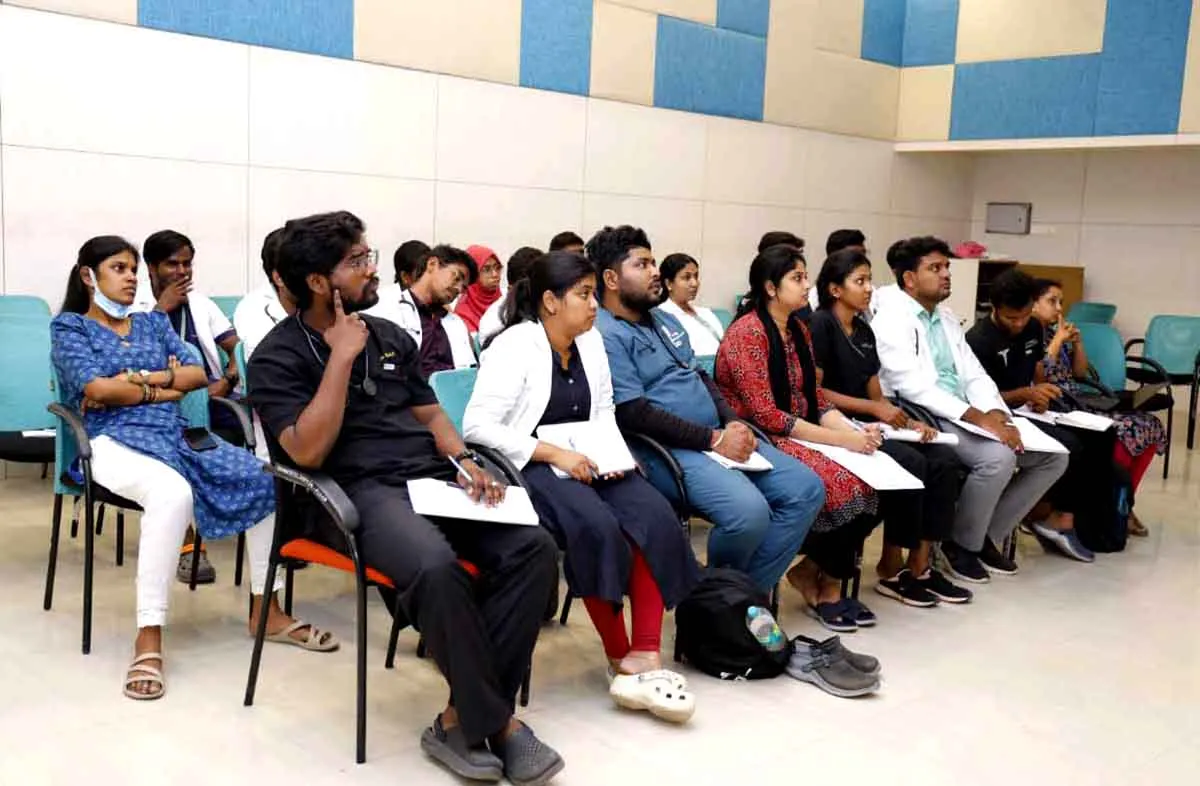
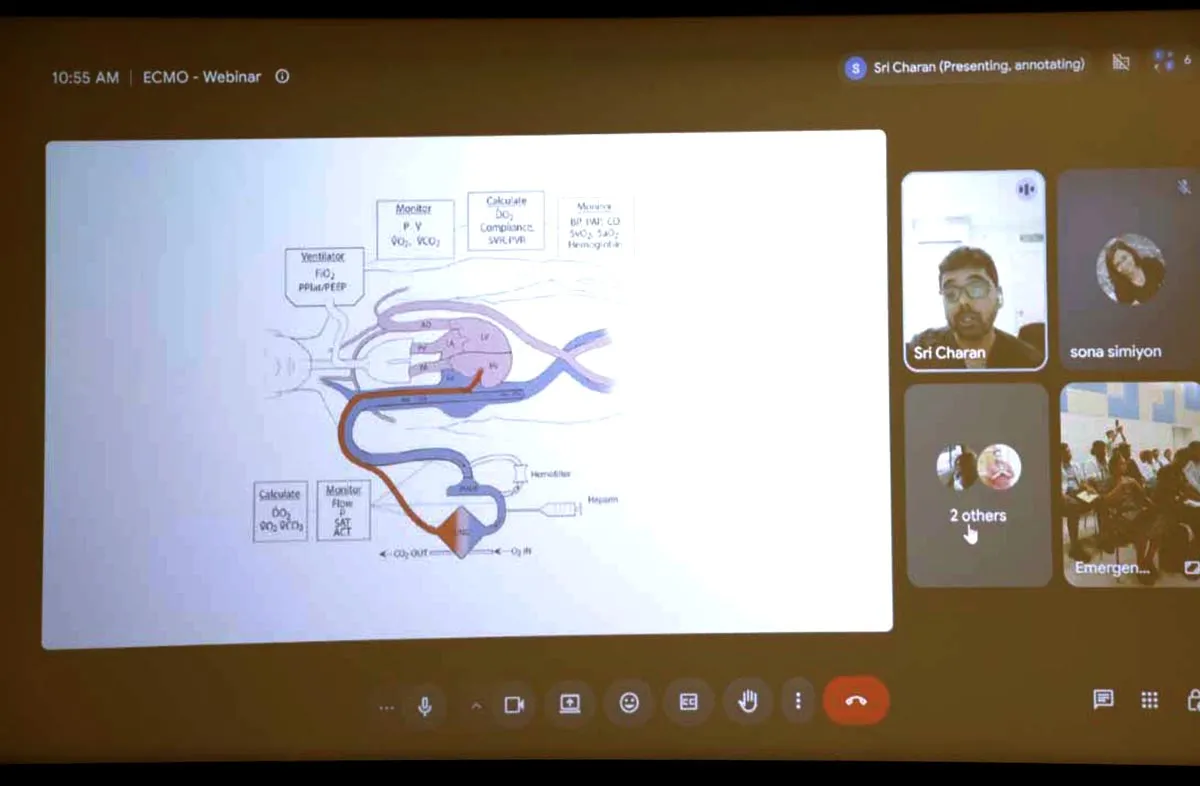
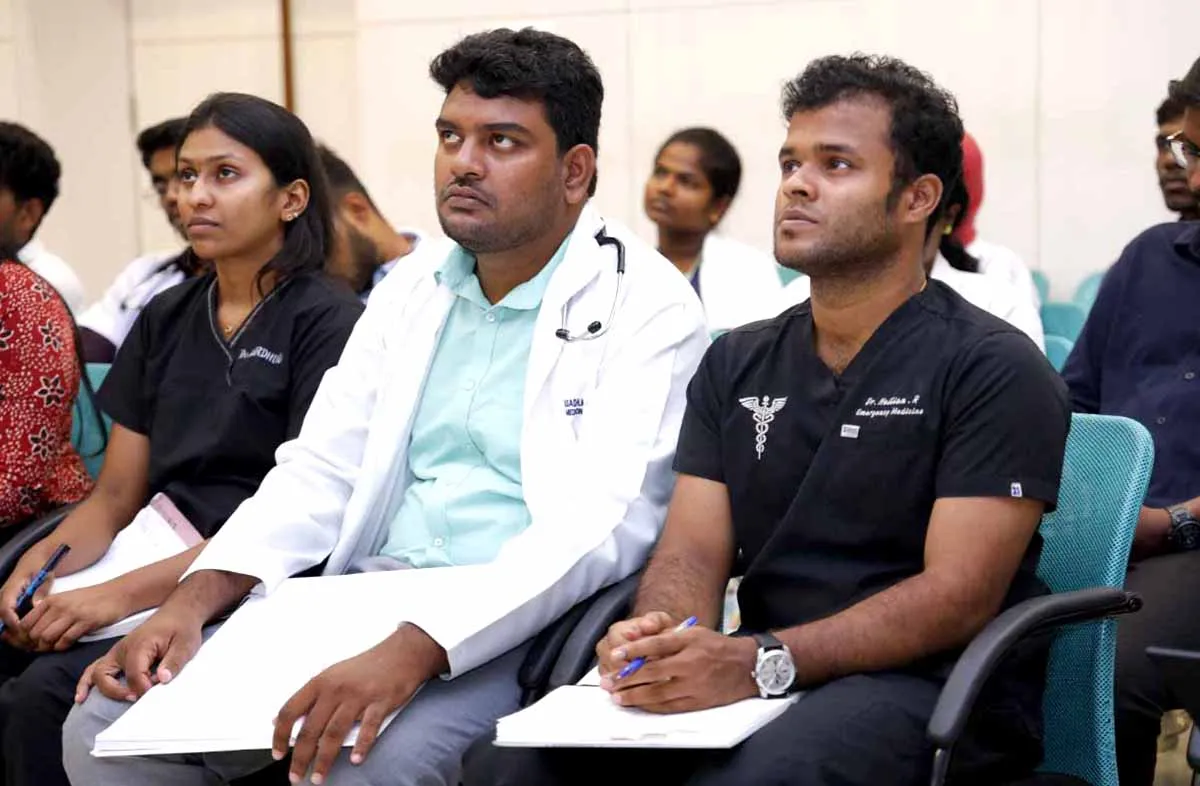
Webinar on Extracorporeal Membrane Oxygenation (ECMO)
Event Name: Webinar ECMO
Organized By : Dept of Emergency Medicine
Venue: IV th Floor Conference Hall
Date: 28-07-2026
Time: 10:00 – 12:00
The webinar witnessed enthusiastic participation from 12 postgraduate residents, 8 MBBS undergraduate students, and 7 faculty members, 8 Paramedics reflecting the department’s continued commitment to advancing knowledge in critical care and emergency medicine.
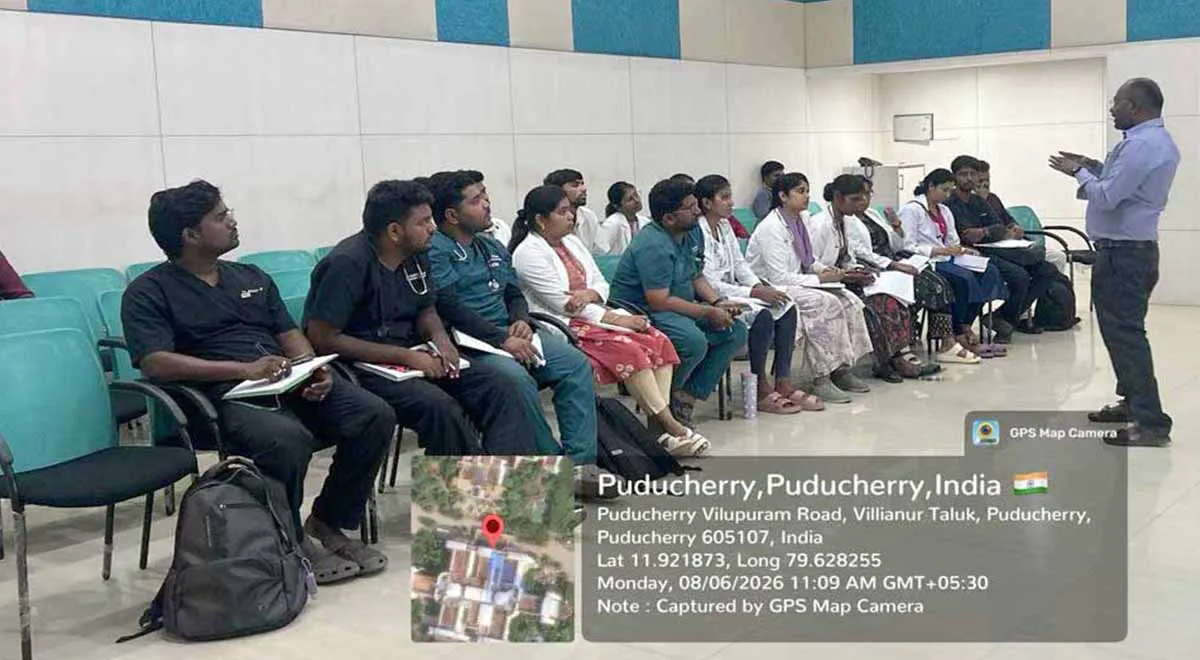
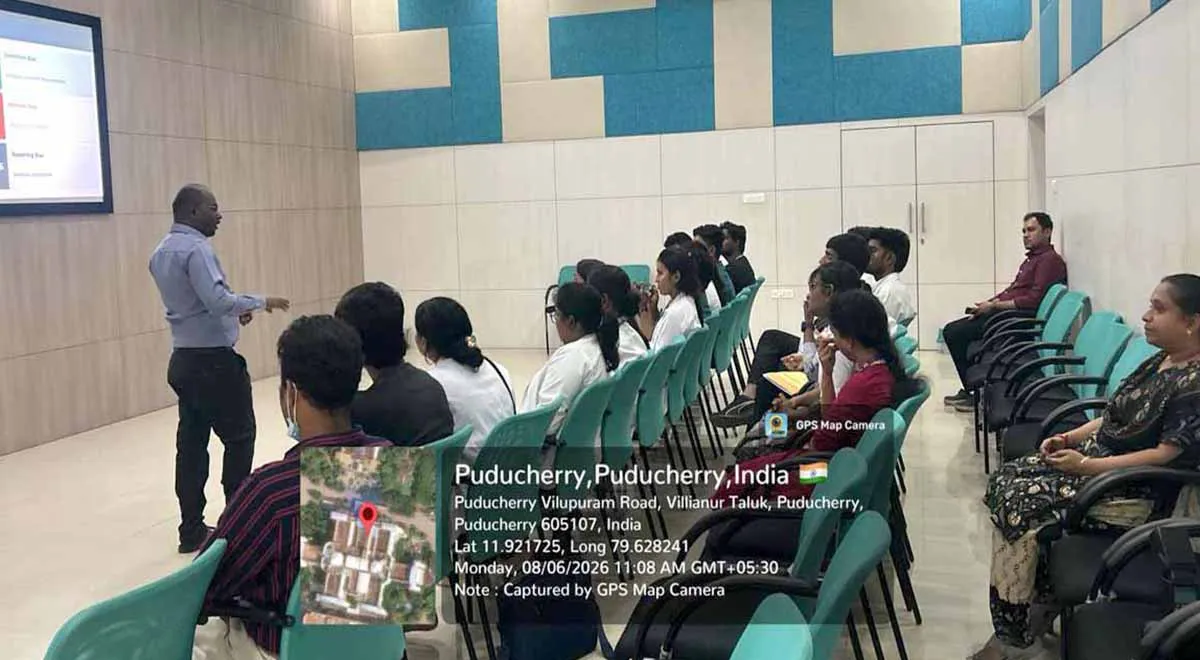
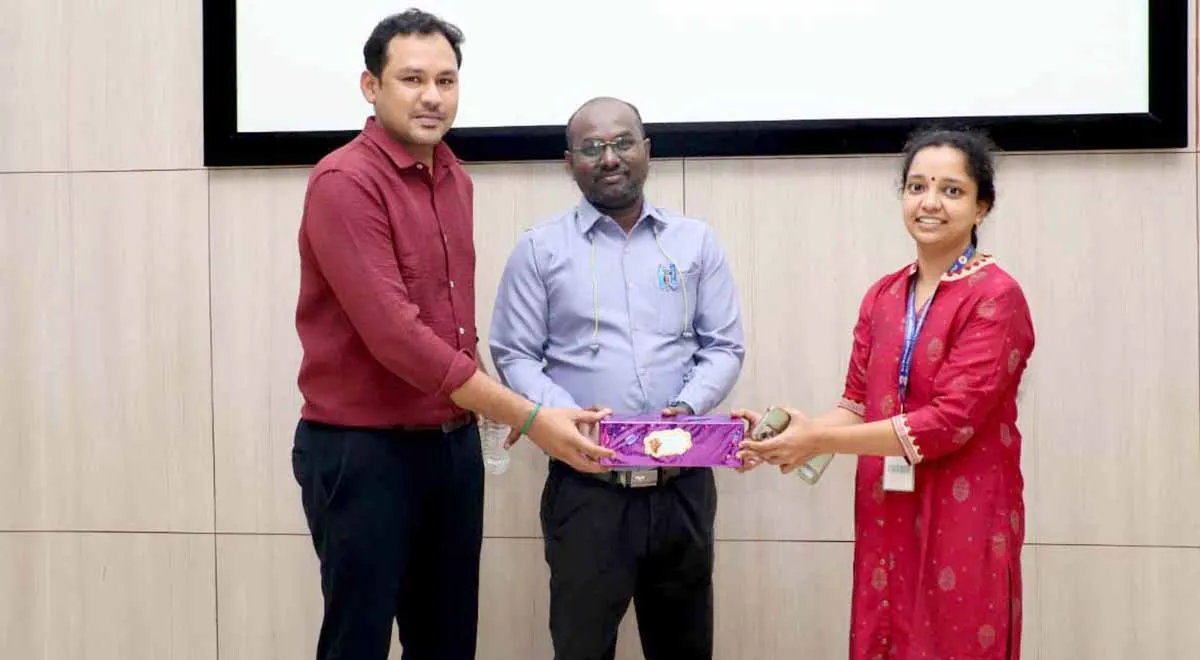
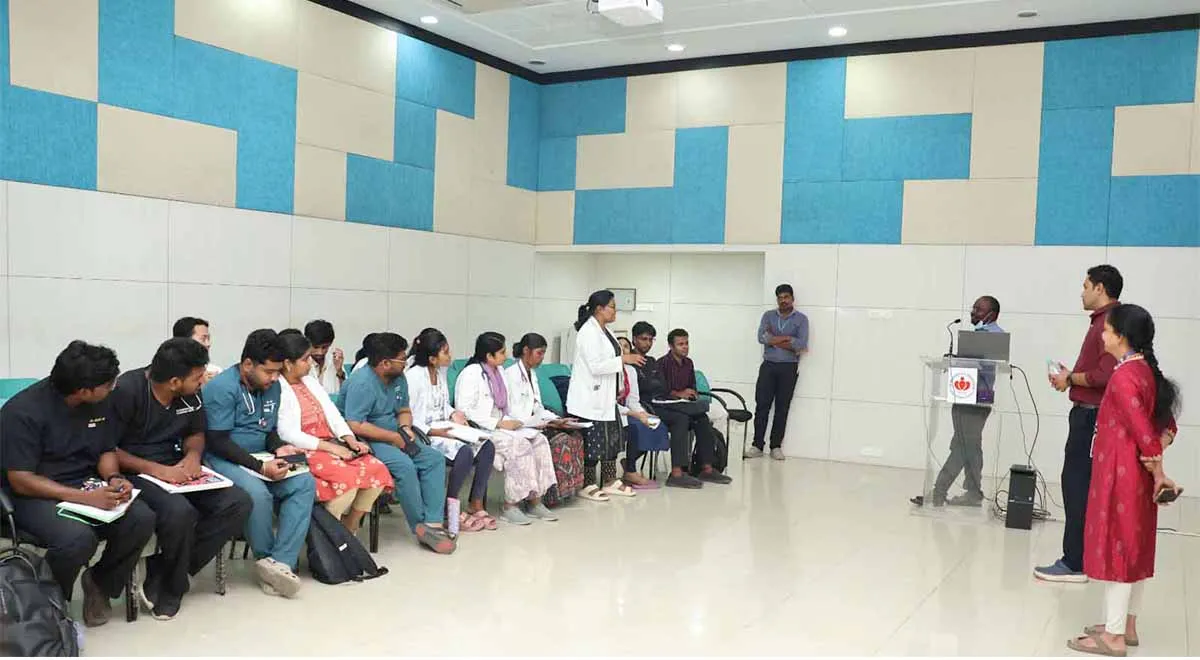
How to critically appraise a Journal
Event Name: How to critically appraise a Journal
Organized By : Dept of Emergency Medicine
Venue : IV th Floor Conference Hall
Date : 08-06-2026
Time: 10:00 A.M
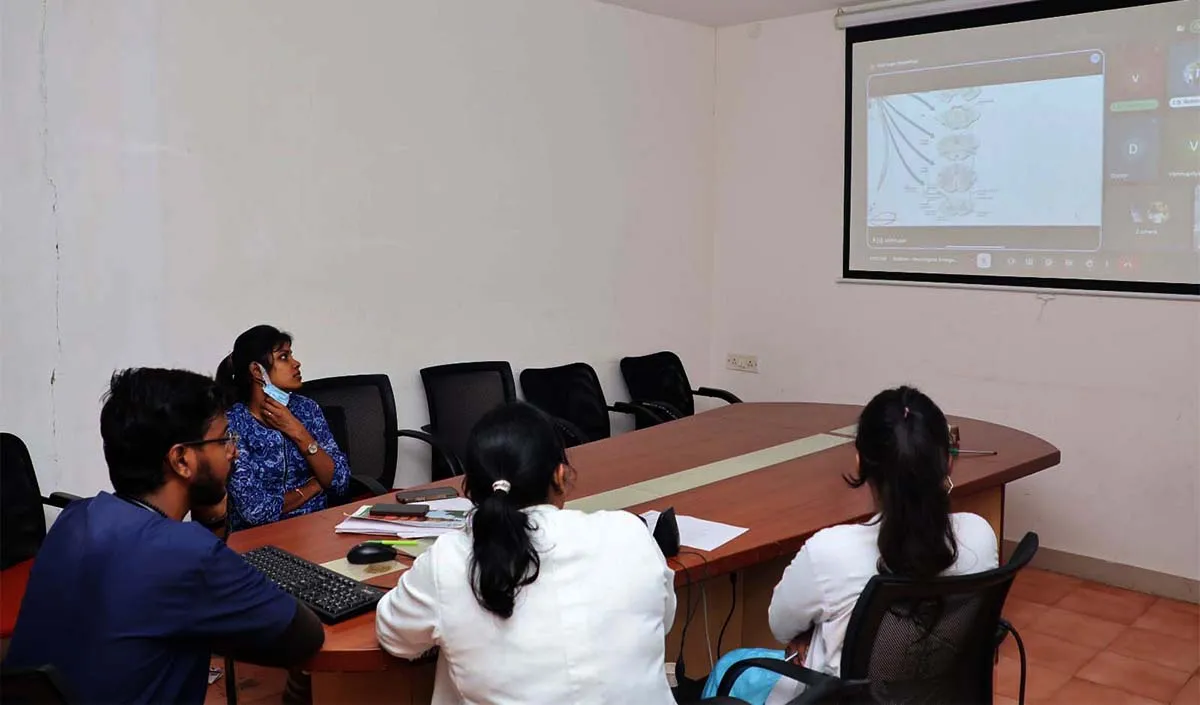
Neurological Emergency
Event Name: Neurological Emergency
Organized By : Department of Emergency Medicine
Venue: IIIrd floor seminar hall
Date: 26-05-2026
Time: 10:00 A.M
Speaker: Dr G.Ezhilkugan, M.D ( Emergency Medicine)
Assistant Professor
AIIMS, Madurai
- Clinically Applied Neuroanatomy
- Approach to Weakness and Hemiplegia
- Stroke, Stroke Mimics, and Posterior Circulation Stroke
- Approach to Paraplegia and Quadriplegia
- Neurological Causes of Ascending and Descending Paralysis and Their Emergency Management.
Summary:
Research
| SI.NO | Scopus/WOS/ PubMed ID/ UGC Care No. | Publication Type | Publication Title | Author-name | Journal-name | Department | Year | Indexing |
| 1 | https://doi.org/10.1016/j.visj.2026.102485 | Case discussion | A rare case of traumatic brain injury with incidental finding of paget’s disease of bone in emergency department | Goutham Deivassigamany , Rajeshwari Kagne , Nithyaraj Ramanathan | Visual Journal of Emergency Medicine | Emergency Medicine | 18.02.2026 | Scopus ,Crossref. |
| 2 | · 10.4103/tjem.tjem_170_25 | Original Article |
Effect of tranexamic acid in the treatment of angiotensin-converting enzyme inhibitor-induced angioedema: A systematic review and meta-analysis |
Couppoussamy,Kanmani Indra1; Mahalingam, Sasikumar2,*; Rajendran, Gunaseelan3; Purushothaman,Suruthi4; Ramkumar Anitha5; Krishnamoorthy, Yuvaraj6; Ganessane, Ezhilkugan3; Kumaran, Aswin7 | Turkish Journal of Emergency Medicine | Emergency Medicine | 2026 | Pubmed, DOAJ SCOPUS |
| 3 | DOI: 10.1001/jamainternmed.2025.7798 | Electrocardiography Unmasking the Cause of Unexplained Coma | Gunaseelan Rajendran1, Sasikumar Mahalingam2, Anitha Ramkumar3 | JAMA Internal Medicine | Emergency Medicine | 02.03.2026 | MEDLINEPubMed, Scopus, Web of Science (Science Citation Index Expanded), EMBASE | |
| 4 | doi:10.1097/SIH.0000000000000892. | Case Report |
A Mixed-Methods Study to Identify the Barriers and Enablers to Psychological Safety of Individuals in Interprofessional Team Simulation Exercises in India |
Gunaseelan Rajendran1, Sasikumar Mahalingam, Anitha Ramkumar, Rajkumar Elanjeran, Soumendra Sahoo, Tatiyana Mandal, Lulu Sherif Mahmood | Simulation health care | Emergency Medicine | 21.10.2025 | SCIE PubMedMEDLINE Scopus, Embase |
| 5 | · 10.1016/j.cjca.2025.09.025 | Case Report |
Resuscitative Hysterotomy and Maternal and Neonatal Mortality in Maternal Cardiac Arrest Patients–A Systematic Review and Meta-analysis. |
Gunaseelan Rajendran1, Sasikumar Mahalingam2, Anitha Ramkumar3, Yuvaraj Krishnamoorthy4, Ezhilkugan,Ganessane5, Kumaresh Pt6, Vijayanthi Vijayan7, Rajkumar Sundararaj8, Rajkumar Elanjaeran3, Rahini Kannan9, Aswin Kumaran1 | Can J Cardiol | Emergency Medicine | 30.09.2025 | PubMed/MEDLINE, Scopus, |
| 6 | https://doi.org/10.5005/jactem-11048-0006 | Original Research | Match-making: A Novel Gamification Model for Simulating Multiple Simultaneous Resuscitation Scenarios in the Emergency Department | Gunaseelan Rajendran1 , Sasikumar Mahalingam2 , Anitha Ramkumar3 , Ezhilkugan Ganessane4 , Gayathri Pandy5 , Rajkumar Elanjaeran6 , Dinker R Pai7 | Journal of Acute Care, Trauma and Emergency Medicine | Emergency Medicine | 26.09.2025 | ScopusDOAJGoogle Scholar |
| 7 | · https://www.njem.org.in/doi/NJEM/pdf/10.5005/njem-11015-0054 | Case Report |
Hyperkalaemia vs Hyperacute T Waves: An Experience |
Vijay Venkatesh1, Nithyaraj Ramanathan2, Rajeshwari Kagne3 | National Journal of Emergency Medicine (SEMI) | Emergency Medicine | 03.09.2025 | Scopus |
| 8 | doi: 10.1007/s11739-025-04089-w. | Case Report |
Predictive accuracy of velocity time integral in predicting in-hospital outcomes in patients with intermediate-risk pulmonary embolism: a systematic review and meta-analysis |
Gunaseelan Rajendran1, Sasikumar Mahalingam2, Anitha Ramkumar3, Ezhilkugan Ganessane4, Yuvaraj Krishnamoorthy5, P T Kumaresh6, Vijayanthi Vijayan7, Rajkumar Elanjaeran3, K Aswin | Intern Emerg Med | Emergency medicine | 25.08.2025 | MEDLINE PubMed, Scopus, Web of Science |
| 9 | · https://doi.org/10.1016/j.jemrpt.2025.100157 | Case Report |
Gastric ultrasound-guided noninvasive ventilation for altered hypertensive cardiogenic pulmonary edema: A case report |
Sasikumar Mahalingam a,* , Gunaseelan Rajendran Kumaresh Pillur Tamilarasu c , Aswin Kumaran d b , Anitha Ramkumar , Surendar Ravipragasam Tharun kumar Ganesan a , Shivakumar Somannavar a b d Vijayalakshmi Padmanaban Vinay Yareshimi a a , Nedurumalli Naga Vaishnavi a , Nirmala Subbamanda Dinesh | JEM Reports | Emergency Medicine | 03.03.2025 | DOAJCrossrefOpenAlexEconBiz (EZB) |
| 10 | · doi: 10.1007/s00408-024-00774-3. PMID: 39751689. | Case Report |
Effectiveness of Inhalational Tranexamic Acid in Patients with Nonmassive Hemoptysis-A Systematic Review and Meta-Analysis |
Sasikumar Mahalingam1, Gunaseelan Rajendran2, Anitha Ramkumar2, Rajkumar Elanjeran3, Yuvaraj Krishnamoorthy4, Vasudha Dinesh5, Elamurugan Thirthar Palanivelu6, Anas Salih3, Sathya Prakasham Ponnaeasu3, Rahini Kannan3 | Lung India | Emergency Medicine | 03.01.2025 | Pubmed central Scopus |