Select Departments
Overview
Vision
To be a center of excellence in General Medicine through innovative, technology-enabled, patient-centered healthcare, competency-based medical education, impactful research, ethical practice, and socially responsible healthcare aligned with NEP 2020 and global sustainable development goals.
Mission
- To deliver competency-based, inclusive, and technology-integrated medical education that fosters clinical excellence, professionalism, critical thinking, and lifelong learning.
- To provide evidence-based, ethical, compassionate, and accessible patient care with emphasis on patient safety, quality improvement, and social accountability.
- To promote a culture of innovative research, interdisciplinary collaboration, and scientific inquiry addressing current and emerging health challenges in General Medicine.
- To strengthen preventive, community-oriented, and outreach healthcare services for improving public health awareness and equitable healthcare delivery.
- To encourage faculty and student development through leadership training, mentorship, innovation, and academic excellence.
- To foster a safe, inclusive, and gender-sensitive academic environment that promotes teamwork, equity, professionalism, and well-being.
- To support environmental sustainability and green healthcare initiatives through energy conservation, responsible healthcare practices, and environmental health education.
- To integrate digital technologies, simulation-based learning, and modern healthcare innovations into teaching, research, and patient care.
- To collaborate nationally and internationally in advancing healthcare, medical education, research excellence, and the achievement of Sustainable Development Goals SDGs).
Program Specific Outcomes
Goal
The broad goal of the teaching of undergraduate students in Medicine is to create an “Indian Medical Graduate” (IMG) possessing requisite knowledge, skills, attitudes, values and responsiveness, so that she or he may function appropriately and effectively as a physician of first contact of the community while being globally relevant.
- The undergraduate medical education program is designed to create a Clinician, who understands and provides preventive, promotive, curative, palliative and holistic care with compassion.
- Be a leader and member of the health care team and system
- Communicator with patients, families, colleagues and community
- Lifelong learner committed to continuous improvement of skills and knowledge
- Professional who is committed to excellence, is ethical, responsive and accountable to patients, community and the profession.
We Strive to bring out the following from each student of this institution.
- Be competent in diagnosis and management of common health problems of the individual and the community, commensurate with his/her position as a member of the health team at the primary, secondary or tertiary levels, using his/her clinical skills based on history, physical examination and relevant investigations.
- Be competent to practice preventive, promotive, curative and rehabilitative medicine in respect to the commonly encountered health problems.
- Appreciate rationale for different therapeutic modalities, be familiar with the administration of the “essential drugs” and their common side effects.
- Be able to appreciate the socio-psychological, cultural, economic and environmental factors affecting health and develop humane attitude towards the patients in discharging one’s professional responsibilities
- Possess the attitude for continued self learning and to seek further expertise or to pursue research in any chosen area of medicine, action research and documentation skills.
- Be familiar with the basic factors which are essential for the implementation of the National Health
- Be able to identify community health problems and learn to work to resolve these by designing, instituting corrective steps and evaluating
Outcome of such measures.
- Be able to work as a leading partner in health care teams and acquire proficiency in communication skills.
- Be competent to work in a variety of health care settings.
- Have personal characteristics and attitudes required for professional life including personal integrity, sense of responsibility and dependability and ability to relate to or show concern for other individuals.
Generic Outcome
Specific outcomes
a.) Knowledge
At the end of each course, the student should be able to:
(1) Diagnose common clinical disorders with special reference to infectious diseases, nutritional disorders, tropical and environmental diseases.
(2) Outline various modes of management including drug therapeutics especially dosage, side effects, toxicity, interactions, indications and contra-indications.
(3) Propose diagnostic and investigative procedures and ability to interpret them.
(4) Provide first level management of acute emergencies promptly and efficiently and decide the timing and level of referral, if required.
(5) Recognize geriatric disorders and their management.
b.) Skills
(1) Develop clinical skills (history taking, clinical examination and other instruments of examination) to diagnose various common medical disorders and emergencies.
(2) Refer a patient to secondary and/or tertiary level of health care after having instituted primary care.
(3) Perform simple routine investigations
(4) Assist the common bedside investigative procedures
Integration
- Demonstrate understanding of the patho-physiologic basis, epidemiological profile, signs and symptoms of disease and their investigation and management.
- Competently interview and examine an adult patient and make a clinical diagnosis
- Appropriately order and interpret laboratory tests
- Initiate appropriate cost-effective treatment based on an understanding of the rational drug prescriptions , medical interventions required and preventive measures.
- Manage common medical emergencies and refer when required.
- To instill professionalism by developing communication, leadership skills with ethical and moral values.
Internship
Specific Objectives
- Diagnose clinical common disease conditions encountered in practice and make timely decision for referral to higher level;
- Use discreetly the essential drugs, infusions, blood or its substitutes and laboratory services.
- Manage all type of emergencies-medical, surgical obstetric, neonatal and paediatric, by rendering first level care;
- Demonstrate skills in monitoring of the National Health Programme and schemes, oriented to provide preventive and promotive health care services to the community
- Develop leadership qualities to function effectively as a leader of the health team organised to deliver the health and family welfare service in existing socio economic, political and cultural environment
- Render services to chronically sick and disabled (both physical and mental) and to communicate effectively with patient and the community.
Program Specific Outcomes (PSOs)-PG
- Practice efficiently internal medicine specialty, backed by scientific knowledge including basic sciences and skills.
- Diagnose and manage majority of conditions in his specialty clinically and with the help of relevant investigations.
- Exercise empathy and a caring attitude and maintain professional integrity, honesty and high ethical standards.
- Plan and deliver comprehensive treatment using the principles of rational drug therapy.
- Plan and advice measures for the prevention and rehabilitation of patients belonging to his specialty.
- Manage emergencies efficiently by providing Basic Life Support (BLS) and Advanced Life Support (ALS) in emergency situations.
- Recognize conditions that may be outside the area of the specialty/ competence and refer them to an appropriate specialist.
- Demonstrate skills in documentation of case details including epidemiological data.
- Play the assigned role in the implementation of National Health Programs.
- Demonstrate competence in basic concepts of research methodology and clinical epidemiology; and preventive aspects of various disease states.
- Be a motivated ‘teacher’ – defined as one keen to share knowledge and skills with a colleague or a junior or any learner.
- Continue to evince keen interest in continuing education irrespective of whether he/she is in a teaching institution or is practicing and use appropriate learning resources.
- Be well versed with his medico-legal responsibilities.
- Undertake audit, use information technology tools and carry out research – both basic and clinical, with the aim of publishing the work and presenting the work at scientific forums.
Faculty List
| S. No. | Faculty Name | Designation |
| 1 | Dr. Girija. S | Dy. Medical Supt. (Medical) |
| 2 | Dr. Manokaran. C | Professor |
| 3 | Dr. Sathiyanarayanan. J | Professor |
| 4 | Dr. Abhishek. C | Associate Professor |
| 5 | Dr. Suman Babu. I.S.S | Associate Professor |
| 6 | Dr. Krishna Haskar Dhanyamraju | Associate Professor |
| 7 | Dr. Madhan Kumar. S | Associate Professor |
| 8 | Dr. Balachandran. M | Associate Professor |
| 9 | Dr. Srinivasa Reddy Dumpa | Associate Professor |
| 10 | Dr. Sunil Kumar | Associate Professor |
| 11 | Dr. Sanjay Moses. V | Associate Professor |
| 12 | Dr. Sadiqa Nasreen | Assistant Professor |
| 13 | Dr. Ram Arvind. V | Assistant Professor |
| 14 | Dr. Kawiraj. N | Assistant Professor |
| 15 | Dr. Rangarajan. D. V | Assistant Professor |
| 16 | Dr. Talekar Swapnil Sambhaji | Assistant Professor |
| 17 | Dr. Chollangi Rahul | Assistant Professor |
| 18 | Dr. Divyashree K | Assistant Professor |
| 19 | Dr. Kavya. K | Assistant Professor |
| 20 | Dr. Akash T Ajith | Senior Resident |
| 21 | Dr. Ramya. A.V | Senior Resident |
| 22 | Dr. Shalini. S | Senior Resident |
| 23 | Dr. Senthil. M | Senior Resident |
| 24 | Dr. Rahul. K | Senior Resident |
| 25 | Dr. Pooja. N. U | Senior Resident |
| 26 | Dr. Vidhya. B | Senior Resident |
| 27 | Dr. Naveen. A | Senior Resident |
| 28 | Dr. Raghavi. P | Senior Resident |
| 29 | Dr. John Helio | Senior Resident |
| 30 | Dr. Prakash. M | Senior Resident |
| 31 | Dr. Harikrishnan. G. R | Senior Resident |
Facilities
Services
- 24×7 Emergency care
- Daily outpatient service
- Well trained medical /Paramedical staff to attend to any emergencies.
- Separate clinics for post PCI patients, heart failure clinic & post-surgical clinic
Equipments:
| Name of the Equipment | Numbers | functional status / comments | Important Specifications in brief | Adequate Yes/No |
| ECG | 5 | functional | 1. Make: BPL, Model: Cardiart 9108 Model:Contec | yes |
| Crash cart | 3 | functional | – | yes |
| Syringe pump | 10 | functional | 1. Make: Medrena, Model: Unifusion SP 50 2. Make: BPL, Model: ACURA SB | yes |
| Defibrillator | 3 | functional | 1. Make: Philips, Model: Efficia DFM100 2. Make: Mediana, D500M-OH | yes |
| Ventilator | 8 | functional | 1. Make: Maquet, Model: Servo S 2. Make: Hamilton, Model: Hamilton C3 | Yes |
| BIPAP | 1 | functional | 1. Make: Resmed, Model: Lumis 150 VPAPSTA | Yes |
| Multipara monitor | 36 | functional | Skanray, philips | Yes |
| Multipara monitor with ETCO2 | 8 | functional | 1. Make: Skanray, Model: Truskan S500 2. Make: Philips, Model: VM8 | Yes |
| Glucometer | 6 | functional | Aucc, check | Yes |
| Infusion pump | 9 | functional | 1. Make: Medrena, Model: Unifusion VP-50 pro 2. Make: Mindray, Model: Benefusion VPI | Yes |
| Laryngoscope | 10 | functional | – | Yes |
| Nebulizer | 4 | functional | 1. Make: Omron, Model: NE-C25 | Yes |
| Ultra sound color Doppler | 2 | functional | 1. Make: Sonosite, Model: M-turbo Edge 11 | Yes |
| x- ray Machine Mobile | 2 | functional | 1. Make: Siemens, Model: Multimobile 2.5 | Yes |
| High flow oxygen | 3 | functional | 1. Make: Vincent Medical, Model: Inspiredo2FLO | Yes |
| Oxygen concentrator | 4 | functional | 1. Make: OXTM, Model: OX-10A | Yes |
| Emergency Airway breathing system | 2 | functional | 1. Make: Wipro 3D, Model: AIRBRIDGE | Yes |
| ICU cot electronic | 15 | functional | Amson | Yes |
| Dialyzer Machine | 2 | functional | 1. Make: Fresenius, Model: 4008S 2. Make: Braun, Model: Dialog | Yes |
| Ambu Bag | 16 | functional | Medisafe | Yes |
| Wall mounted O2 | 48 | functional | – | Yes |
| Cardiac Table | 17 | functional | – | Yes |
| Suction apparatus | 4 | functional | 1. Make: Ishnee, Model: IN-130 | Yes |
| Computerized PFT equipment | 1 | functional | – | yes |
| Bronchoscope | 1 | functional | OLYMPUS | yes |
| TMT | 1 | functional | 1. Make: RMS, Model: MARK2 | yes |
| Holter | 1 | functional | 1. Make: BPL, Model: Track 48 | yes |
Special Clinics
| Name of the Clinic | Weekday/s | Timings | Name of Clinic In- charge |
| 1) Cardiovascular | All Days | 8.30 to 4.00 | Dr.Pooja.N.U |
| 2) Nephrology | All Days | 8.30 to 4.00 | Dr. Ram Arvind.V |
| 3) Endocrine & Diabetes | Monday | 8.30 to 01.00 | Dr. Girija.S/ Dr. A. Naveen |
| 4) Haematology | Tuesday | 8.30 to 01.00 | Dr. J. Sathiyanarayanan/ Dr. K.Rahul |
| 5) Gastroenterology | Friday | 8.30 to 4.00 | Dr. C. Manokaran |
| 6) Neurology | All Days | 8.30 to 4.00 | Dr. Balachandran |
| 7) Rheumatology | Wednesday | 8.30 to 01.00 | Dr. Suman Babu / Dr. Madhan Kumar |
| 8) Any other Geriatrics Thyroid clinic Hypertension Toxicology Unit |
Wednesday Thursday Monday All Days |
8.30 to 01.00 | Dr. Rangarajan / Dr. John Helio Dr. Girija.S Dr. Dr. Kawiraj / Dr. Aakash T. Ajith All Faculty |
This program runs on all working days. Patients are reviewed and personalized consultation is provided by the post graduate students under faculty guidance.
Academics
Undergraduate (MBBS)
Academic activities of UG students are conducted by experienced faculty. Every week 2 theory classes are taken by Professors, for the Phase III- Part-II students. Academic activities are well planned and executed. Experienced teachers are involved in handling the classes. Undergraduate training involves theory classes, bedside clinics, self-directed learning and small group teaching sessions. Every month, theory exams and end of the posting exams are conducted for assessment and feedback given to students on their performance. Competency mapping is done at the end of every exam and remedial measures are taken. Clerkship is offered in the evening for the undergraduate students to individualize and enhance learning experience. Students are also trained in skill lab. Students are also trained in OSCE to stimulate higher order thinking. Educational Podcast are available in the institutional LMS to enhance learning
Theory Classes: CBME- Batch
| Batch | Time |
| Phase-II (2024-29) | Theory 02.30 to 04.30 a.m. |
| Phase-III-Part-I (2023-28) | Theory -9.30 to 10.30 a.m. |
| Small Group Discussion- 2.30 to 4.30pm | |
| Phase-III-Part-II (2022-27 | Theory – 8.30 to 09.30a.m |
| Small Group Discussion –2.30to 4.30pm |
Clinical postings: CBME- Batch
The clinical postings are as scheduled as follows
| Batch | Weeks | Time |
| Phase-II ( 2024batch) | 2 | 10.30a.m to 1.30p.m |
| Phase-II (2024batch | 2 | 10.30a.m to 1.30p.m |
| Phase-III-Part-I ( 2023 batch | 2 | 10.30a.m to 1.30p.m |
| Phase-III-Part-I ( 2023 batch ) | 2 | 10.30a.m to 1.30p.m |
| Phase-III-Part-I ( 2022 batch) | 4 | 10.30a.m to 1.30p.m |
| Phase-III-Part-I ( 2022 batch) | 2 | 10.30a.m to 1.30p.m |
| Phase-III-Part-I ( 2022 batch) | 4 | 10.30a.m to 1.30p.m |
Postgraduates Activities
Teaching Schedule
| Batch | Weeks | Time |
| Phase-II ( 2024batch) | 2 | 10.30a.m to 1.30p.m |
| Phase-II (2024batch | 2 | 10.30a.m to 1.30p.m |
| Phase-III-Part-I ( 2023 batch | 2 | 10.30a.m to 1.30p.m |
| Phase-III-Part-I ( 2023 batch ) | 2 | 10.30a.m to 1.30p.m |
| Phase-III-Part-I ( 2022 batch) | 4 | 10.30a.m to 1.30p.m |
| Phase-III-Part-I ( 2022 batch) | 2 | 10.30a.m to 1.30p.m |
| Phase-III-Part-I ( 2022 batch) | 4 | 10.30a.m to 1.30p.m |
Awards
University Gold Medals – PG
| Name of the Post graduate | Batch | University exam medal |
| Dr. Pinnapu Reddy Varsha | 2020-23 | Gold |
| Dr. Swapna | 2019-2022 | Gold |
| Dr. Louis Ferdin Zeno | 2018-2021 | Gold |
| Dr. Naveen Sathish | 2017-2020 | Gold |
PG Achievement
| Sl.No | Name of the PG | Year | Name of the Award |
| 1 | Dr.J.Padmavathy | 2026 | 1.Rheumatology quiz (Orthopedics) 2026 – SMVMCH – 1st Prize |
| 2 | Dr. Vignesh Ramanan | 2026 | 1.Rheumatology quiz (Orthopedics) 2026 – SMVMCH – 1st Prize |
| 3 | Dr.R. Priyanga | 2026 | HFAI 2026 conference – Oral presentation – 1st Prize |
| 4 | Dr. G. Lakshmi Mounika | 2026 | World COPD day quiz 2026 – SMVMCH – 1st prize |
| 5 | Dr.T. Rajasudhakar | 2025 2026 | 1.Cardioint AGP hospital conference 2025- ECG quiz second prize 2.Neuro-ophthalmology 2025 Aravind eye hospital quiz- Second prize 3.World COPD Day quiz SMVMCH 2026- First prize 4.MIDCON 2026 Madurai meenakshi hospital quiz- Second prize 5.MIDCON 2026 Madurai meenakshi hospital paper presentation- Third prize |
| 6 | Dr. Reddy Rajkumar | 2025 2026 | 1.MIDCON 2026 – Madurai Meenakshi hospital paper presentation – 3rd Prize 2.Enrich 2025 conference Chennai – Poster presentation – 3rd Prize |
| 7 | Dr. V. Devanathan | 2025 | RSSDI National quiz – RSSDI National conference 2025, Kochi – 1st Prize 2.Medicine PG Gold medal exam 2025 – Sri Ramachandra Medical College, Chennai – 3rd Prize 3.World COPD day quiz 2026 – SMVMCH – 1st Prize |
| 8 | Dr.T. Ranjithkumar | 2025 | 1.RSSDI National quiz – RSSDI annual conference 2025, Kochi – 1st Prize 2.Rheumatology quiz 2025 – JIPMER – 3rd Prize 3.Oncology quiz 2025 – SMVMCH – 1st Prize |
| 9 | Dr.Sridevi | 2025 | 1.LifeRxCon 2025 Dindigul – Paper presentation – 2nd Prize |
| 10 | Dr.P.Hemraj | 2025 | 1.Rheumatology quiz 2025 – JIPMER – 3rd Prize |
| 11 | Dr. I.Harishma | 2024 2025 | 1.Tropical diseases day quiz 2024 – SMVMCH – 3rd Prize 2.LifeRxCon 2025 Dindigul API conference – Poster – 3rd Prize |
| 12 | Dr.Om Prakash | 2024 2025 | 1.Infectiosummit PIMS 2024 – Poster presentation – 1st Prize 2.MIDTAPICON January 2024 – Poster presentation – 3rd Prize |
| 13 | Dr. G. Lakshmi Mounika | 2024 | 1.Rheumatology quiz 2024 – JIPMER – 2nd Prize |
| 14 | Dr.Deepsheeka | 2024 | 3rd Prize- World Cancer day celebration- quiz – SMVMCH |
| 15 | Dr. Atul Vaisakh Kochan Vijayan | 2024 | 1.Mediclinics Poster presentation 2024 – Sri Ramachandra Medical College – 1st Prize |
| 16 | Dr.Bheemireddy Lahari | 2024 | 3rd Prize- Poster- Association of physician of India TN state chapter 3rd SZ SMZAPICON 2023 & 6TH MIDTOPICON 2024 |
| 17 | Dr. Pooja.N.U | 09.09.2023 | 2nd Runner- Dr. S.D. Deodhar All India Intercollegiate Postgraduate Rheumatology Quiz Indian Rheumatology Association (IRA) |
| 18 | Dr. Rahul.K | 09.09.2023 | 2nd Runner- Dr. S.D. Deodhar All India Intercollegiate Postgraduate Rheumatology Quiz Indian Rheumatology Association (IRA) |
| 19 | Dr. Harikrishnan | 2023 | 2nd Prize- Poster Presentation 2nd International health & Research convention |
Research
Department of General Medicine 2022 - 26 Publications details
2026
| SI.NO. | Scopus/WOS/ PubMed ID/UGC Care No. | Publication Type | Publication Title | Author-name | Journal-name | Department | Year | Indexing |
| 1 | https://journals.lww.com/htin 10.4103/heartindia.heartindia_87_25 |
Original Article | Correlation of serum NT‑proBNP levels with metabolic and cardiovascular parameters in adults with metabolic syndrome: A hospital‑based cross‑sectional study |
Banala Srilatha, Madhan Kumar Subbarayan1, A. K. Badrinath1, Sridevi Perumal1 Department of General Medicine, Asram |
Heart India / Volume XX / Issue XX / Month 2025 | General Medicne | 09-Jan-2026. | International Scopus |
| 2 | https://www.tandfonline.com/doi/full/10.1080/00207454.2026.2654040 |
Original Article | Platelet-to-lymphocyte ratio as an inflammatory marker associated with stroke severity in acute ischemic stroke: a prospective observational study | Sathiyanarayanan Janakiraman1, Kawiraj N2, C. Pravin Coumar | International Journal of Neuroscience | General Medicne | 6.04.2026 | International / Embase / scopus/ pubmed |
| 3 | https://peerreview.sagepub.com/. | Original Article | Clinical significance of AVR uptake in inferior and anterior wall MI | , Dr. C. Manokaran, GORRELA LAKSHMI MOUNIKA | Indian Journal of Clinical Cardiology | General Medicne | 01.05.2026 |
| SI.NO. | Scopus/WOS/ PubMed ID/UGC Care No. | Publication Type | Publication Title | Author-name | Journal-name | Department | Year | Indexing |
| 1 | Original Article | Metabolic syndrome associated with psoriasis vulgaris in adults: A hospital-based study | Konda Chandrasekhar,1 Girija Subramanian,2 Virali Gulla,3 Kaliaperumal Karthikeyan4 | Journal of Clinical and Scientific Research | General Medicine | 17-Mar-25 | National DOAJ,EBSCO,Google Scholar. | |
| 2 | PUBMED-National Library of Medicine ID-101739732 | Original Article | Application of Prognostic Nutritional Index in predicting the prognosis of Acute Ischemic Stroke patients | *Shobana Thirugnanam1, Manokaran Chinnusamy2, Ram Aravind S3 | (IJMSCR) | General Medicine | March-April 2025 | International |
| 3 | Original Article | A Study on Risk Factor Prevalence and Clinical Profile among Ischemic and Haemorrhagic Stroke Patients | Dr Uthaya Sankar M.K1, Dr Ezhil Kumaar M2*, Dr Adrin Suthir A3, Dr Nivethini.N4 | JMSCR | General Medicine | 05-May-25 | International Google Scholar. | |
| 4 | DOI: 10.4103/heartindia.heartindia_27_25 https://journals.lww.com/htin |
Original Article | Clinical correlation of serum N‑terminal pro‑brain natriuretic peptide levels in hypertensive patients with left ventricular hypertrophy |
J. Karthik, Madhan Kumar Subbarayan, A. K. Badrinath, R. Naveen Kumar Department of General Medicine, Sri Manakula |
Heart India / Volume XX / Issue XX / Month 2025 | General Medicne | 25-Jul-2025. | International / Scopus |
| 5 | http://journals.lww.com/JFMPC DOI: 10.4103/jfmpc.jfmpc_46_25 |
Original Article | Drug utilization pattern and cost analysis of antidiabetic drugs among type 2 diabetic patients at a teaching hospital in South India: A prospective observational study | Sekar Kavitha1, Anandabaskar Nishanthi1, Vivekraj Navabalan1, Shanthi Manickam1, Anuranjani Dhamodharan1, Girija Subramanian2 1Department of Pharmacology, Sri Manakula Vinayagar Medical College and Hospital, Puducherry, India, 2Department |
Journal of Family Medicine and Primary Care | General Medicne | 21-07-2025 | International Pubmed /Scopus |
| 6 | DOI: 10.1177/09733698251394450 | Review | Neurological Manifestations in Mixed Connective Tissue Disease: A Systematic Review and Narrative Synthesis |
Ram Arvind Viswanathan1 , Rangarajan Devanathan1, Roshna Elayidath2 and Balkees Nowrin Jakir Hussain3 |
Indian Journal of Rheumatology | General Medicne | 2025 | National / Scopus |
| 7 | DOI: 10.47009/jamp.2025.7.4.149 | Original Research Article | Association of red cell distribution width-to-platelet ratio (RPR) and mortality in sepsis patients and comparing its predictability with apache iv scoring system | Sathiyanarayanan Janakiraman1, Kawiraj N2, Akila T3 | International Journal of Academic Medicine and Pharmacy (www.academicmed.org) | General Medicne | 01-08-2025 | International / Embase / scopus/ pubmed |
| 8 | https://doi.org/10.1016/j.ijmmb.2025.100978 | Original Article | Reducing central line-associated bloodstream infection rates through education and bundle care: An interventional study in a dialysis unit |
Venugopal Angamuthu Vignesh Kumar a,* , Girija Subramanian b , Ravikumar Paninjukunnath |
Indian Journal of Medical Microbiology | General Medicne | 19.09.2025 | International Pubmed /Scopus |
| 9 | DOI: 10.7759/cureus.100330 | Open Access Original Article | Enhanced Detection of Type 2 Diabetes Mellitus in an At-Risk Prediabetic Population Using One- Hour Oral Glucose Tolerance Test (OGTT): A Comparison With HbA1C and Two-Hour OGTT |
Senthilvelan Thenmozhi , Subramanian Girija | Cureus 17(12): e100330 | General Medicne | 29.12.2025 | International Pubmed /Scopus |
2024
| SI.NO. | Scopus/WOS/ PubMed ID/UGC Care No. | Publication Type | Publication Title | Author-name | Journal-name | Department | Year | Indexing |
| 1 | Original Article | Platelet indices and plasma gelsolin in patients presenting with acute stroke | Kailash J,1 Reenaa Mohan,2 R. Sindhuri,3 Prem Kumar,1 A. K. Badrinath1 | Journal of Clinical and Scientific Research | General medicine | Apr-24 | National | |
| 2 | PUBMED-National Library of Medicine ID-101739732 |
Original Article | A Study of Electrocardiographic Predictors of Sudden Cardiac Death in Proven Chronic Obstructive Pulmonary Disease Patients | Dr. Badrinath1, Dr. Ragavi2 | (IJMSCR) | General Medicine | July-August 2024 | International |
| 3 | National Library of Medicine ID-101739732 | Original Article | Prevalence Of Left Bundle Branch Block And Its Association With Comorbid Conditions | Dr. Dinesh Varma A1, Dr. Manokaran C 2 | (IJMSCR) | General Medicine | July-August 2024 | International |
| 4 | Original Article | A Study on relationship between Red Cell Distribution Width and High-Density Lipoprotein-Cholesterol in patients with Acute coronary syndrome in a tertiary care hospital | Dr Uthaya Sankar M. K1, Dr Adrin Suthir A2*, Dr Nivethini.N3 | JMSCR | General Medicine | Aug-24 | International/ Google Scholar. | |
| 5 | Original Article | A Study on Clinical and Immunological pattern of Systemic Lupus Erythematosus patients in a Tertiary care Hospital – A Retrospective Study | Dr Uthaya Sankar M. K1, Dr Nivethini.N2*, Dr Rangarajan D.V3 | JMSCR | General Medicine | Aug-24 | Internationa/ Google Scholar. | |
| 6 | Original Article | A Rare Case of Pyogenic and Tuberculous Co-Infection | Dr Vidhya.B1*, Prof. Dr. Uthaya Sankar.M.K2, Dr A. Adrin Suthir3 | JMSCR | General Medicine | 08-Aug-24 | International Google Scholar. | |
| 7 | Original Article | Serum Magnesium level with SOFA score in predicting the Prognosis among Acute Coronary Syndrome patients and its associated complications in tertiary care centre | Dr Uthaya Sankar M. K1, Dr Vidhya B2*, Dr Adrin Suthir A3 | JMSCR | General Medicine | 08-Aug-24 | International Google Scholar. | |
| 8 | PUBMED-National Library of Medicine ID-101739732 |
Original Article | A Retrospective Study Of Analysis Of Mortality And Apache Ii Score Of Patients Admitted In ICU | Dr. Abhinav Nune Komal 1, Dr. Manokaran C 2 | (IJMSCR) | General Medicine | September-October 2024 | International / PUBMED |
| SI.NO. | Scopus/WOS/ PubMed ID/UGC Care No. | Publication Type | Publication Title | Author-name | Journal-name | Department | Year | Indexing |
| 1 | ISSN (e)-2347-176x ISSN (p) 2455-0450 | Original Article | Study of Electrocardiographic predictors of impending heart failure in proven Obstructive Sleep Apnea patients |
Dr Aravind Kumar.V, Dr A.K. Badrinath, Dr Premkumar.G | Jouranal of Medical Science and clinical research | General medicine | 01-Jan-23 | CROSSREF/ International |
| 2 | ISSN (e)-2347-176x ISSN (p) 2455-0450 | Original Article | Assessment of psychological insulin resistance in patients on insulin therapy | Kawiraj.N1, Viswanathan.K. N2, Prem Kumar.G3, Vivekraj.N4 | Jouranal of Medical Science and clinical research | General medicine | 02-Feb-23 | CROSSREF/ International |
| 3 | ISSN (e)-2347-176x ISSN (p) 2455-0451 | Original Article | A Study on the Role of Visceral Adiposity Index in Correlation with Glycaemic Status of Diabetic Individuals |
Viswanathan. N1, Varsha Reddy.P2, Prem Kumar.G3 | Jouranal of Medical Science and clinical research | General medicine | 02-Feb-23 | CROSSREF/ International |
| 4 | ISSN 2950-0761 | Original Article | McKittrick–Wheelock Syndrome | Sugan Gandhi Thangaraju, Shanmugasundaram Angusamy, Hanock Unni Samuel, Sridatta Gurudatta Pawar, Venkatraman Ramudu, Balasubramanian Thoppalan |
2023 Indian Journal of Kidney Diseases | | General medicine Nephrology | Mar-23 | olters Kluwer – Medknow /International |
| 5 | ISSN (e)-2347-176x ISSN (p) 2455-0450 | Original Article | A Study to Measure Anti-Beta2 Glycoprotein1 Antibody Levels and to Assess their Association with the type of Acute Coronary Syndrome |
Dr Badrinath.A.K1, Dr Banala Srilatha2*, Dr Sadiqa Nasreen3, Dr Pravin Surendran4 | Jouranal of Medical Science and clinical research | General medicine | May-23 | CROSSREF/ International |
| 6 | ISSN (Print): 2209-2870 ISSN (International Print/Online Journal) (Online): 2209-2862 |
Case report | An Interesting Case Of Diabetic Cranial Mononeuropathy | Dr.Deepsheeka .G1, Dr. Badrinath.A.K2 | International Journal of Medical Science and Current Research (IJMSCR) | General medicine | Jun-23 | CROSSREF/ International |
| 7 | ISSN: 0975-3583, 0976-2833 VOL14, ISSUE12, 2023 | Original Article | Correlation of Ct severity score and laboratory parameters with clinical outcome and complications in Covid 19 patients | Dr I S S Suman Babu1, Dr Mohammad Rafi K2, Dr A V Ramya3* | Journal of Cardiovascular Disease Research | General medicine | Jun 23. | International |
| 8 | ISSN (Print): 2209-2870 ISSN (International Print/Online Journal) (Online): 2209-2862 |
Case report | A Rare Case Of Acute CVA Unveiled | Dr. P. Ragavi1, Dr. A. K . Badrinath2 | International Journal of Medical Science and Current Research (IJMSCR) | General medicine | Jun-23 | CROSSREF/ International |
| 9 | pISSN 2320-6071 | eISSN 2320-6012 | Original Article | Mental health and sleep: in COVID positive health care workers in India | Ramya A. V.1*, S. Arun2, Elsa Sanatombi Devi3, K. Vasant4 | International Journal of Research in Medical Sciences | General medicine | 01-Jul-23 | International |
| 10 | ISSN (Print): 2209-2870 ISSN (International Print/Online Journal) (Online): 2209-2862 |
Original Article | Study of Correlation of Monocyte to HDL ratio with Carotid Artery Intima Media Thickness (CIMT) in Acute Ischemic Stroke patients |
Dr. Aakash T. Ajith1, Dr. Badrinath.A.K2 | International Journal of Medical Science and Current Research (IJMSCR) | General medicine | Dec-23 | CROSSREF/ International |
| 11 | ISSN (e)-2347-176x ISSN (p) 2455-0450 | Case report | A Case Report of Dissecting Stroke | Dr Nivethini.N1*, Dr Uthaya Sankar M. K2, Dr Rangarajan D.V3 | Journal of Medical Science and Clinical Research | General medicine | 01-Dec-23 | National |
| 12 | ISSN 0975-9476 | Original Article | Effectiveness of ayurvedic formulation, NAOQ19 along with standard care in the treatment of mild-moderate COVID-19 patients: A double blind, randomized, placebo-controlled, multicentric trial |
Girija Subramaniant j, | Journal of Ayurveda and Integrative Medicine | General medicine | 2023 | National |
| 13 | ISSN (O): 2687-5365; ISSN (P): 2753-6556 | Original Article | Prevalence of right ventricular and posterior wall infarction among patients with acute inferior wall myocardial infarction | Ramesh Bala Arivazhagan1, Manoharan Chinnusamy2, Sathiyanarayanan Janakiraman3 | International Journal of Academic Medicine and Pharmacy | General medicine | 2023 | International |
| 14 | ISSN (O): 2687-5365; ISSN (P): 2753-6557 | Original Article | Study among patients admitted in icu to determine the proportion of mixed acid-base disorder and the proportion of lactic acidosis | Priscilla Rubavathy1, Manoharan Chinnusamy2, Sathiyanarayanan Janakiraman3 | International Journal of Academic Medicine and Pharmacy | General medicine | 2023 | International |
| SI.NO. | Scopus/WOS/ PubMed ID/UGC Care No. | Publication Type | Publication Title | Author-name | Journal-name | Department | Year | Indexing |
| 1 | https://doi.org/10.52403/ijrr.20220260 | Original Article | Study of Association of Serum Uric Acid Level with Severity of Essential Hypertension |
S. Moorthy1, G. Premkumar2 | International Journal of Research and Review | General Medicine | Feb-22 | International |
| 2 | https://dx.doi.org/10.18535/jmscr/v10i2.19 | Original Article | Study of serum uric acid level in chronic liver disease and its correlation with Child-Turcotte-pugh score and platelet indices |
Dr Manomenane M1, Dr Viswanathan K N2, Dr Badrinath A K3, Dr Karthik J4, Dr Reenaa Mohan5 |
Journal of mediical science and clinical research | General Medicine | 02-Feb-22 | National |
| 3 | https://www.researchgate.net/publication/358561131_A_Pandemic_of_Webinars_in_the_COVID_Era-Can_It_be_the_Way_Forward | Original Article | A Pandemic of Webinars in the COVID Era—Can It be the Way Forward? | Senthilvelan Thenmozhi1 Subramanian Girija1 K. Neelakantan Viswanathan1 Aritakulu Kuppuswamy Badrinath1 |
Journal of Health and Allied Sciences NU | General Medicine | Feb-22 | National |
| 4 | https://dx.doi.org/10.18203/2349-3933.ijam2022???? | Original Article | Prevalence of QTc prolongation among hypertensive patients and its association with other co-morbidities | Sathiyanarayanan Janakiraman, Ramesh Bala Arivazhagan, Manokaran Chinnusamy* | International Journal of Advances in Medicine | General Medicine | 2022 Mar;9 | International |
| 5 | https://dx.doi.org/10.18535/jmscr/v10i3.02 | Original Article | A study of triglyceride glucose index (TyG Index) as a predictor, in macroand microvascular complications of diabetes mellitus |
Dr Araveinth.G1*, Dr Badrinath A K2, Dr Karthik J3 | Journal of mediical science and clinical research | General Medicine | 03-Mar-22 | National |
| 6 | https://doi.org/10.52403/ijrr.20220337 | Case report | A Case of Bilateral Medial Medullary Syndrome | Uthayasankar M.K1, Raja M2, Sumanbabu 17I.S.S3, Sivaram A4 | International Journal of Research and Review | General Medicine | Mar-22 | International |
| 7 | Original Article | Identifying Population at Risk for Diabetes Mellitus through International Diabetes Federation 8Questionnaire – A Simple Yet Valuable Tool. | S Thenmozhi 1, S Girija 1, K N | The Journal of the Association of Physicians of India, | General Medicine | 01 Apr 2022, | National | |
| 8 | https://doi.org/10.18231/j.ijn.2021.058 | Original Article | A study of association of serum ferritin as a prognostic marker in acute cerebrovascular accident |
Mythreini B S1,*, Uthayasankar M.K1, Sumanbabu I.S.S1 | IP Indian Journal of Neurosciences | General Medicine | 01-05-2022 | National |
| 9 | https://doi.org/10.5812/numonthly-121133 | Original Article | Challenges Faced by Dialysis Unit Staff During COVID-19 Times: A Qualitative Study |
P. Ravi Kumar1, * and Amol Dongre2 | Nephro-Urol Mon. | General Medicine | 2022 May-18th | International |
| 10 | https://doi.org/10.1055/s-0042-1749424. | Original Article | Utility of Serum Uric Acid to High-Density Lipoprotein Ratio in Prediction of Glycemic Control |
Manokaran Chinnusamy1 Ram Arvind Vishwanathan1 Sathiyanarayanan Janakiraman1 Roshna Elayidath1 |
Journal of Health and Allied Sciences | General Medicine | 09-06-2022 | National |
| 11 | https://doi.org/10.52403/ijrr.20220946 | Original Article | Correlation of serum uric acid and urine uric acid in patients with type 2 diabetes mellitus and hypertension. International Journal of Research and Review. 2022; 9(9): 398-402. DOI: | Uthaya Sankar M K, Rangarajan D V, Rajagovindan D et.al. | International Journal of Research | General Medicine | 9th September 2022 | International |
| 12 | https://doi.org/10.52403/ijrr.20220934 | Original Article | To Study the Prevalence and Severity of Anemia in Solid Malignancy Patients | Uthaya Sankar M.K.1, Raja M2, Damodaran Kumaran P3 | International Journal of Research | General Medicine | Sep-22 | International |
| 13 | Volume – 11 | Issue – 10 | October – 2022 | PRINT ISSN No. 2277 – 8179 | DOI : 10.36106/ijsr | Original Article | Determinants of significant hepatic fibrosis in type 2 diabetes patients with non-alcoholic fatty liver disease in south India. |
A V Ramya P Thirumal | International Journal of Scientific Research | General Medicine | Oct-22 | International |
| 14 | https://dx.doi.org/10.18535/jmscr/v10i12.02 | Original Article | Assessment of level of awareness of diabetes mellitus and its complications in diabetic patients- A questionnaire-based study in a tertiary care centre |
Prof. Dr Manokaran Chinnusamy (MBBS, MD)1, Dr Swetha Devi Geddam2, Dr Sathiyanarayanan Janakiraman3 |
Journal of mediical science and clinical research | General Medicine | 2022 | International |
| 15 | https://dx.doi.org/10.18535/jmscr/v10i12.13 | Original Article | Charlson comorbidity index as a predictor of inpatient mortality in Intensive care unit patients |
Manokaran.C1, Sravya Nadhella2, Sathiyanarayanan.J3 | Journal of mediical science and clinical research | General Medicine | Dec-22 | International |
| 16 | https://www.heartindia.net/text.asp?2022/10/3/121/363538 | Original Article | Analytical study of angiographic profile of acute coronary syndrome and its risk factors among young individuals (≤45 years) | Thulaseedharan Sarojadevi Ashida1, Senthilvelan Thenmozhi2, Subramanian Girija2, Jayaraman Balachander1 | Heart India | General Medicine | 14-Dec-22 | PubMed/National |
| 17 | Website: https://journals.lww.com/ijkd/pages/default.aspx |
Case report | Infection‑related Glomerulonephritis with Reactive Arthritis in a Patient with COVID‑19 Infection |
T. Sugan Gandhi, Shanmugasundaram Angusamy, Dhanapriya Jeyachandran, Venkatraman Ramudu, Balasubramanian Thoppalan |
2022 Indian Journal of Kidney Diseases | General Medicine | 19-Dec-22 | International |
Events
Skill Training Workshop 2026
Event Name: Skill Training Workshop
Organized By: Dept of General Medicine
Venue: IV th Floor Conference Hall
Date: 04-08-2026
Time: 1:30 P.M – 3:30 PM
Participants: Postgraduates students
Number of Participants
Postgraduate students: 23
Details of the Resource Person
Dr. Abey Sabastin, MD General Medicine, Regional Medical Adviser, Abbott Ltd.
Summery
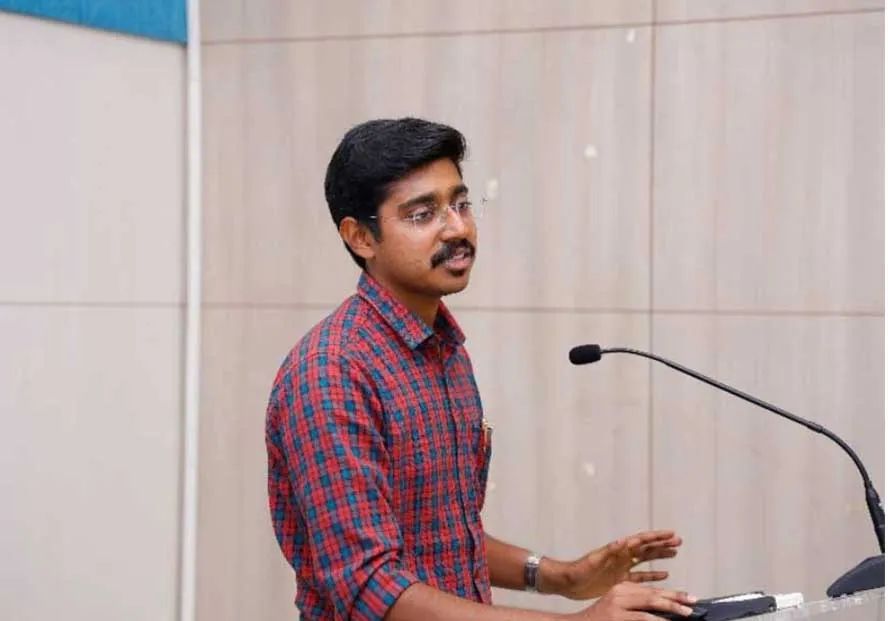
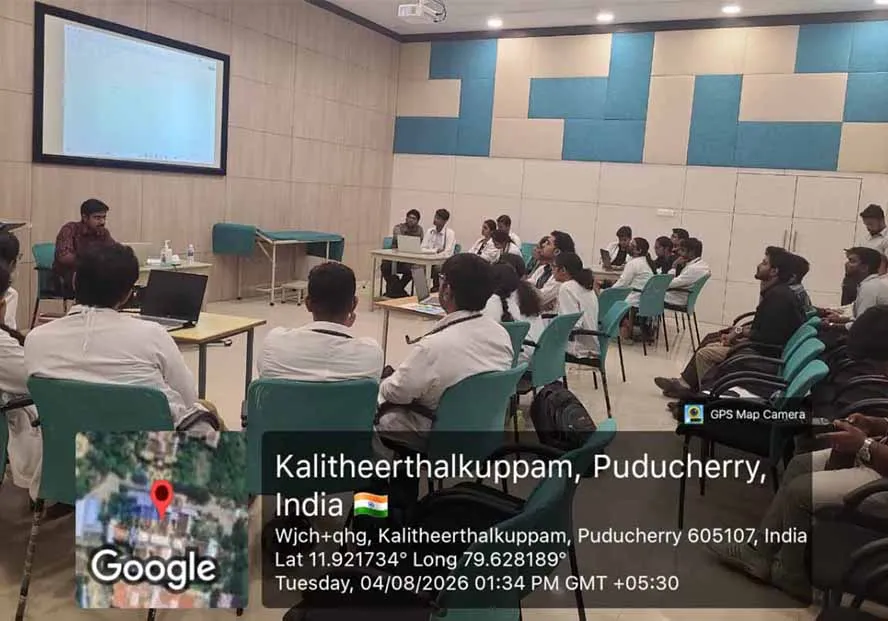
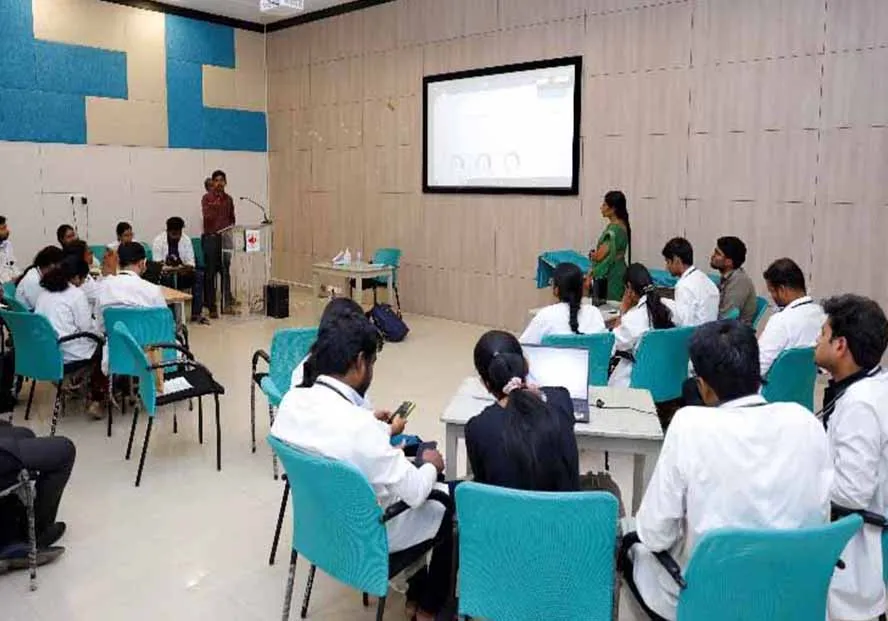
A Hands-on Workshop on Zotero Reference Management and Bibliography Citation was conducted today for the Postgraduate students of the Department of General Medicine. The session was led by Dr. Abey Sebastian, who provided comprehensive training on the effective use of Zotero for managing references and generating citations for academic writing.
A total of 23 postgraduate students actively participated in the workshop. The interactive nature of the session encouraged discussion, clarified common challenges in reference management, and equipped participants with essential skills to improve the quality and efficiency of their academic writing.
The workshop concluded with a question-and-answer session, during which participants received guidance on best practices for maintaining an organized research library and utilizing Zotero effectively in their future research endeavors. The HOD delivered vote of thanks.
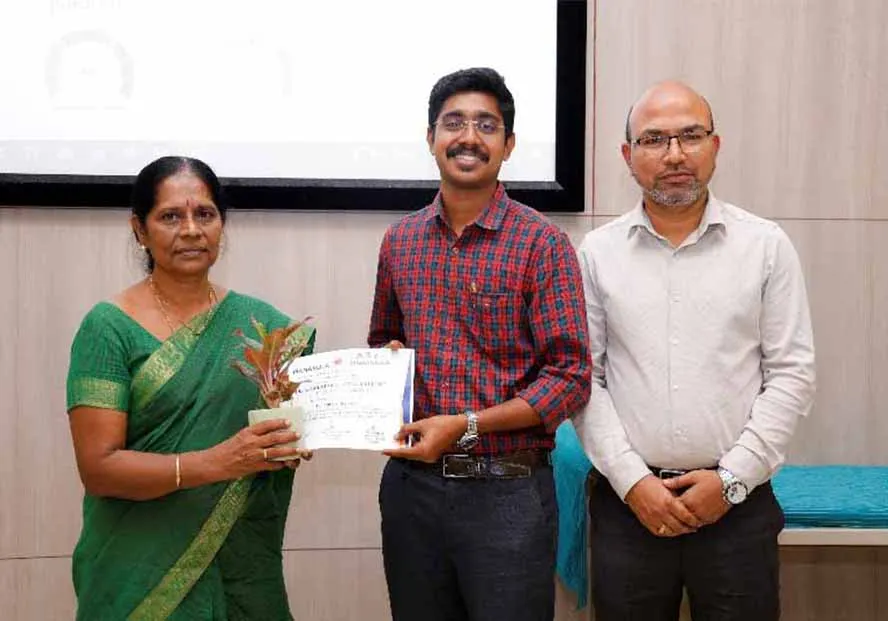
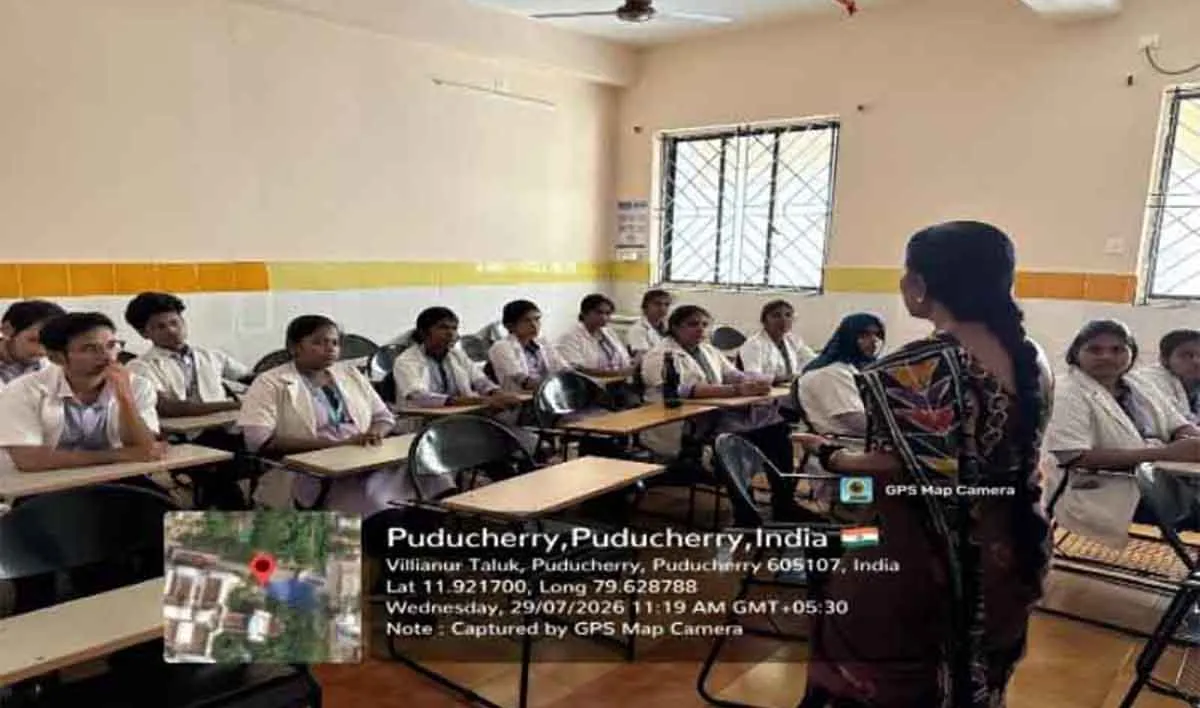
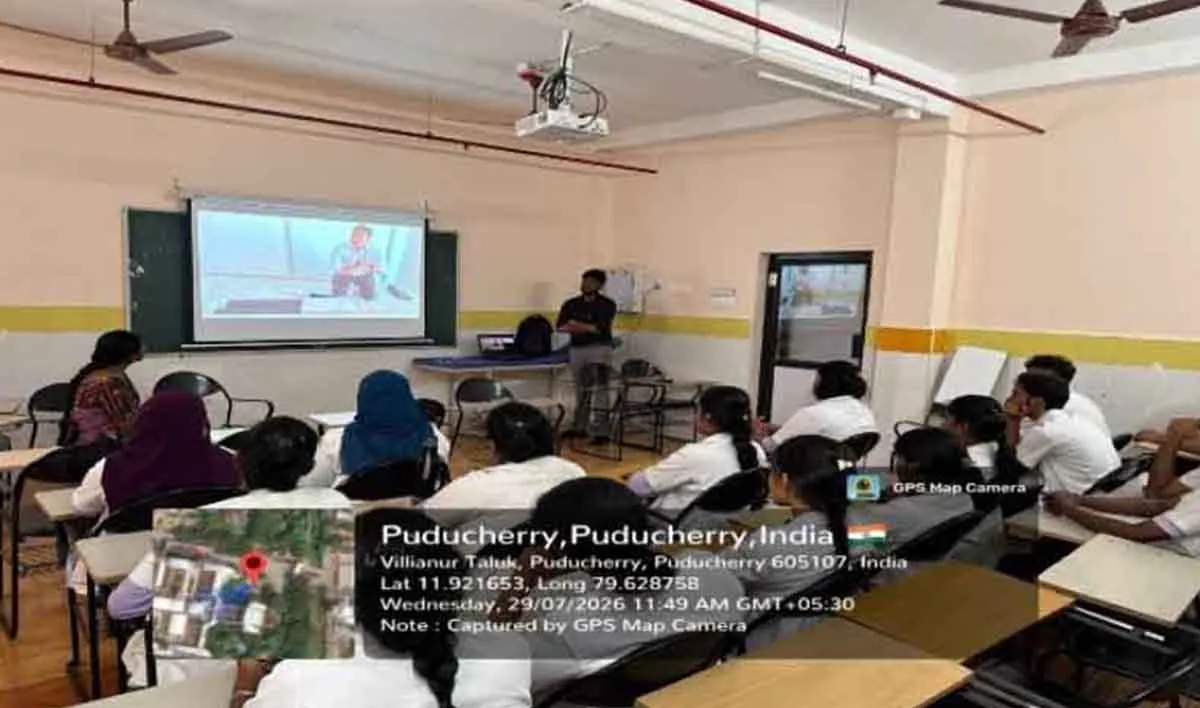
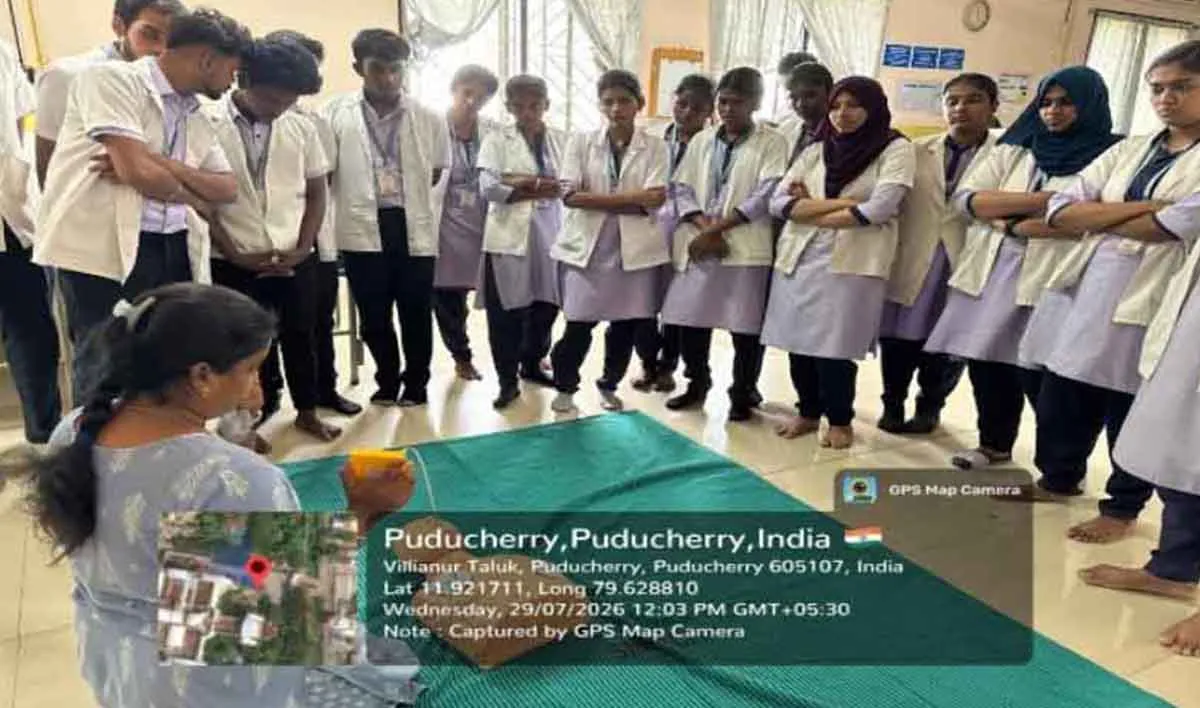
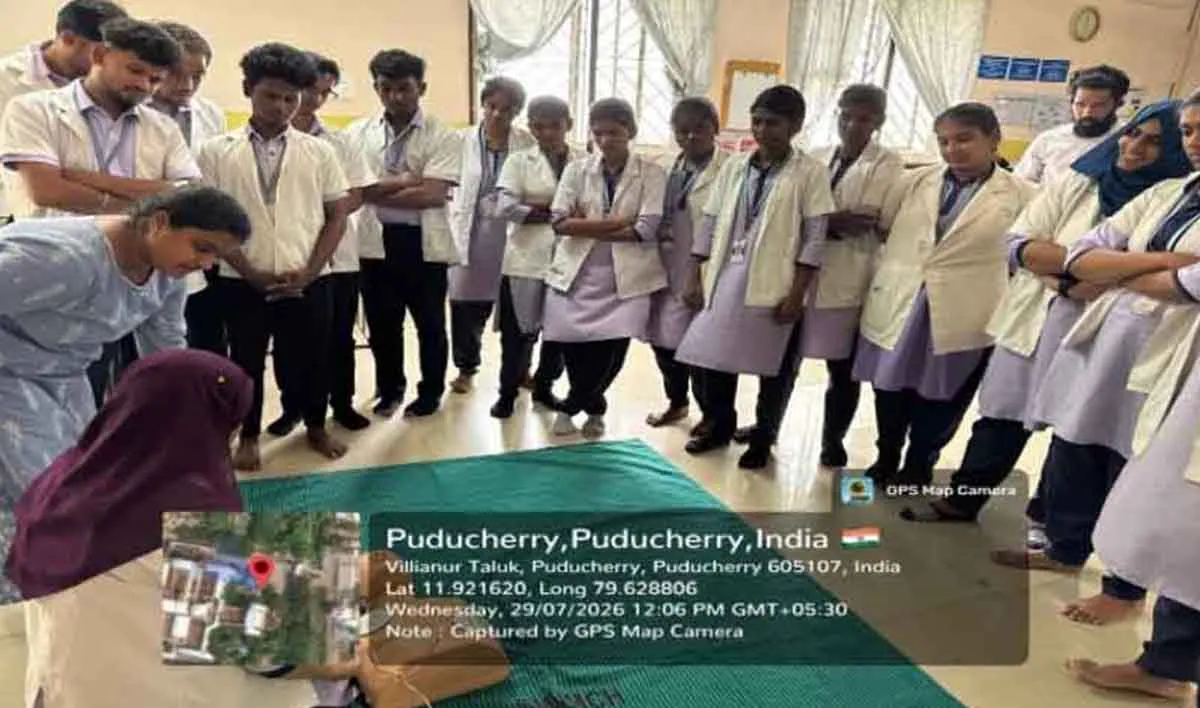
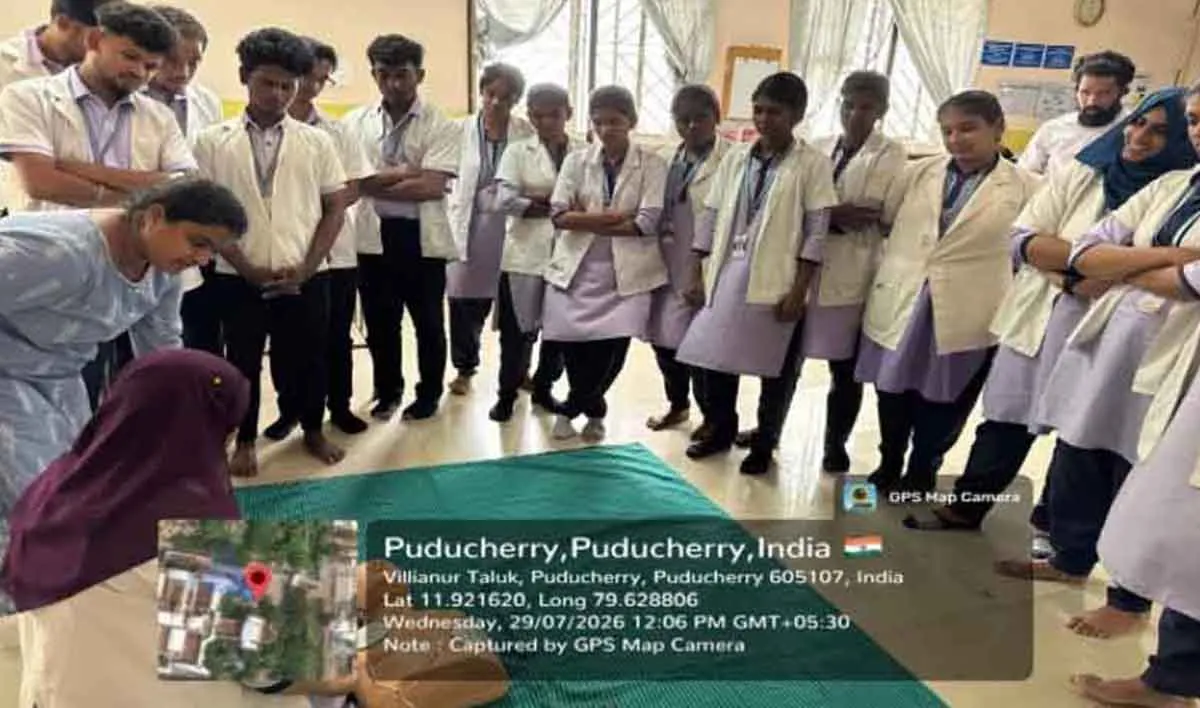
CPR Training Program -Report 2026
Event Name: CPR Training Program -Report
Organized By: Department of General Medicine
Venue: Male Medical Ward
Date: 29.07.2026
Time: 11.00 am to 12.00
Participants
Fourth-Year Physiotherapy Students
Report
The workshop was highly interactive and well received by the students, who actively participated in both the theoretical and practical sessions. The participants appreciated the opportunity to acquire an essential life-saving skill and expressed that the training significantly enhanced their confidence in responding to medical emergencies.
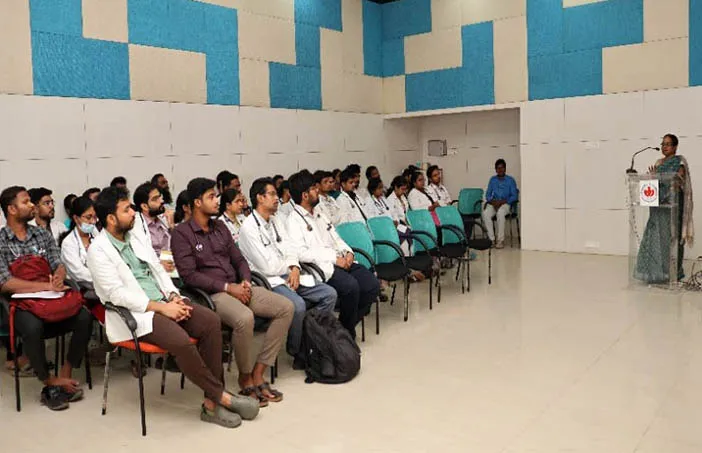
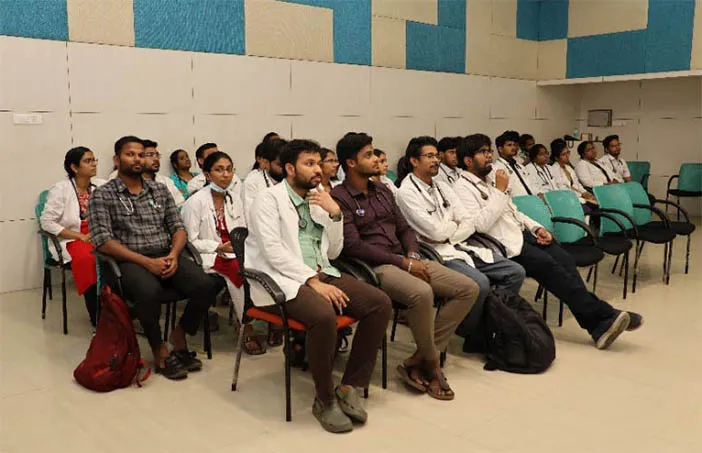
AI enabled clinical decision support system for patient triage 2026
Event Name: AI enabled clinical decision support system for patient triage
Organized By: Dept of General Medicine
Venue: IV th Floor Conference Hall
Date: 10-07-2026
Time: 2:00 P.M – 4:00 P.M
Coordinator: Dr. S. Girija, Professor & HOD, Dept. of General Medicine
Guest Speaker: Dr. K. Saruladha, Professor, Department of Computer Science and Engineering, Puducherry Technological University
Participant Details: A total of 40 participants, including faculty members, postgraduate students, attended the program.
Summary:
Dr. Saruladha discussed the role of machine learning, deep learning, predictive analytics, and data-driven decision support in healthcare settings. She also explained the integration of AI into hospital workflows, emergency care, and outpatient services, while emphasizing the importance of data quality, ethical considerations, patient privacy, and responsible implementation of AI in clinical practice.
The session included demonstrations of real-world use cases and interactive discussions on the future scope of AI in medicine.
Cardiopulmonary Resuscitation (CPR) Training Program 2026
Event Name: Cardiopulmonary Resuscitation (CPR) Training Program
Organized By: Department of General Medicine
Venue: Bright Brothers company, Thirubuvanai
Date: 09.06.2026
Time: 02.00 pm to 04.00 pm
Participants
20 Employees (representing various cadres of the organization)
Introduction
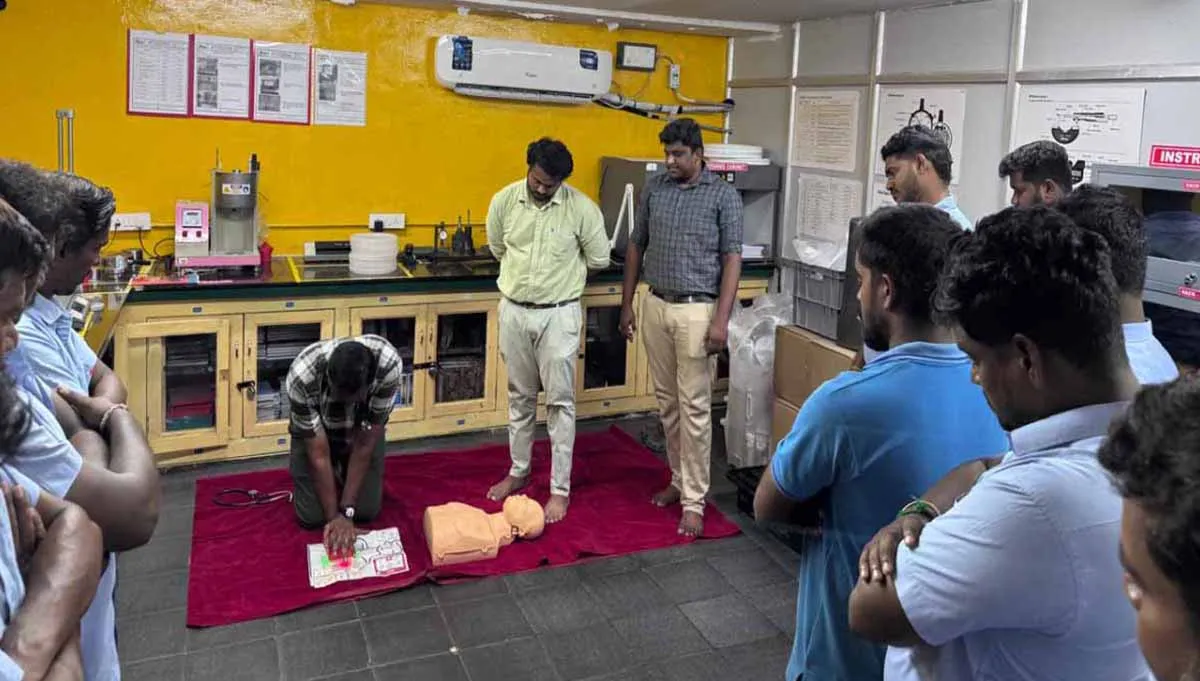
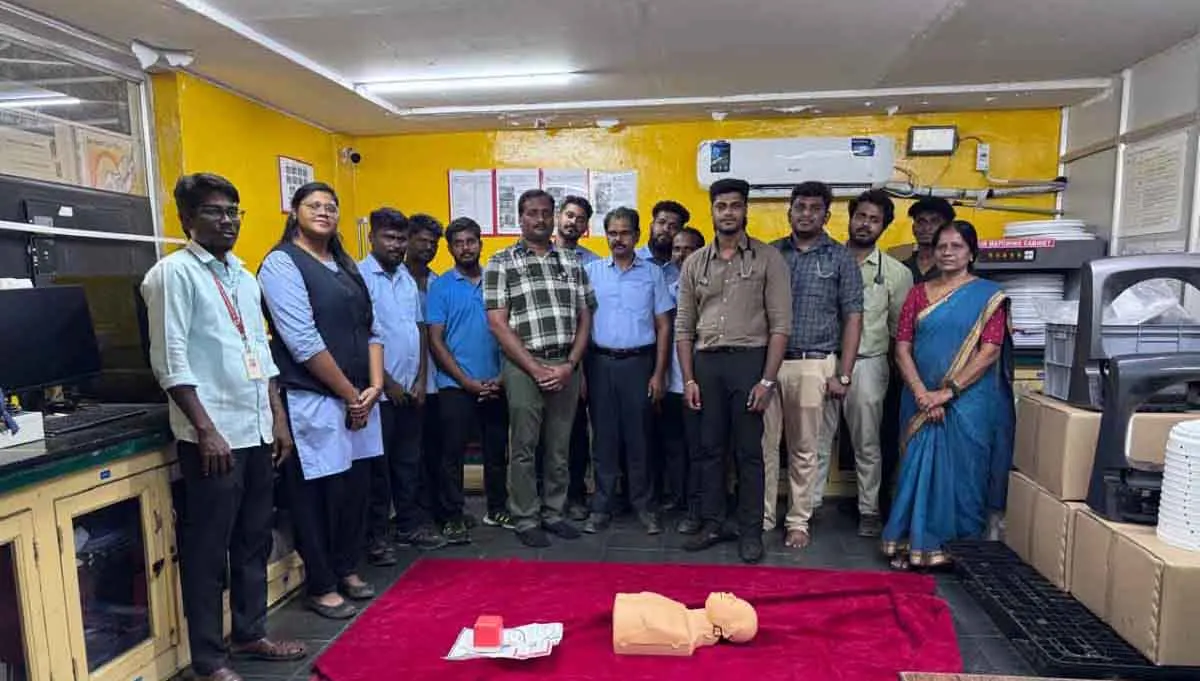
The Department of General Medicine, Sri Manakula Vinayagar Medical College and Hospital, conducted a Cardiopulmonary Resuscitation (CPR) Training Program on 9th June 2026 for employees of the organization as part of its community outreach and social responsibility initiative.
The program was designed to create awareness among non-medical personnel regarding the importance of early recognition of cardiac emergencies and to equip them with essential life-saving skills. Since cardiac arrest can occur unexpectedly in workplaces and public settings, empowering individuals with basic CPR knowledge can play a crucial role in improving survival outcomes.
Objectives of the Program
The program aimed to:
- Create awareness about sudden cardiac arrest and the importance of immediate intervention.
- Educate participants on the basic principles and steps of CPR.
- Provide hands-on training in performing effective chest compressions and basic resuscitation techniques.
- Improve confidence among employees to respond appropriately during medical emergencies.
- Promote a safer and more prepared workplace environment.
Program Proceedings
Outcome of the Program
The participants expressed increased confidence in responding to cardiac emergencies and appreciated the opportunity to learn a skill that can potentially save lives. The program reinforced the message that life-saving knowledge should extend beyond healthcare professionals and reach the wider community.
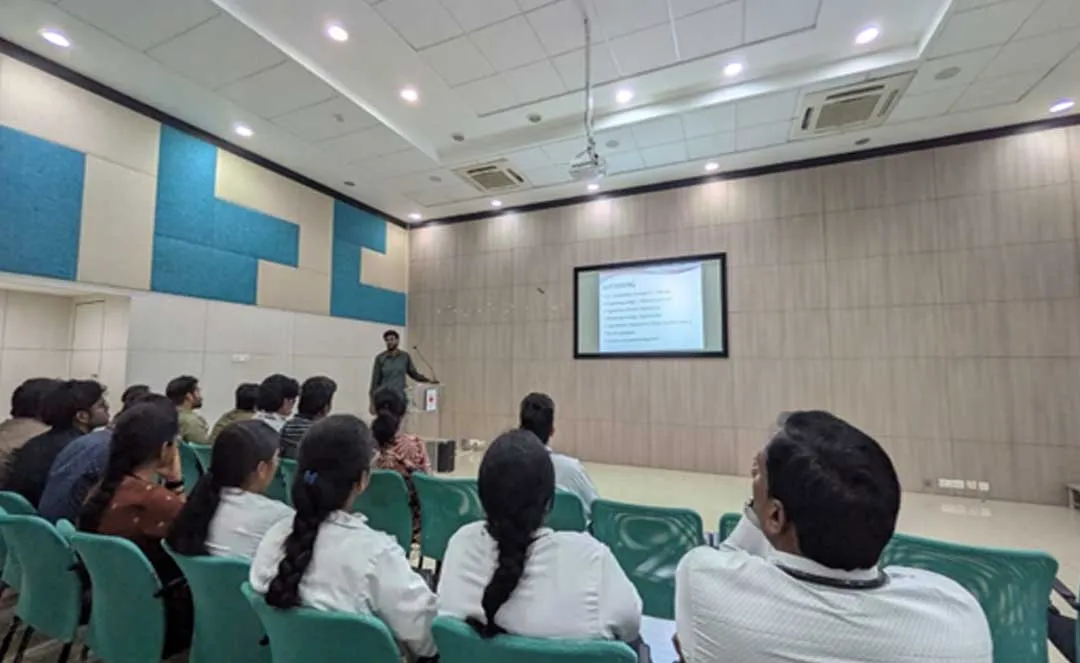
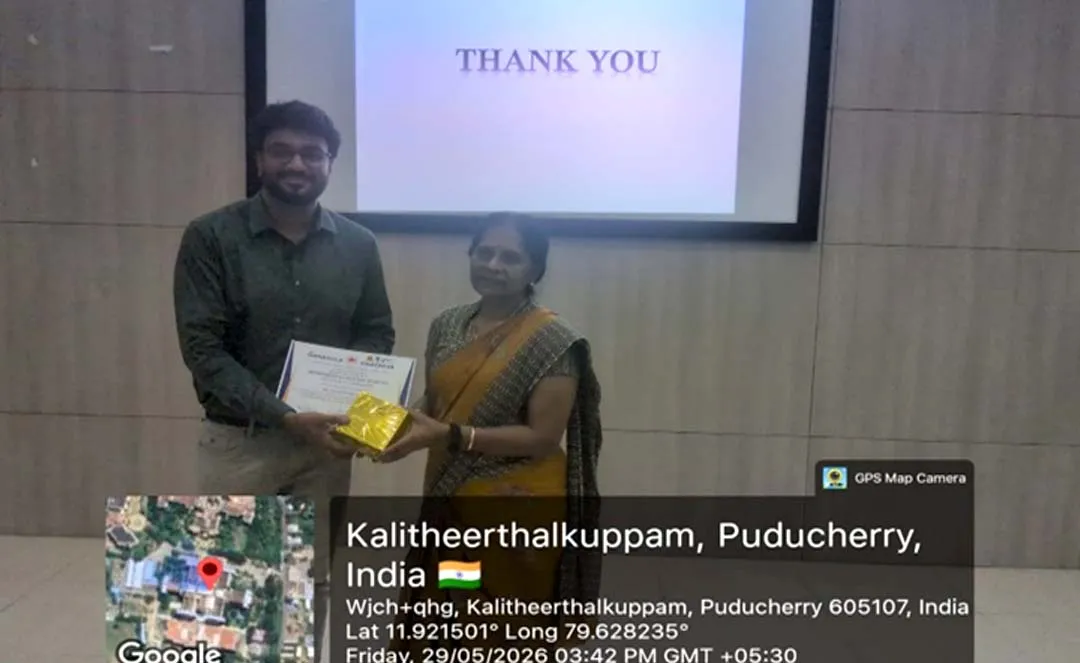
Alumni meet From Hospital to Home 2026
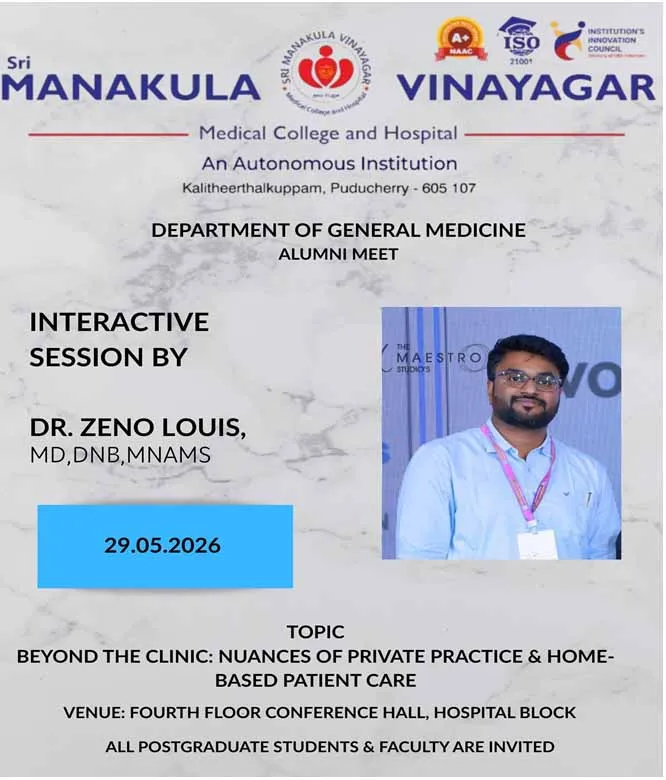
Event Name: Alumni meet From Hospital to Home
Organized By: Dept of General Medicine
Venue: Conference hall IV Floor
Date: 29-05-2026
Time: 2:00 P.M – 4:00 P.M
Participants: Postgraduate Students (General Medicine)
Number of Participants: • Postgraduate students: 25
Details of the Resource Person
Dr. Louis Ferdin Zeno, Assistant Professor, Department of General Medicine,
Sri Venkateshwaraa Medical College Hospital and Research Centre
Summery
The speaker elaborated on his experiences with patient encounters, the importance of compassionate communication, and the gradual growth of his practice through consistent service and word-of-mouth recommendations. He also discussed the role of home care in modern medical practice and emphasized the value of continuity of care beyond the hospital setting.
Sepsis Management 2026
Event Name: Sepsis Management
Organized By: Dept of General Medicine
Venue: Skill Lab
Date: 20-05-2026
Time: 2:00 A.M – 4:00 P.M
- Dr.S.Girija ,Professor, General Medicine
- Dr.S. Madhan Kumar, Assistant Professor, General Medicine
Theme of the Program:
- From Protocol to Precision: An Interactive Workshop for Postgraduate Students in General Medicine
Event Summary
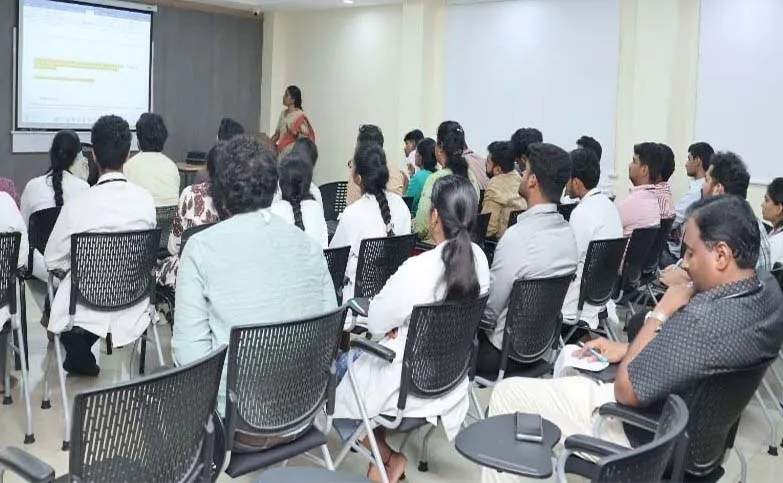
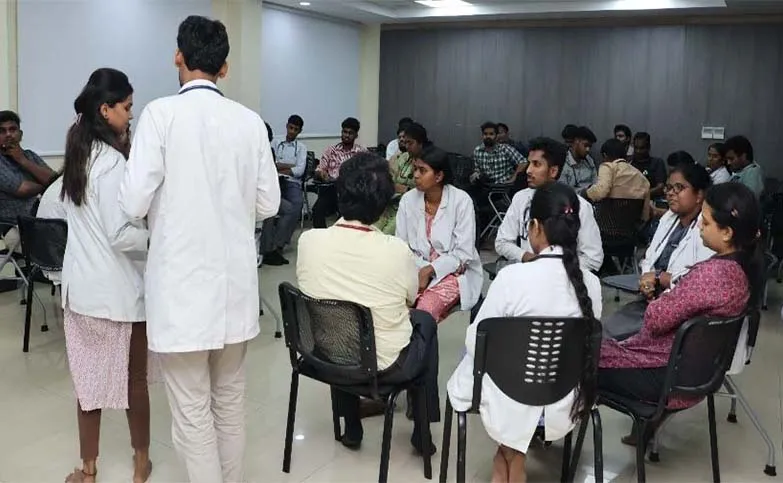
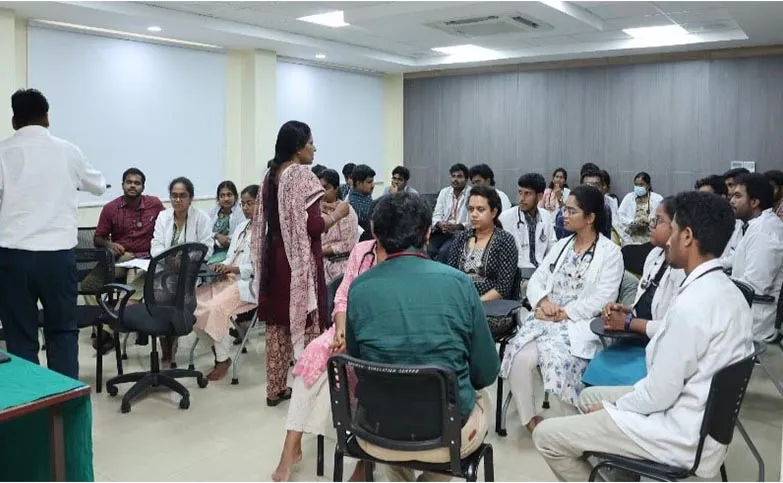
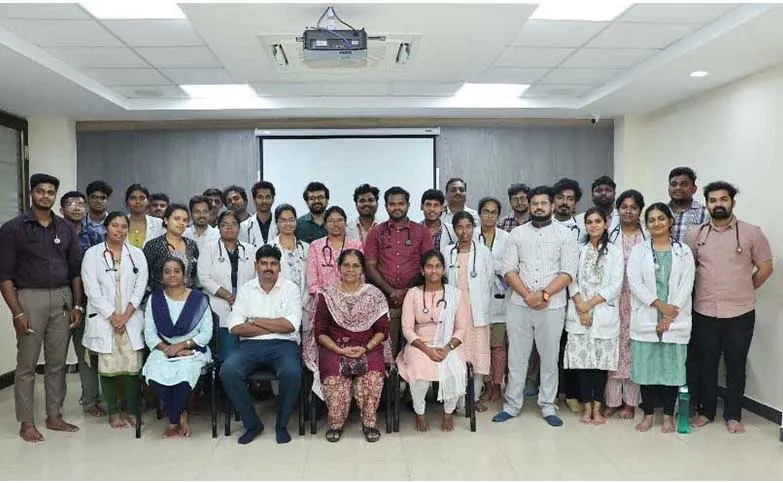
The Department of General Medicine conducted an interactive workshop titled “From Protocol to Precision: Sepsis Management 2026” for postgraduate students with the objective of strengthening contemporary knowledge and practical skills in the recognition and management of sepsis and septic shock. The workshop was designed as a value-added academic activity focusing on evidence-based bedside management aligned with current sepsis practices and evolving critical care concepts.
The session included postgraduate students from the Department of General Medicine and adopted a highly interactive format emphasizing clinical reasoning, teamwork, and rapid decision-making. The workshop began with a pre-assessment session to evaluate baseline understanding of sepsis diagnosis, fluid resuscitation, vasopressor use, lactate interpretation, and antibiotic strategies.
Interactive learning methods formed the core of the workshop. Participants were actively involved in:
- Case-based discussions
- Small-group clinical problem-solving
- Sepsis management algorithms
- Golden-hour management drills
- Debate sessions on controversial topics in sepsis care
- ‘Pick a card’Rapid-fire discussion rounds based on current guideline concepts
Clinical scenarios discussed during the workshop included:
- Septic shock secondary to pneumonia
- Urosepsis
- Neutropenic sepsis
- Abdominal sepsis
- Line-related sepsis
- Dengue with shock and differential diagnosis
- Adrenal insufficiency presenting as shock
- Mixed septic and cardiogenic shock
Debate and moderator-led discussion sessions encouraged postgraduate students to critically analyze evolving concepts such as:
- Lactate versus capillary refill
- Early vasopressor use
- Steroids in septic shock
- Antibiotic de-escalation
- Target mean arterial pressure
- Utility of albumin in sepsis
- Artificial intelligence in early sepsis detection
The workshop successfully achieved its objective of enhancing postgraduate trainees’ understanding of modern sepsis management and promoting evidence-based, patient-centered clinical practice.
Comparison of Pre-Test and Post-Test Results – Sepsis Workshop
From Protocol to Precision: Sepsis Management 2026
Participant Response Overview 2026
- Pre-test responses: 28 participants
- Post-test responses: 22 participants
Comparative Analysis
1. Recognition of Sepsis
Question:
A 60-year-old male with pneumonia has BP 92/60 mmHg, RR 24/min, altered mentation, and lactate 3 mmol/L. What is the most appropriate diagnosis?
Pre-Test:
- Correct responses: 18/28 (64.3%)
- Incorrectly identified as septic shock: 35.7%
- Correct responses: 22/22 (100%)
Interpretation:
This indicates improved conceptual clarity regarding:
- Definitions of sepsis and septic shock
- Role of vasopressor requirement in diagnosing septic shock
- Interpretation of lactate values in clinical context
2. Definition of Septic Shock
Question:
Pre-Test:
- Correct responses: 28/28 (100%)
Post-Test:
- Not reassessed
Interpretation:
- Persistent hypotension
- Requirement of vasopressors
- Elevated lactate despite adequate fluid resuscitation
- Fluid Resuscitation Strategy
Question:
Which statement is correct?
Correct Answer:
“Fluids should be individualized based on perfusion.”
Pre-Test:
- Correct responses: 25/28 (89.3%)
- Incorrect belief that all patients require fixed 30 ml/kg: 10.7%
Post-Test:
- Correct responses: 22/22 (100%) Interpretation:
The workshop improved understanding of individualized fluid management strategies in sepsis. Participants demonstrated better appreciation of:
- Dynamic assessment of fluid responsiveness
- Avoidance of indiscriminate fluid administration
- Importance of perfusion-guided resuscitation
This reflects successful reinforcement of evolving concepts in precision-based sepsis management.
Overall Educational Impact
Comparison of pre- and post-test performance demonstrated:
Improved diagnostic accuracy
Better differentiation between sepsis and septic shock
Enhanced understanding of individualized resuscitation strategies
Improved application of evidence-based sepsis concepts
The greatest improvement was observed in:
- Clinical interpretation of sepsis definitions
- Practical bedside decision-making
- Precision-oriented fluid management
Feedback:
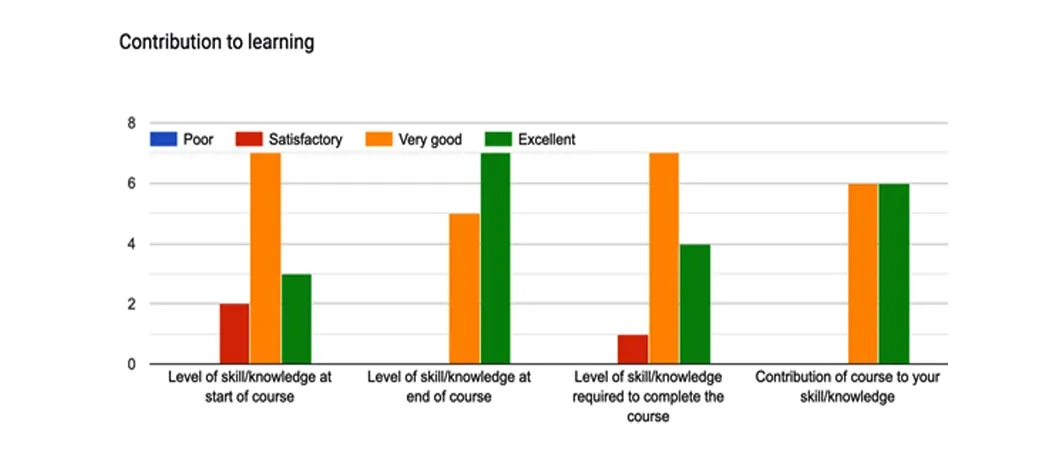
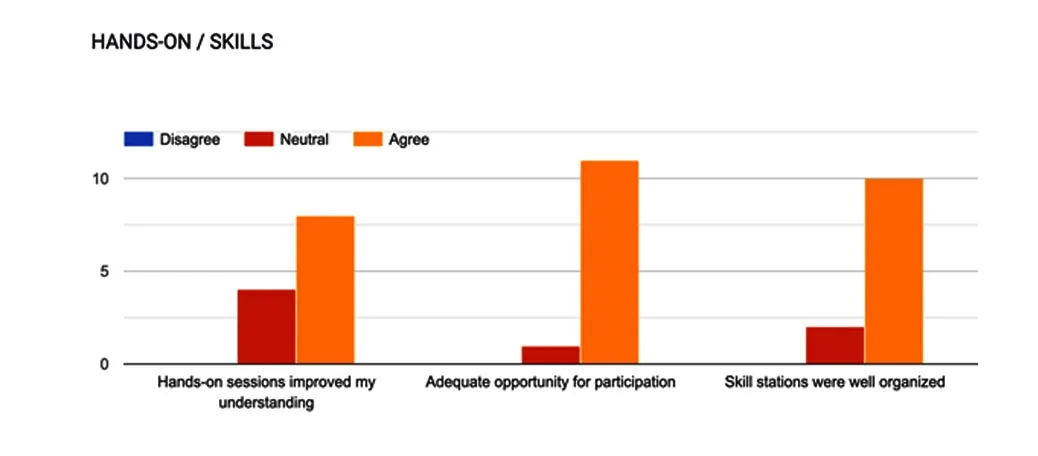
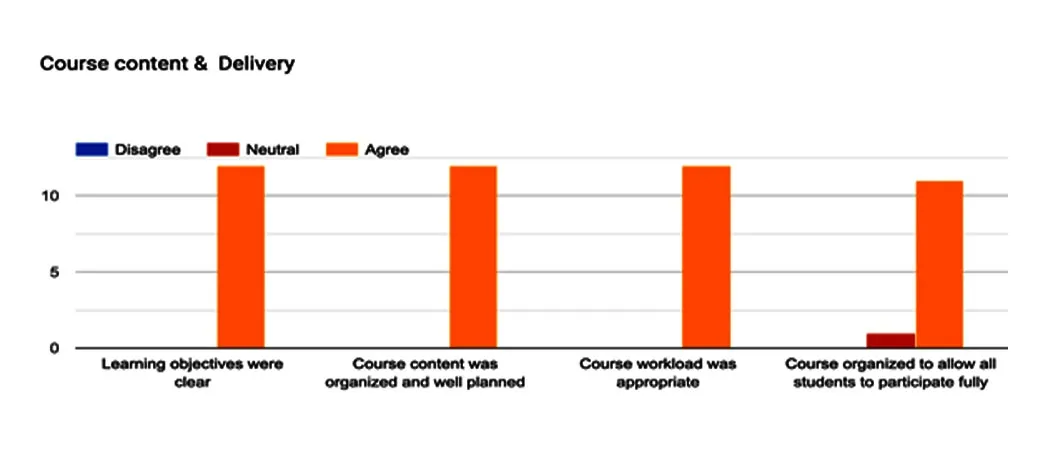
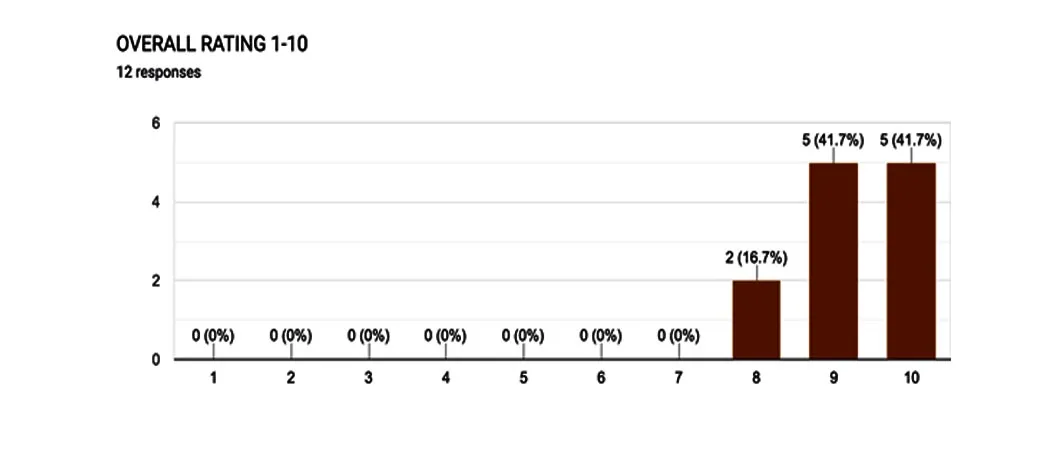
Summary of Feedback – Sepsis Management Workshop
What aspects of this course were most useful or valuable?7 responses
Group discussion
Interaction part
Debate session, case scenarios
Recent updates
Discussion was good
Newer updates
Everyone Participation
How would you improve this course?5 responses
Good
More MCQ after session
More discussion on the use of antibiotics on case to case basis and how to deescalate
More assessment
More classes
A feedback evaluation was conducted following the Sepsis Management Workshop organized for postgraduate students in General Medicine.
Participation
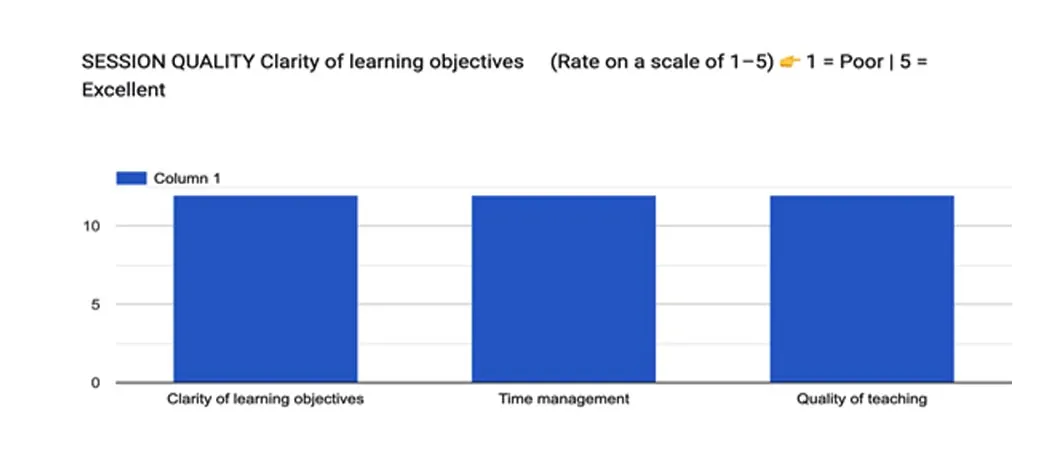
- Total responses received: 12
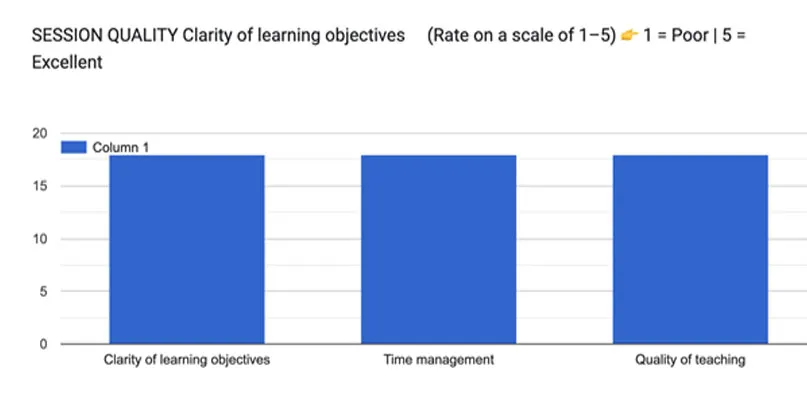
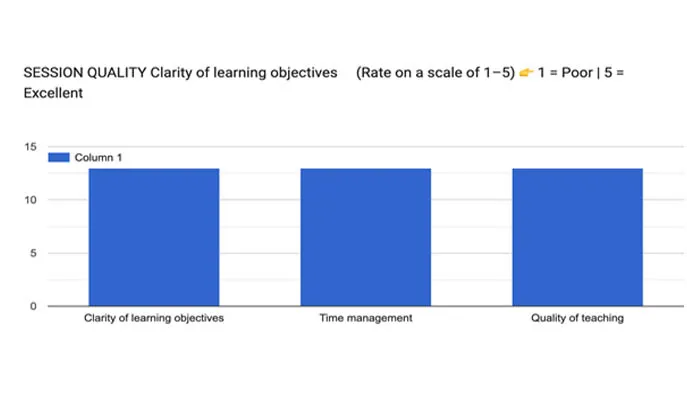
Session Quality
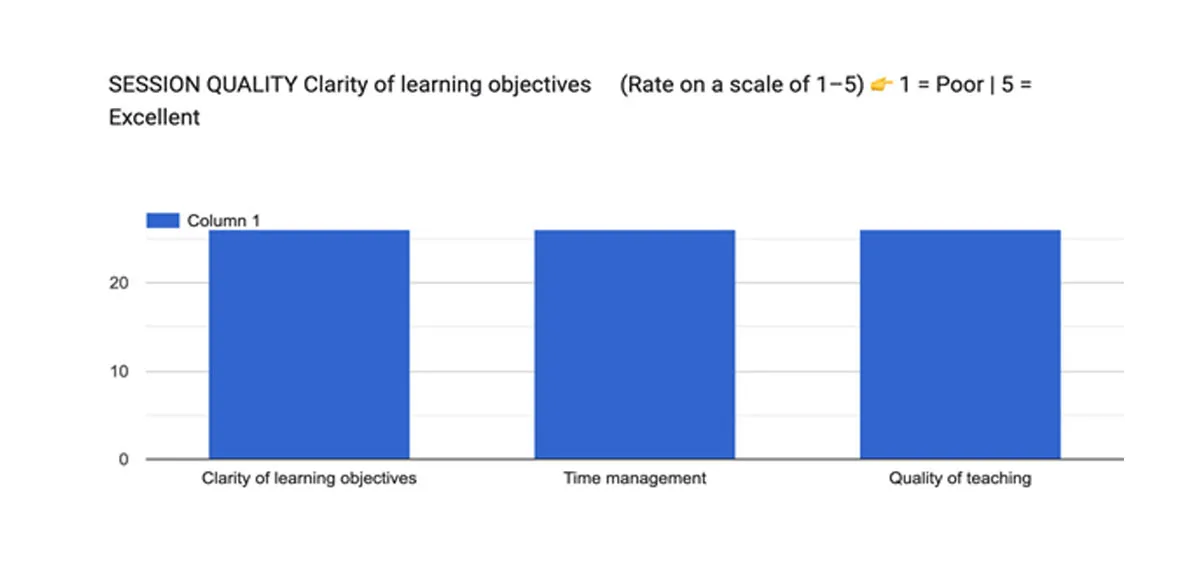
Participants rated the following domains highly, predominantly in the Good to Excellent range:
- Clarity of learning objectives
- Time management
- Quality of teaching
- Interpretation:
The workshop was perceived as:
Well structured
Clinically relevant
Interactive and engaging
Appropriate for postgraduate-level learning
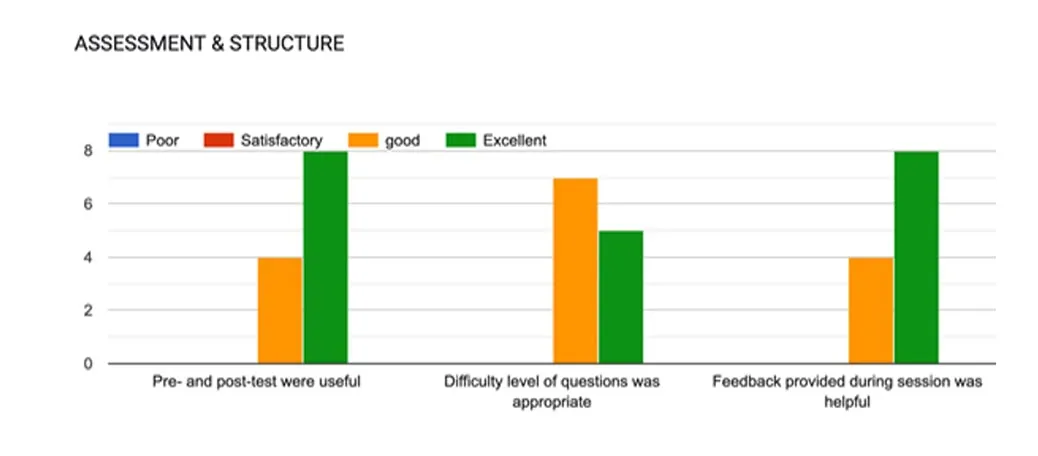
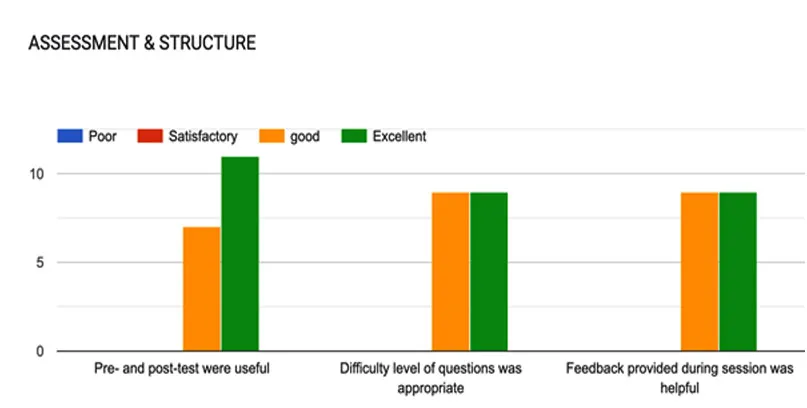
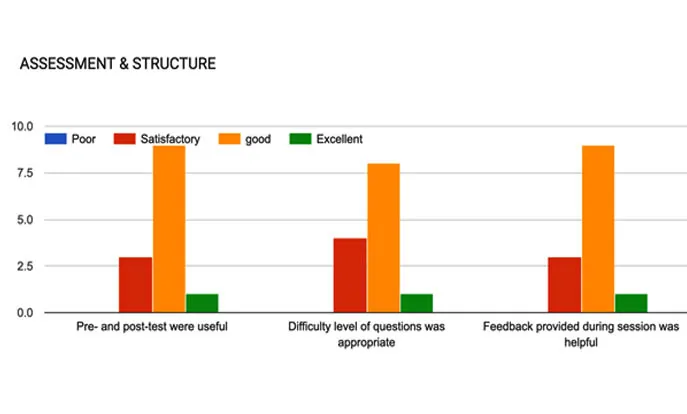
Assessment & Structure
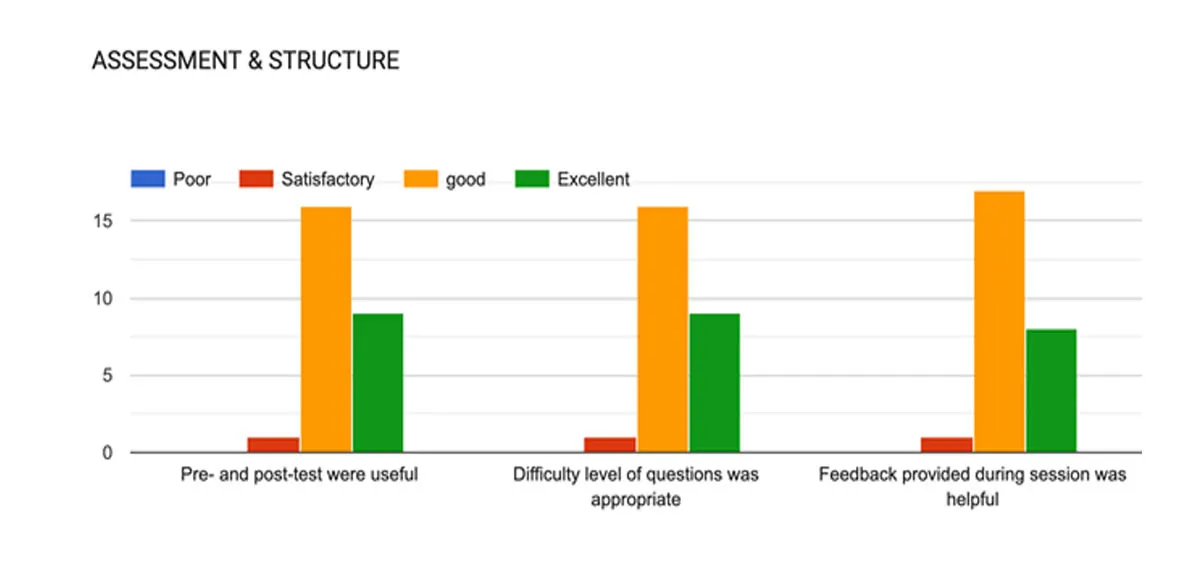
Feedback regarding:
Pre- and post-test usefulness
Difficulty level of questions
Feedback provided during the session
was predominantly rated as Good to Excellent
Interpretation:
Participants appreciated:
- The structured assessment format
- Clinically oriented MCQs and case scenarios
- Interactive feedback during discussions and activities
Most Useful / Valuable Aspects
Participants particularly appreciated:
- Group discussions
- Interactive sessions
- Debate-based learning
- Case scenario discussions
- Recent sepsis guideline updates
- Active participation opportunities
Representative comments included:
- “Group discussion”
- “Debate session, case scenarios”
- “Recent updates”
- “Everyone participation”
Suggestions for Improvement
Participants suggested:
- More MCQ-based assessment after sessions
- Additional discussions on antibiotic choice and de-escalation
- More assessment opportunities
- Conducting more such workshops/classes
Representative comments:
- “More MCQ after session”
- “More discussion on antibiotics and de-escalation”
- “More assessment
Non-Invasive Ventilation 2026
Event Name: Non-Invasive Ventilation
Organized By: Dept of General Medicine
Venue: Conference hall IV Floor
Date: 11-05-2026
Time: 2:00 A.M – 4:00 P.M
Number of Participants Postgraduate students: 35
Details of the Resource Person
- S. Yuvarajan (Professor & Head)
- Dr. Cherukumalli Navya (Assistant Professor)
- Dr. Girija.S (Professor & HOD)
- Aakash T. Ajith (Senior Resident)
- John Helio (Senior Resident)
Workshop Report: Non-invasive ventilation (NIV) hands-on workshop
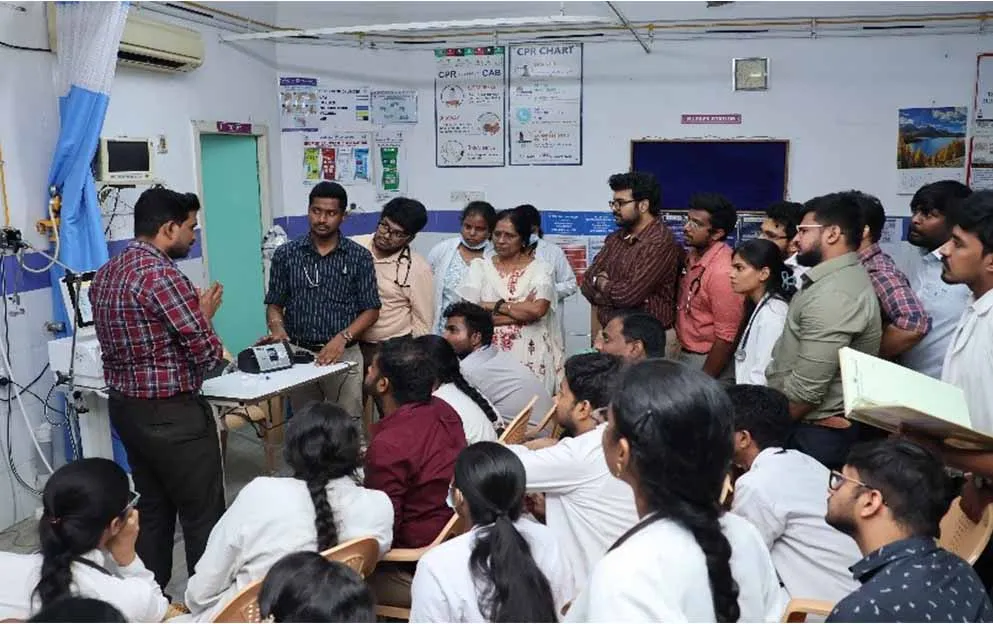
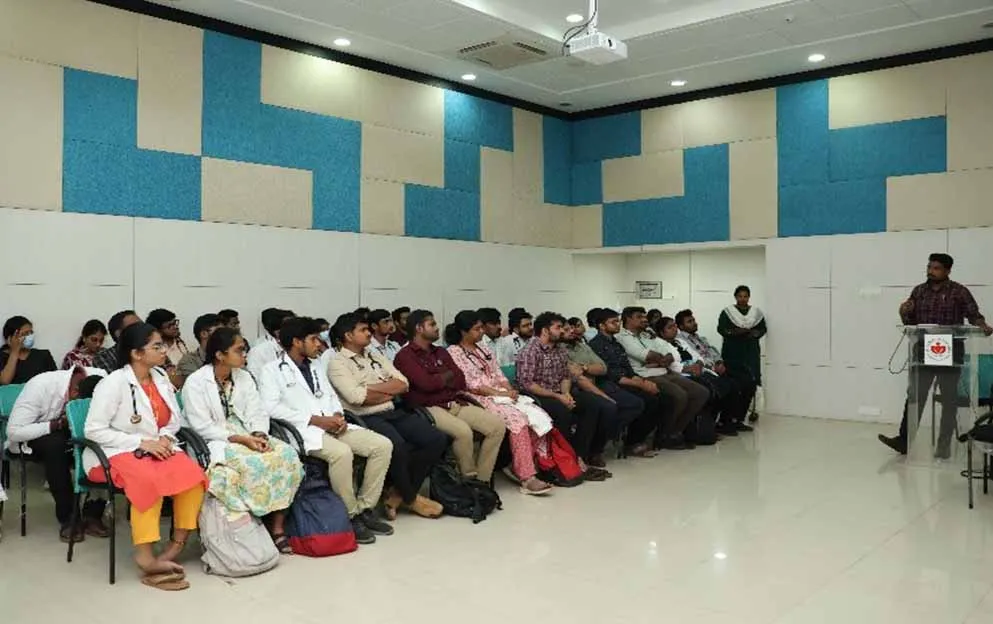
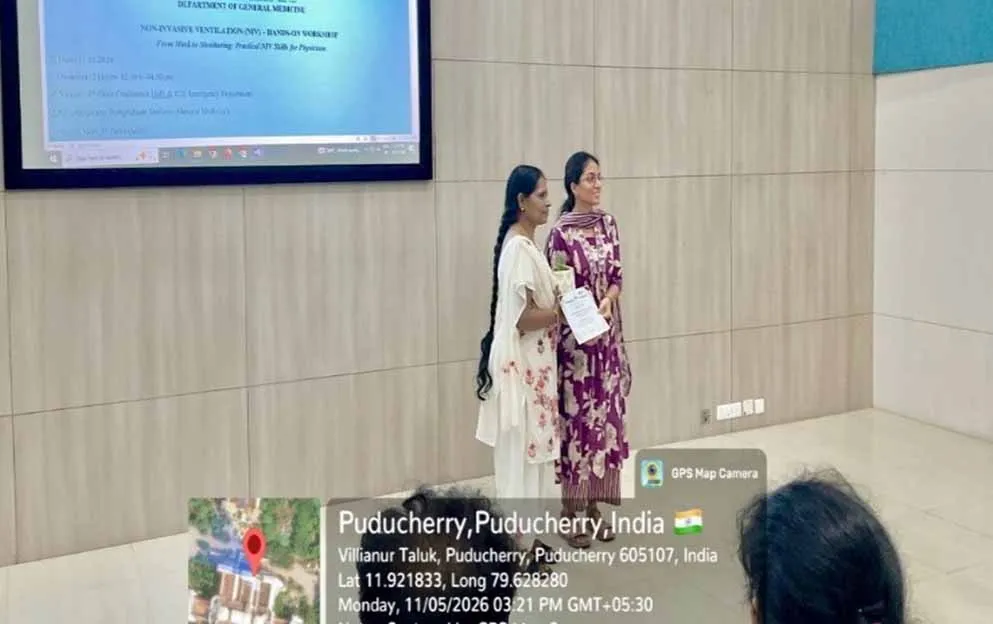
The Department of General Medicine, successfully organized a highly interactive and practical hands-on workshop on Non-Invasive Ventilation (NIV) on May 11, 2026. The program was specifically curated for postgraduate students of General Medicine to bridge the gap between theoretical knowledge and bedside clinical application in emergency and critical care settings.
The collaborative effort between General Medicine The hands-on nature of the workshop successfully demystified ventilator interfaces and sub-modes, transforming abstract concepts into actionable bedside skills. The Department of General Medicine extends its heartfelt gratitude to Dr. S. Yuvarajan and Dr. Cherukumalli Navya from the Department of Pulmonology for lending their invaluable expertise and time. By empowering our postgraduates with these vital critical care skills, the institution continues to elevate the standard of acute patient care and medical education.
Non-Invasive Ventilation (NIV) Workshop: Post-Test Performance Analysis:
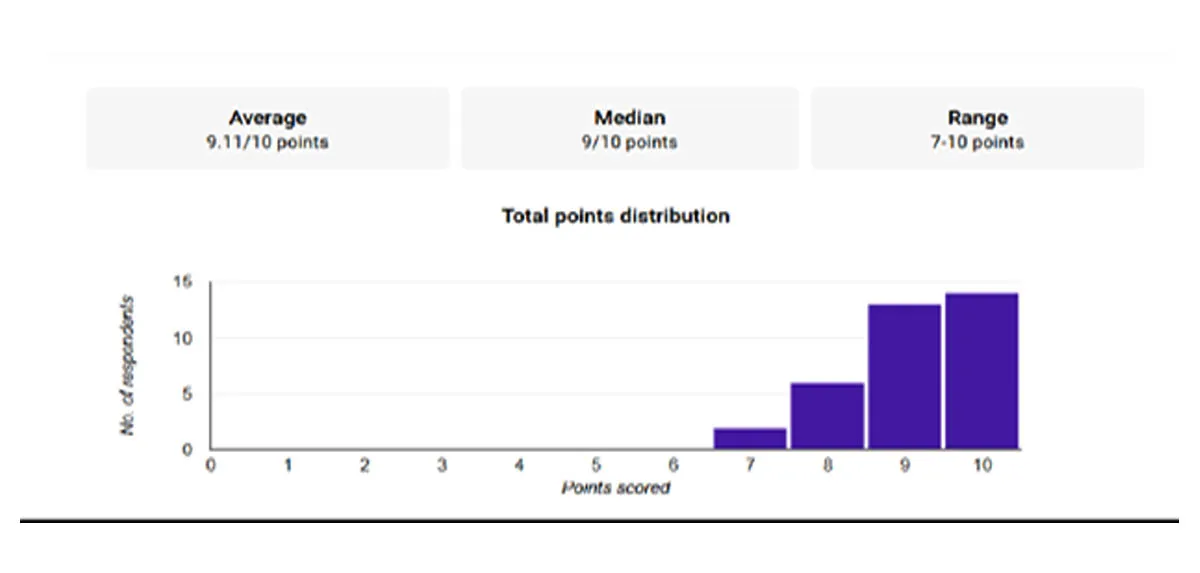
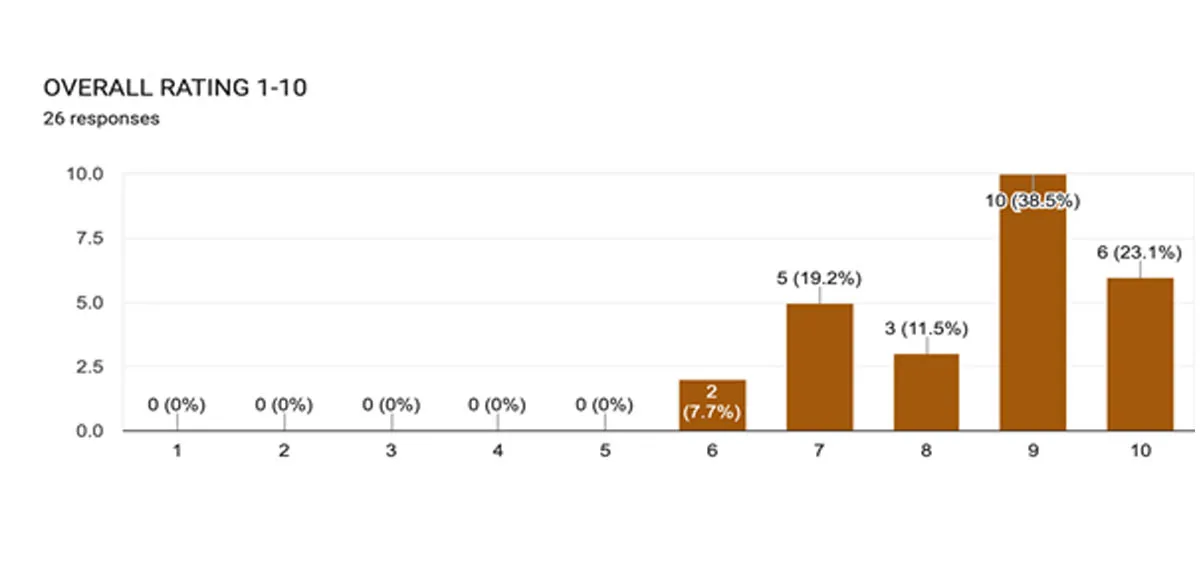
Following the educational workshop on Non-Invasive Ventilation (NIV), a 10-point comprehensive post-test was administered to 35 participants to evaluate knowledge retention, clinical reasoning, and technical competency. The results demonstrate an outstanding level of understanding, with a collective average score of 9.11 out of 10 points and a median score of 9 out of 10. Individual scores ranged tightly between 7 and 10 points, highlighting a universally strong grasp of core NIV concepts across the cohort. The overwhelming majority of the questions achieved a >90% success rate, indicating that the core learning objectives were firmly met.
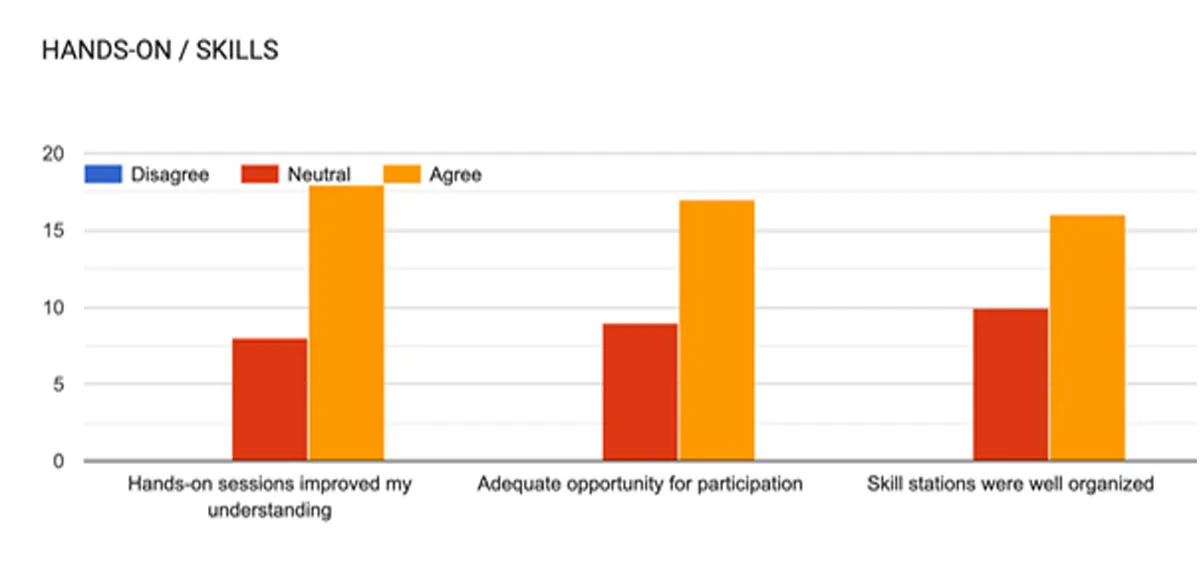
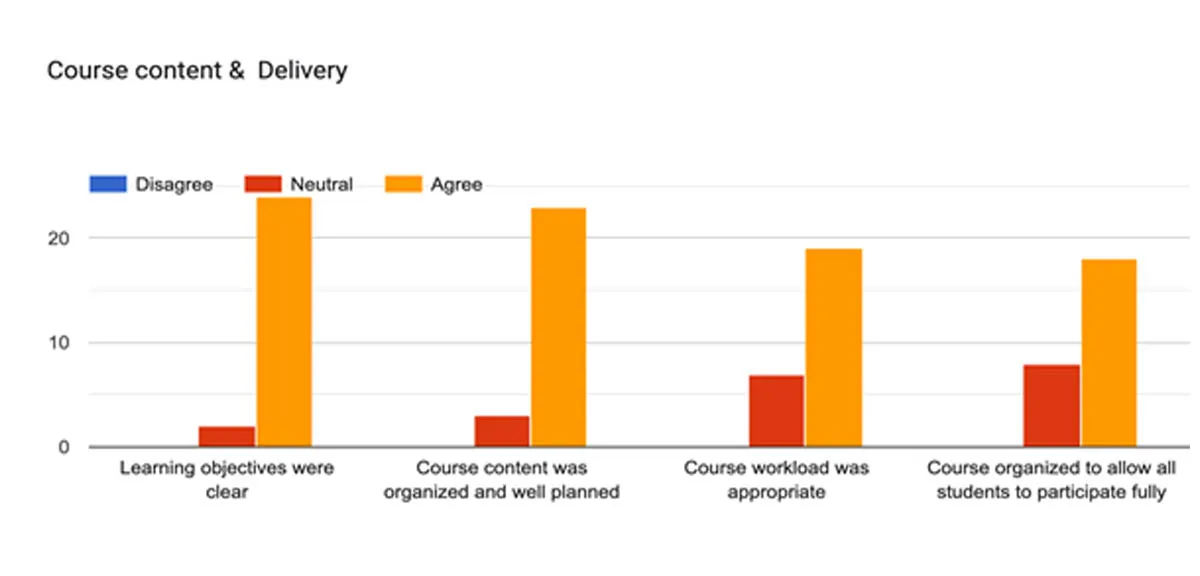
- Clarity of learning objectives
- Time management
- Quality of teaching
- The workshop was perceived as:
- Well organized
- Clinically relevant
- Interactive and easy to follow
The majority of participants rated:
- Pre- and post-test usefulness
- Difficulty level of questions
- Feedback provided during the session
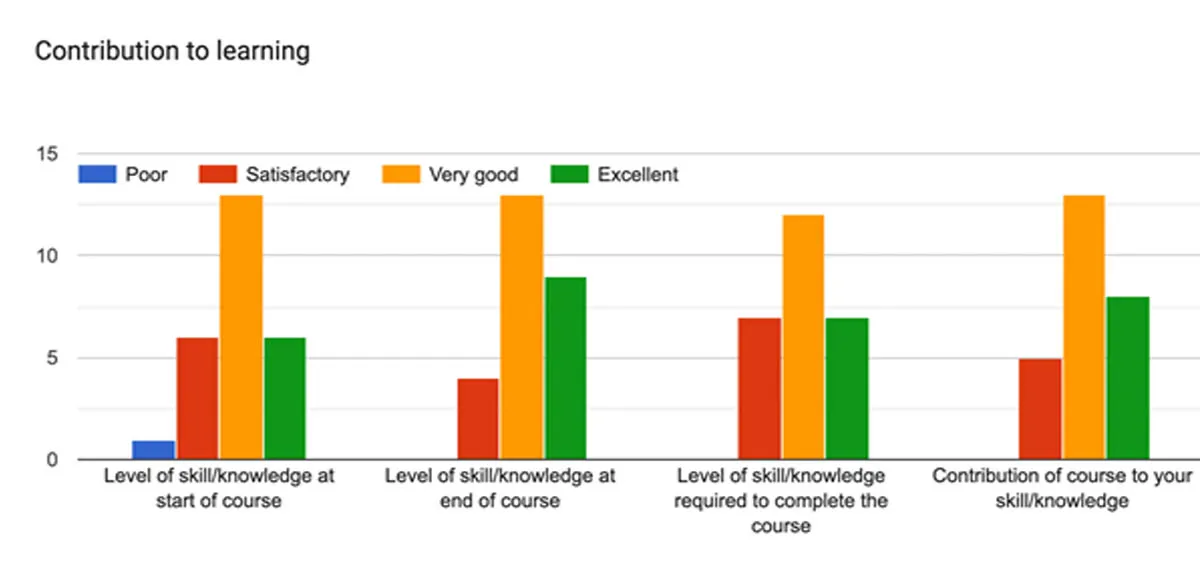
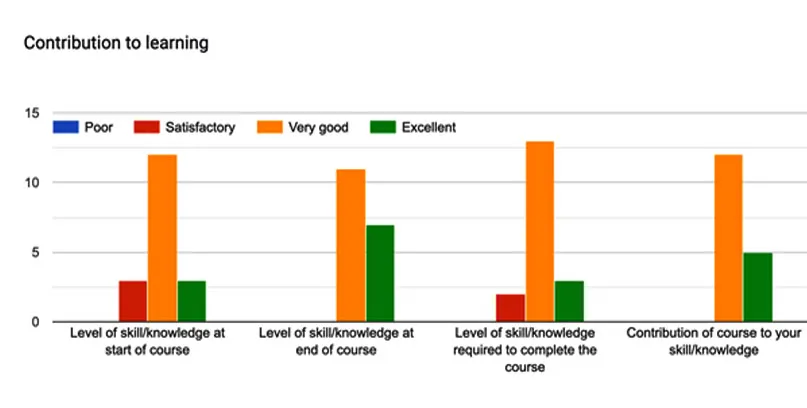
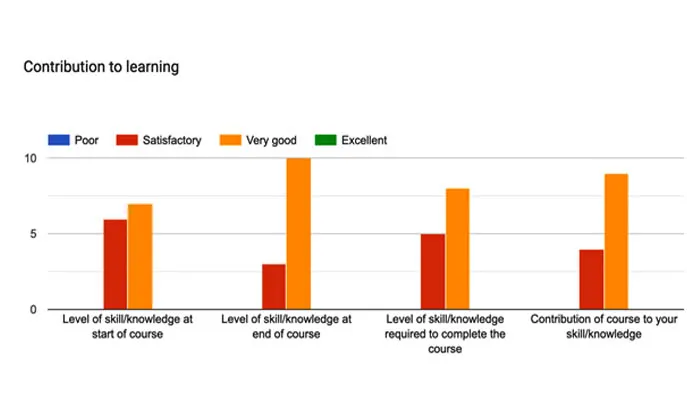
Contribution to Learning
Feedback indicated a clear improvement in:
- Knowledge and confidence regarding NIV
- Understanding of BiPAP settings and indications
- Clinical application of NIV in acute care settings
- Very Good
- Excellent
Most Valuable Aspects Identified
Participants particularly appreciated:
- Teaching on BiPAP/NIV settings
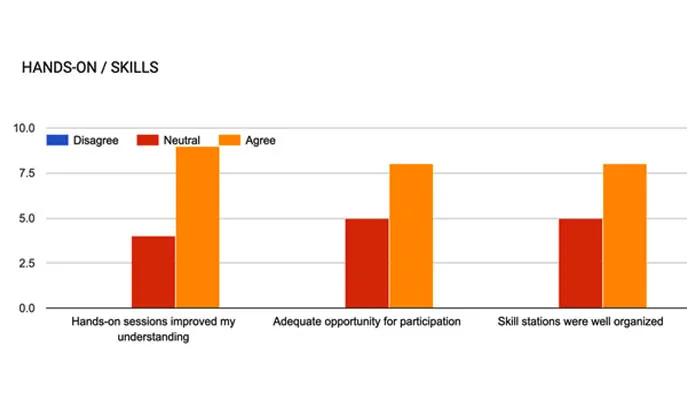
- Hands-on learning opportunities
- Concept-oriented teaching
- Expert-led sessions
- Interactive lectures and demonstrations
- “Teaching about NIV settings”
- “BiPAP settings”
- “Hands-on”
- “Concepts”
- “Expert session on NIV was useful”
Suggestions for Improvement
The most common recommendations were:
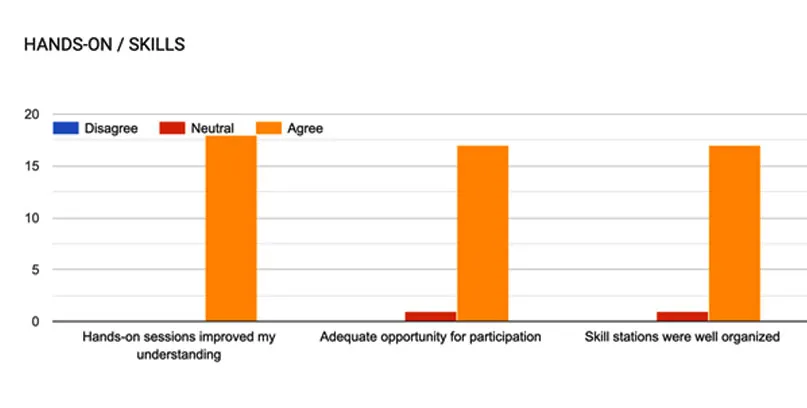
Increase Hands-on Exposure
Participants expressed interest in:
- Smaller group sizes during practical sessions
- More individual machine access
- Additional simulation-based learning
Many participants requested:
- Longer workshop timings
- Additional sessions
- Expanded discussion on other NIV modes
- “Focus more on hands-on”
- “Need more hands-on”
- “Extra time”
- “Other modes of NIV should be discussed”
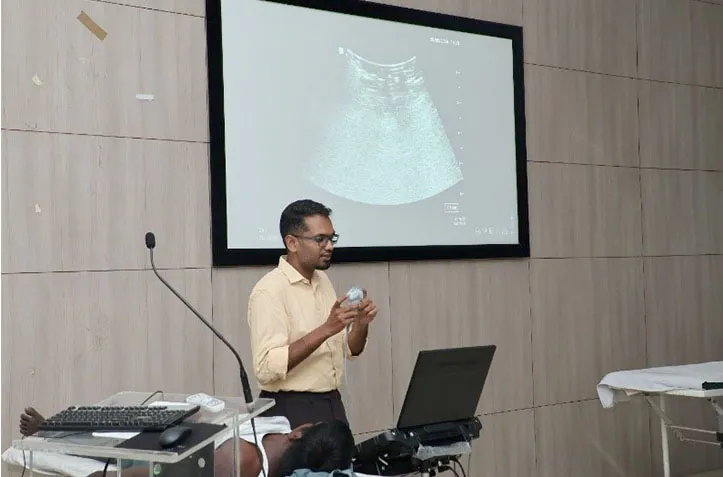
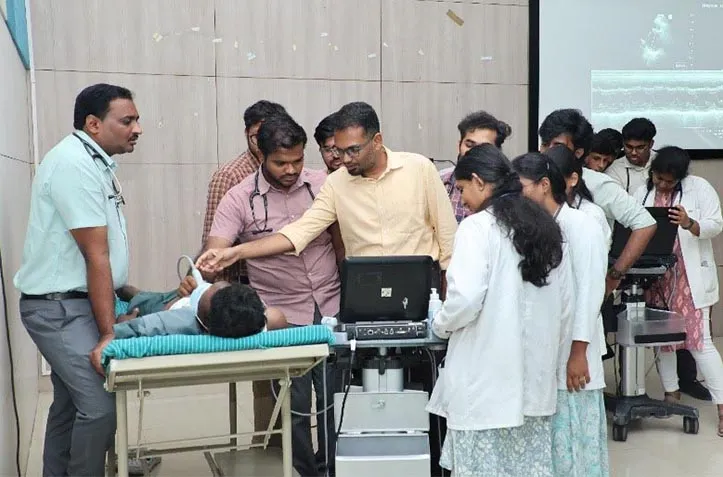
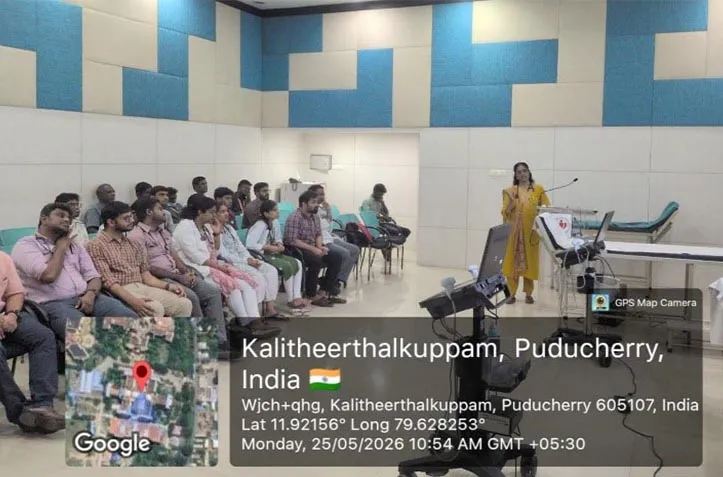
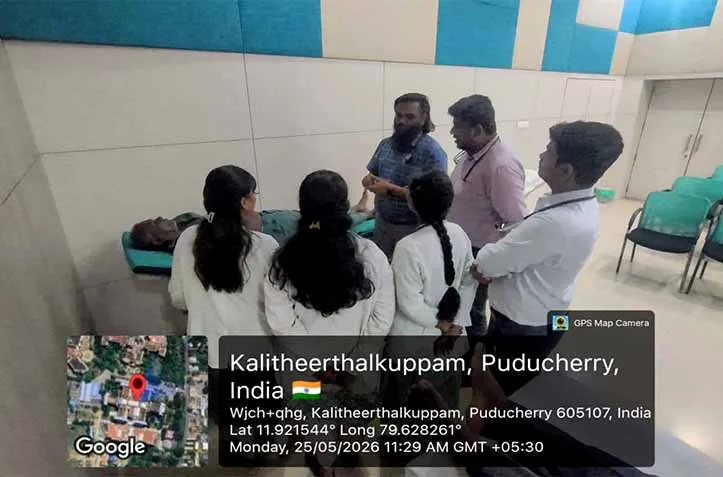
Point of care Ultrasound Workshop 2026
Event Name: Point of care Ultrasound Workshop
Organized By: Dept of General Medicine
Venue: Conference hall IV Floor
Date: 25-05-2026 & 26-05-2026
Time: 9:00 A.M – 4:00 P.M
- Dr. Kawiraj.N, Asst. Professor, SMVMCH, General Medicine
- Dr. Rangarajan.D.V, Asst. Professor, SMVMCH, General Medicine
2. Dr.Venkateshwaran. R, Asst. Professor, Cardiology, SMVMCH
3. Dr. Sathiyanarayanan. J, Professor, General Medicine, SMVMCH
- From Protocol to Precision: An Interactive Workshop for Postgraduate Students in General Medicine
POCUS Workshop Report
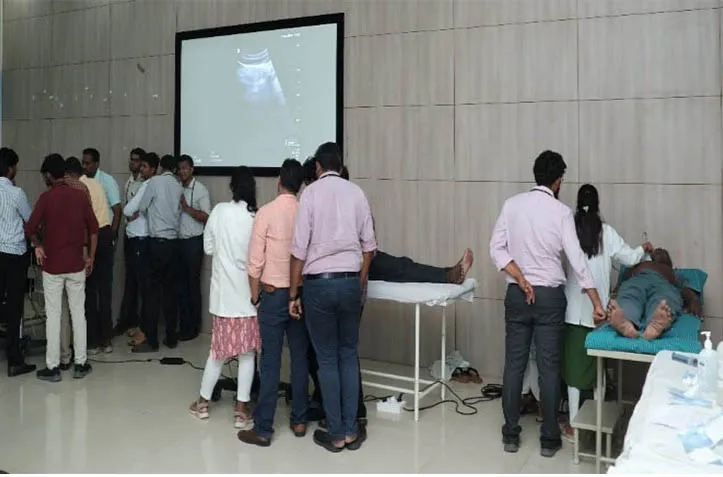
A total of 40 postgraduate students actively participated in the workshop. The program focused predominantly on hands-on training with small-group interactive sessions supervised by faculty members and trained resource persons.
The workshop covered important applications of POCUS relevant to Internal Medicine and emergency care, including:
- Focused Cardiac Ultrasound (FoCUS)
- Basic Echocardiography Windows
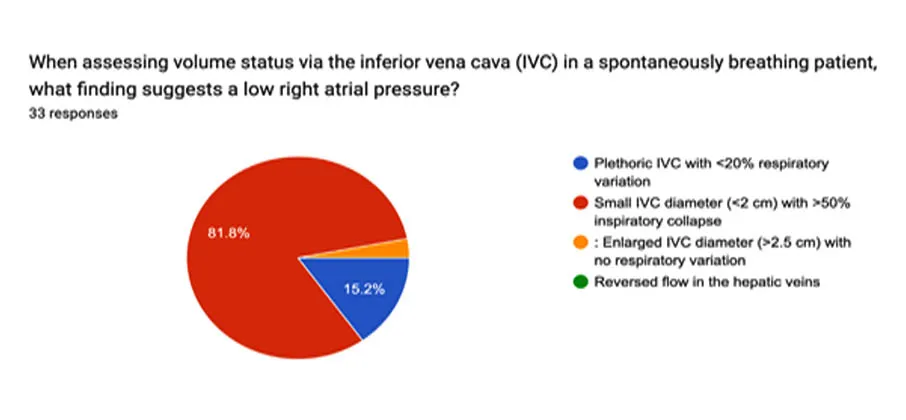
- IVC Assessment and Volume Status
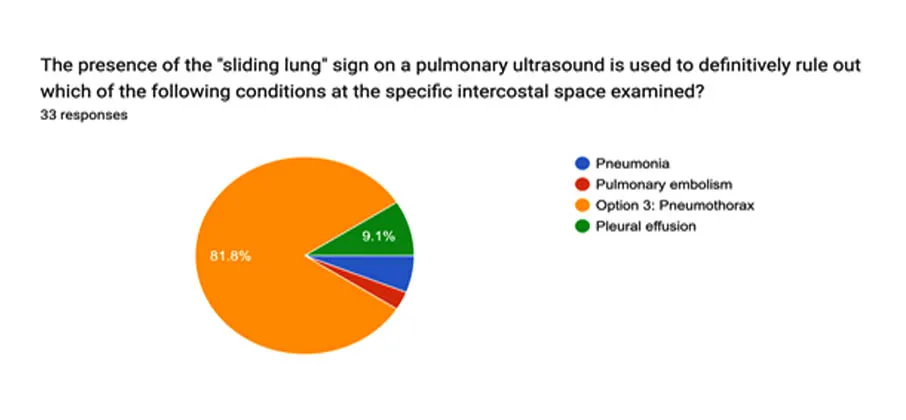
- Lung Ultrasound in Dyspnea and ICU
- FAST and eFAST Examination
- Shock Protocols in Emergency Medicine
- Ultrasound in Acute Breathlessness
- Live Demonstrations and Hands-on Training
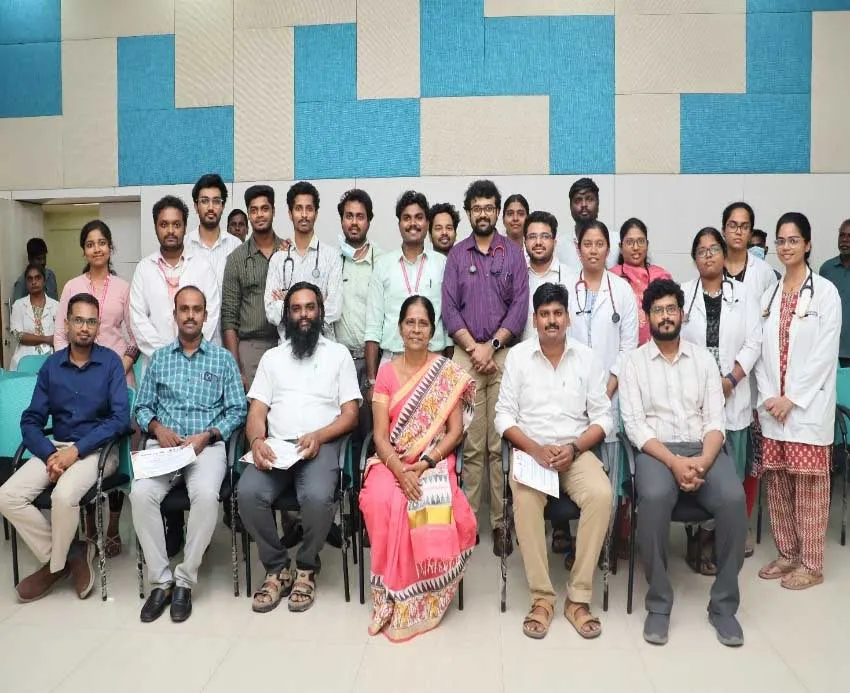
The Department of General Medicine expresses sincere gratitude to all faculty members, trainers, supporting staff, and technical teams and the volunteers for their valuable contribution toward the successful conduct of the workshop.
Pre Test
Post Test
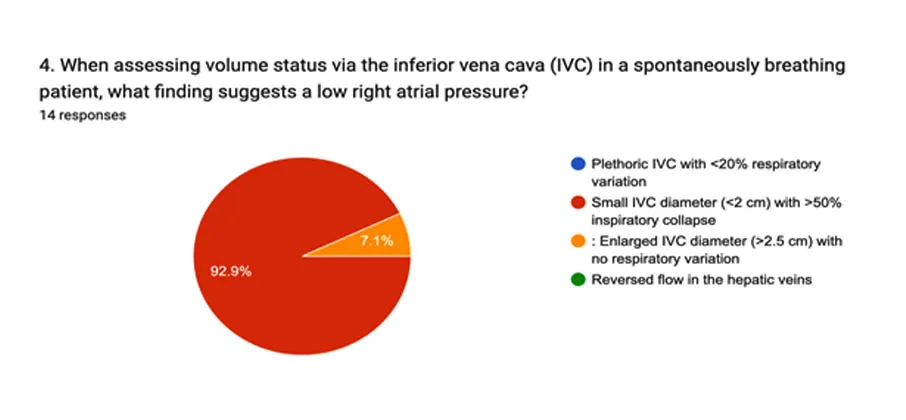
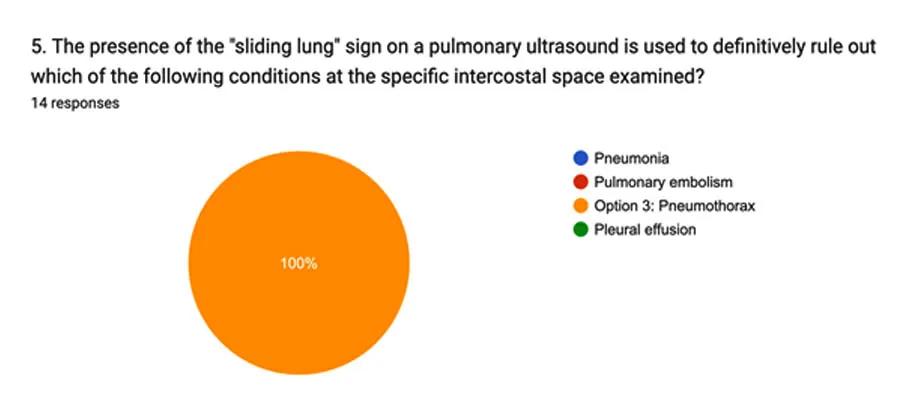
Pre-test and Post-test Analysis – POCUS Workshop
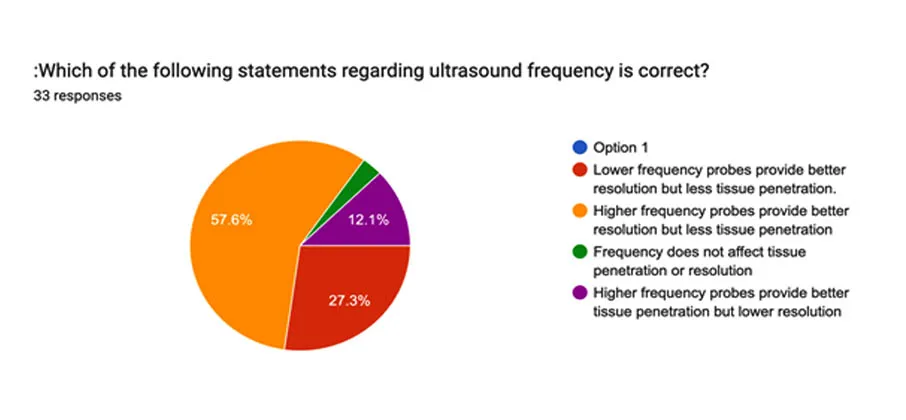
A pre-test and post-test assessment was conducted among the postgraduate participants to evaluate the effectiveness of the POCUS workshop and assess improvement in knowledge regarding ultrasound principles and emergency ultrasound applications.
Pre-test Analysis
The pre-test results demonstrated a moderate baseline understanding of ultrasound concepts among the participants.
For the question regarding ultrasound frequency and probe characteristics:
- 57.6% of participants selected the correct answer:
“Higher frequency probes provide better resolution but less tissue penetration.” - The remaining participants showed conceptual confusion regarding probe frequency, tissue penetration, and image resolution.
The findings indicated that although many students possessed basic theoretical knowledge, there were still important gaps in understanding fundamental ultrasound physics and probe selection.
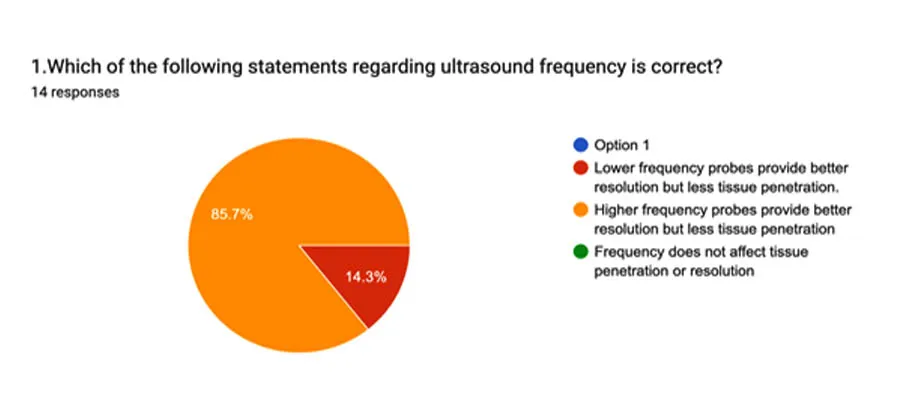
Post-test Analysis
The post-test results showed a marked improvement in participant knowledge following the workshop.
Question 1: Ultrasound Frequency Principles
- 85.7% of participants selected the correct answer regarding the relationship between probe frequency, resolution, and penetration.
- Incorrect responses reduced significantly compared to the pre-test.
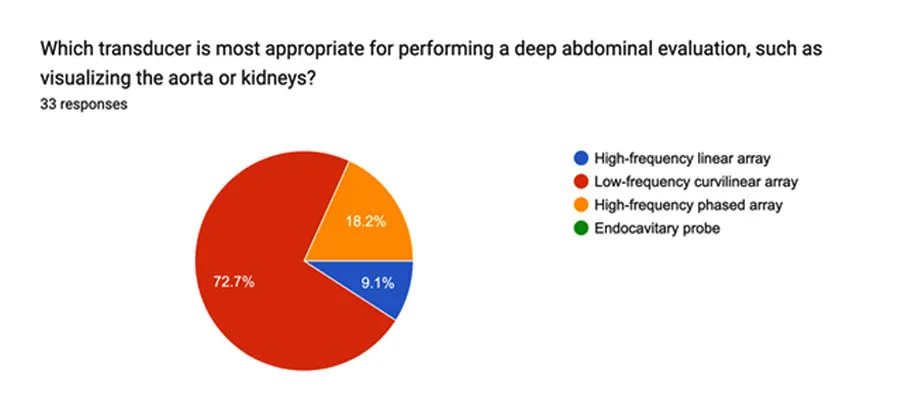
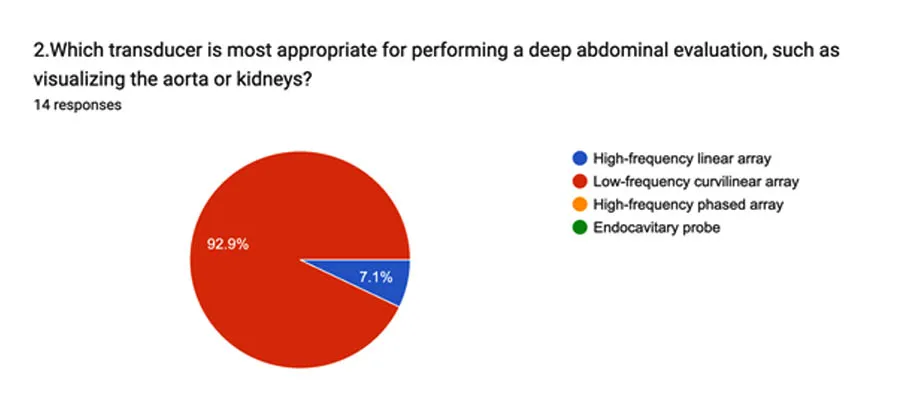
Question 2: Appropriate Probe for Deep Abdominal Evaluation
- 92.9% correctly identified the low-frequency curvilinear array probe as the ideal transducer for deep abdominal structures such as the kidneys and aorta.
- This reflects a strong understanding of probe selection after the hands-on sessions.
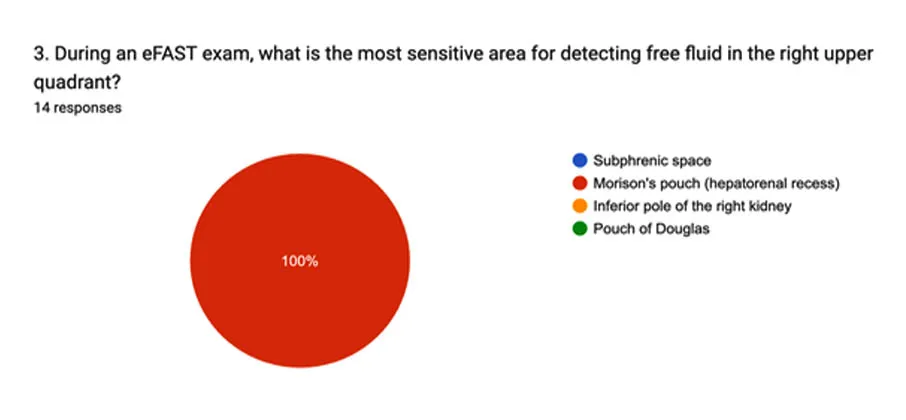
Question 3: Most Sensitive Area for Free Fluid Detection in eFAST
- 100% of participants correctly identified Morrison’s pouch (hepatorenal recess) as the most sensitive area for detecting free fluid in the right upper quadrant during eFAST examination.
- This demonstrates excellent comprehension of emergency ultrasound applications.
Comparative Interpretation
Comparison of the pre-test and post-test assessments revealed a significant improvement in theoretical understanding and application-based knowledge among the postgraduate students.
The workshop effectively enhanced:
- Understanding of ultrasound physics
- Probe selection skills
- Knowledge of emergency ultrasound protocols
- Interpretation of bedside ultrasound findings
The improvement in post-test performance reflects the effectiveness of the interactive teaching methods, live demonstrations, and extensive hands-on training sessions conducted during the workshop.
Feedback
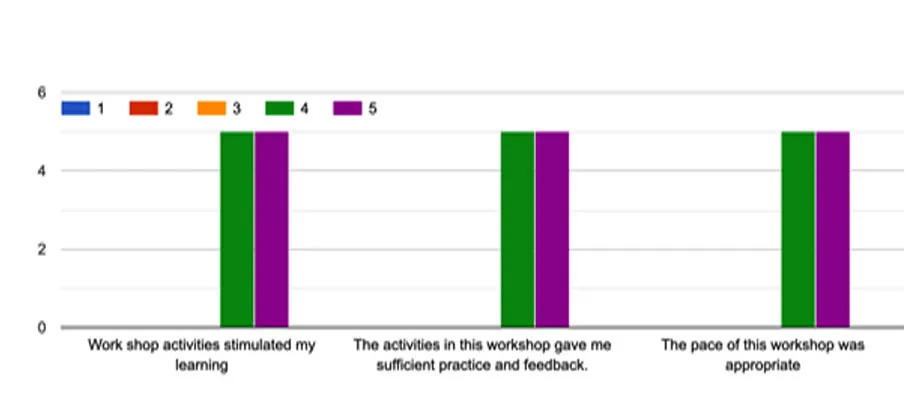
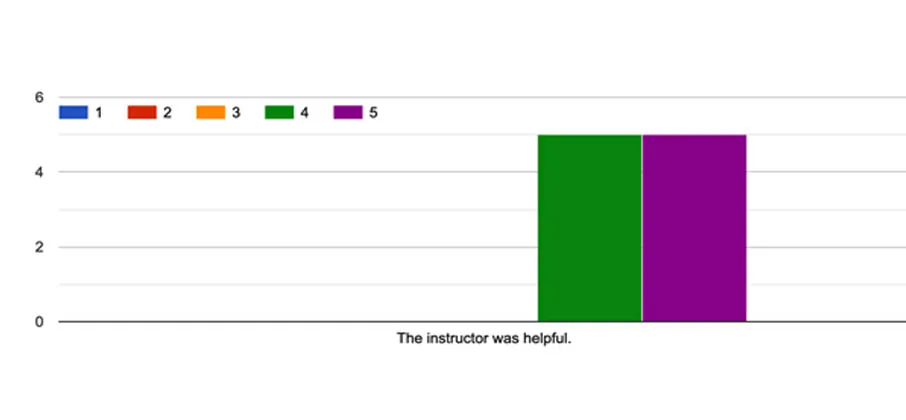
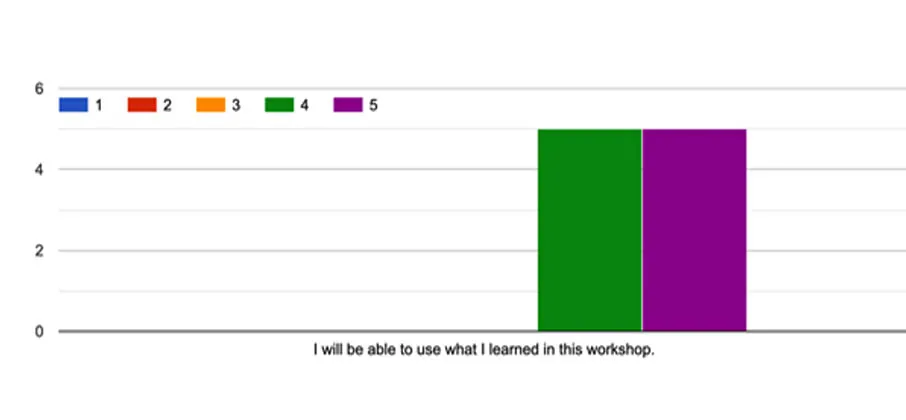
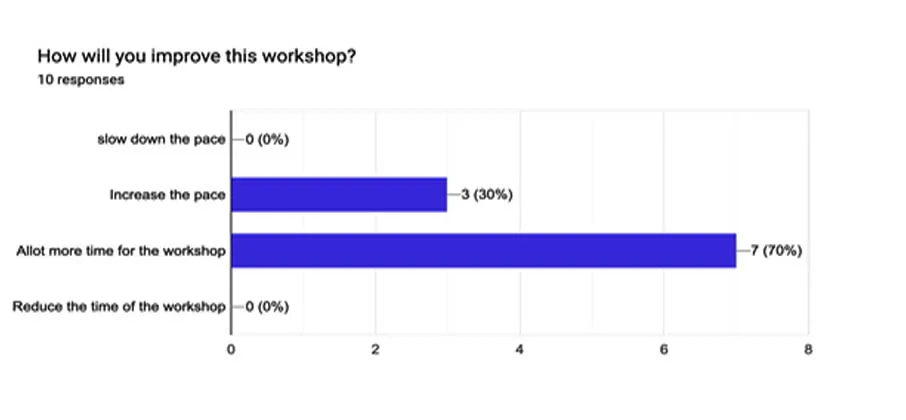
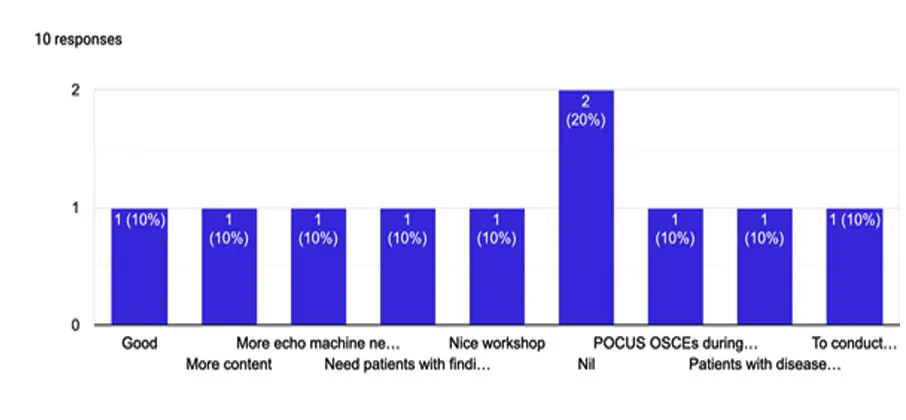
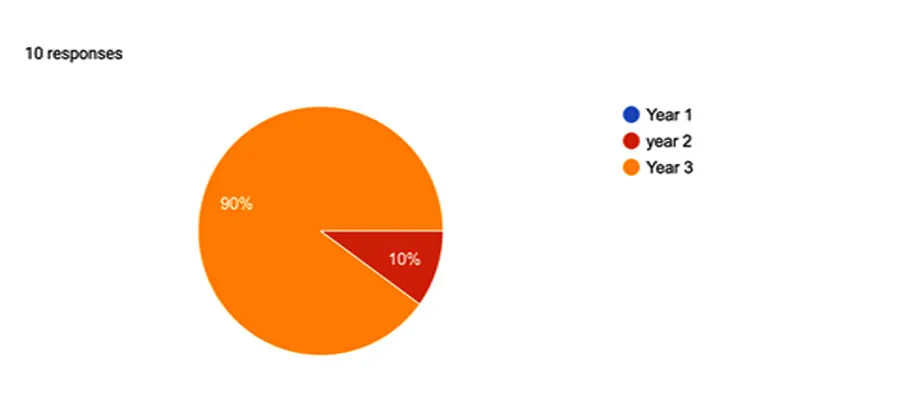
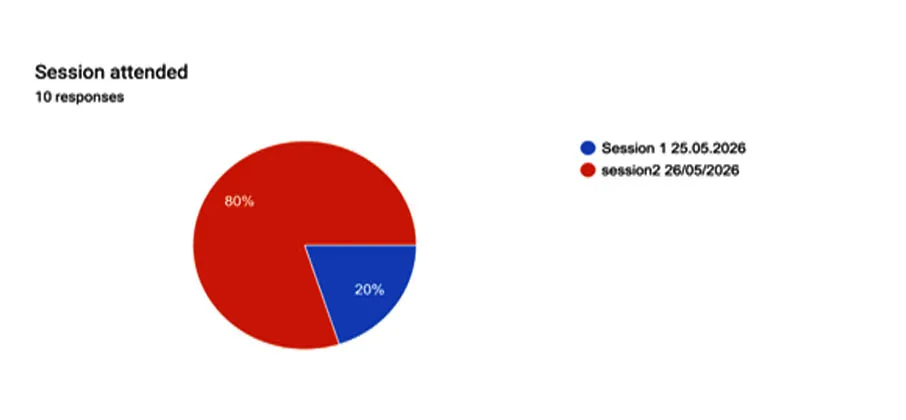
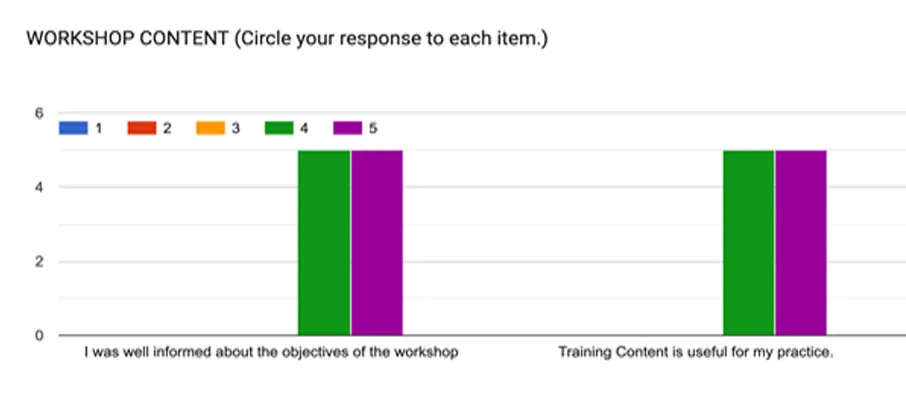
The feedback analysis demonstrated an overwhelmingly positive response from the participants. Most students rated the workshop highly, with scores predominantly between 4 and 5 on the feedback scale.
Key Observations from Feedback Learning Experience Participants reported that:
- The workshop activities effectively stimulated learning.
- The sessions were interactive, engaging, and clinically relevant.
- The workshop successfully combined theory with practical application.
Students expressed that:
- Adequate hands-on practice opportunities were provided.
- Faculty guidance during scanning sessions was helpful and supportive.
- Real-time feedback improved confidence in probe handling and image acquisition.
- The pace of the workshop was appropriate.
- Sessions were well organized and systematically conducted.
- Time allocation for demonstrations and practical sessions was satisfactory.
Participants rated the instructors highly for:
- Clarity of teaching
- Practical demonstration skills
- Approachability and interaction during hands-on sessions
- They would be able to apply the skills learned during the workshop in clinical practice.
- The training improved their confidence in bedside ultrasound assessment and emergency decision-making.
Central Lines Insertion 2026
Event Name: Central Lines Insertion
Organized By: Dept of General Medicine
Venue: Skill Lab
Date: 18-05-2026
Time: 2:00 A.M – 4:00 P.M
Participants: Postgraduates students
Target Audience: Postgraduate Medical Students
Number of Participants
- Postgraduate students: 40
- Senior residents: 4
- Total: 44 participants
Details of the Resource Person
- Dr. Chitra MBBS, MD, DNB Anaesthesia Assistant Professor, Manakula vinayagar medical college & hospital
- Dr Balaji MBBS, MD Anaesthesia Senior resident , Manakula vinayagar medical college & hospital
Co ordinators:
- Dr. Rangarajan. D.V Assistant Professor,
- Dr. N.U. Pooja, Senior Resident, Dept. of General Medicine
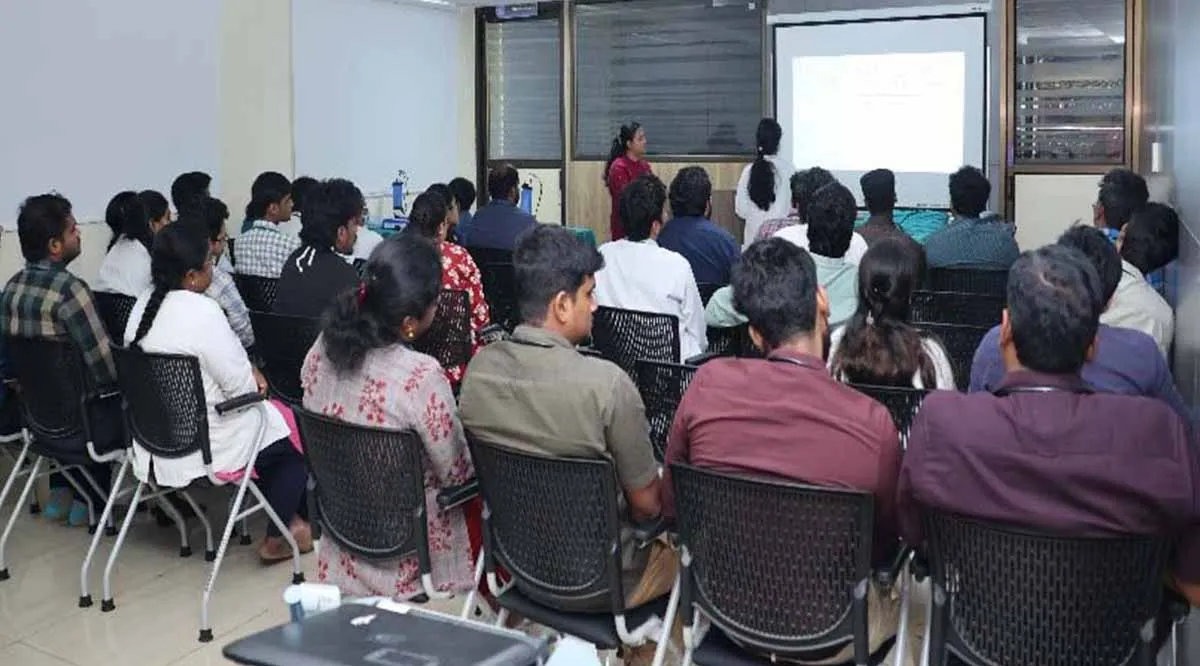
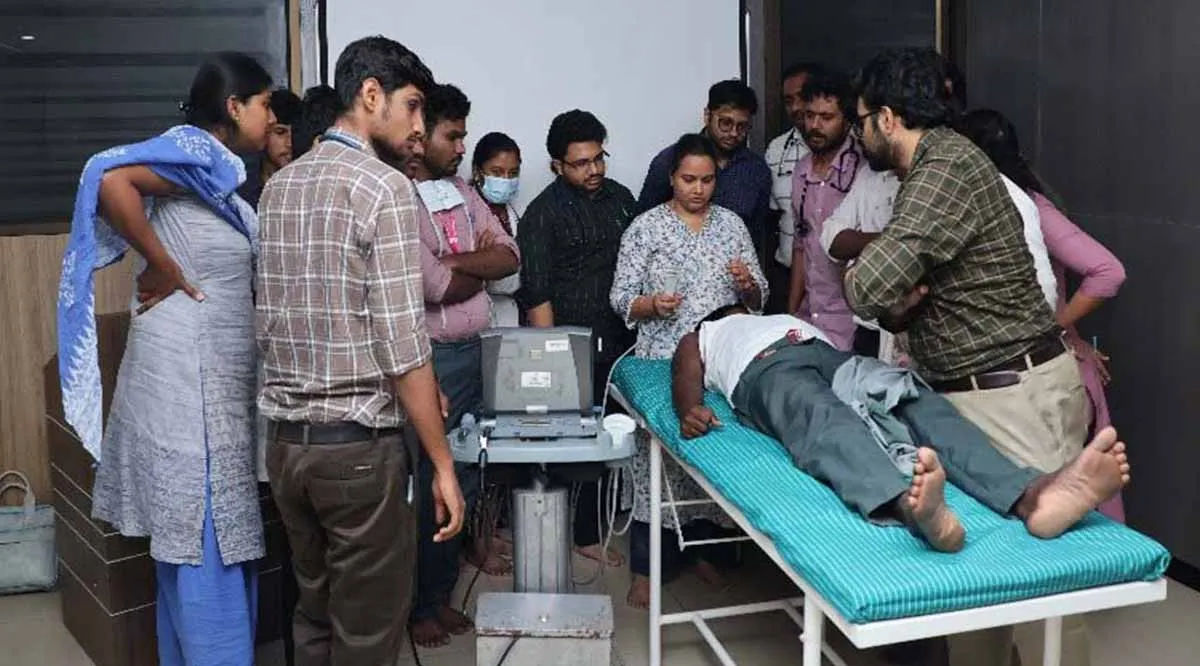
Central Line Insertion Workshop:
- Select appropriate venous access sites based on clinical situations
- Explain indications, benefits, risks, and alternatives to patients
- Obtain informed consent
- Recognize and manage complications such as pneumothorax and catheter malposition
- Perform proper documentation and post-procedure care
The programme highlighted the importance of:
- Ultrasound-guided vascular access
- Strict aseptic precautions
- Simulation-based procedural learning
- Team communication and crisis management
- Early recognition of procedural complications
Faculty members concluded the session with a detailed debriefing discussion, reinforcing key learning objectives and encouraging regular simulation-based training to improve patient safety and procedural excellence in critical care practice.
Post-test Analysis Report:
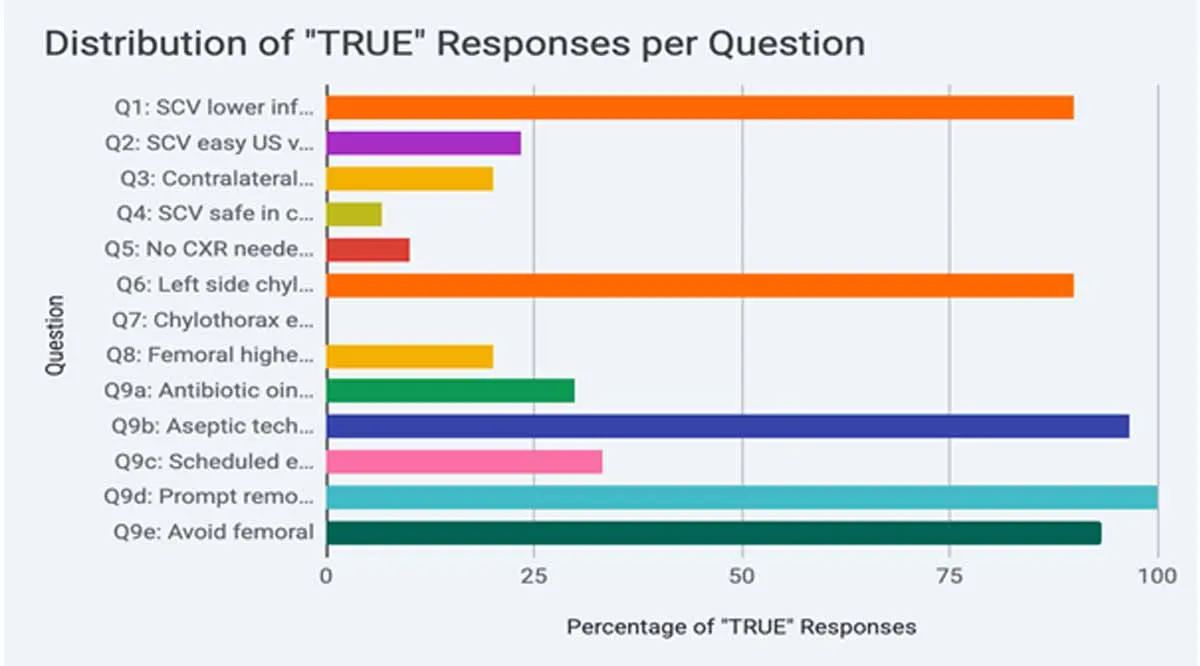
Based on the analysis of the workshop post-test responses, here are the key insights and trends identified from the 30 participants:
Summary of Pre- Post-test analysis
- Strong Consensus on Infection Control: There is a very high level of agreement among participants regarding standard infection prevention protocols.
- 100% of respondents correctly identified that prompt removal of catheters is essential once they are no longer required.
- 96.7% recognized the importance of scrupulous aseptic technique during insertion.
- 93.3% agreed that avoiding femoral venous catheterization is a proven strategy to reduce infectious complications.
- High Awareness of Procedure Risks: Participants demonstrated a solid understanding of the risks and contraindications associated with central venous cannulation
- 100% identified that chylothorax is a serious (not easily treated) complication.
- 93.3% understood that the subclavian route is not the safest approach for patients with abnormal coagulation.
- 90% correctly identified the increased risk of chylothorax when using a left-sided approach.
- Opportunities for Technical Clarification: While general knowledge is strong, some technical and evidence-based practices showed more varied responses, indicating potential areas for further training:
- Ultrasound Visualization: Only 23.3% believed the subclavian vein is easily visualized with ultrasonography, reflecting the known technical difficulty of this approach compared to others.
- Mechanical Complications: Only 20% thought mechanical complications are higher with the femoral route, which aligns with clinical data suggesting that while femoral lines have higher infection risks, subclavian lines often carry higher mechanical risks (like pneumothorax).
- Non-Recommended Practices: A minority of participants still believe that antibiotic ointments (30%) or scheduled routine exchanges (33.3%) are proven to reduce infections, despite these not being standard recommended practices.
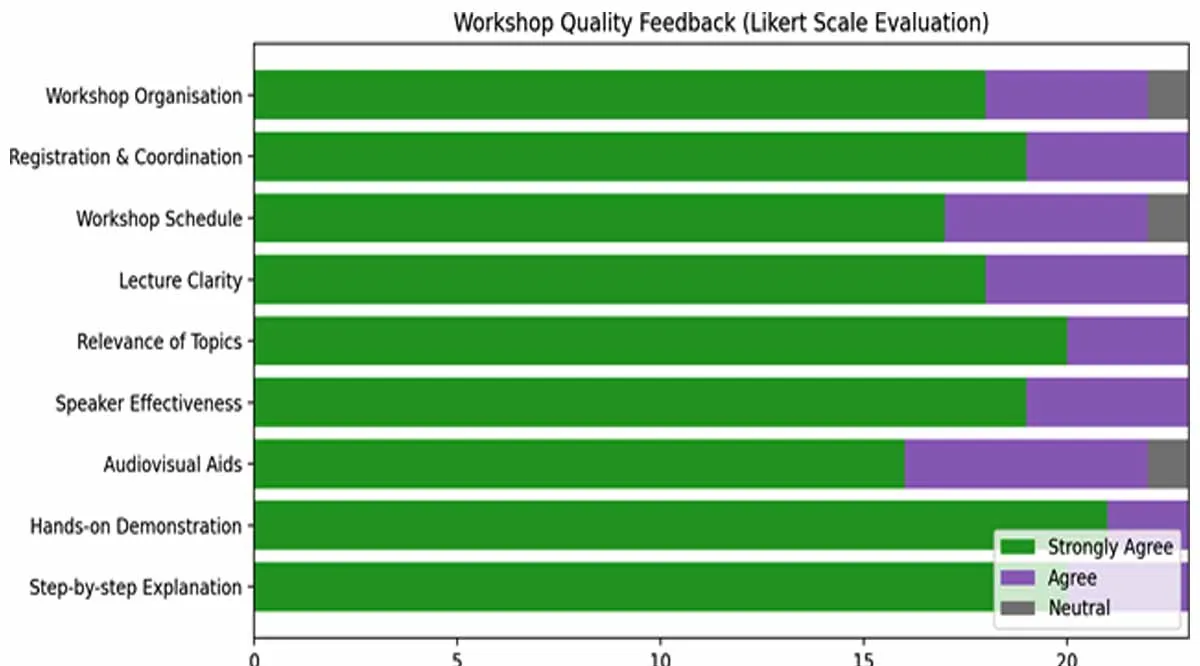
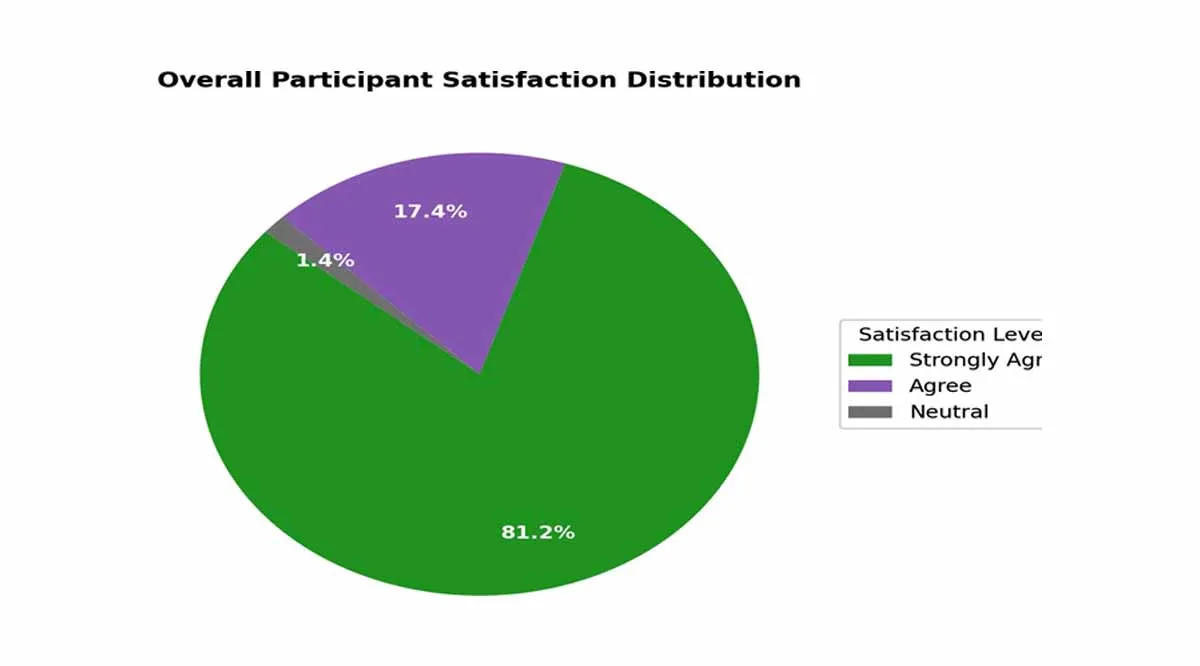
Central Venous Cannulation Workshop- Feedback – Report
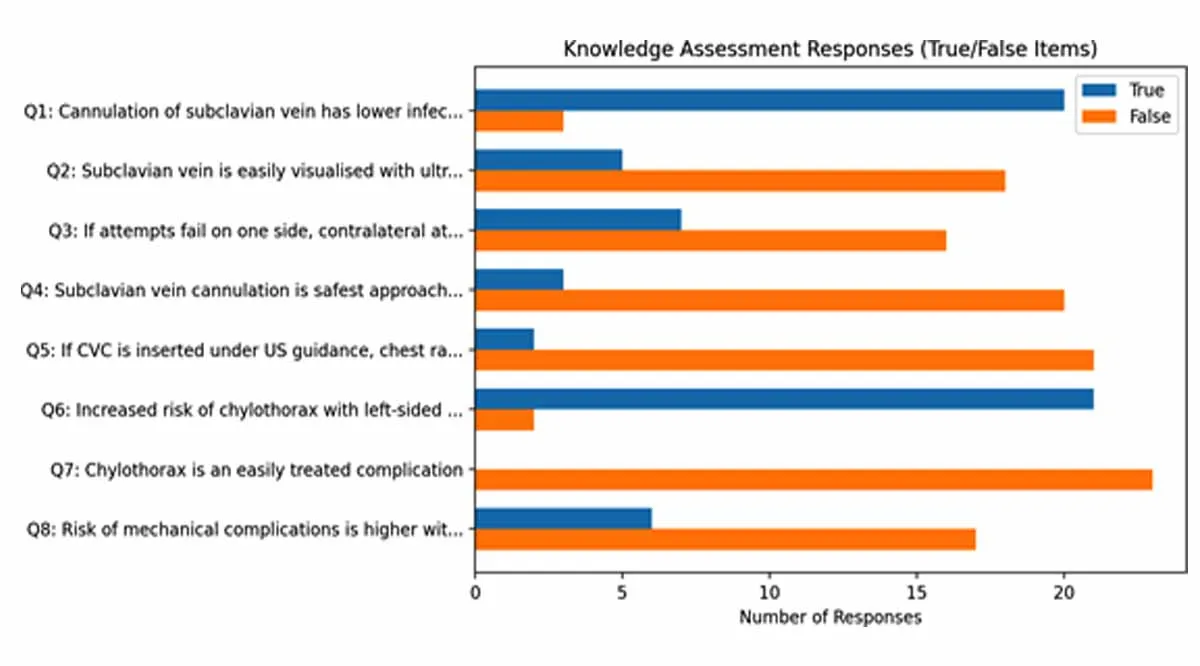
Knowledge Assessment Evaluation
Workshop Quality & Feedback Parameters
Cumulative Participant Sentiment
Airway Management 2026
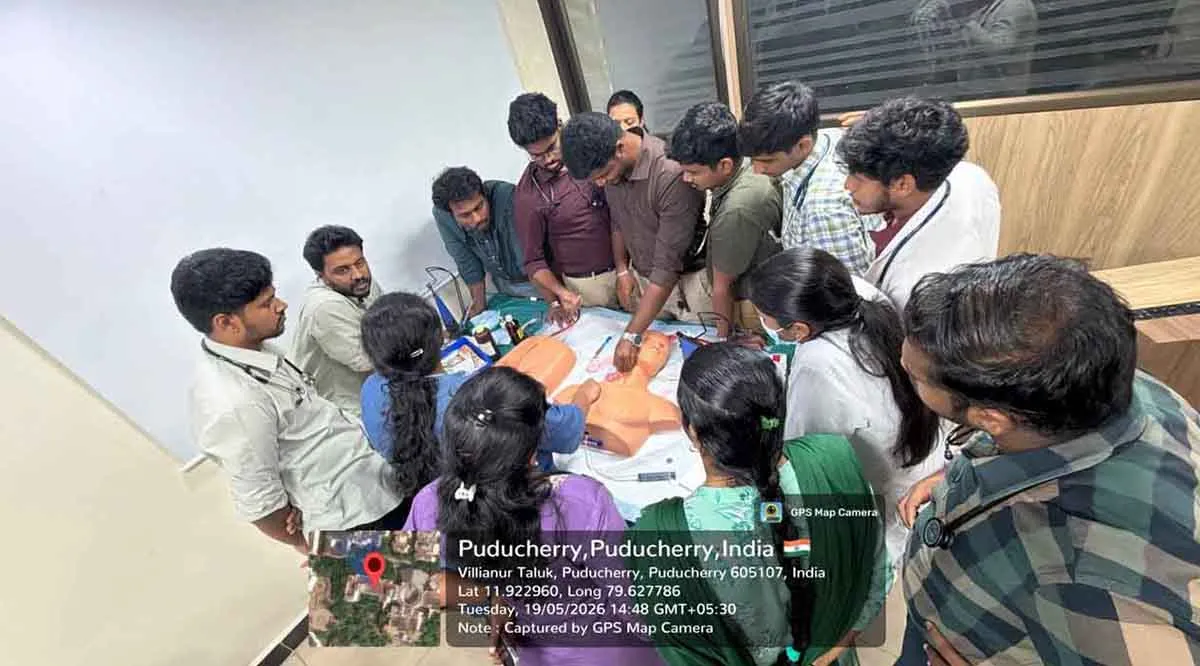
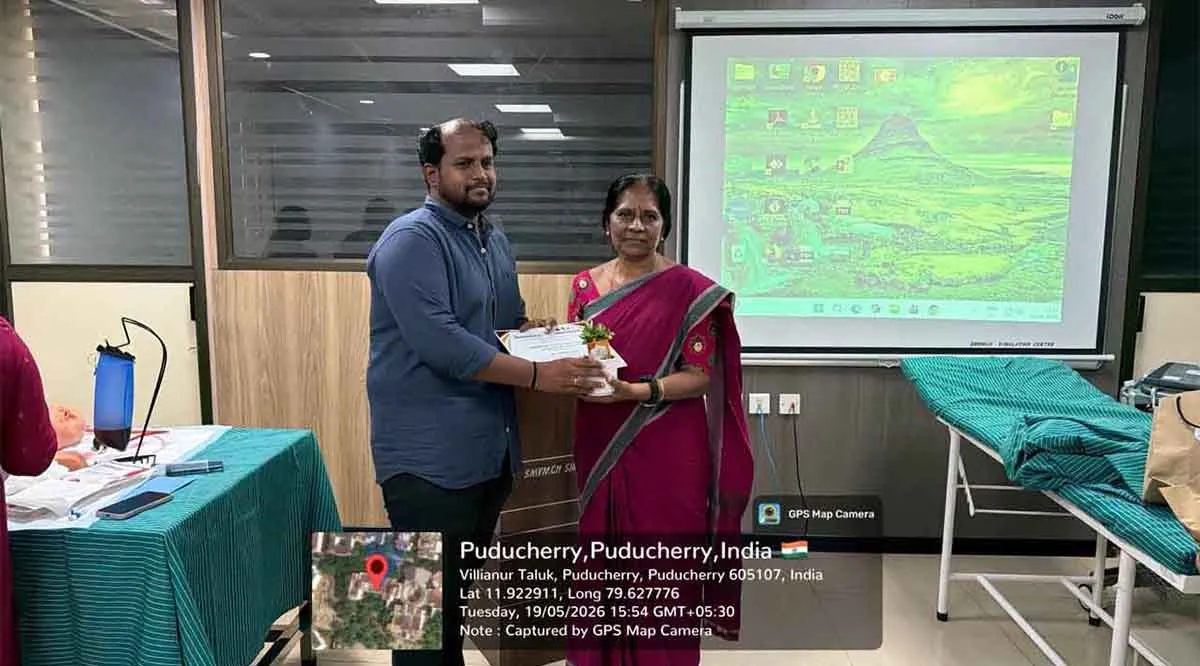
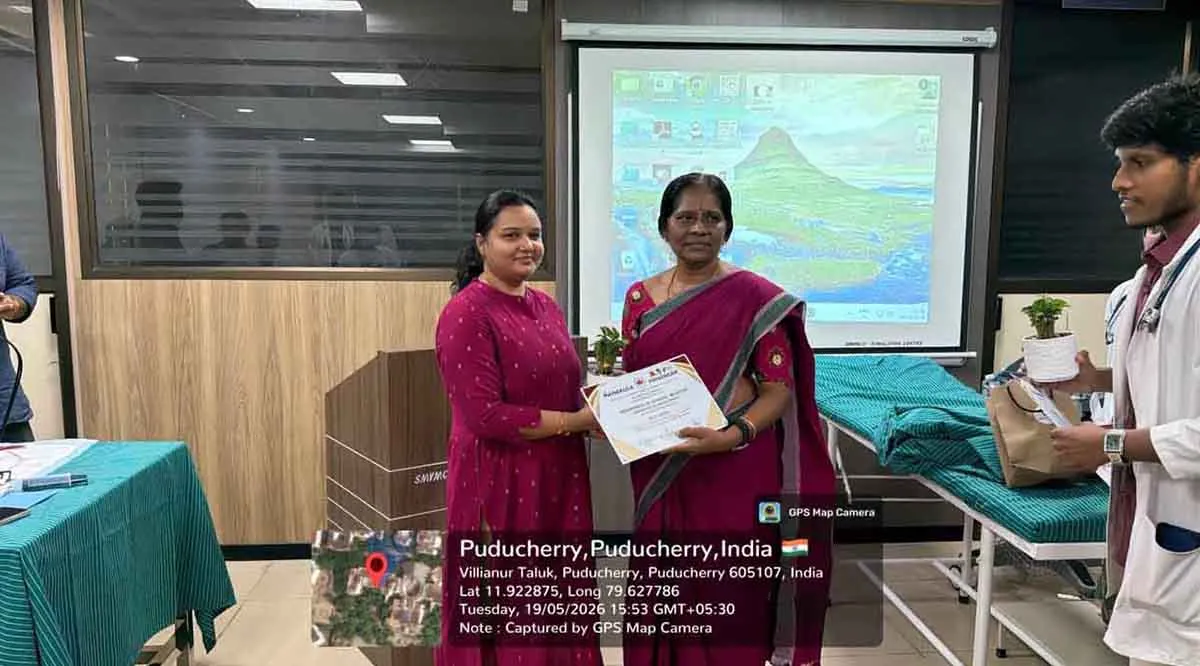
Event Name: Airway Management
Organized By: Dept of General Medicine
Venue: Skill Lab
Date: 14-05-2026
Time: 2:00 A.M – 4:00 P.M
Number of Participants Postgraduate students: 32
Details of the Resource Person
- Dr. Anitha.R, Associate Professor, Department of Emergency Medicine
- Dr. Raguram.M, Senior Resident, Department of Anaesthesiology
Airway Management Workshop
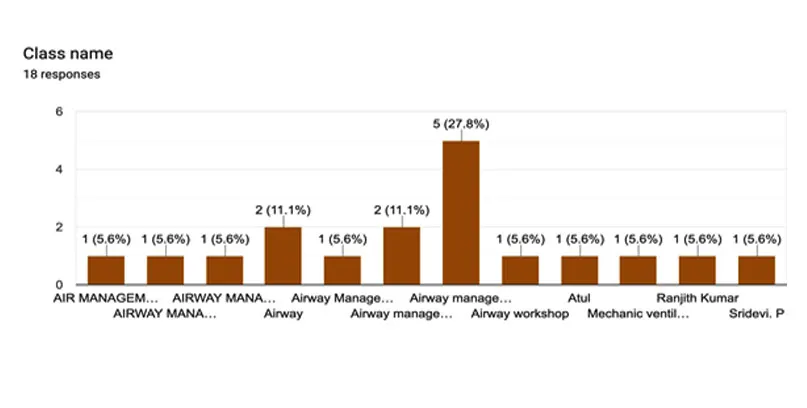
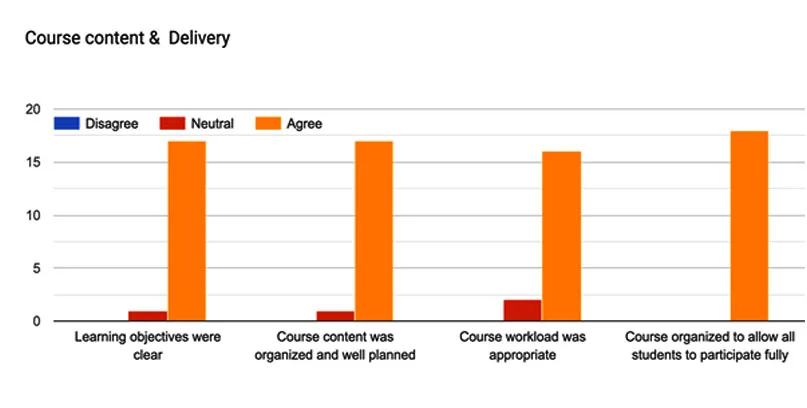
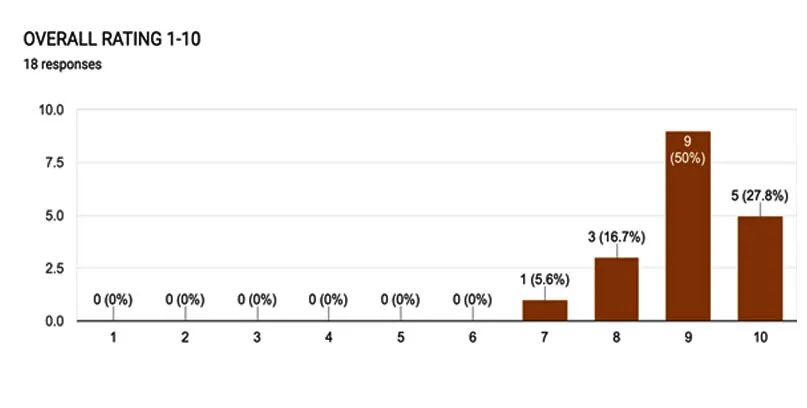
Everything was good
Content were more clear and crisp
Nil
Quiz
Lectures are helpful
Useful
Theory behind each
How would you improve this course?5 responses
More details on inducing agent and paralytics
More hands-on
More class
Good
More detail about pre medication
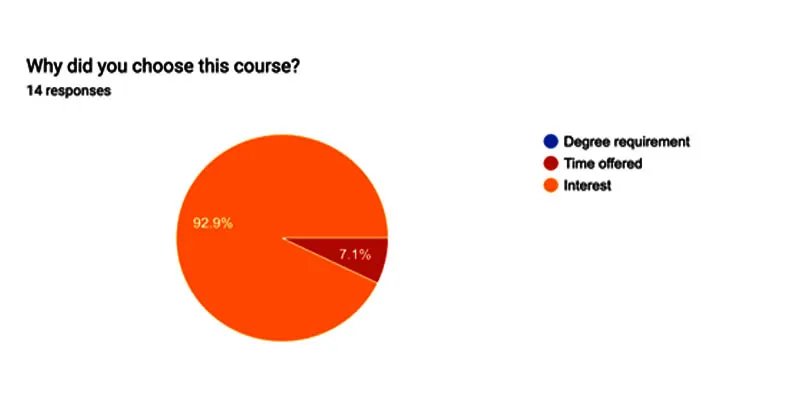
Summary of Feedback – Airway Management Refresh Workshop
Airway Management Workshop for Postgraduate Students
- Clarity of learning objectives
- Time management
- Quality of teaching
Interpretation:
Assessment & Structure
Feedback regarding:
- Pre- and post-test usefulness
- Difficulty level of questions
- Feedback provided during the session
Interpretation:
Participants appreciated:
- The structured assessment approach
- Appropriate level of questions for postgraduate training
- Constructive feedback provided during the workshop
Most Useful / Valuable Aspects
Participants particularly valued:
- Clear and concise content delivery
- Theory behind airway management techniques
- Interactive lectures and quizzes
- Concept-based teaching
Suggestions for Improvement
- Increasing hands-on exposure
- Expanding discussion on induction agents and paralytics
- More detailed coverage of premedication
- Conducting additional sessions/classes
Representative comments:
- “More hands-on”
- “More details on inducing agent and paralytics”
- “More detail about pre medication”
Overall Interpretation
The feedback also highlighted the need for:
- Expanded practical exposure
- More advanced pharmacology discussions
- Longer or additional sessions for skill reinforcement
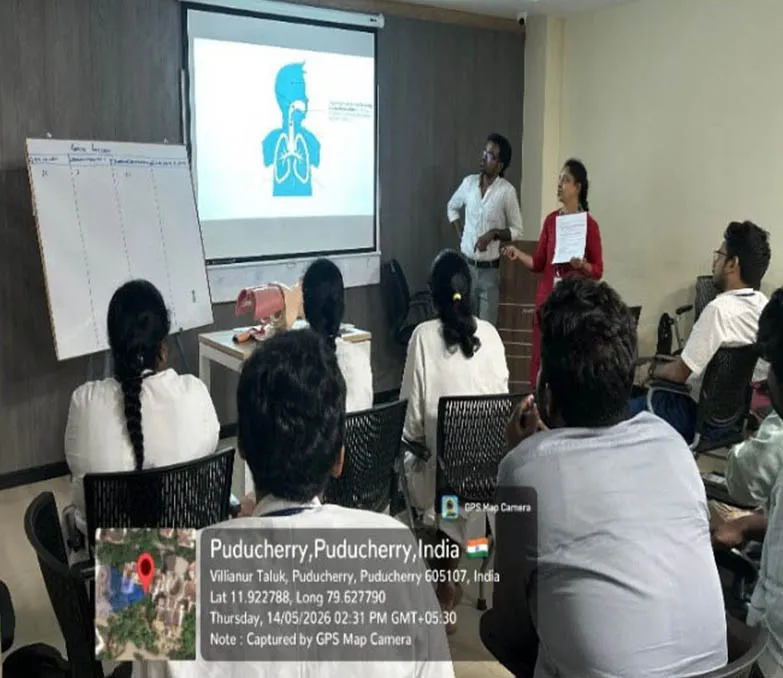
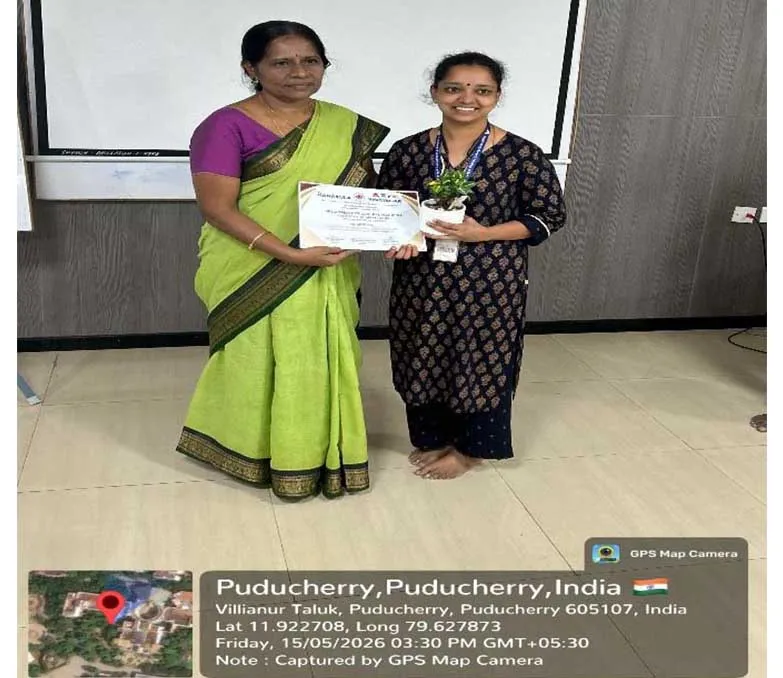
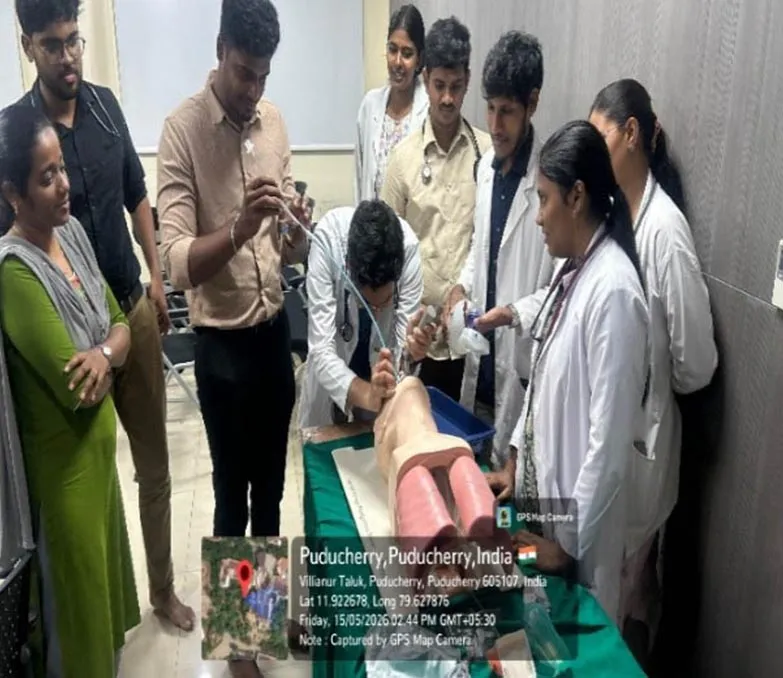
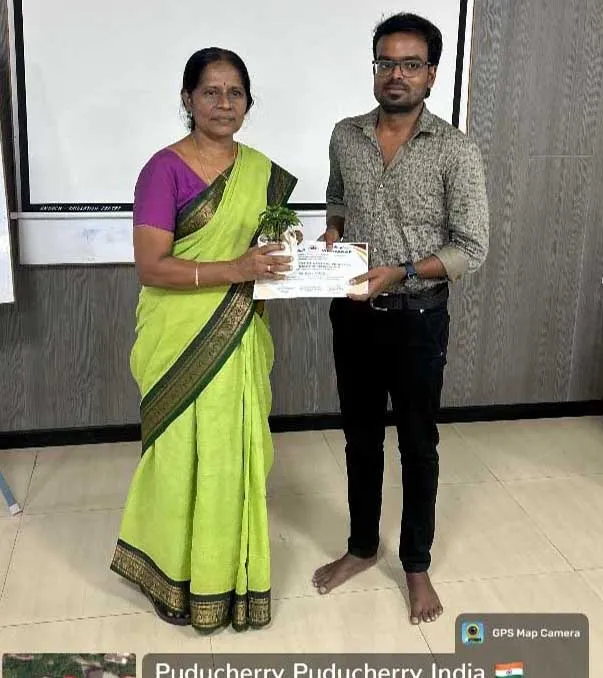
Renal Replacement Therapy Workshop for Postgraduate Students
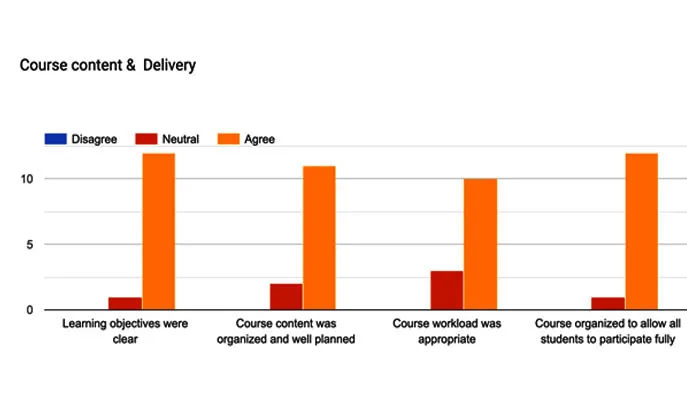
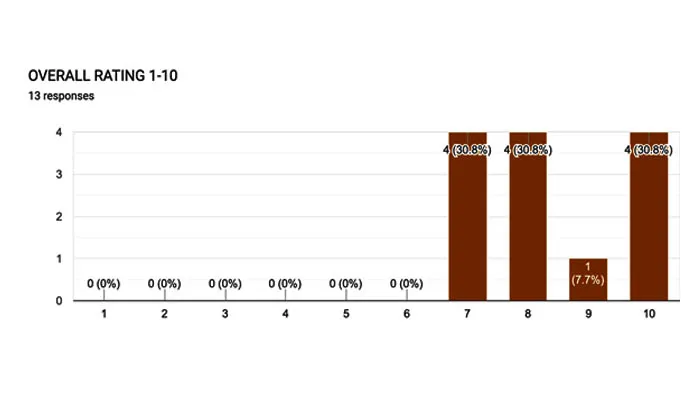
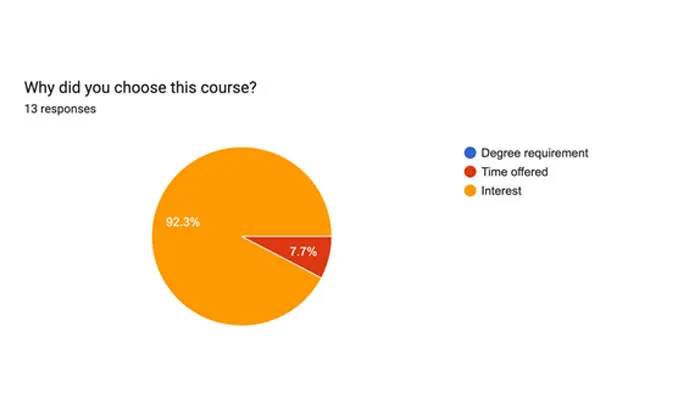
A feedback evaluation was conducted following the RRT workshop attended by postgraduate students in General Medicine. The session received an overall positive response, particularly regarding its clinical relevance, teaching quality, and hands-on learning experience.
Participation
- Total responses received: 13
Quantitative Feedback Summary
Session Quality
Participants rated the following domains highly (predominantly in the Good–Excellent range):
- Clarity of learning objectives
- Time management
- Quality of teaching
The majority of participants perceived the workshop as:
- Well structured
- Clinically relevant
- Easy to follow
Assessment & Structure
Feedback regarding:
- Pre- and post-test usefulness
- Difficulty level of questions
- Feedback provided during the session
was largely rated as Good to Excellent, indicating that the assessment format was appropriate and helpful for reinforcing learning objectives.
Qualitative Feedback
Most Useful / Valuable Aspects
Participants particularly appreciated:
- CRRT-focused teaching
- Hands-on exposure
- Demonstration of techniques
- Practical applicability in ICU settings
Representative comments included:
- CRRT-focused teaching
- Hands-on exposure
- Demonstration of techniques
- Practical applicability in ICU settings
Suggestions for Improvement
Common suggestions included:
- Increasing the duration of hands-on sessions
- Conducting more such workshops/classes
- Improving time allocation and scheduling
- Expanding practical training opportunities
Representative comments:
- “More classes”
- “More time”
- “Hands-on training should improve”
Overall Interpretation
Summary of Feedback – RRT Workshop
The workshop was well received and successfully met its objective of improving understanding of renal replacement therapy, particularly CRRT, among postgraduate trainees. Participants valued the practical and interactive nature of the program and expressed interest in additional advanced hands-on sessions in the future.
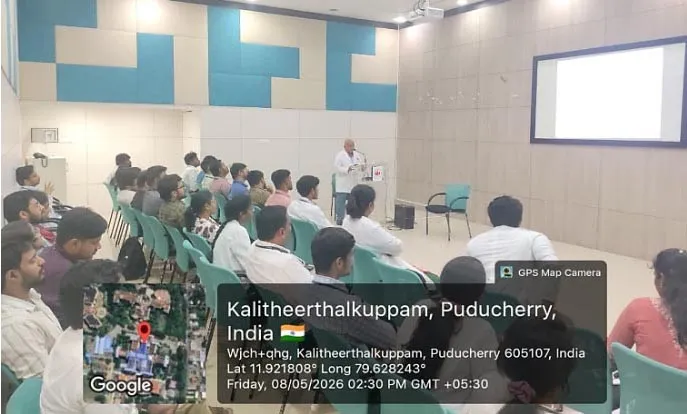
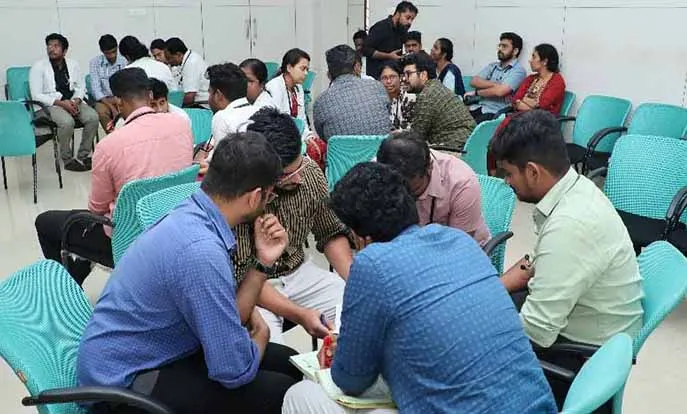
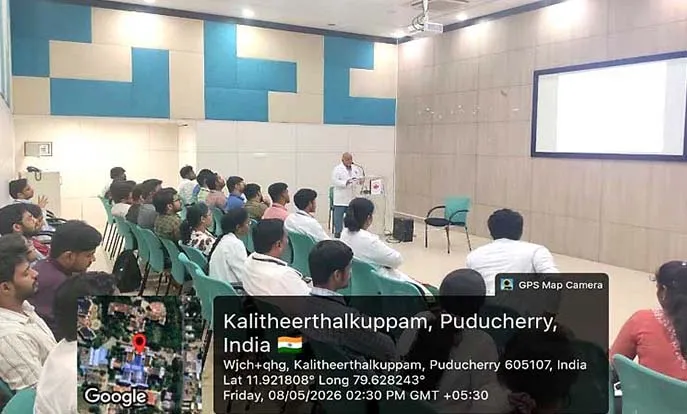
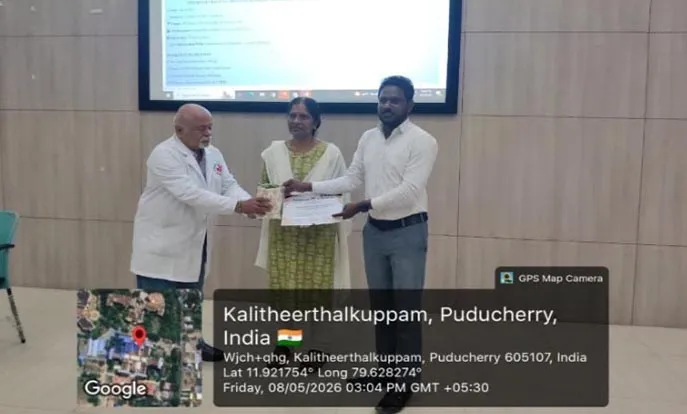
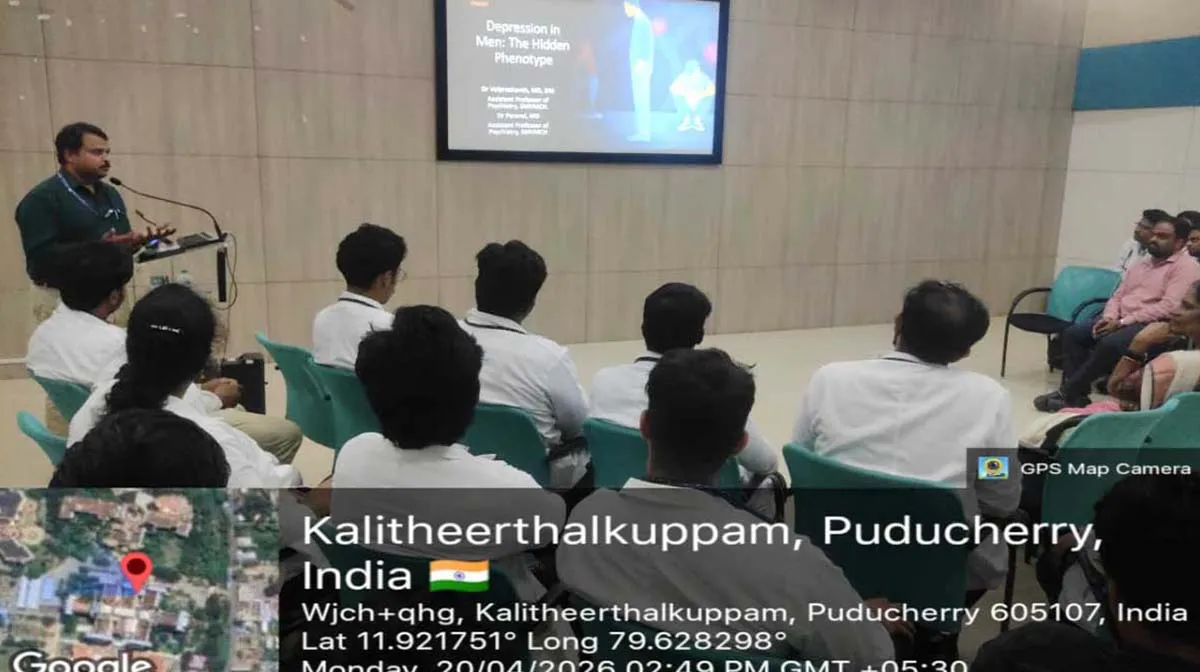
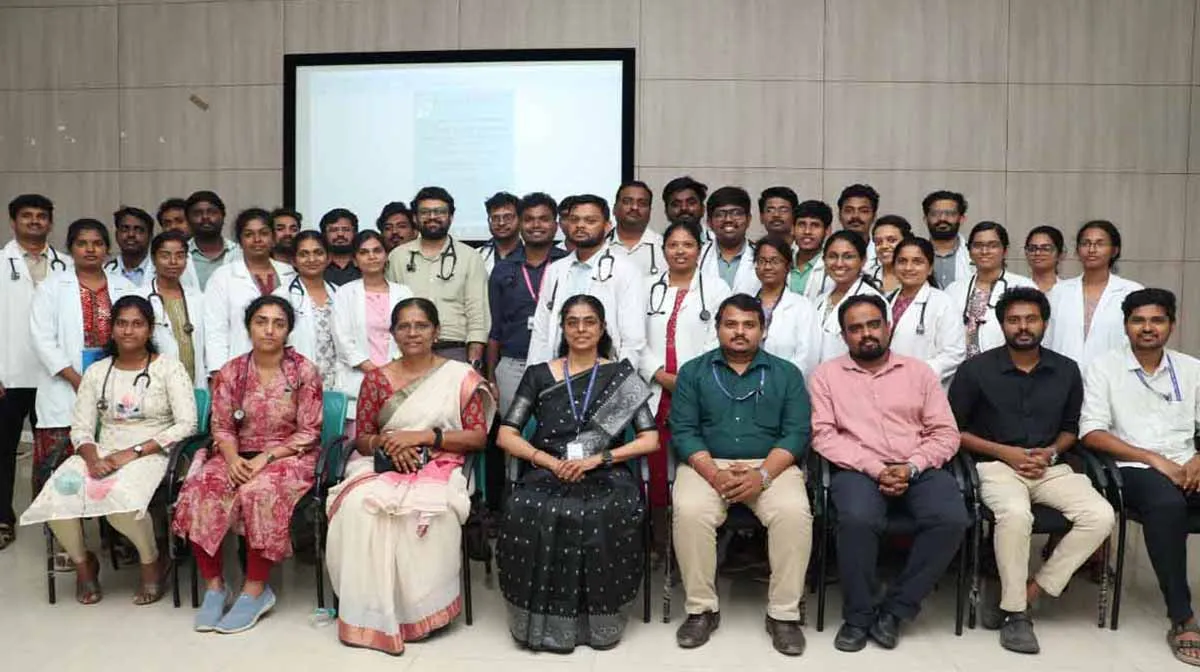
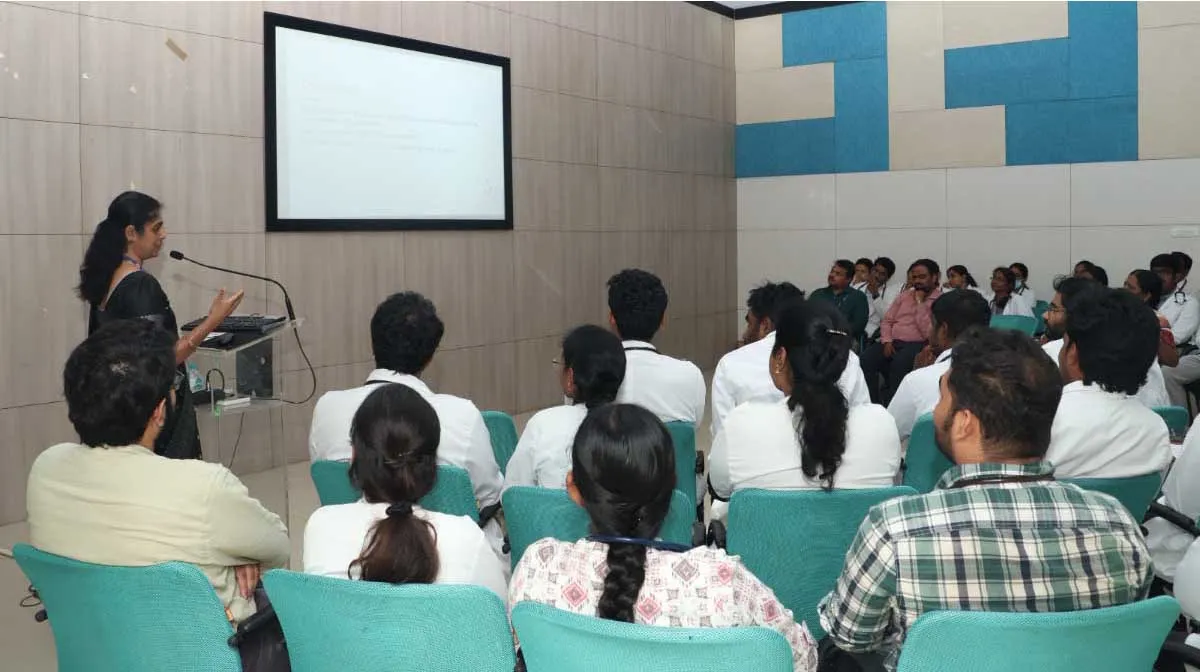
Gender equality awareness program- Invisible Bias: Gender Influences in Clinical Medicine
Nature of the Program: Offline
Date: 20.04.2026
Time: 02.00 pm to.03.30 am
Venue: SMVMCH- 4th floor Conference Hall
Organizing Team: General Medicine
Theme of the Program: “Invisible Bias: Gender Influences in Clinical Medicine- Case based interactive learning”
Objectives
- To sensitize postgraduate students to gender bias in clinical practice
- To highlight the impact of gender on diagnosis, treatment, and outcomes
- To promote gender-sensitive and equitable clinical decision-making
Summary of the Program
- This academic activity was conducted as a case-based interactive session focusing on the role of gender in clinical medicine. The session encouraged active participation from postgraduate students, with expert insights provided by invited resource persons. The program was attended by—PG students _– faculty.
- The discussion centered on two key areas:
- Gender-specific issues in women with cardiac disease
- Recognition and challenges of depression in men
Resource Persons
- T.S. Ashida, Head of Department, Cardiology
- V. Velprashanth,Assistant Professor & Dr. S. Perarul Assistant Professor Department of Psychiatry
Session Highlights
Cardiology Session
Key points discussed:
- Atypical presentation of cardiac symptoms in women
- Influence of gender on diagnostic delays
- Role of estrogen and anatomical differences in cardiovascular disease
- Higher risk of missed diagnosis and poorer prognosis in women
- Importance of maintaining a high index of suspicion, especially in women presenting with non-specific symptoms like fatigue
- Need for increased awareness and screening for cardiovascular disease in women
Psychiatry Session
The psychiatry expert presented a case scenario of a male professional with high ambition, stress, and reluctance to express emotional distress.
Key discussion points:
- Atypical presentation of depression in men
- Tendency to suppress emotional symptoms
- Association with stress, burnout, and behavioral changes
- Challenges in early recognition and diagnosis
- Importance of screening and addressing stigma related to mental health in men
Interactive Component
- Active participation from postgraduate students
- Case-based questioning and discussion
- Real-time clinical reasoning and decision-making
- Clarification of misconceptions related to gender bias
The program concluded with:
- Feedback from postgraduate students
- Reflection on key learning points
- Emphasis on incorporating gender-sensitive approaches in daily clinical practice.
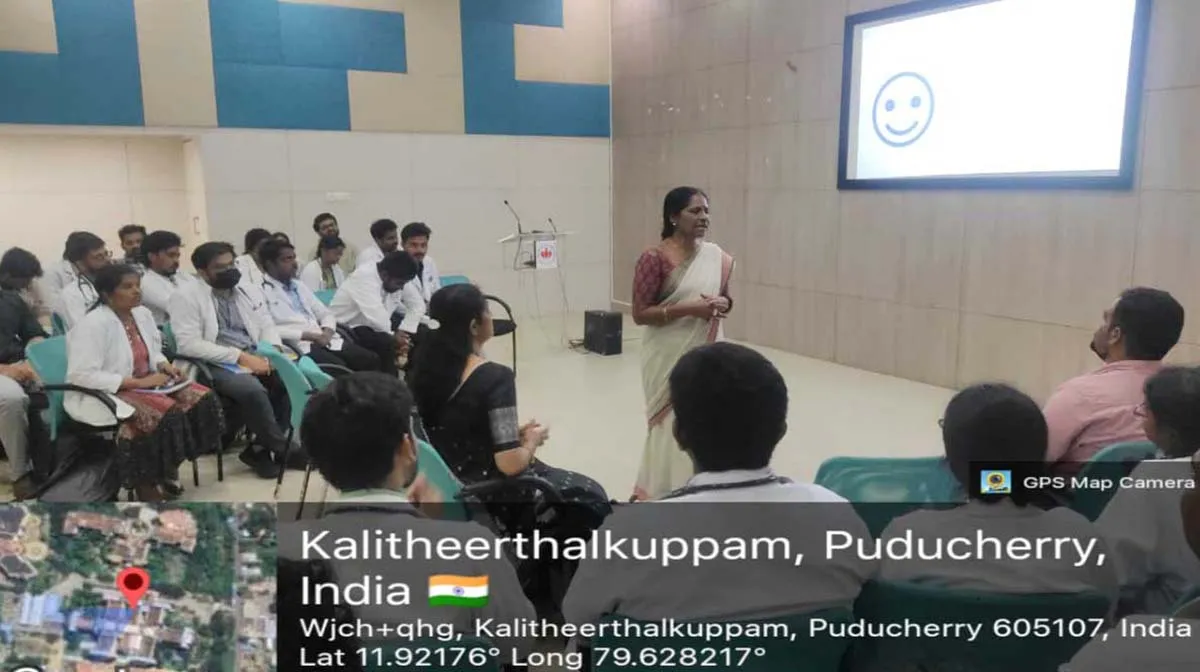
Dialysis in Critical care 2026
Event Name: Dialysis in Critical care
Organized By: Dept of General Medicine
Venue: Conference hall IV Floor
Date: 08-05-2026
Time: 2:00 A.M – 4:00 P.M
Organizing Team: Department of General Medicine
Theme of the Program: Postgraduate Medical Students
Number of Participants Postgraduate students: 35
Co- ordinators
- Dr. K. Rahul,Senior Resident, Departments of General Medicine
- Dr. P. Ragavi, Senior Resident, Departments of General Medicine
Details of the Resource Person
- Dr. P. Ravikumar, Professor and Head, Dept of Nephrology, SMVMCH, Puducherry.
- Vantive Anbarasan S Nathan, Clinical Baxter Lead
Awareness Programme on Dialysis in Critical Care
An awareness programme on “Dialysis in Critical Care” was y organized by the Department of General Medicine, Sri Manakula Vinayagar Medical College and Hospital (SMVMCH) as a Workshop programme for postgraduate medical students.
During the session, Dr. Ravikumar discussed in detail the indications for initiating renal replacement therapy in critically ill patients, including acute kidney injury, severe metabolic acidosis, electrolyte imbalance, fluid overload, toxin removal, and uremic complications. He emphasized the importance of timely intervention and clinical decision-making in improving patient outcomes in the intensive care unit.
The workshop provided comprehensive insights into the various modalities of dialysis used in critical care beyond conventional hemodialysis, including Continuous Renal Replacement Therapy (CRRT), Sustained Low Efficiency Dialysis (SLED), and peritoneal dialysis in selected ICU settings. The advantages, limitations, and clinical applications of each modality were explained with practical examples and case-based discussions.
Dr. Ravikumar also elaborated on vascular access, anticoagulation strategies, hemodynamic monitoring, fluid balance assessment, and the challenges encountered while managing critically ill patients undergoing dialysis. Special emphasis was laid on individualized patient care, multidisciplinary coordination, and the role of intensivists in optimizing renal support therapy.
The session further highlighted ICU-based applications of renal replacement therapy in patients with sepsis, multi-organ dysfunction syndrome, poisoning, and severe electrolyte disturbances. Recent advances in critical care nephrology and evidence-based approaches to dialysis management were also discussed.
The interactive workshop enabled participants to gain better understanding of dialysis modalities in critical care practice and enhanced their knowledge regarding the practical implementation of renal replacement therapy in ICU settings.
The programme was highly informative and beneficial for the participants, providing valuable clinical insights into the evolving role of renal replacement therapy in modern critical care management.
The programme was attended by approximately 35 postgraduate students, and faculty members from the Department of General Medicine. The interactive nature of the session encouraged active participation and discussion among the attendees.
The programme concluded with a vote of thanks proposed by the Head of the Department of General Medicine, acknowledging the valuable contribution of the speaker.
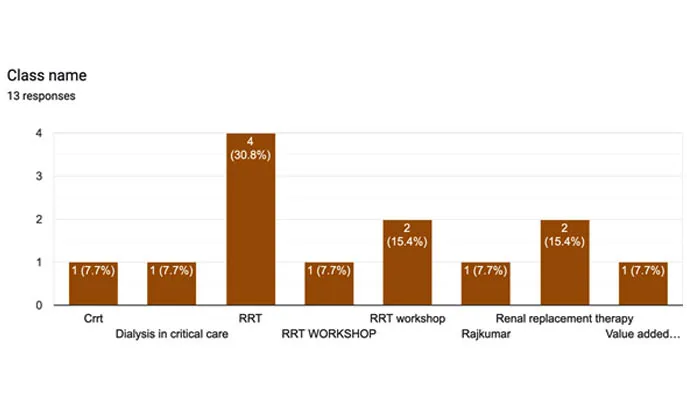
CRRT
It’s very useful and had a better hands on opportunity
Yes
Hands on Demonstration of techniques
CRRT class
How would you improve this course? 6 responses More classes
Nothing
More time
Hands on training should improve
Time management
Hands on
Summary of Feedback – RRT Workshop
Renal Replacement Therapy Workshop for Postgraduate Students
Participation
- Total responses received: 13
Quantitative Feedback Summary
Session Quality
Participants rated the following domains highly (predominantly in the Good–Excellent range):
- Clarity of learning objectives
- Time management
- Quality of teaching
The majority of participants perceived the workshop as:
- Well structured
- Clinically relevant
- Easy to follow
Assessment & Structure
Feedback regarding:
- Pre- and post-test usefulness
- Difficulty level of questions
- Feedback provided during the session
Qualitative Feedback
Most Useful / Valuable Aspects
Participants particularly appreciated:
- CRRT-focused teaching
- Hands-on exposure
- Demonstration of techniques
- Practical applicability in ICU settings
Representative comments included:
- CRRT-focused teaching
- Hands-on exposure
- Demonstration of techniques
- Practical applicability in ICU settings
Suggestions for Improvement
Common suggestions included:
- Increasing the duration of hands-on sessions
- Conducting more such workshops/classes
- Improving time allocation and scheduling
- Expanding practical training opportunities
Representative comments:
- “More classes”
- “More time”
- “Hands-on training should improve”
Overall Interpretation
The workshop was well received and successfully met its objective of improving understanding of renal replacement therapy, particularly CRRT, among postgraduate trainees. Participants valued the practical and interactive nature of the program and expressed interest in additional advanced hands-on sessions in the future.
Gender equality awareness program- Invisible Bias: Gender Influences in Clinical Medicine
Nature of the Program: Offline
Date: 20.04.2026
Time: 02.00 pm to.03.30 am
Venue: SMVMCH- 4th floor Conference Hall
Organizing Team: General Medicine
Theme of the Program: “Invisible Bias: Gender Influences in Clinical Medicine- Case based interactive learning”
Objectives
- To sensitize postgraduate students to gender bias in clinical practice
- To highlight the impact of gender on diagnosis, treatment, and outcomes
- To promote gender-sensitive and equitable clinical decision-making
Summary of the Program
- This academic activity was conducted as a case-based interactive session focusing on the role of gender in clinical medicine. The session encouraged active participation from postgraduate students, with expert insights provided by invited resource persons. The program was attended by—PG students _– faculty.
- The discussion centered on two key areas:
- Gender-specific issues in women with cardiac disease
- Recognition and challenges of depression in men
Resource Persons
- T.S. Ashida, Head of Department, Cardiology
- V. Velprashanth,Assistant Professor & Dr. S. Perarul Assistant Professor Department of Psychiatry
Session Highlights
Cardiology Session
Key points discussed:
- Atypical presentation of cardiac symptoms in women
- Influence of gender on diagnostic delays
- Role of estrogen and anatomical differences in cardiovascular disease
- Higher risk of missed diagnosis and poorer prognosis in women
- Importance of maintaining a high index of suspicion, especially in women presenting with non-specific symptoms like fatigue
- Need for increased awareness and screening for cardiovascular disease in women
Psychiatry Session
The psychiatry expert presented a case scenario of a male professional with high ambition, stress, and reluctance to express emotional distress.
Key discussion points:
- Atypical presentation of depression in men
- Tendency to suppress emotional symptoms
- Association with stress, burnout, and behavioral changes
- Challenges in early recognition and diagnosis
- Importance of screening and addressing stigma related to mental health in men
Interactive Component
- Active participation from postgraduate students
- Case-based questioning and discussion
- Real-time clinical reasoning and decision-making
- Clarification of misconceptions related to gender bias
The program concluded with:
- Feedback from postgraduate students
- Reflection on key learning points
- Emphasis on incorporating gender-sensitive approaches in daily clinical practice.
CME - Awareness Programme on Brain Stem Death and Organ Donation
Event Name: Brain Stem Death and Organ Donation
Nature of the Program : Offline
Organized By: Department of General Medicine, SMVMCH
Venue: Lecture Hall V
Date: 08-01-2026
Time: 2:00P.M – 3:00 P.M
Participants:
Postgraduates and Final Year MBBS students
Target Audience
Undergraduate and Postgraduate Medical Students
Number of Participants
- Undergraduate students: 120
- Postgraduate students: 30
- Total: 150 participants
Details of the Resource Person
Dr. S. Manikanda Prabhu, MBBS, DNB – General Surgery,
DNB – Peripheral Vascular Surgery,
Joint Director, SOTTO, Puducherry.
Awareness Programme on Brain Stem Death and Organ Donation
An awareness programme on “Brain Stem Death and Organ Donation” was jointly organized by SOTTO Puducherry and the Department of General Medicine, Sri Manakula Vinayagar Medical College and Hospital (SMVMCH) as a Continuing Medical Education (CME) programme for medical students.
The programme was conducted on Thursday, 8th January 2026, at the Basement Auditorium (Hospital Block), SMVMCH.
The resource person for the programme was Dr. S. Manikanda Prabhu, MBBS, DNB (General Surgery), DNB (Peripheral Vascular Surgery), Joint Director, SOTTO, Puducherry. He delivered an engaging and highly interactive lecture on the concept of brain stem death and the critical role of organ donation in saving lives.
During the session, Dr. Manikanda Prabhu elaborated in detail on the clinical signs and diagnosis of brain stem death, the appropriate timing to initiate the organ donation process, and the ethical and effective communication strategies to be adopted while counselling the relatives of potential donors. He also discussed the time frame and viability of various organs, the medical support required during the waiting period, and highlighted how one donor can save multiple lives.
The lecture also covered the legal aspects of organ donation, the current demand–supply gap in India, and the role of the healthcare system in improving organ donation rates. Emphasis was laid on the high incidence of road traffic accidents and the need for increased awareness and sensitization among medical professionals. The session additionally included information on living donors, eligibility criteria, and the organs that can be donated.
The programme was attended by approximately 150 undergraduate students, 30 postgraduate students, and faculty members from the Department of General Medicine. The interactive nature of the session encouraged active participation and discussion among the attendees.
The programme concluded with a vote of thanks proposed by the Head of the Department of General Medicine, acknowledging the valuable contribution of the speaker and the efforts of SOTTO Puducherry in promoting organ donation awareness.
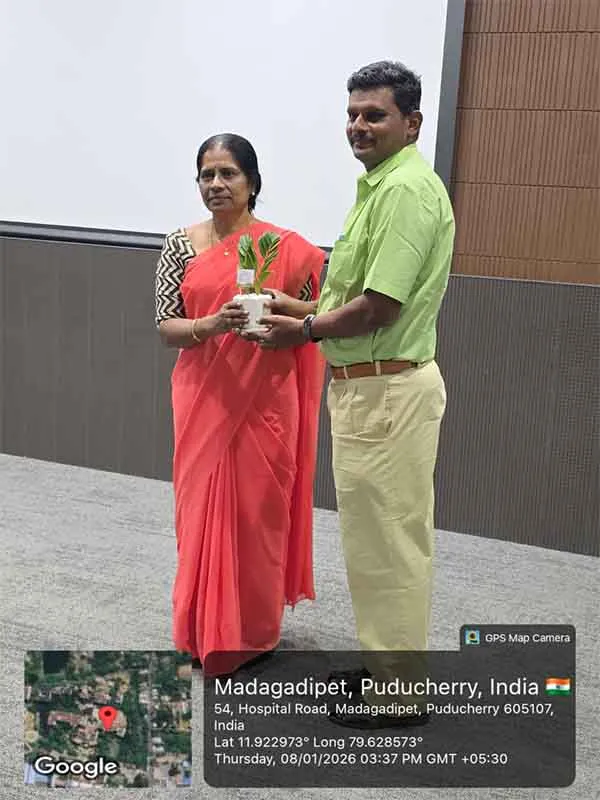
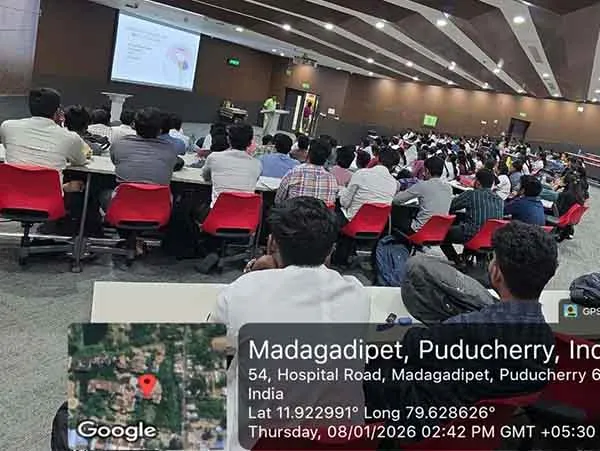
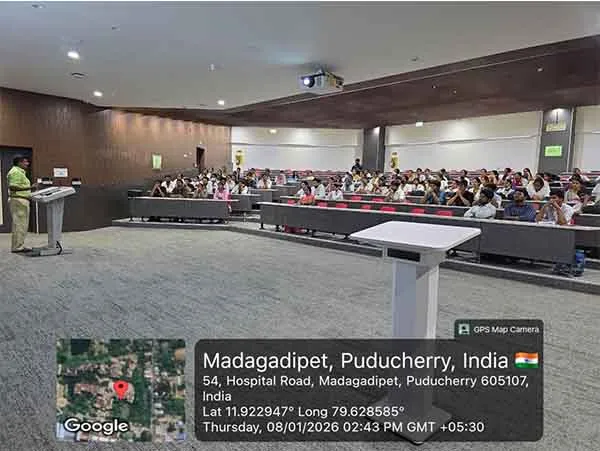
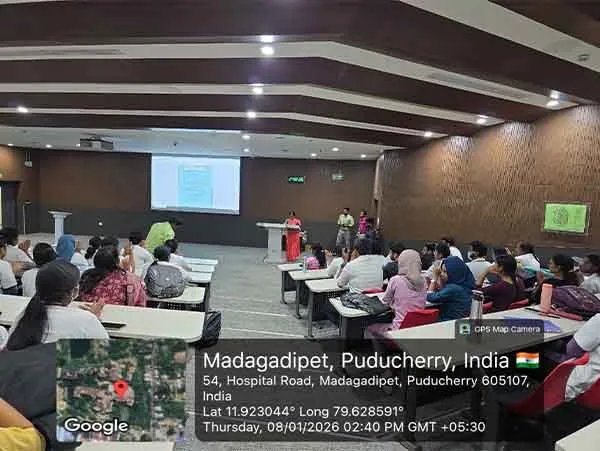
Alumni Talk "Pathways to Becoming a Global doctor My journey to Australia
Event Name: Alumni Talk “Pathways to Becoming a Global doctor My journey to Australia”
Nature of the Program : Offline
Organized By: Department of General Medicine, SMVMCH
Venue: Basement auditorium-Hospital block
Date: 10.12.2025
Time: 2:00 – 3:00 PM
Participants:
- Undergraduate students: 120
- Postgraduate students: 20
- Total: 140 participants
Objectives of the Programme
- To expose medical students to global career opportunities and international healthcare systems.
- To provide structured guidance on pathways for medical practice in Australia.
- To familiarize students with examination requirements, registration processes, and professional expectations abroad.
- To motivate students towards lifelong learning, skill development, and informed career planning.
Details of the Resource Person
Dr. Mohammad Inaamul Hassan
Alumnus – Department of General Medicine
MD (General Medicine), AHPRA-eligible IMG
Description of the Program
An alumni interaction session titled “Journey to Australia – A Pathway to Global Learning” was organized by the Department of General Medicine to orient undergraduate and postgraduate students towards international medical career pathways. The programme began with a welcome address by the Head of the Department, who introduced the alumnus and emphasized the importance of alumni engagement in mentoring students and promoting global learning perspectives.
The resource person delivered a one-hour interactive session, sharing his academic journey, clinical experience, and systematic approach to pursuing a medical career in Australia. The talk covered key areas including preparation for international examinations, documentation processes, professional communication skills, and adaptation to global healthcare standards. Emphasis was placed on challenges faced during the transition and strategies to overcome them through perseverance, planning, and continuous professional development.
Outcome of the Programme
- Students gained clarity regarding international medical registration pathways, particularly for Australia.
- Improved awareness about examination preparation, documentation requirements, and career timelines.
- Enhanced motivation among students to pursue global learning and structured career planning.
- Active student engagement reflected through question-and-answer interactions on preparation strategies and challenges.
Student Participation & Feedback
Approximately 140 students actively participated in the programme. The interactive session prompted several questions from undergraduate and postgraduate students related to exam preparation, challenges in transitioning to an international healthcare system, and balancing academic commitments. The session was well-received and found to be informative and motivating.
The programme concluded with a Vote of Thanks proposed by Dr. J. Sathyanarayanan, Professor, Department of General medicine, acknowledging the contributions of the resource person, the Head of the Department, and all participants.
Conclusion:
The Alumni Talk on “Pathways to Becoming a Global Doctor – My Journey to Australia” was an insightful and motivating session for both undergraduate and postgraduate students. It provided clear guidance on international medical career pathways, examination requirements, and registration processes in Australia. The resource person’s experience helped students understand the challenges and preparation needed to pursue global opportunities. The programme successfully enhanced students’ awareness, confidence, and interest in planning their future careers and highlighted the importance of continuous learning and professional development.
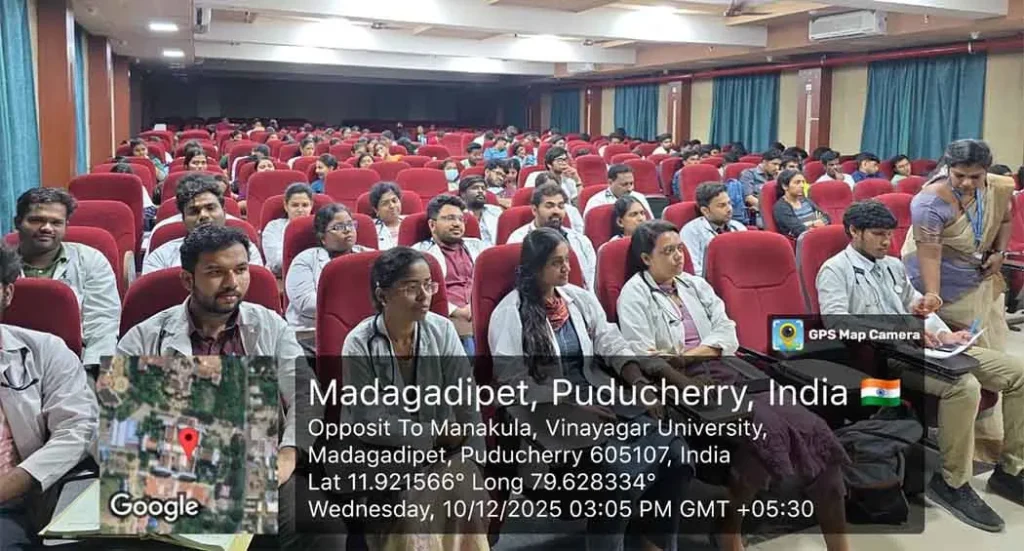
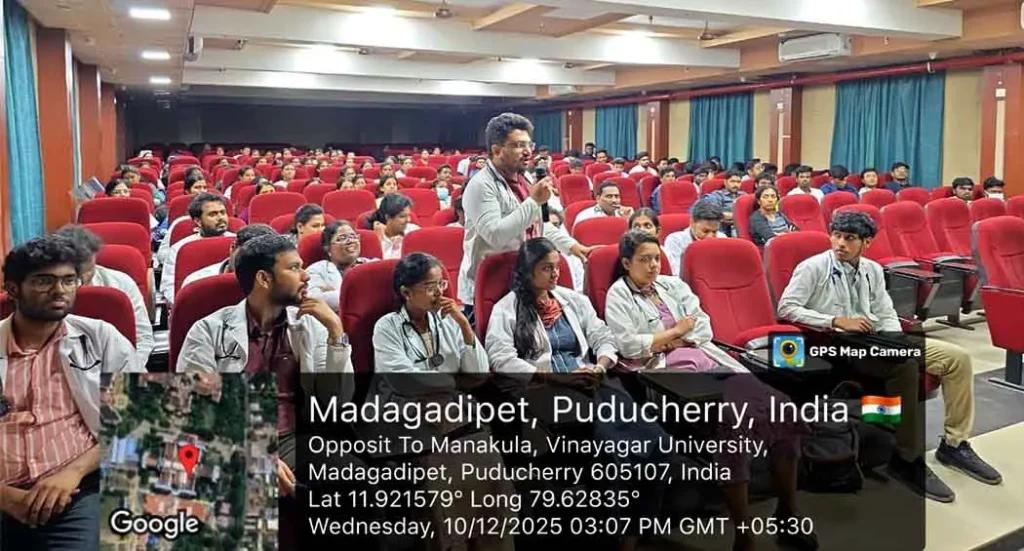
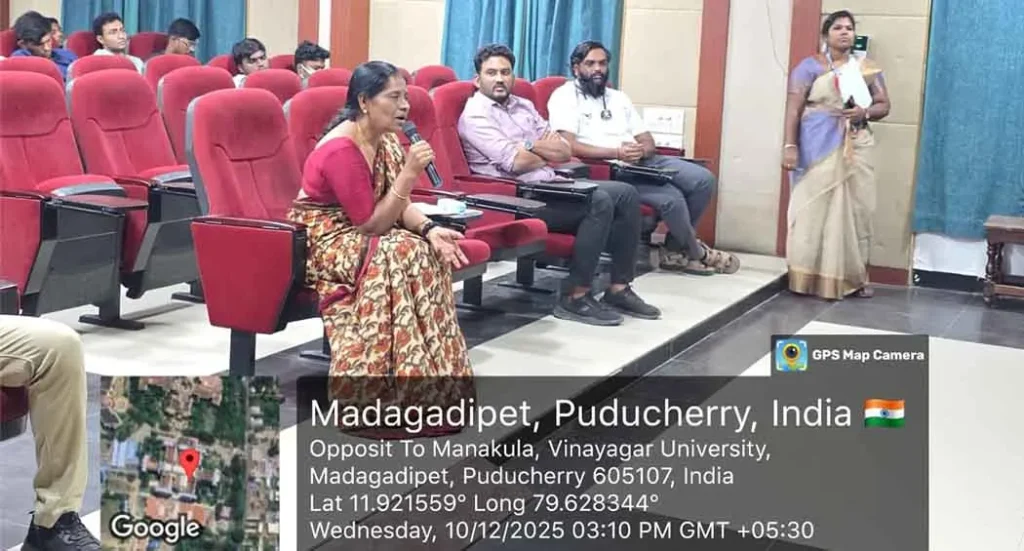
World Diabetes day - “Diabetes Screening Camp”
Event Name: World Diabetes day – “Diabetes Screening Camp”
Nature of the Program : Offline
Organized By: Department of General Medicine, SMVMCH
Venue: Ground Floor, Courtyard , SMVMCH
Date: 10th, 11th ,12th November 2025
Time: 7:30 AM – 4:00 PM
Participants:
- Patients, Doctors, Medical College and Nursing College Students
Organized by
- Faculty and Postgraduates, Department of General Medicine
Summary:
A comprehensive Diabetes Screening Camp was held as part of the WDD celebrations to evaluate glycemic status and identify potential complications in individuals with diabetes.
- For diabetic patients: Screening focused on current glycemic control and complications such as neuropathy, retinopathy, nephropathy, and coronary artery disease.
- For non-diabetic individuals: Blood sugar levels were checked, and those newly diagnosed with diabetes were further screened for complications.
Nursing students educated patients on the importance of diet, foot care, and lifestyle modifications in their native language, ensuring accessibility and clarity. The faculty interacted with the patients advising on the importance of keeping diabetes under control and annual screening for complications. Department of Dietetics made healthy snack alternatives and spread awareness to the public regarding the same.
Program Highlights:
- Five new cases of diabetes were identified. Patients with extremely high glycemic levels received immediate care, including Oral Hypoglycemic Agents (OHAs) or hospital admission for management.
- Detailed discussions on preventing complications, including lifestyle changes, proper diet, and foot care, were conducted to equip patients with essential knowledge for better disease management.
- Five patients were identified to have diabetic peripheral neuropathy
- Two patients were identified to have diabetic retinopathy
- Three patients were identified to have coronary heart disease
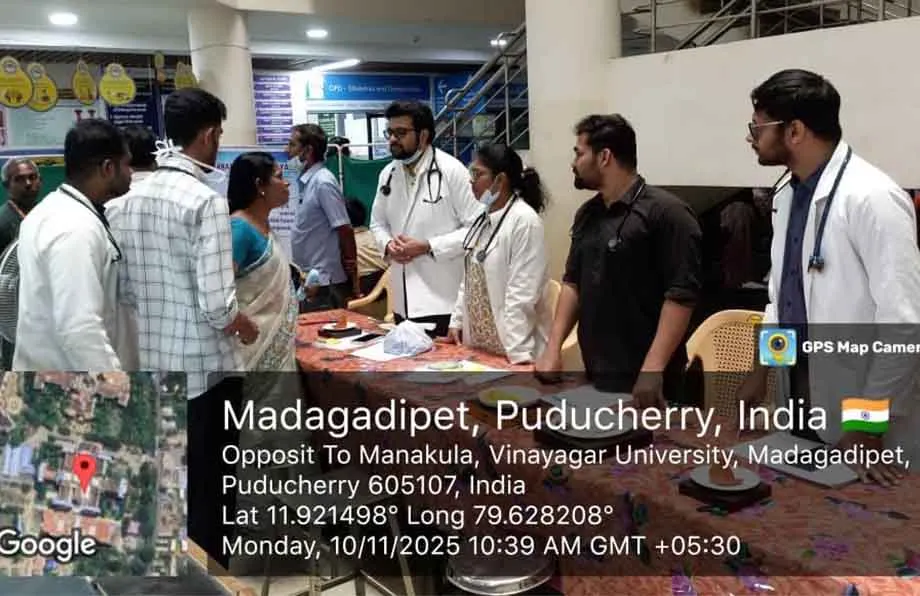
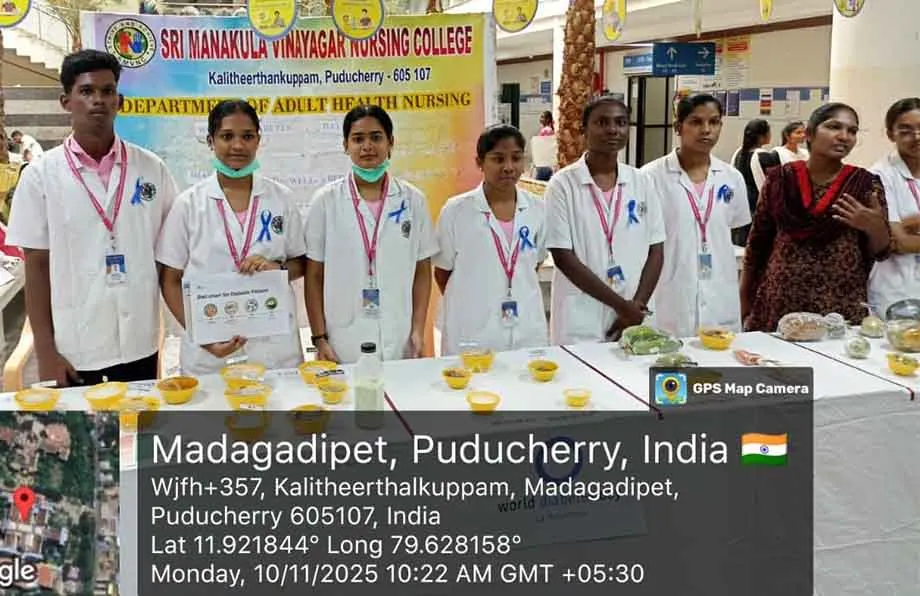
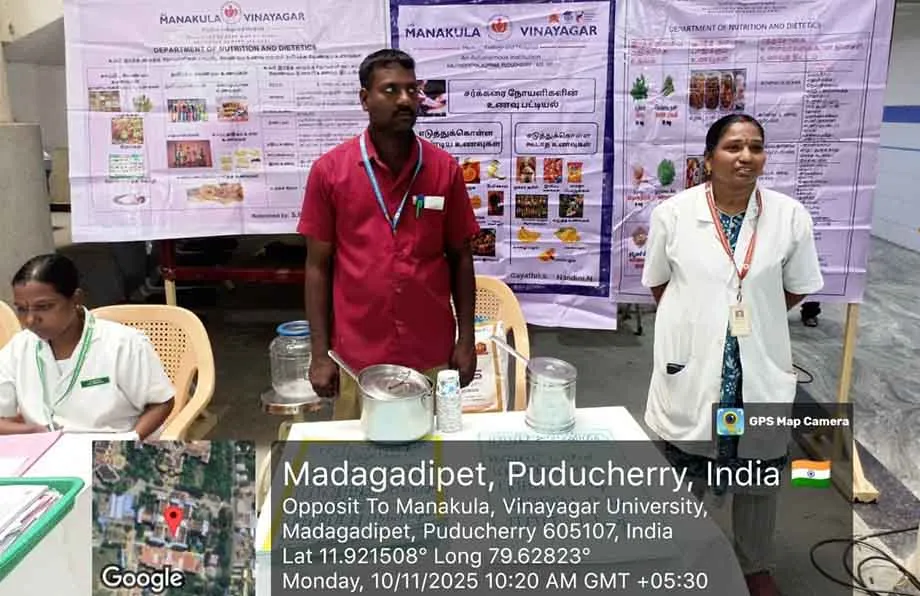
IIC Self Driven Activity – Research Week Celebration 2025 Institution’s Innovation Council
Event Name: : “Ethical Guidelines for Application of AI in Biomedical Research”
Organized By: Department of General Medicine, SMVMCH
Venue: Ground Floor, Courtyard , SMVMCH
Date: 05.11.2025
Time: 01.00 to 04.00 pm
Coordinator: Dr. S. Girija, Professor & HOD, Dept. of General Medicine
Objectives:
Artificial Intelligence has emerged as a powerful tool in biomedical research — transforming data analysis, diagnostics, and predictive modelling. However, its rapid growth also raises important ethical questions about data privacy, bias, accountability, and regulatory oversight. Understanding and applying ethical principles in AI-driven research is therefore essential to ensure integrity, transparency, and societal trust in scientific advancement.
Session Objectives
By the end of the session, participants will be able to:
- Understand the principles of biomedical research ethics and their relevance to AI-based research.
- Recognize the ethical challenges specific to the use of Artificial Intelligence in data generation, analysis, and interpretation.
- Identify issues related to data privacy, consent, bias, and accountability in AI-driven biomedical research.
- Familiarize themselves with national and international ethical frameworks and regulatory guidelines for AI applications in health research.
- Appreciate the importance of institutional oversight mechanisms such as Ethics Committees in evaluating AI-based studies.
- Encourage responsible and transparent integration of AI tools in biomedical research to uphold scientific integrity and public trust.
Guest Speaker:
Medha, Professor of Biochemistry, JIPMER
Participant Details: 24 participants, Faculty and Postgraduate students of Medicine.
Summary:
As part of the Research Week celebrations, a workshop on “Ethical Guidelines for Application of AI in Biomedical Research” was organized for the faculty and students of the Department of General Medicine on November 5th, 2025, from 1:00 to 4:00 pm. The workshop aimed to enhance participants’ understanding of Ethical Guidelines for Application of AI in Biomedical Research, emphasizing both theoretical knowledge and practical skills. The session featured interactive discussions, case-based learning, and group activities focused on the ethical application of AI in research, in line with the latest ICMR guidelines.
A total of 24 participants actively engaged in the workshop, which featured insightful sessions delivered by expert speaker.
Summary of Feedback
- Overall Rating of the Workshop
- The workshop received positive overall ratings.
- 37.5% rated it 3/5
- 37.5% rated it 4/5
- 25% rated it 5/5
- No negative ratings (1 or 2) were given.
- Improvement in Understanding of Ethical Guidelines
- 87.5% of respondents agreed that the session improved their understanding.
- 12.5%strongly agreed.
- No neutral or negative responses
- Speaker’s Delivery and Clarity
- 75% of participants strongly agreed that the speaker’s delivery and clarity were effective.
- 25% agreed.
- No negative or neutral responses.
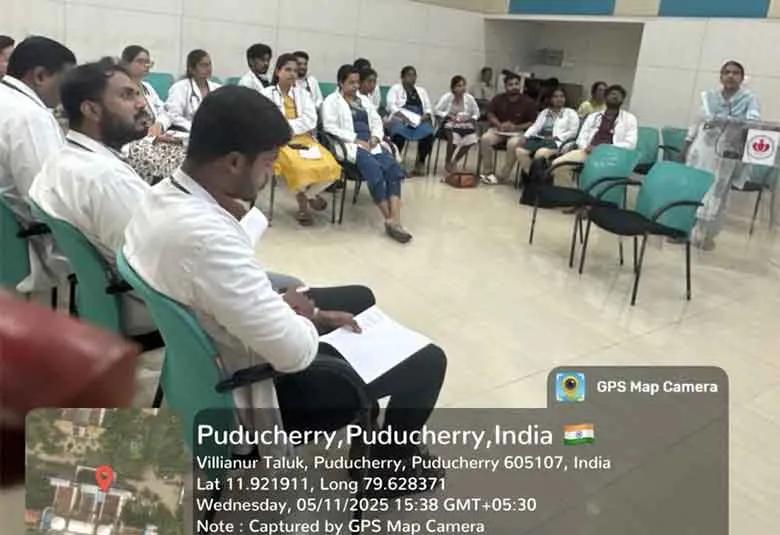
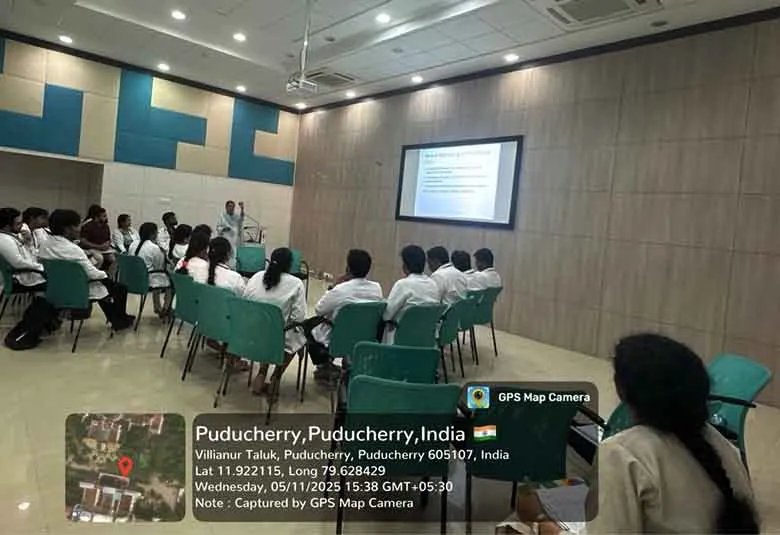
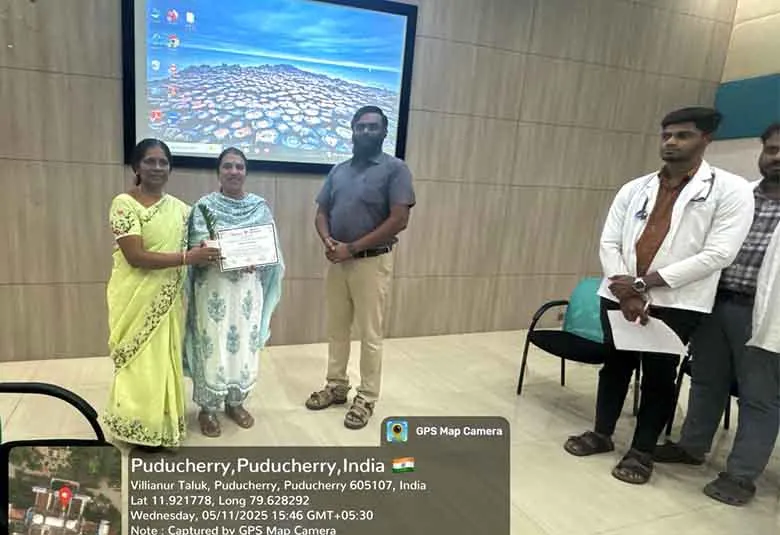
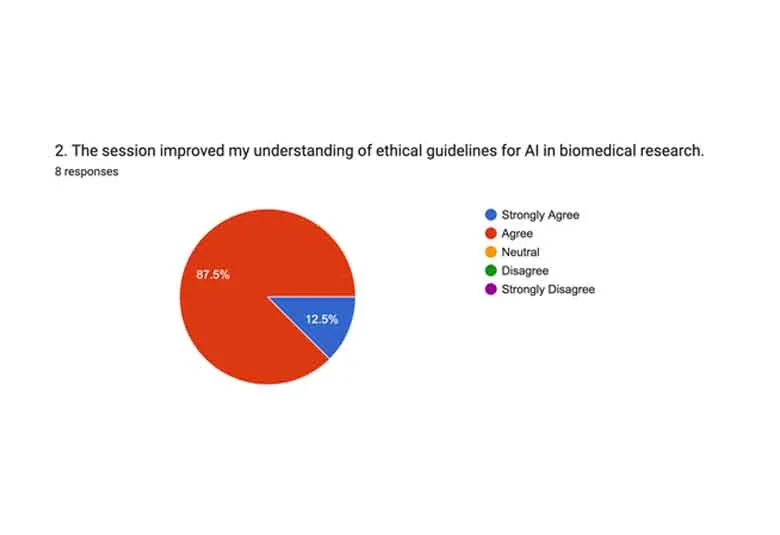
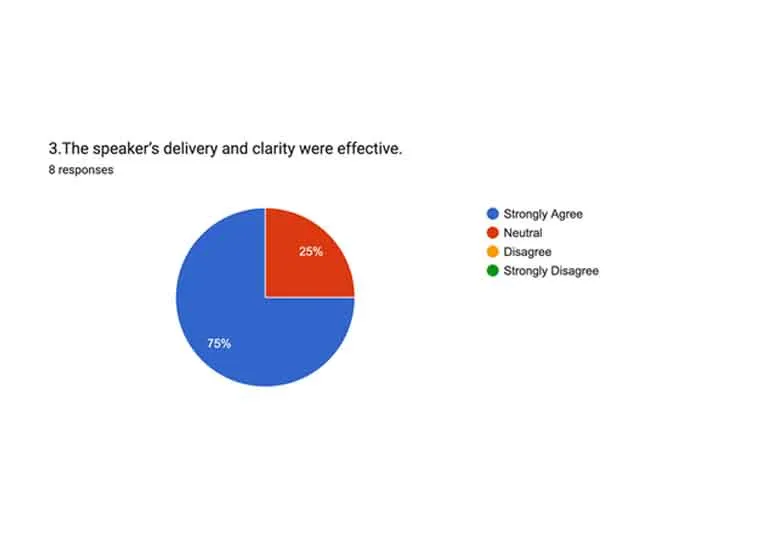
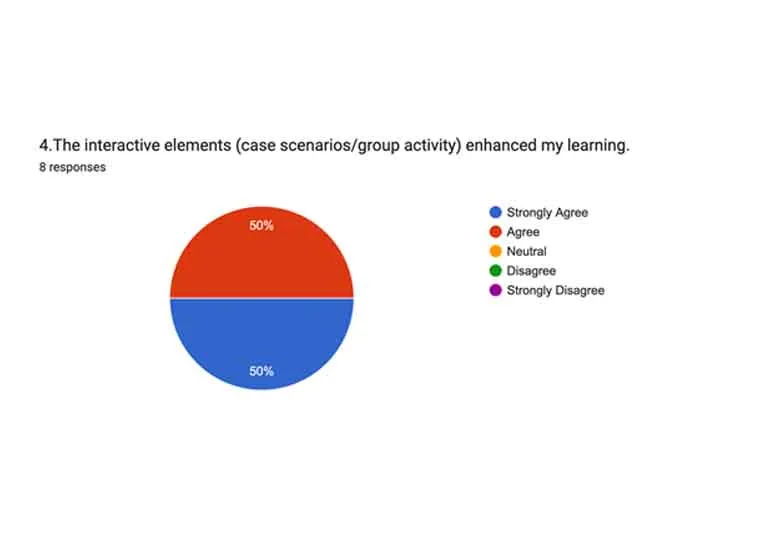
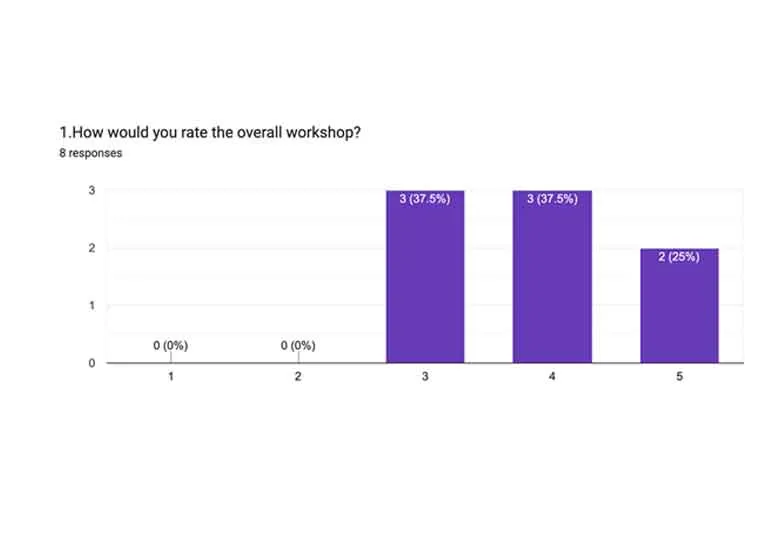
“VALEDICTORY FUNCTION - WORLD DIABETES DAY 2025”
Event Name: Diabetes and the Workplace
Nature of the Program : Offline
Organized By: Department of General Medicine, SMVMCH
Venue: Basement Auditorium, SMVMCH
Date:12.11.2025
Time: 10:30 A.M to 01:00 P.M
Participants:
- Students of MBBS and Allied health sciences, CRRIs, Postgraduates and Faculties
Organized by
- Department of General Medicine
Guest lecture
- Uma Maheswari P.S (Clinical Nutritionist and Dietician) – Workplace Nutrition Challenges and Solutions for people with Diabetes (online)
- Maghida. S (Chief Dietician, PIMS, Puducherry) – Medical Nutrition Therapy in Diabetes : Evidence and Innovations
- S. Arul Murugan (Senior Consultant Physician) – Digital tools, Apps and Behaviour change for dietary well-being
Summary
The Department of General Medicine at SMVMCH organised Diabetes week programme occasion of “World Diabetes Day” from November 10th to 12th November 2025. The valedictory function, held in the Basement Auditorium from 10:30 A.M to 01:00 P.M, saw the participation of over 150 attendees, including faculty from the General Medicine and Cardiology, as well as students from all specialities and allied health sciences.
Program Highlights:
The event commenced with welcome address and introduction of guest speaker. Dr. S. Girija, Head of the department of General Medicine highlighted various activities conducted as a part of ‘World diabetes day – 2025’. This was followed by Guest lectures on topics of ‘Workplace Nutrition Challenges and Solutions for people with Diabetes’ by Ms. Uma Maheswari P.S – who joined us online, ‘Medical Nutrition Therapy in Diabetes : Evidence and Innovations’ by Dr. Maghida. S and ‘Digital tools, Apps and Behaviour change for dietary well-being’ by Dr. S. Arul Murugan.
Felicitations and Awards:
The Guest speakers were honoured by Prof. Dr.S.Girija, Head of the Department of General Medicine, who presented them with tokens of appreciation for their valuable lectures. Following this, prize distribution for the winners of Quiz competition and ‘Endostride Stepathon’, Felicitation of students who participated in the Diabetes Awareness Flash Mob and felicitation of winner of Diabetes quiz held in IGMC and winners of RSSDI – Diabetes Quiz took place.
The program ended with a vote of thanks, marking the conclusion of a highly educational and engaging session.
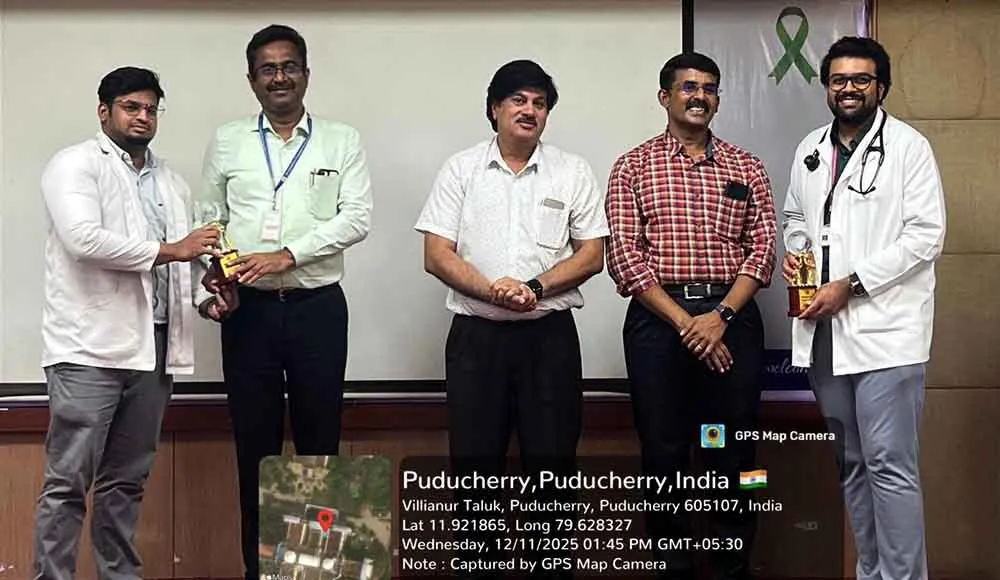
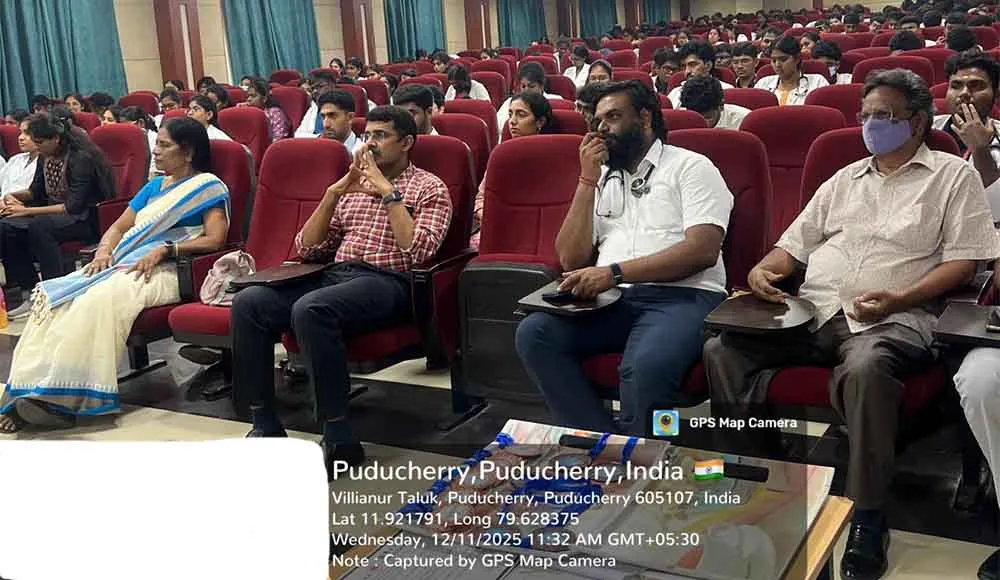
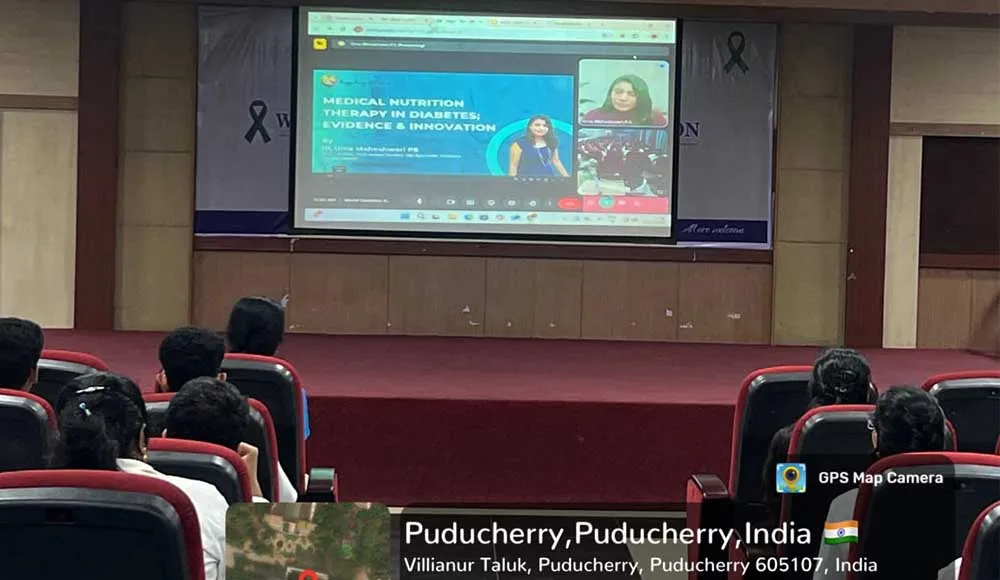
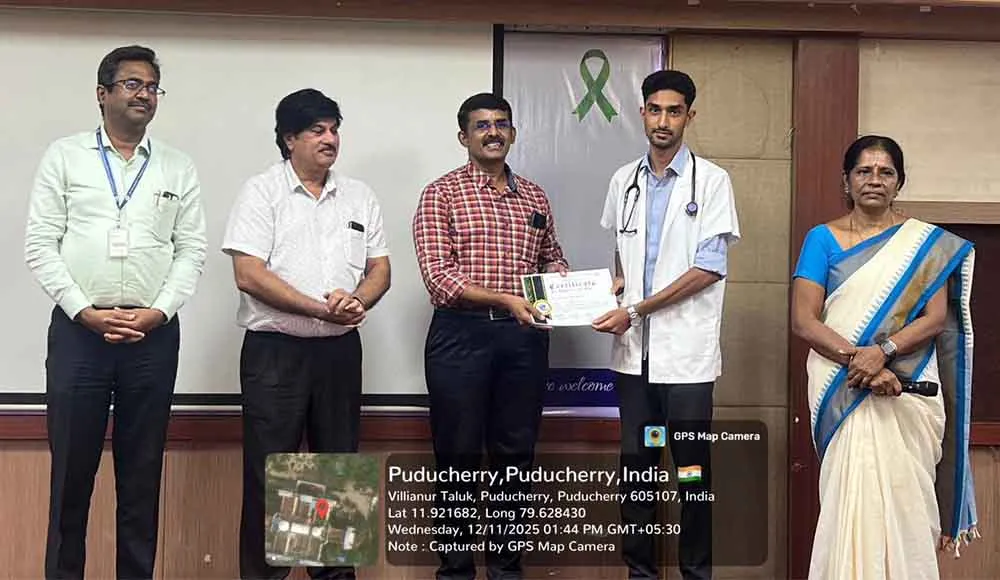
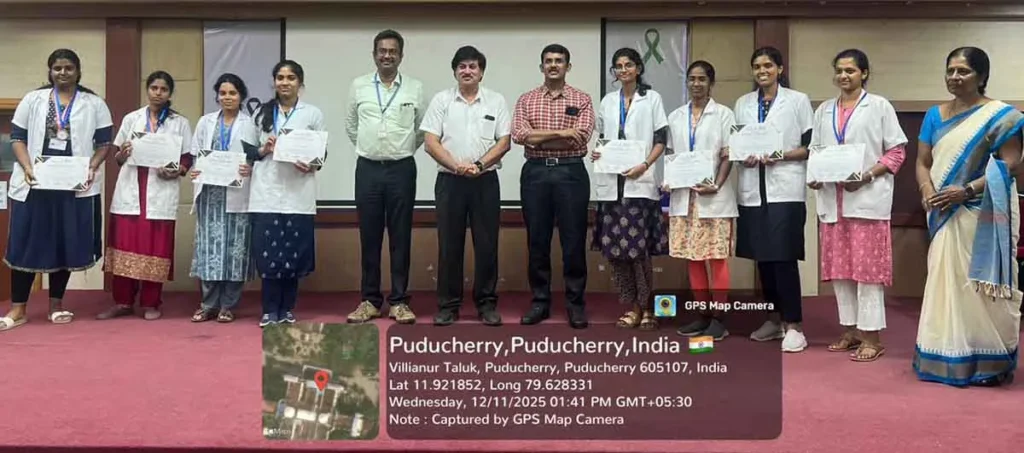
Diabetes day Celebrations 2025- “Endostride Stepathon Challenge- Step by Step Away from Diabetes”
Event Name: Diabetes day Celebrations 2025- “Endostride Stepathon Challenge- Step by Step Away from Diabetes”
Nature of the Program : Offline
Organized By: Department of General Medicine, SMVMCH
Venue: Hospital Portico
Date: 1st to 7th November 2025
Time: 9:30 A.M to 10:30 A.M
Participants:
- Faculty
- Postgraduates
Organized by
- Department of General Medicine
Summary
As part of the World Diabetes Day (WDD) celebrations, the Department of General Medicine at SMVMCH organized a Stepathon Challenge – Step by Step Away from Diabetes, a fun and inspiring walk Challenge organized to promote physical activity and awarness of Diabetes in Workplace place . It was conducted for a period of 1 week for all the Faculty and Postgraduates of SMVMCH . The steps walked were calculated through a pre-installed Pedometer app- Step Up Pedometer . The Challenge happened under 2 categories Faculty and Postgraduates , the average number of steps walked through the entire week was calculated and the person with the most number of steps were awarded the first and second prize in each category
A total of 64 Postgraduates and 12 Faculties from various departments participated and a total of 38,63,541 were recorded .
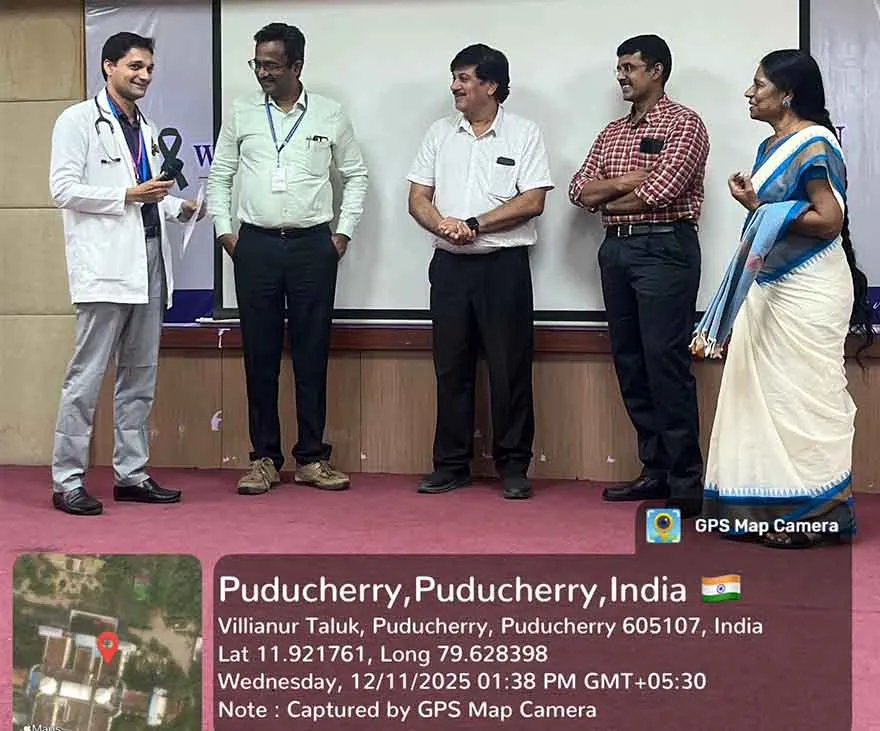
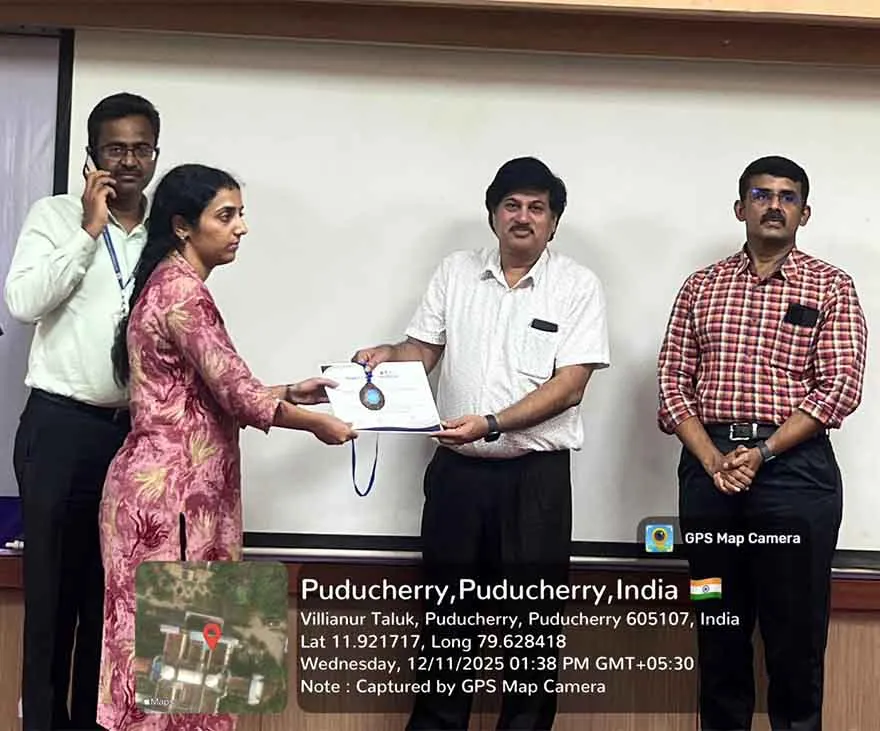
World Diabetes Day 2025 – Flash Mob
Event Name: World Diabetes Day 2025 – Flash Mob
Theme: “Diabetes and well being”
Nature of the Program : Offline
Organized By: Department of General Medicine, SMVMCH
Venue: Hospital Portico
Date: 10-11-2025 to 11-11-2025
Time: 10:30 A.M to 10:45 A.M
Participants:
- Undergraduate Medical Students (Second Year MBBS)
- Nursing college students (Third year)
Organized by
- Department of General Medicine
Summary
As part of World Diabetes Day 2025, a vibrant and impactful Flash Mob was organized by Department of General Medicine to raise awareness about diabetes, its prevention, and the importance of early diagnosis. The event aimed to engage the general public through an energetic and creative performance, making health education both accessible and memorable.
The flash mob began with a coordinated dance sequence performed by students, attracting the attention of the crowd and creating an atmosphere of excitement. The performance incorporated thematic messages on healthy lifestyle practices like regular exercise. Placards and visual cues were included to reinforce key health messages.
Following the performance, brief educational interactions were held with the audience. Pamphlets on diabetes awareness were distributed, and attendees were encouraged to undergo regular health check-up screening.
Highlights of the Event:
The volunteers received Medals and Certificates of appreciation in recognition of their exceptional contributions for emphasing awareness on aerobic exercise.
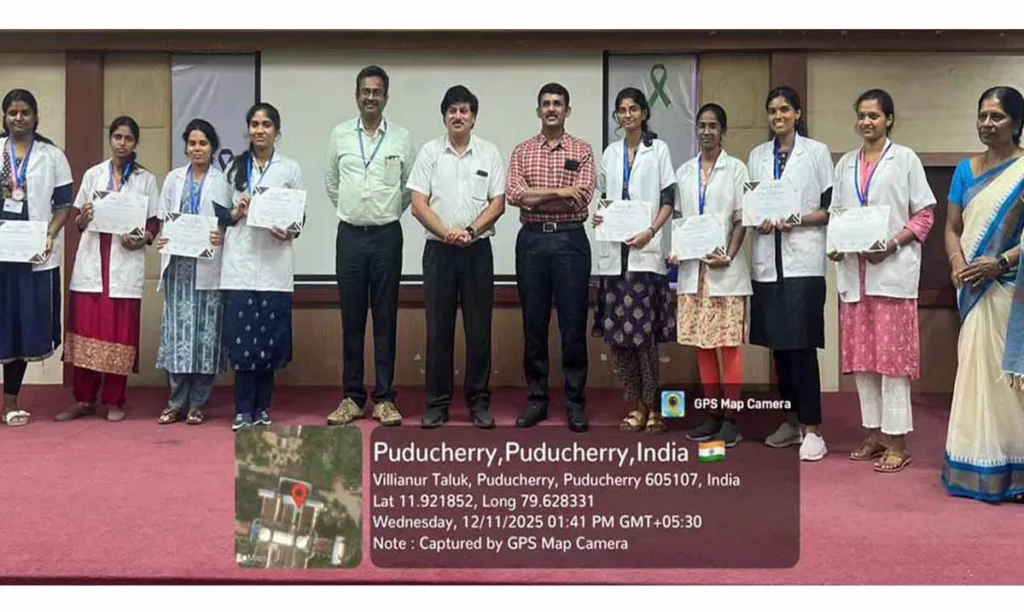
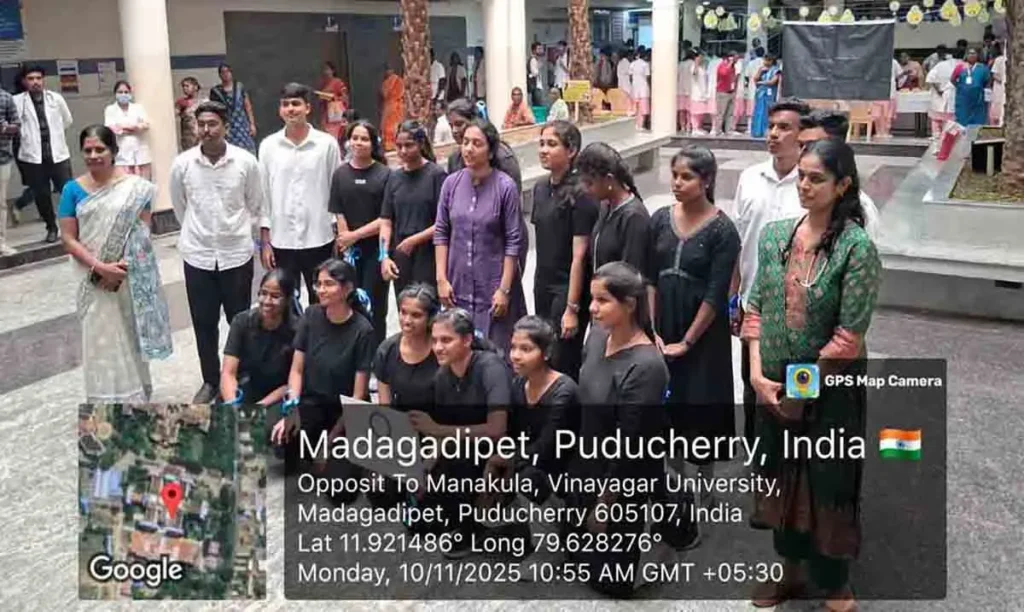
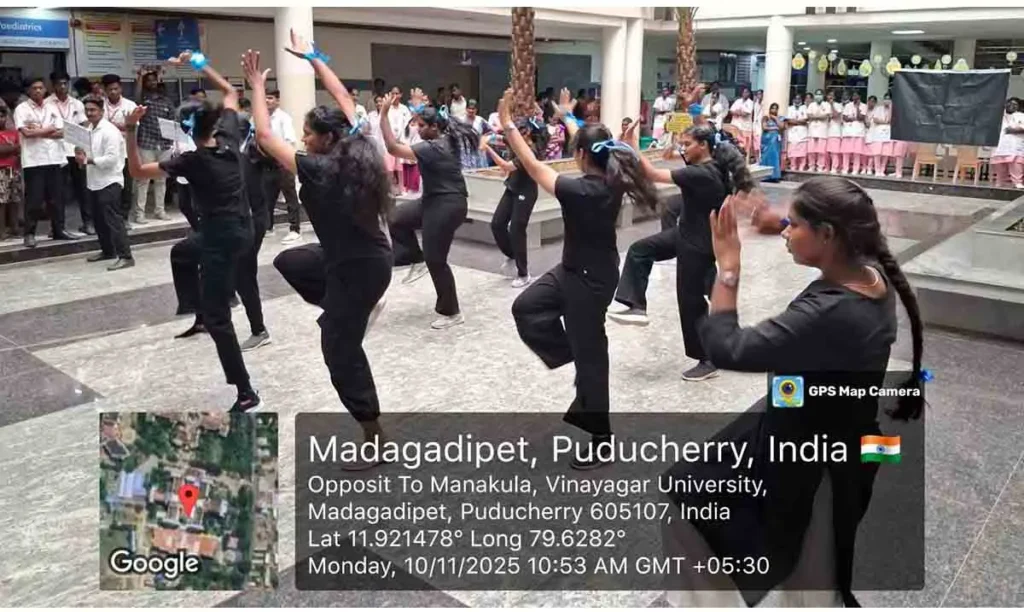
World Diabetes Day 2025 – “DIABOLIC QUIZ 5.0”
Event Name: World Diabetes Day 2025 – “DIABOLIC QUIZ 5.0”
Nature of the Program: Offline
Organized By: Dept of General Medicine
Venue: Annai Vidhya Mandir, Thirubuvanai
Date: 03-11-2025 to 07-11-2025
Time: 2:00 P.M to 4:00P.M
Event Coordinator: Dr. K. Rahul, Senior Resident, General Medicine
Participants: Undergraduate Medical Students
Summary
To commemorate World Diabetes Day 2025, the Department of General Medicine conducted the Diabolic Quiz 5.0, aimed at strengthening clinical and theoretical understanding of Diabetes among undergraduate medical students. This is an annual event conceptualized and overseen by Professor Dr. S. Girija, for the fifth straight year now. This years’ event was planned, and executed by Dr. K. Rahul, Senior Resident, and his team, from question design to logistics.
Preliminary Round
It was conducted on 3.11.2025 with 24 teams (48 students) participating. Dr. Senthamizh (PG) was part of the conducting team. A 20 min – 20 single best answer – MCQ test was given. Top five teams advanced to the final round.
S. No | Teams qualified to the final round | Batch |
1 | Aakash S & Ajay Krishna | 2021 |
2 | M. Karthikeyan & AG Rohit | 2022 |
3 | Dharshini P & Ashmitha R | 2021 |
4 | Maheswar S & Jayasri V | 2021 |
5 | Hemanth Vattikutti & R. Srikanth | 2021 |
Final Round (5 Rounds)
The finals were conducted on 7.11.2025, with logistic and clerical help from Dr. Manimegalai(PG) and CRMI Dr. Hani AR. The Quiz had five structured interactive rounds, evaluating clinical co-relation, recent updates and memory from anatomy, physiology, biochemistry, pharmacology, pathology, epidemiology and medicine relevant to Diabetes in adults, pediatrics and pregnancy.
Round Structure
Dr. K. Rahul, Senior Resident, was the quiz master, All the questions were explained at the end and detailed explanations wherever necessary were also given by the moderator. Top 3 teams were declared as winners
1.Straight shooters
Identification of facts, dictums and recent guidelines in decision-making and addressing misconceptions in Diabetology. 2 questions per team. No negative marks.
2.Connections
Interpretation of clinical images, laboratory values and identifying drug mechanisms. 1 question per team. No negative marks.
3.Pounce or Bounce
10 PG level questions open to all teams. Answers to be written in the paper provided. Has negative marks for wrong answers.
4.Rapid fire
High-speed recall of Diabetes essentials— Drugs and ADR, classical syndromes, ADA 2024 guidelines, epidemiology, complications, severity assessment and emergency management.
5.How dare you! – Roulette
A chance for teams lagging behind on the leaderboard to catchup. This round tests confidence and luck. Get the colour of your choice and the right answer – you get double the marks; only the colour and not answer – zero marks; neither the color nor the right answer – you get negative marks.
Prize | Team members | Batch |
1st | Aakash S & Ajay Krishna | 2021 |
2nd | M. Karthikeyan & AG Rohit | 2022 |
3rd | Maheswar S & Jayasri V | 2021 |
Dr. RN Kagne – Dean, distributed the cash prizes and certificates to the winners in the presence of Dr. M. Pragash – Medical Superintendent,
Dr. S. Girija – Professor and Head, Department of General Medicine and Dr. S. Arulmurugan, Senior Consultant physician, Puducherry on 12.11.2025
Acknowledgments
The event concluded with an address by Dr. S. Girija, Professor and Head, Department of General Medicine, appreciating the enthusiasm of the participants and the audience, support from the management and PGs of the Department of General Medicine for their co-operation
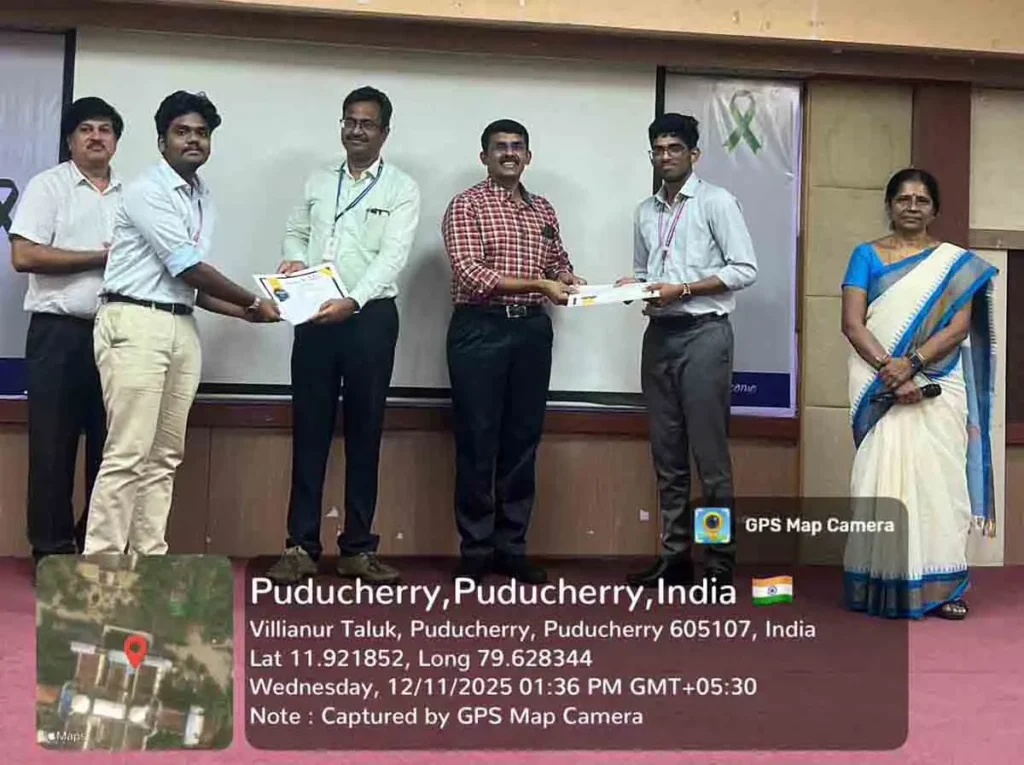
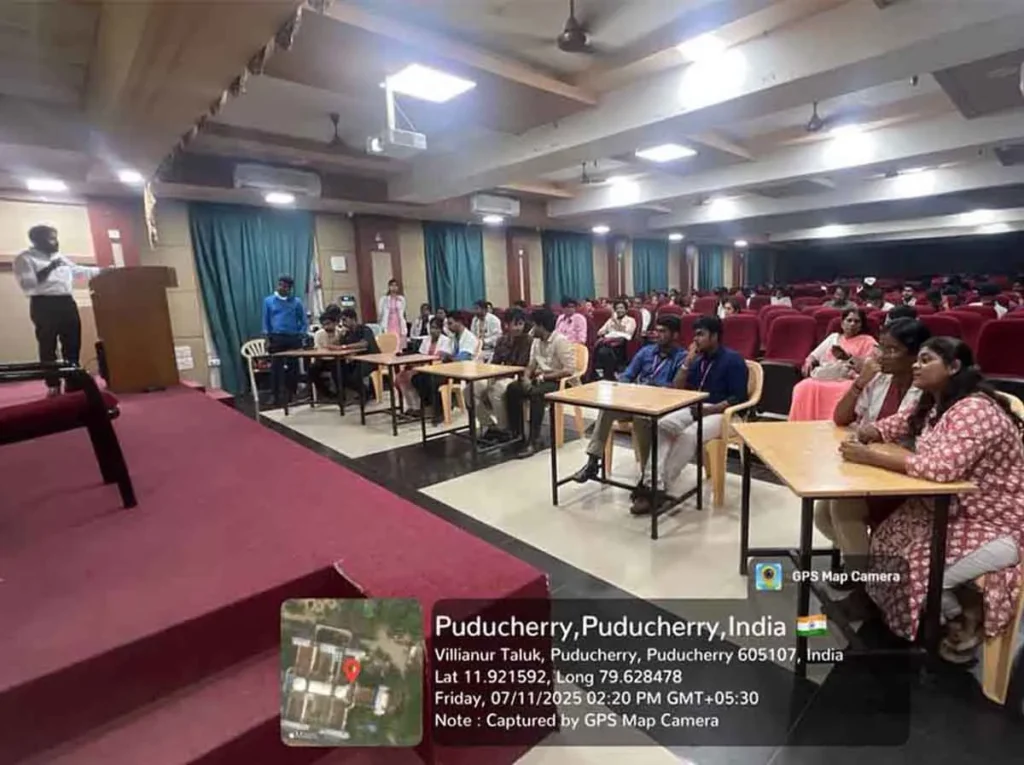
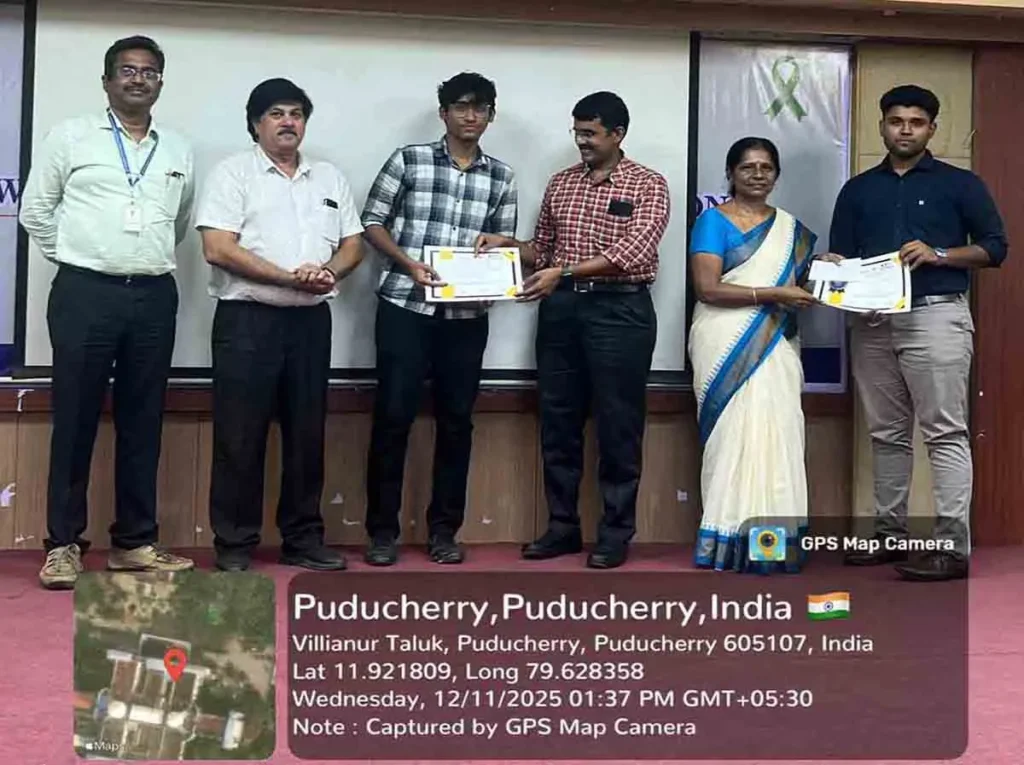
Rabies Awareness Programme
Event Name: Rabies Awareness Programme
Organized By: Dept of General Medicine
Venue: Annai Vidhya Mandir, Thirubuvanai
Date: 08-10-2025
Time: 2:00 P.M
Participants: 1st to 10th Standard School students
Organized by: Department of General Medicine
Topics Covered: Prevention, prophylaxis, and treatment of Rabies.
Summary
As part of the World Rabies Day 2025 celebrations, Department of General Medicine conducted an engaging outreach program at Annai Vidhya Mandir High School to promote rabies awareness and encourage healthy lifestyle practices among students. The event comprised two key activities: a drawing competition and a Talk show.
Highlights of the Event:
- Drawing Competition:
- The competition provided a creative platform for students to depict their understanding of rabies, its prevention, prophylaxis and treatment.
- Fifty-four students participated, showcasing vibrant and insightful artworks brimming with awareness messages and creative symbolism.
- Three exceptional artworks were recognized with 1st, 2nd, and 3rd place prizes were
- Dhakshitha, S. Mohithra, S.Deysi respectively, celebrating the students’ creativity and understanding.
- A Talk Show:
- A comprehensive speech was given on rabies awareness including global burden, emphasizing this years theme “Act now, You, Me and Communities” along with risk factors, prevention, prophylaxis, pathophysiology, treatment and complications of rabies among school students.
- There were around 209 students, along with faculties and managing staff who participated in the programme.
- Students along with their faculties were enthusiastically asking their doubts at the end of talk
- Students and faculties lauded as it was a highly educative programme.
The event successfully combined creativity and health education, leaving a lasting impression on the students about the importance of rabies awareness. It was a meaningful step toward building a healthier, rabies-free nation in future.
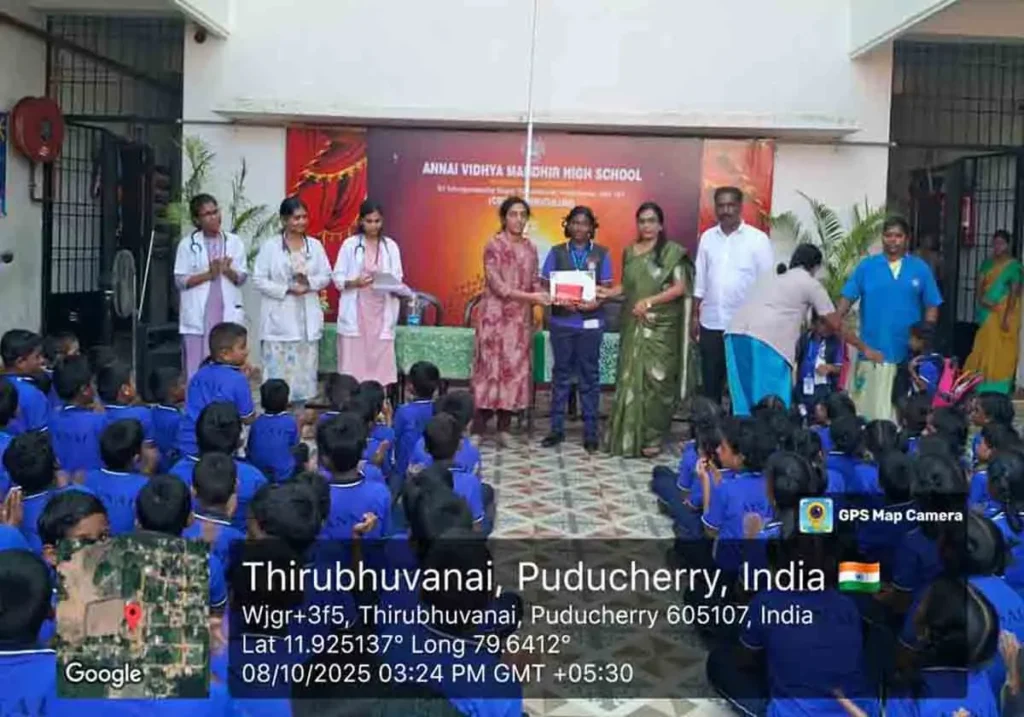


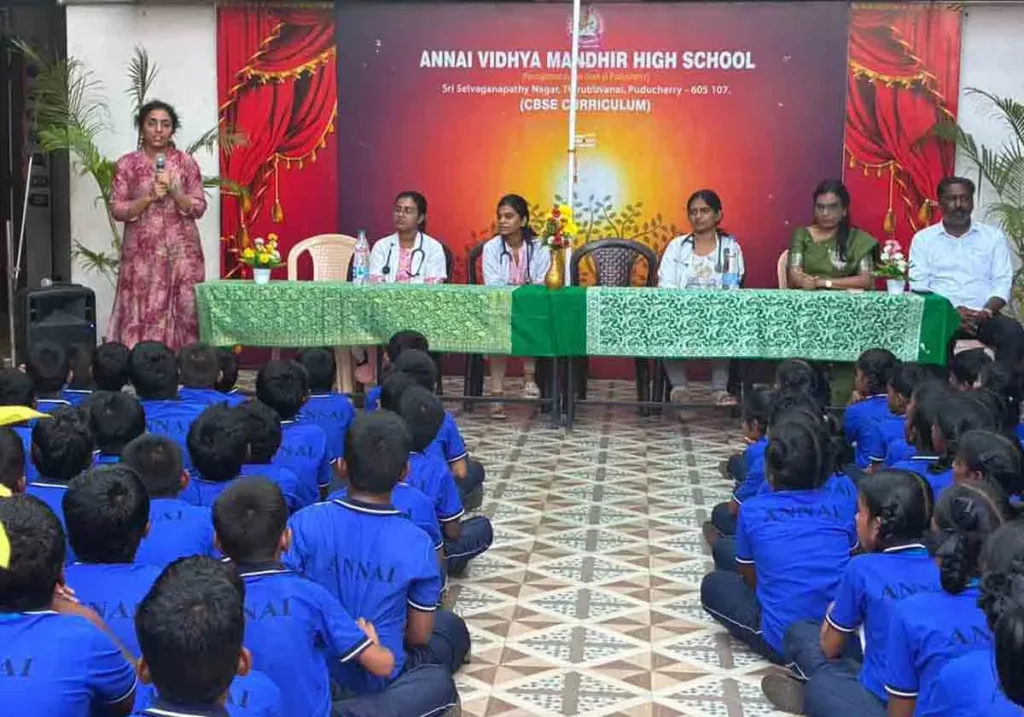
Cardio Pulmonary Resuscitation CPR Training
Event Name: Cardio Pulmonary Resuscitation CPR Training
Organized By: Dept of General Medicine
Venue: SMVNC
Date: 02-09-2025
Time: 10.30 to 12.30:00 P.M
Participants :Teachers training Students
As part of its ongoing community outreach and social responsibility initiatives, the Department of General Medicine and Cardiology, SMVMCH, conducted a Cardiopulmonary Resuscitation (CPR) Training Workshop on 2nd September 2025 at Venkateswara College of Education, Kalitheerthalkuppam. The session aimed to equip non-medical individuals with vital life-saving skills to handle cardiac emergencies confidently and effectively.
Objectives of the Workshop:
- To understand and master the simple, yet crucial, steps of Hands-Only CPR that anyone can perform.
- To develop the confidence to respond quickly and appropriately in an emergency situation.
- To become part of a network of community lifesavers, recognizing that timely action can make a difference between life and death.
Session Highlights:
A total of 37 teacher-training students participated in the workshop with great interest. The session commenced with an introductory talk emphasizing the importance of early CPR intervention in improving survival rates during cardiac arrest. Faculty members from SMVMCH explained the critical role of bystander CPR in saving lives.
This was followed by hands-on training using mannequins, where trainers demonstrated the correct techniques for chest compressions and rescue breaths, aligned with current international CPR guidelines. Each participant had the opportunity to practice CPR individually under expert guidance, ensuring accuracy and confidence in performing the procedure.
The workshop was interactive and engaging, with participants encouraged to ask questions and discuss real-life emergency scenarios. The session concluded with a group photograph and a collective pledge from the participants to apply their newly learned skills whenever needed.
Outcome:
The training successfully met its goal of empowering non-medical individuals with the knowledge and confidence to respond to cardiac emergencies. Participants reported a greater sense of preparedness and responsibility, echoing the workshop’s core message:
“Be the difference between life and death!”
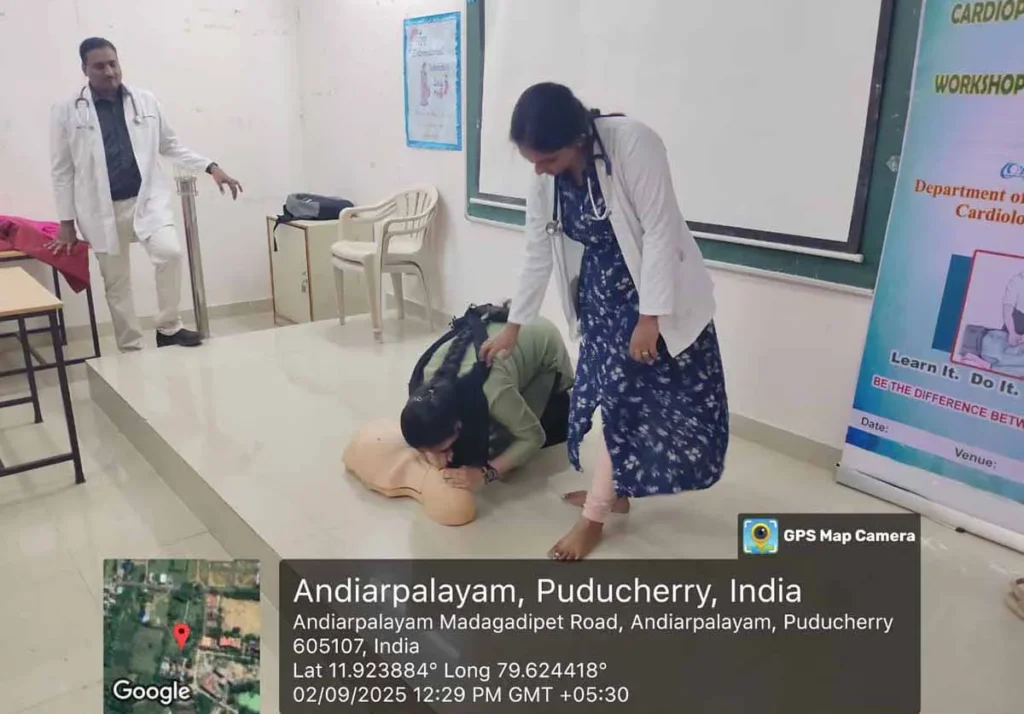
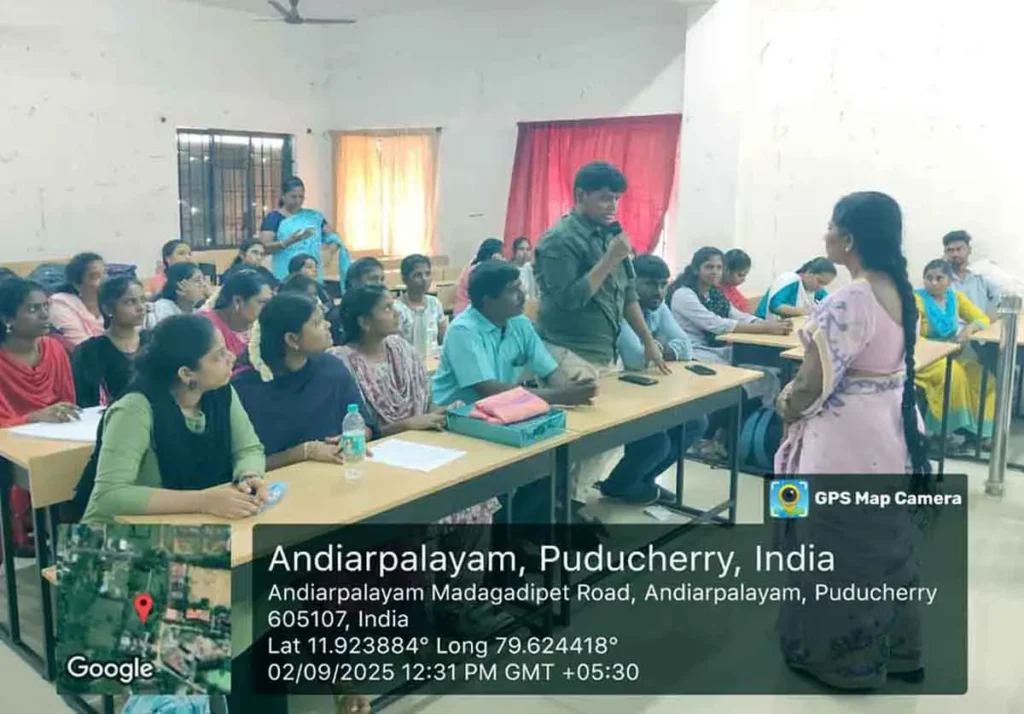
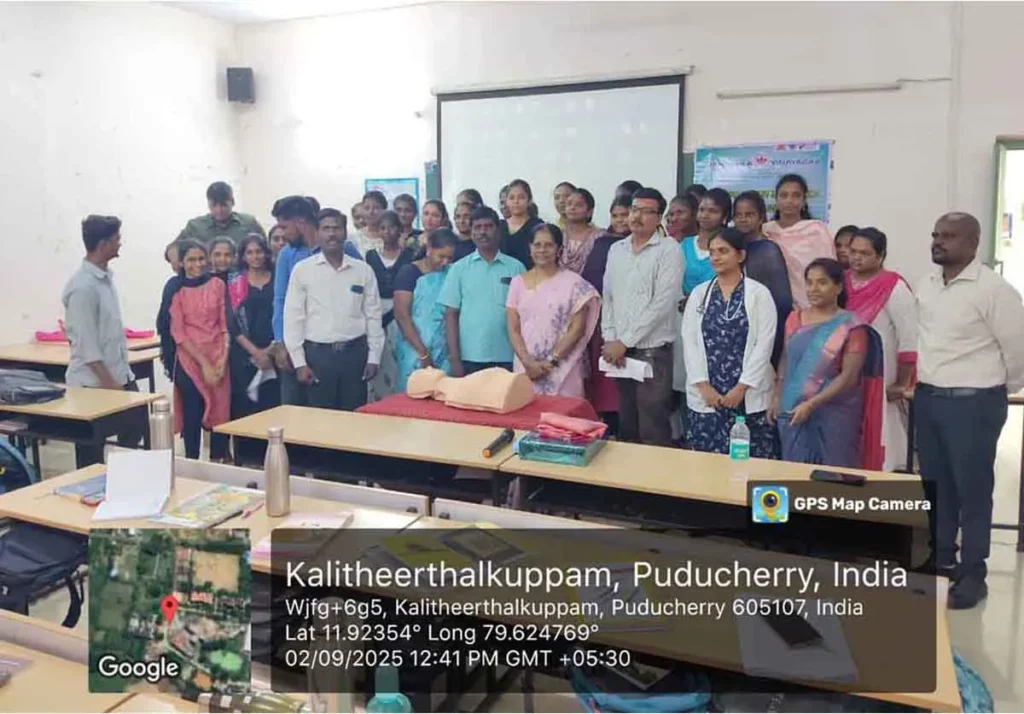
Cardio Pulmonary Resuscitation CPR Training
Event Name: Cardio Pulmonary Resuscitation CPR Training
Organized By: Dept of General Medicine
Venue: SUZLON
Date: 11-08-2025
Time: 11:00 A.M
Participants: Company workers
Organizing Team: General Medicine & Cardiology
A Cardiopulmonary Resuscitation (CPR) Training Workshop was conducted on 11 August 2025 at SUZLON as part of the social responsibility initiative of the Department of General Medicine & Cardiology, Sri Manakula Vinayagar Medical College and Hospital (SMVMCH).
Goals:
- Learn: Master the simple, life-saving steps of Hands-Only CPR—a skill that requires no medical background.
- Act: Gain the confidence to respond immediately and effectively in an emergency.
- Save: Join a growing network of community lifesavers, because every second truly matters.
The program aimed to equip participants with essential life-saving skills that can be used during cardiac emergencies. Around 60 employees from SUZLON took part in the session with great enthusiasm.
The training began with an introductory talk highlighting the importance of CPR and the need for timely intervention in cardiac arrest cases. Faculty members from SMVMCH explained how early and effective CPR can significantly improve survival rates.
Following the introduction, participants were given hands-on training using mannequins. The trainers demonstrated proper CPR techniques, including chest compressions and rescue breaths, in line with current international guidelines. Every participant was provided the opportunity to practice the skill individually under expert supervision to ensure correct technique and confidence in application.
The interactive nature of the session encouraged questions and discussions, allowing participants to clarify doubts and better understand real-life scenarios.
The workshop concluded with a group photograph and a collective commitment from participants to apply the skills learned, should the need arise.
Goals:
The program successfully achieved its objective of empowering non-medical personnel with basic life support skills. The participants expressed increased confidence in their ability to respond effectively to cardiac emergencies, reinforcing the workshop’s central message — “Be the difference between life and death!”
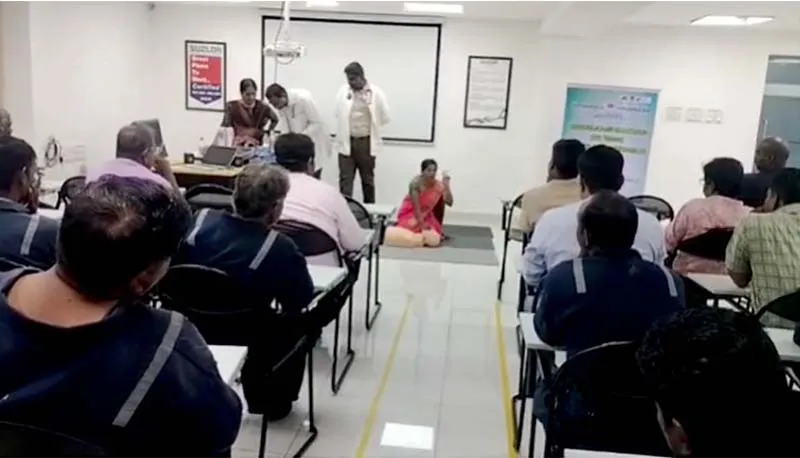
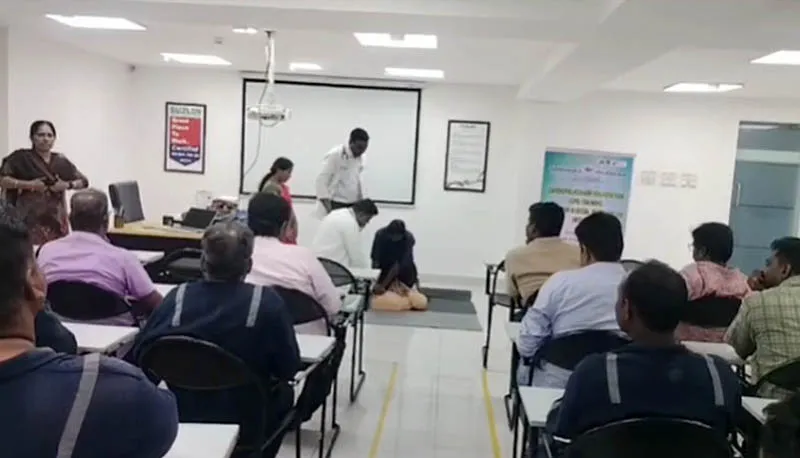
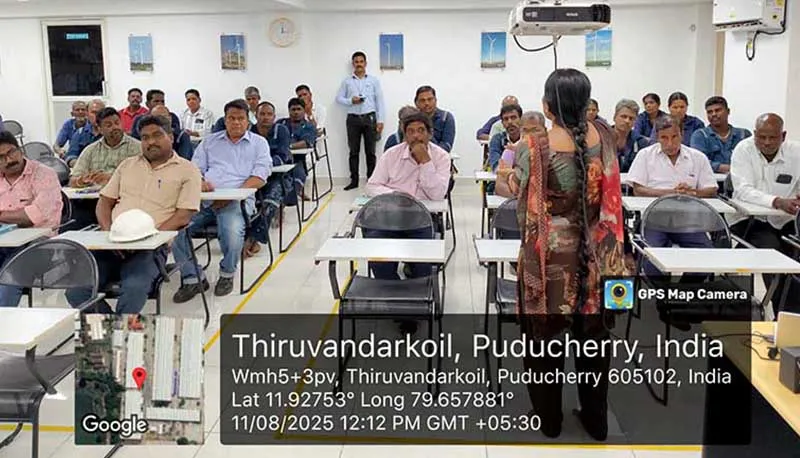
Cardio pulmonary Resuscitation CPR Training
Event Name: Cardiopulmonary Resuscitation CPR Training
Organized By: Dept of General Medicine
Venue: MIT Inner Auditorium
Date: 01-08-2025
Time: 11:00 -12:00 P.M
Participants: MIT College- non-medical students
Organizing Team: General Medicine & Cardiology
A Cardiopulmonary Resuscitation (CPR) Training Workshop was conducted on 1, August 2025 for the students of Sri Manakula Vinayagar Institute of Technology,Puducherry. This program was organized jointly by the Department of General Medicine and Department of Cardiology of Sri Manakula Vinayagar Medical College and Hospital, as part of their social responsibility initiatives.
The Goals:
- To teach Hands-Only CPR—a technique anyone can perform.
- To build confidence, so one act immediately without hesitation.
- To create a community of lifesavers, because every second counts.
This session plan:
A brief demonstration by the experts
Hands-on practice with mannequins
Myth-busting Q&A session
Around 30 students attended the workshop, which included hands-on training using a mannequin. The participants enthusiastically took part in the training, showing keen interest in learning this lifesaving skill.
The session began with an invitation address by Dr. Ashida, HOD , from the Department of Cardiology, followed by Dr. Girija H.O.D. from the Department of General Medicine, who highlighted the importance of CPR and the necessity for everyone to be equipped with basic life support skills.
A PowerPoint lecture was then delivered by postgraduate students from the Department of General Medicine, Dr. Anil Kumar and Dr. Hemraj. They demonstrated CPR techniques to the audience using a training manikin. Each participant was individually guided and allowed to perform the technique under supervision, ensuring proper understanding and skill acquisition.
The program concluded with a group photo session with the faculty and participants. Students expressed their appreciation for the workshop, stating that they felt confident to perform CPR in an emergency and recognized its vital role in saving lives.
Outcome:
The workshop successfully met its objective of imparting CPR knowledge and skills to non-medical students, empowering them to act swiftly and effectively during a cardiac emergency.
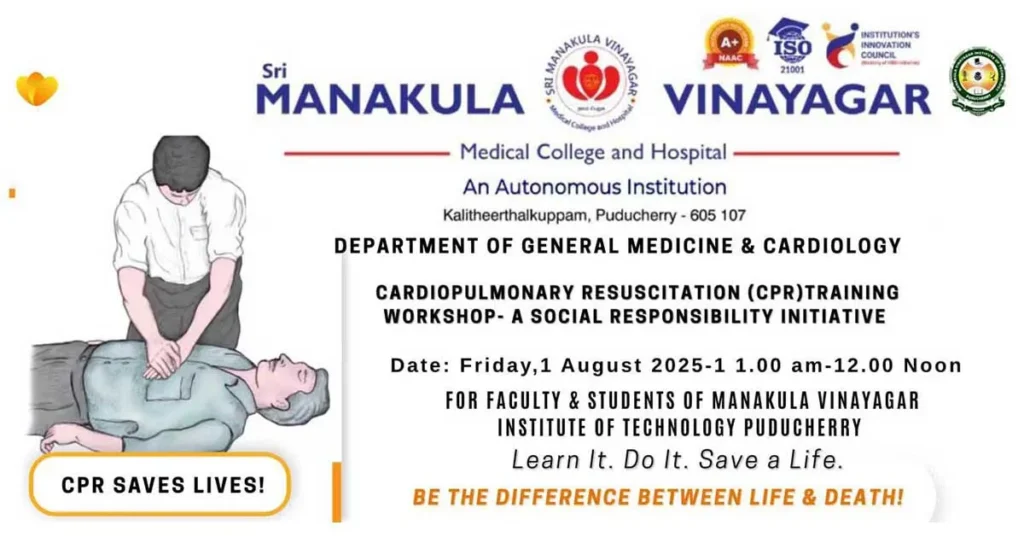
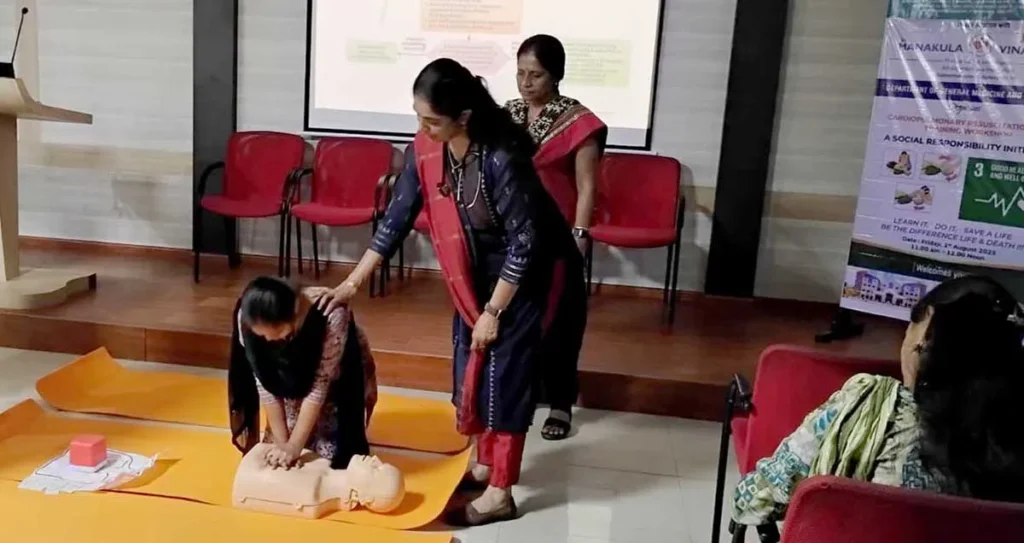
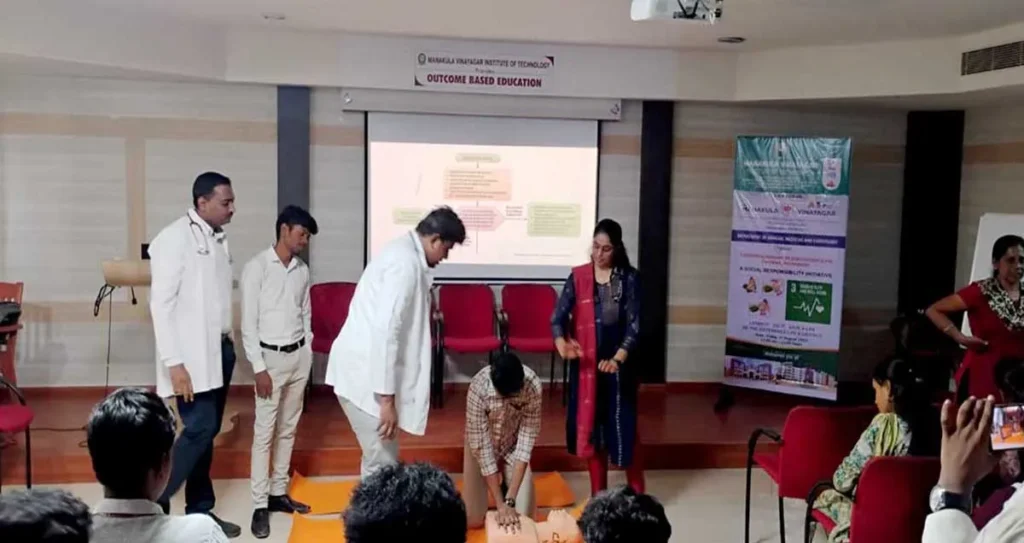
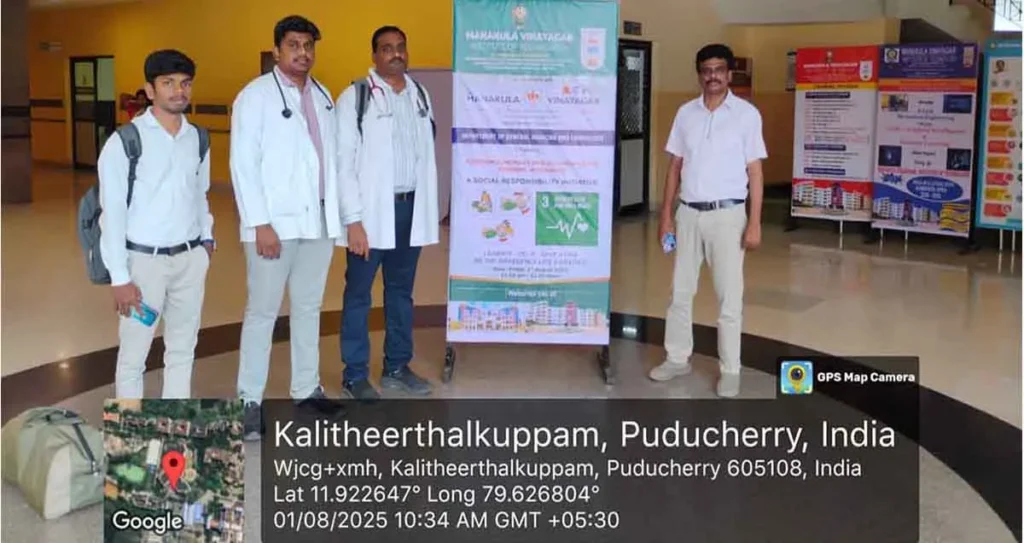
Smart Medicine : AI and IOI Transforming Diagnosis and Remote Monitoring
Event Name: Smart Medicine: AI and IOI Transforming Diagnosis and Remote Monitoring
Organized By: Dept of General Medicine
Venue: Basement auditorium, Hospital block
Date: 13-08-2025
Time: 12:00 Noon
Guest Lecture on “Smart Medicine: AI and IoT Transforming Diagnostics and Remote Monitoring-“Bridging Technology and Clinical Practice for the Future of Healthcare”
IIC Self Driven Activity:
Coordinator: Dr. S. Girija, Professor & HOD, Dept. of General Medicine
Guest Speaker: Dr. Natesan Damodaran, Senior consultant, Neurosurgeon, Gleneagles hospitals, Chennai
Participant Details: 81 participants, Faculties and Postgraduate and UG students (2021 & 2021 Batch)
Summary:
The Faculty of General Medicine organized an insightful session on Smart Medicine, focusing on the integration of Artificial Intelligence (AI) and Internet of Things (IoT) in modern healthcare. The event aimed to familiarize undergraduate and postgraduate students with emerging technologies that are reshaping diagnostics and patient monitoring.
The session commenced with a welcome address and an introduction to the theme by the Head of the Department of General Medicine. The guest speaker, Dr. Natesan Damodharan, Senior Consultant Neurosurgeon, Gleneagles Hospital, Chennai, was then invited to address the audience.
Dr. Damodharan began by highlighting how AI is increasingly influencing clinical diagnostics, particularly in neurosurgery. Using real-world examples from epilepsy surgery, he demonstrated how AI algorithms and advanced neuroimaging techniques—such as BG MRI mapping—are integrated for precise surgical planning and execution.
He shared case studies of complex epilepsy surgeries where identifying the seizure focus was challenging, but AI-assisted matching and analysis made the process more accurate. Dr. Damodharan also discussed:
- The importance of multidisciplinary teamwork in implementing AI-based surgical planning.
- Potential pitfalls, such as overwhelming datasets and poorly curated information that can compromise algorithm accuracy.
- Ethical and practical considerations in adopting AI for patient care.
An interactive Q&A session followed, where students asked about:
- How to identify a research-worthy question in patient care.
- Building the right collaborative team.
- Timeframes and workflow for AI-assisted projects.
- The process of defining and refining AI algorithms.
Dr. Damodharan concluded by encouraging participants to approach AI not as a replacement for clinical reasoning, but as a tool to answer meaningful clinical questions. He emphasized that every clinician should begin with a patient-care challenge and explore how AI can be applied to solve it. The program concluded with a vote of thanks delivered by Dr. J. Sathyanarayanan, Associate Professor of Medicine, appreciating the speaker’s valuable insights and the enthusiastic participation of the audience.
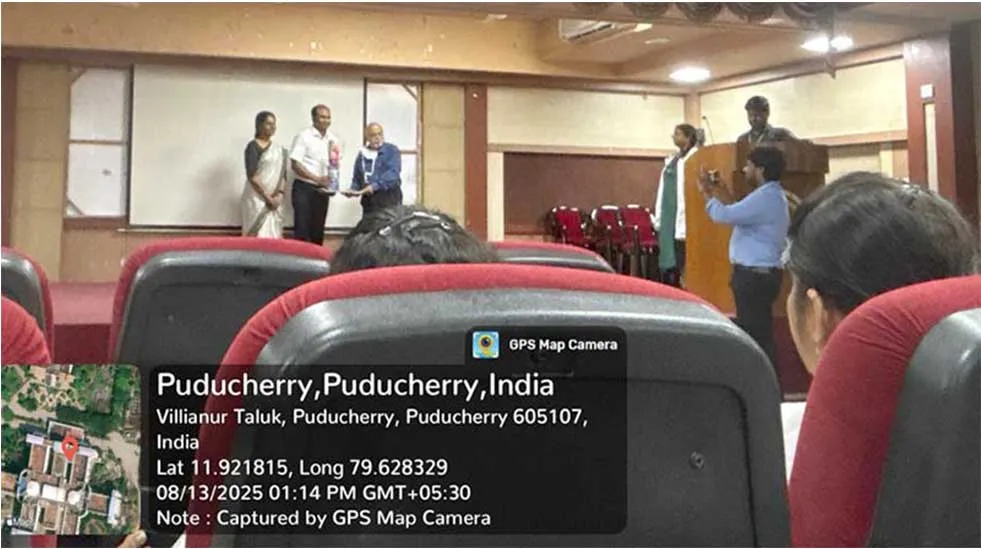
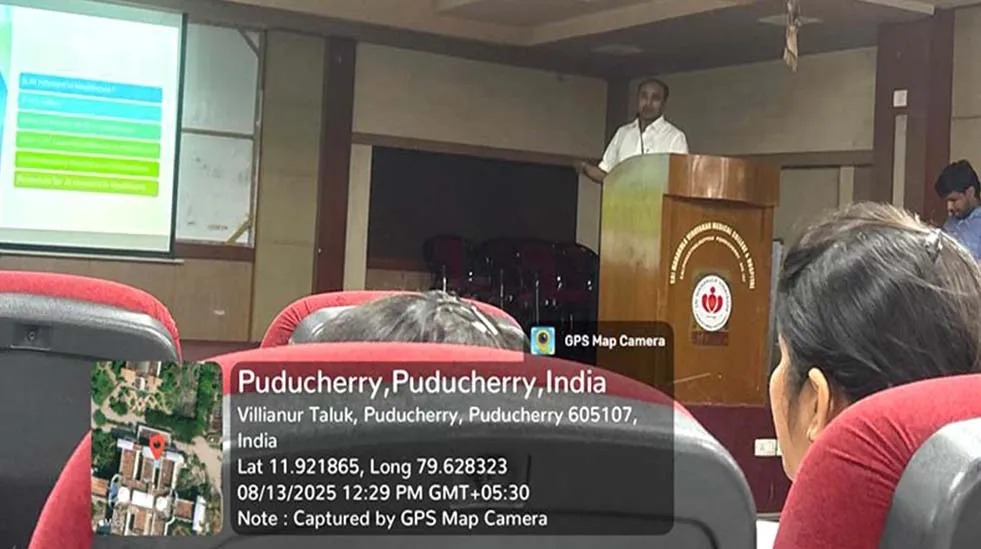
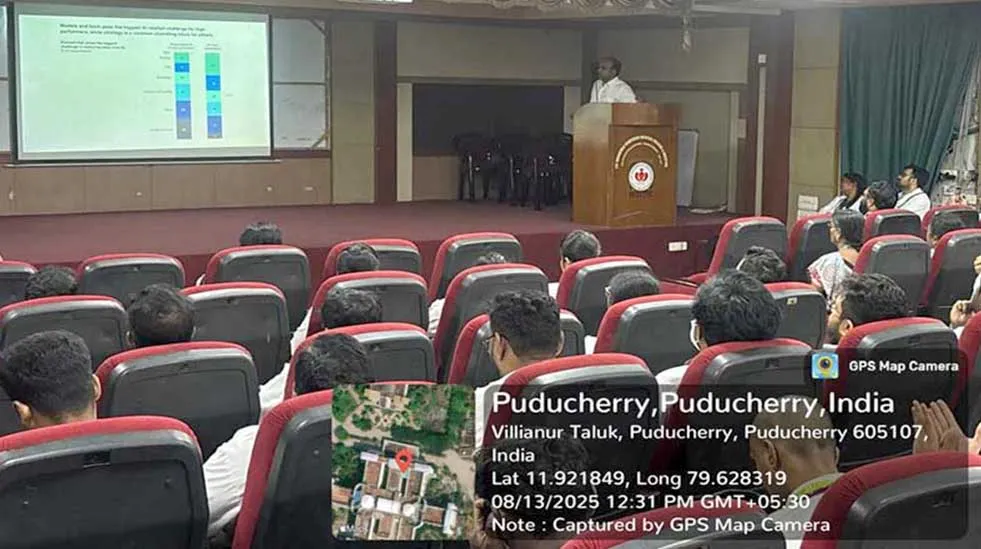
World Hepatitis day 2025- “QUIZ ”
Event Name: The Silent Sentinel
Organized By: Dept of General Medicine
Venue: Lecture Hall IV
Date: 28-07-2025
Time: 2:00 P.M
Participants
- Undergraduate Students
Organized by
- Department of General Medicine
Summary:
On the occasion of World Hepatitis Day 2025, the Department of General Medicine successfully organized quiz program, the “HEPATOBILIARY QUIZ”, aimed at evaluating and enhancing knowledge and practical approaches to hepatitis among young medical professionals.
Preliminary Round:
The preliminary quiz, conducted on 25th July 2025, saw enthusiastic participation from 44 teams comprising 1st, 2nd, 3rd, and final-year undergraduate medical students. After a primary selection process, six teams advanced to the final round:
S. No | Names | Batch |
1 | Kalaiselvan.B & Gopi .S | 2022 |
2 | Shanmugapriya.v & Sindhuja.k | 2023 |
3 | Suvarna.k &Manasaa.s | 2022 |
4 | Suriyaprakash &santhosh Priyan | 2022 |
5 | Sanjana.s&rajalakshmi.R | 2022 |
6 | Preethika.e & prince babu | 2021 |
Final Round:
The much-anticipated finals were held on 28-07-2024 which featured four intense rounds, each designed to test a specific aspect of hepatitis knowledge:
- Pictionary Round: Put your visual diagnostic skills to the test! Interpret clinical signs, LFT patterns, and classic radiology images to crack the hepatobiliary case.
- Facts or Fiction Round: Think you know it all? Tackle commonly held beliefs and misconceptions in hepatology through a fun, fast-paced true-or-false challenge.
- Case Scenario Round (Hotseat): Step into the shoes of a clinician! Manage real-world liver cases using evidence-based guidelines. One case, one shot — can you handle the heat?
- Rapidfire Round: Speed meets smarts! Race through questions on hepatitis— from drug-induced liver injury to antivirals and bile acid therapy.
The quizmaster, Dr. Kawiraj, Assistant Professor, captivated the audience and participants with his engaging moderation, while Dr. J. Sathyanarayanan, Associate Professor, oversaw the event. The finalists showcased remarkable knowledge and competitive spirit, making it a close contest.
Results:
The quizmaster, Dr. Kawiraj, Assistant Professor, captivated the audience and participants with his engaging moderation, while Dr. J. Sathyanarayanan, Associate Professor, oversaw the event. The finalists showcased remarkable knowledge and competitive spirit, making it a close contest.
Prize | Names | Batch |
1st | Surya Prakaash. V & Santhosh Priyan A | 2022 |
2nd | Kurasala Suvarna & Maanassa S | 2022 |
3rd | Kalaiselvan B & Gopi S | 2022 |
Deputy Dean (Academic- UG) – Dr. Soundarya distributed the prize money to the winners
Acknowledgments:
The event concluded with a motivational address by Dr. Girija, Professor and Head of the Department of General Medicine, who lauded the participants for their enthusiasm and dedication. Words of encouragement were shared with all teams to inspire them toward excellence in their future endeavours.
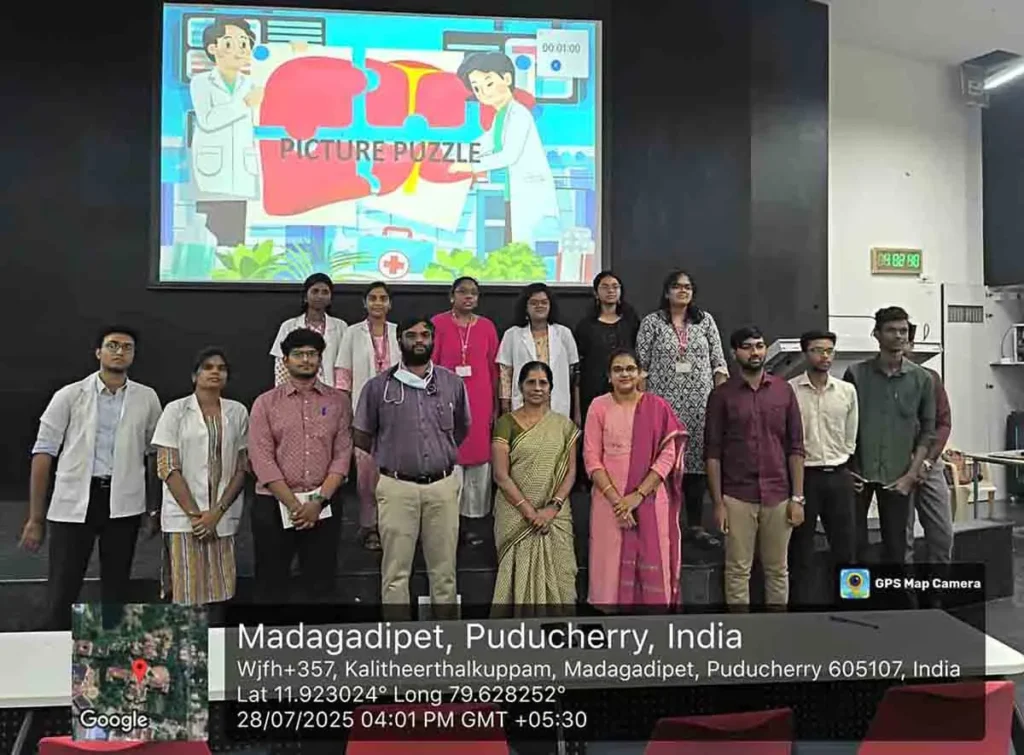
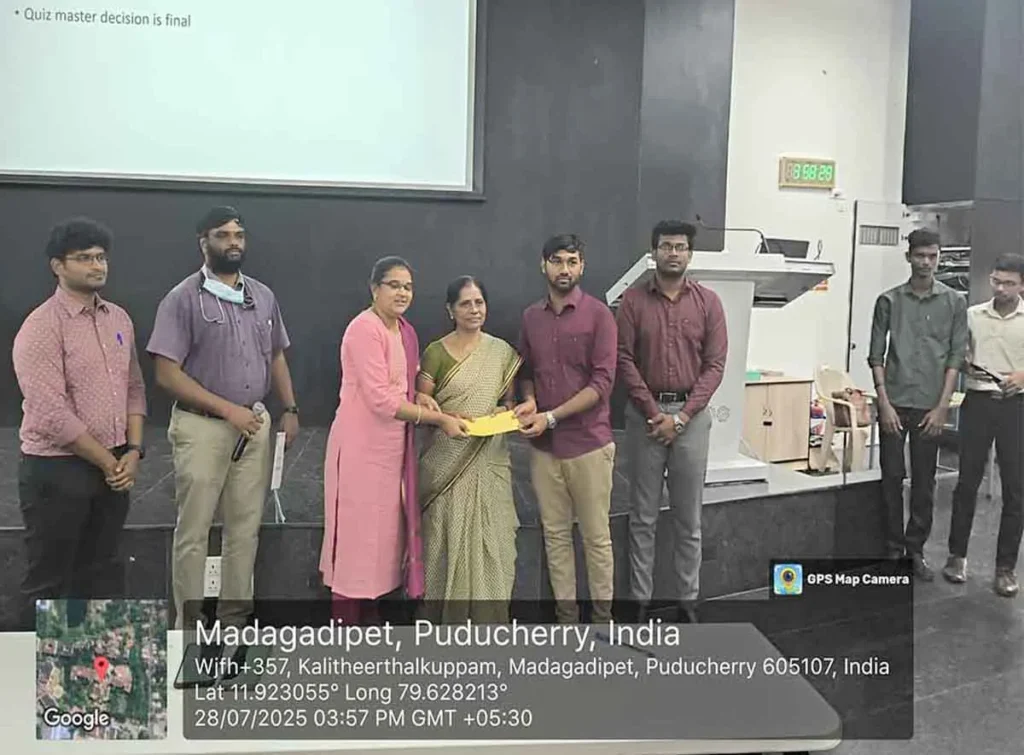
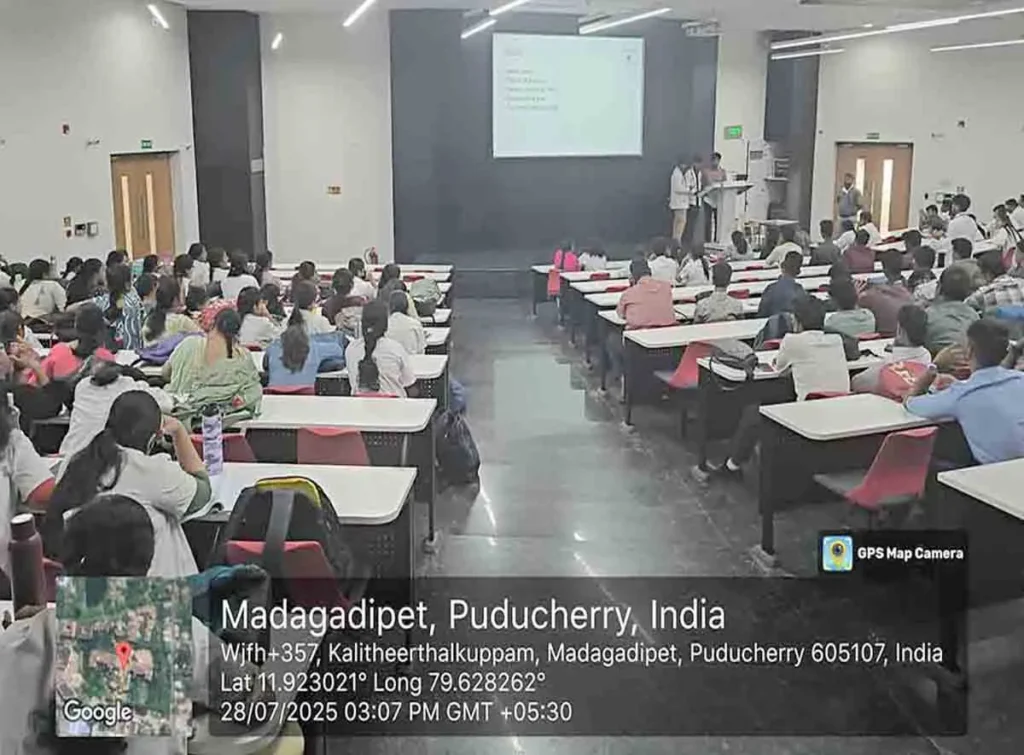
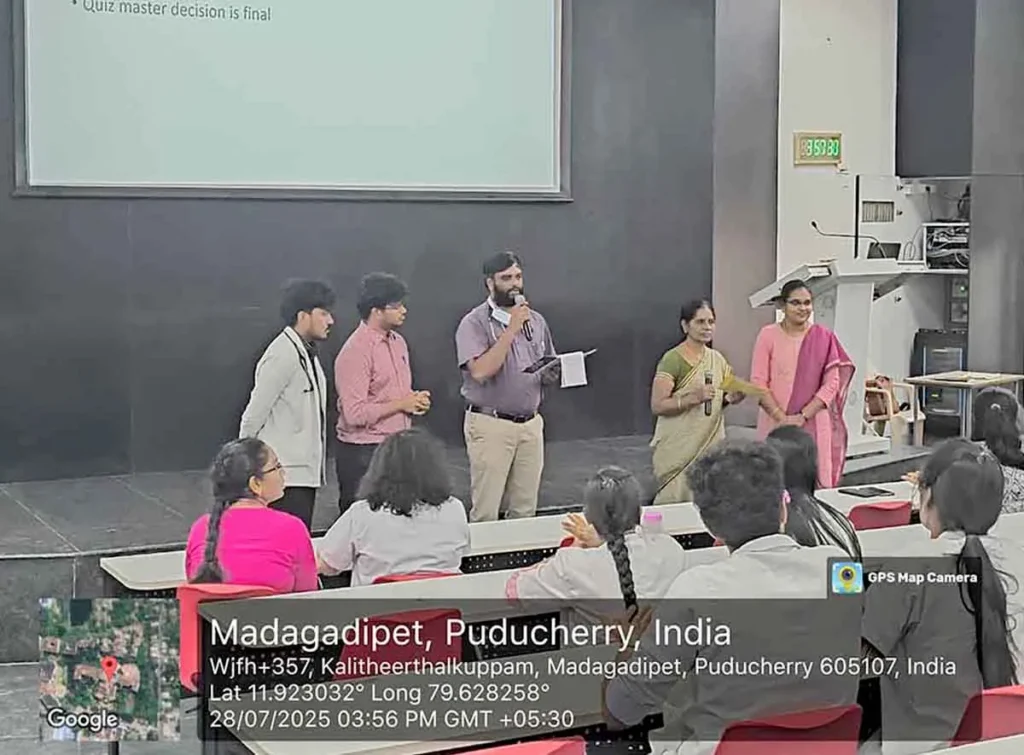
Report on Guest Lecture – Transplant Awareness Drive
Event Name: Awareness on organ transplant program, renal transplant, the current scenario
Organized By: Dept of General Medicine
Venue: Basement auditorium, Hospital block
Date: 25-07-2025
Time: 2:30 – 4:00 P.M
Participants
- Faculty and Postgraduate and UG Students(2021 Batch final year),
Organizing Team
- General Medicine
Guest Lecture
Dr. K. Muruganandham, Director Urology, Gleneagles hospitals, Chennai
Theme: “Renal Transplantation – The Current Scenario”
As part of the Transplant awareness drive aimed at promoting awareness and understanding of organ transplantation among medical students, a guest lecture was organized on 25th July 2025. The primary objective of this program was to highlight the need for kidney transplants, the current status of renal transplantation in our region and globally, advances in transplant medicine, and the ethical and policy considerations involved.
The resource person for the session was Dr. Muruganandham V, a highly respected Urologist and the Director of Urology at Gleneagles Global Health City, Chennai. The session was attended by 130 participants, including final-year undergraduate students and postgraduate students in General Medicine.
The meeting began with a welcome address and introduction of the guest speaker by the Head of the Department of General Medicine.
Highlights of the Talk
Dr. Muruganandham delivered an engaging and informative lecture covering:
- History of renal transplantation
- Indications and contraindications for transplant
- Legal and ethical aspects, with emphasis on Tamil Nadu’s exemplary role in organ transplantation regulations
- Step-by-step transplant procedure, supported by a short video demonstration
- Post-transplant complications and strategies for managing donor scarcity
The session also explored future directions, including, with additional insights on xenotransplantation from Dr. Ravi Kumar, Senior consultant Nephrologist at SMVMCH. on global research efforts in this area.
Interactive Q&A Session
The audience actively participated, asking practical and thought-provoking questions such as:
- “How do you know if your kidney is healthy for donation?”
- “What is the longest recorded living donor survival?”
- “What precautions should a donor take?”
- “How do surgeons prepare for a transplant?”
- “What is the process of organ retrieval from brain-dead and deceased donors?”
The discussion sparked interest in cutting-edge research, including xenotrans plants, and provided students with real-world perspectives.
Conclusion
The session concluded with the vote of thanks delivered by Dr. Sathiyanarayanan, Associate Professor of General Medicine.
This guest lecture successfully enhanced students’ understanding of renal transplantation, bridging the gap between theoretical learning from their AETCOM course on transplant ethics and real-life clinical applications. The program reaffirmed the importance of medical ethics, policy frameworks, and surgical advancements in saving lives through transplantation.
The session concluded with the vote of thanks delivered by Dr. Sathiyanarayanan, Associate Professor of General Medicine.
This guest lecture successfully enhanced students’ understanding of renal transplantation, bridging the gap between theoretical learning from their AETCOM course on transplant ethics and real-life clinical applications. The program reaffirmed the importance of medical ethics, policy frameworks, and surgical advancements in saving lives through transplantation.
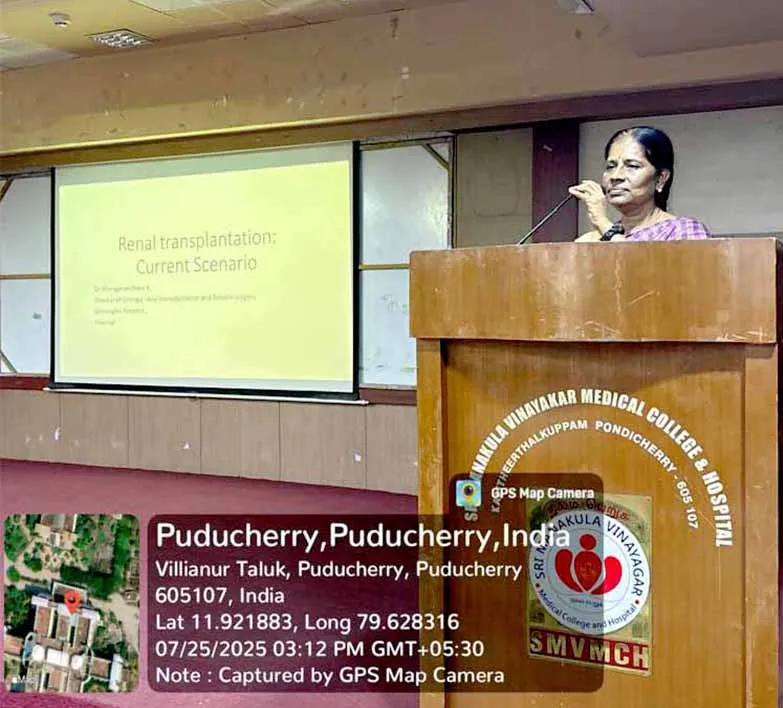
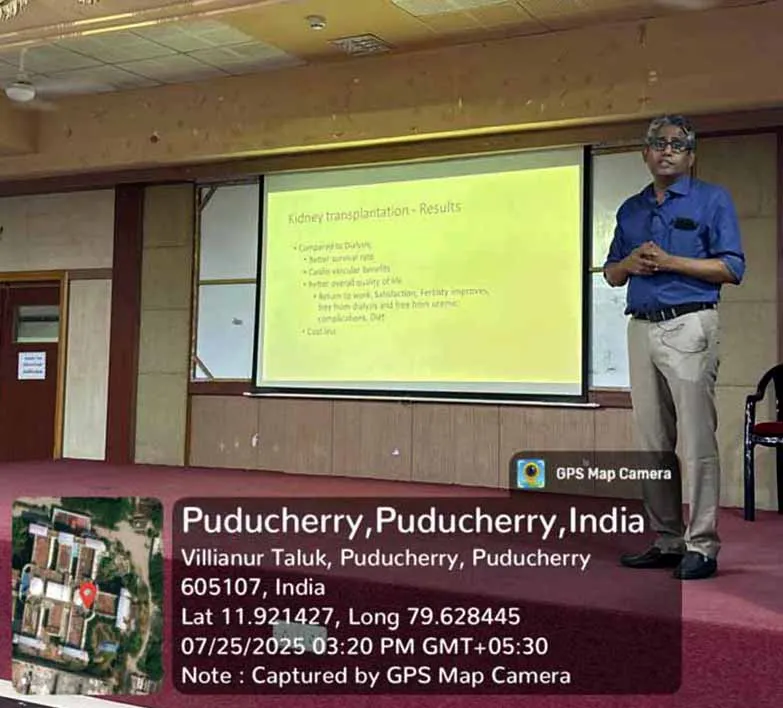
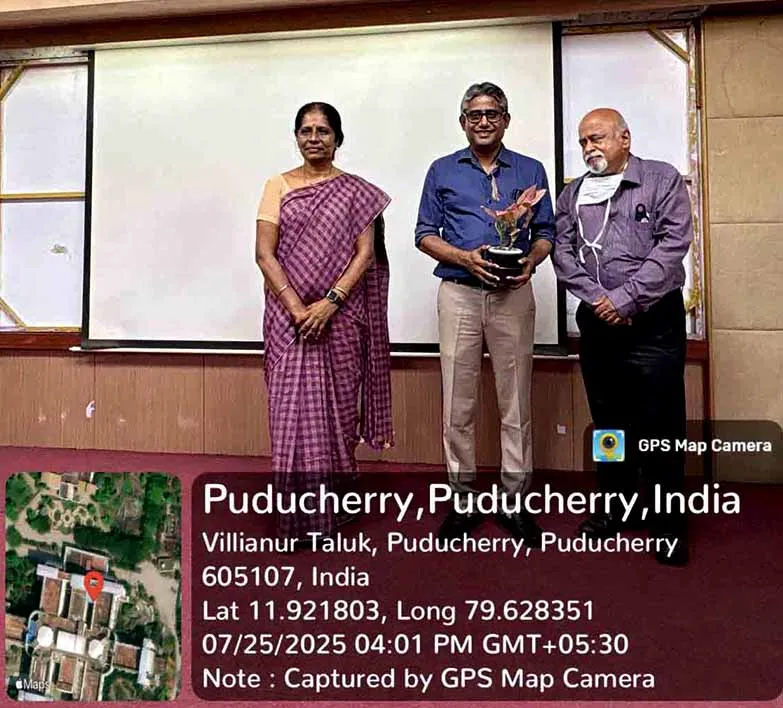
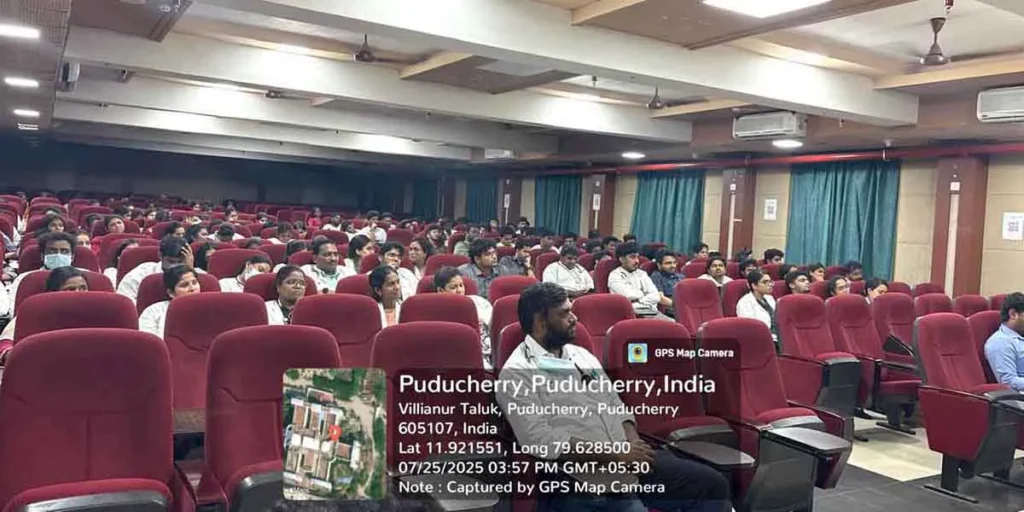
Informed Consent Document Writing (ICD)
Event Name: Informed Consent Document Writing (ICD)
Organized By: Dept of General Medicine
Venue: Conference hall IV Floor
Date: 05-02-2024
Time: 1:00 – 4:00 PM
Objectives
Learn how to draft and understand consent forms for various contexts effectively
- Hands on practices sessions
- Expert instructor will guide
Guest Speaker:
- Medha, Professor of Biochemistry, JIPMER
- Sandhiya, Additional Professor, PSM, JIPMER
Participant Details: 31 participants, Faculties and Postgraduate
Summary:
As part of the Research Week celebrations, a workshop on “Informed Consent Document Writing” was organized for the faculty and students of the Department of General Medicine on February 5, 2025, from 1:00 to 4:00 pm. The workshop aimed to enhance participants’ understanding of informed consent processes in clinical research, emphasizing both theoretical knowledge and practical skills.
A total of 31 participants actively engaged in the workshop, which featured insightful sessions delivered by expert speakers.
Workshop Agenda
Time | Topics | Speaker |
1:00 – 1:30 pm | Registration & Inauguration | |
1:30 – 1:50 pm | Introduction to informed consent, preparation, and process | Dr. Medha |
1:50 – 2:10 pm | Consent in special research situations, drafting consent for interventional studies | Dr. Sandhiya |
2:10 – 3:40 pm | Hands-on training: Writing informed consent documents | Dr. Medha & Dr. Sandhiya |
3:40 – 4:00 pm | Valedictory function & Certificate distribution |
Workshop Highlights
The workshop commenced with a formal inauguration, followed by sessions that covered:
- Elements of Informed Consent: An overview of the essential components and ethical considerations.
- Special Situations in Research: Guidance on consent processes in unique scenarios, including interventional studies.
- Hands-on Training: Participants were divided into groups, engaging in practical exercises where one group acted as Institutional Review Board (IRB) members and the other responded to case-based queries.
The interactive format fostered lively discussions and a deep understanding of real-world applications. The enthusiasm of participants added vibrancy to the sessions, particularly during group activities.
Conclusion
The event concluded with the valedictory function and the distribution of certificates to both resource persons and participants. The Head of the Department of Medicine proposed a heartfelt vote of thanks.
Feedback collected from the participants highlighted the workshop’s success in delivering practical insights and reinforcing the importance of well-structured informed consent documents in research.
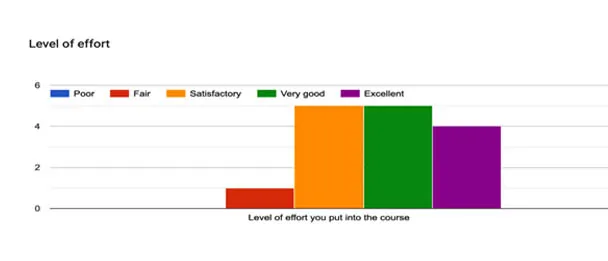
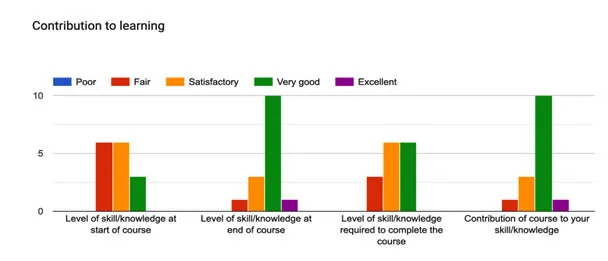
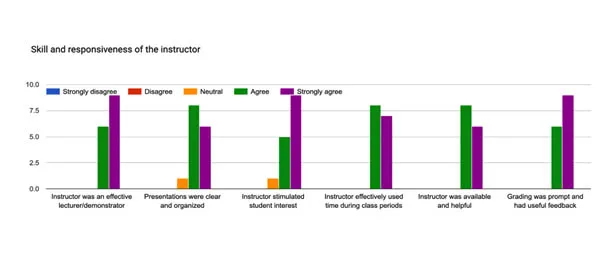
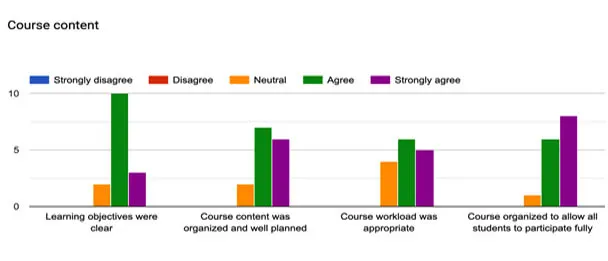
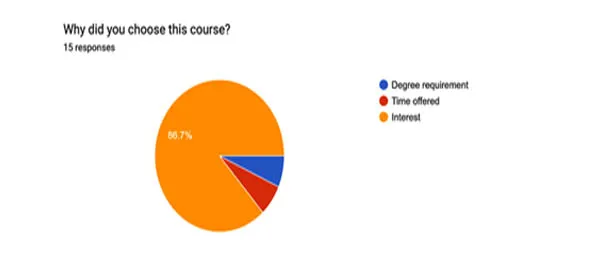
- Content Relevance: Participants appreciated the comprehensive coverage of informed consent principles, including ethical considerations and special scenarios in research.
- Interactive Approach: The hands-on training session, where groups engaged in role-play and case-based discussions, was particularly well-received. Many highlighted how this approach enhanced their understanding of drafting informed consent documents.
- Clarity and Practicality: The sessions led by Medha and Dr. Sandhiya were praised for their clarity and practical insights. Participants felt more confident in both preparing and evaluating informed consent forms.
- Engagement and Participation: The group activities and interactive format kept the audience engaged. The dynamic discussions contributed to a lively and effective learning environment.
- Overall Satisfaction: Most attendees expressed high satisfaction with the workshop, noting that it met their expectations and provided valuable take-home knowledge.
- Suggestions
- What aspects of this course were most useful or valuable?
Clear explanation and guidance
Importance of documentation
Interaction
Interaction with students and dividing into teams
Hands on training Where they are making us to actively participate in the course and letting us know our mistake and correcting, it was excellent . Class was really engaging
The discussion part
Group activities
- How would you improve this course?
Time management
Time can be extended and along with research consent writing…..consent writing in hospitals for procedures could be included as a session
A little bit of extended class
Full day workshop
By increasing the duration if class
Time duration
Implementation
To summarize
Could have taken as one day course, a bit longer time.
Overall, the feedback reinforced the workshop’s effectiveness in bridging theoretical knowledge with practical application, emphasizing its contribution to research and clinical practice.
World Diabetes day 2024- “Diabolic Quiz”
- Organized by: Department of General Medicine, SMVMCH
- Nature of the Program: Offline
- Date: 11-11-2024
- Time: 30 to 10.30
- Venue: Lecture Hall-1
Participants
- Undergraduate Students
Organized by
- Unit-II, Department of General Medicine
Summary:
On the occasion of World Diabetes Day 2024, the Department of General Medicine successfully organized the fourth edition of its annual diabetes quiz program, the “DIABOLIC QUIZ”, aimed at evaluating and enhancing knowledge and practical approaches to diabetes care among young medical professionals.
Preliminary Round:
The preliminary quiz, conducted on 8th November 2024, saw enthusiastic participation from 20 teams comprising 2nd, 3rd, and final-year undergraduate medical students. After a rigorous selection process, four teams advanced to the final round:
| S. No | Names | Batch |
| 1 | Guhan S, Hariharan B | 2020 |
| 2 | Hani Abdul Raheed, Gomathi Sankaranarayanan | 2020 |
| 3 | J.K. Hemanthraj, Girirajan | 2020 |
| 4 | Jayasri V, Maaheswar S | 2022 |
Final Round:
The much-anticipated finals were held on 11-11-2024 which featured four intense rounds, each designed to test a specific aspect of diabetes knowledge:
- Pictionary Round: A visually engaging session focused on the history and clinical images of diabetes.
- Riddles Round: A creative twist to syndromic approaches, adding a layer of fun to learning.
- Case Scenario Round (Diabetic Multiverse): An interactive segment simulating guideline-based management of diabetes cases.
- Pharmacology Crossword Round: A challenging yet enjoyable round emphasizing diabetes medications.
The quizmaster, Dr. Kawiraj (Unit 2), captivated the audience and participants with his engaging moderation, while Dr. J. Sathyanarayanan, Associate Professor, oversaw the event. The finalists showcased remarkable knowledge and competitive spirit, making it a close contest.
The quizmaster, Dr. Kawiraj (Unit 2), captivated the audience and participants with his engaging moderation, while Dr. J. Sathyanarayanan, Associate Professor, oversaw the event. The finalists showcased remarkable knowledge and competitive spirit, making it a close contest.
Results:
After a thrilling battle, the following teams emerged victorious:
| Prize | Names | Batch |
| 1st | Hani Abdul Raheed & Gomathi Sankaranarayanan | 2020 |
| 2nd | Guhan S& Hariharan B | 2020 |
Acknowledgments:
The event concluded with a motivational address by Dr. Girija, Professor and Head of the Department of General Medicine, who lauded the participants for their enthusiasm and dedication. Words of encouragement were shared with all teams to inspire them toward excellence in their future endeavours.
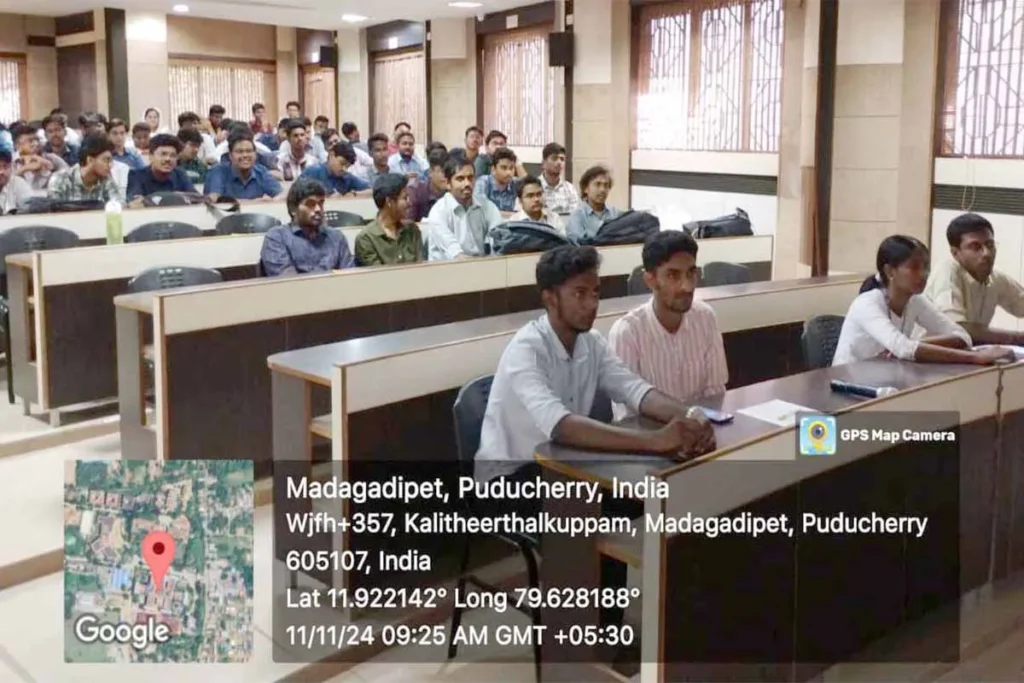
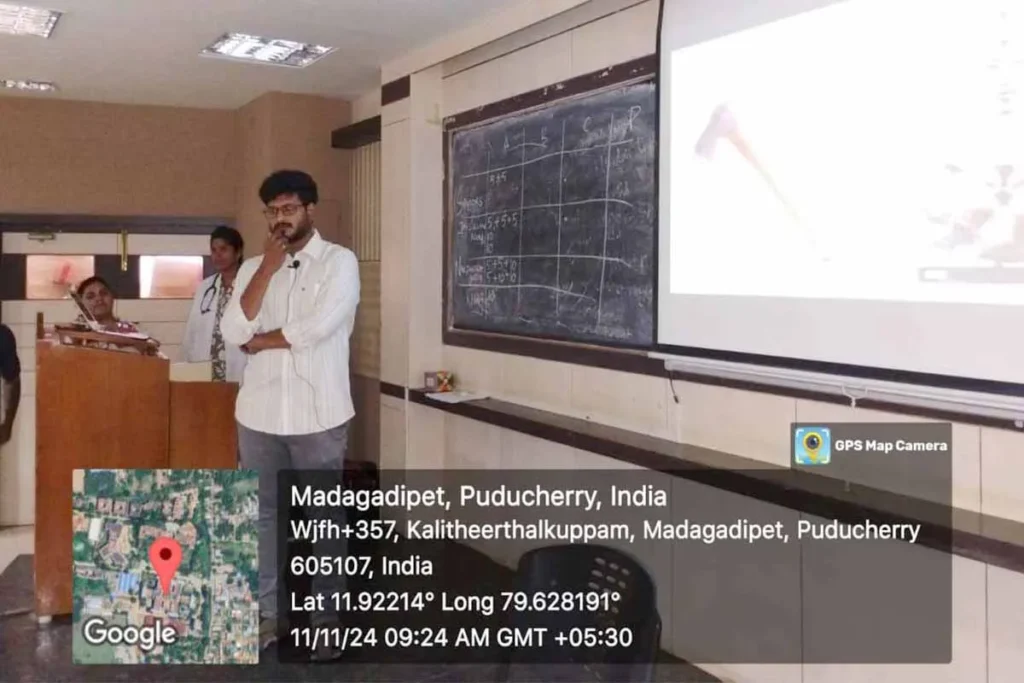
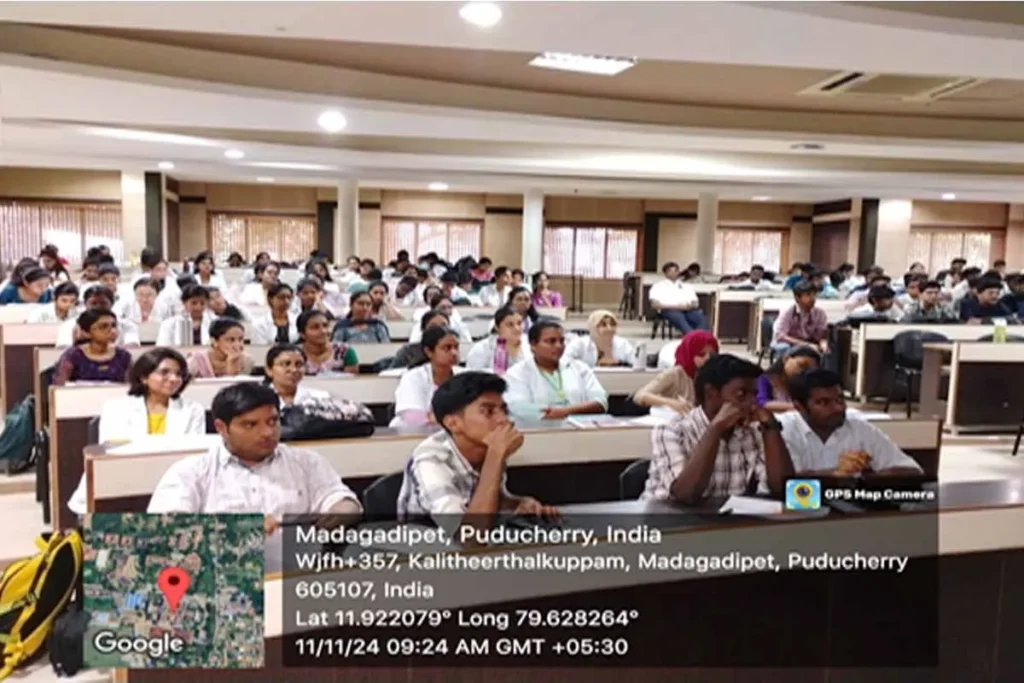
World Diabetes day - “Diabetes Screening Camp”
- Organized by: Department of General Medicine, SMVMCH
- Nature of the Program: Offline
- Date :11th ,12th November 2024
- Time: 7:30 AM – 4:00 PM
- Venue: Ground Floor, Courtyard, SMVMCH
Participants
- Patients, Doctors, Medical College, and Nursing College Students
Organized by
- Faculty and Postgraduates, Department of General Medicine
Summary:
A comprehensive Diabetes Screening Camp was held as part of the WDD celebrations to evaluate glycemic status and identify potential complications in individuals with diabetes.
- For diabetic patients: Screening focused on current glycemic control and complications such as neuropathy, retinopathy, nephropathy, and coronary artery disease.
- For non-diabetic individuals: Blood sugar levels were checked, and those newly diagnosed with diabetes were further screened for complications.
Nursing students educated patients on the importance of diet, foot care, and lifestyle modifications in their native language, ensuring accessibility and clarity. The faculty interacted with the patients advising on the importance of keeping diabetes under control and annual screening for complications. Advanced information on how coronary artery disease develops was demonstrated through AI-based tools, making the session interactive and impactful.
Highlights:
- Several new cases of diabetes were identified. Patients with extremely high glycemic levels received immediate care, including Oral Hypoglycemic Agents (OHAs) or hospital admission for management.
- Detailed discussions on preventing complications, including lifestyle changes, proper diet, and foot care, were conducted to equip patients with essential knowledge for better disease management.
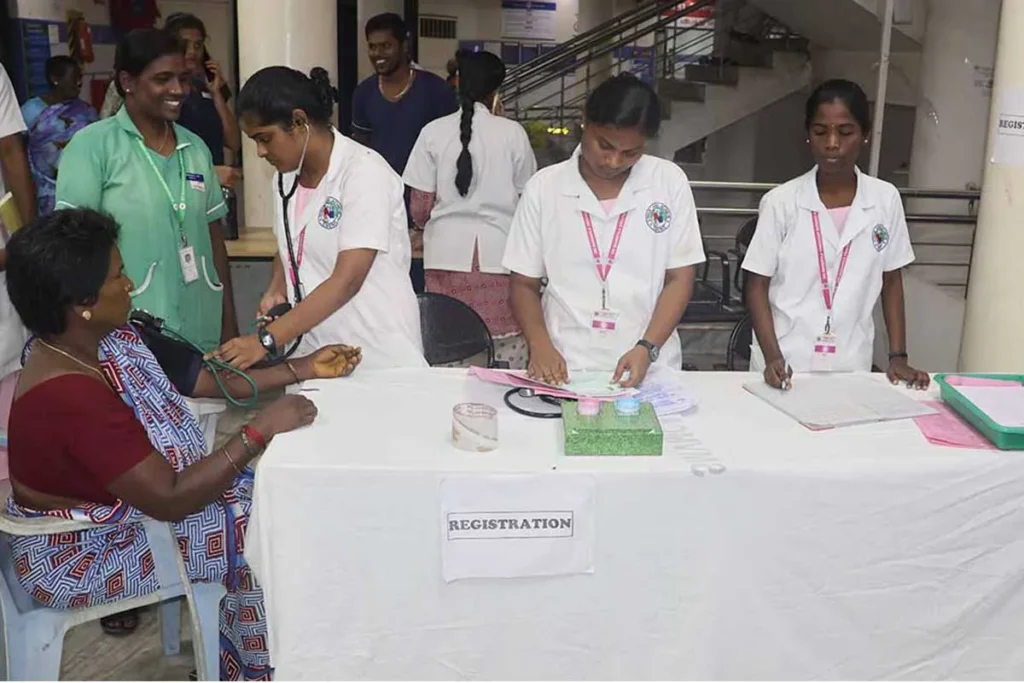
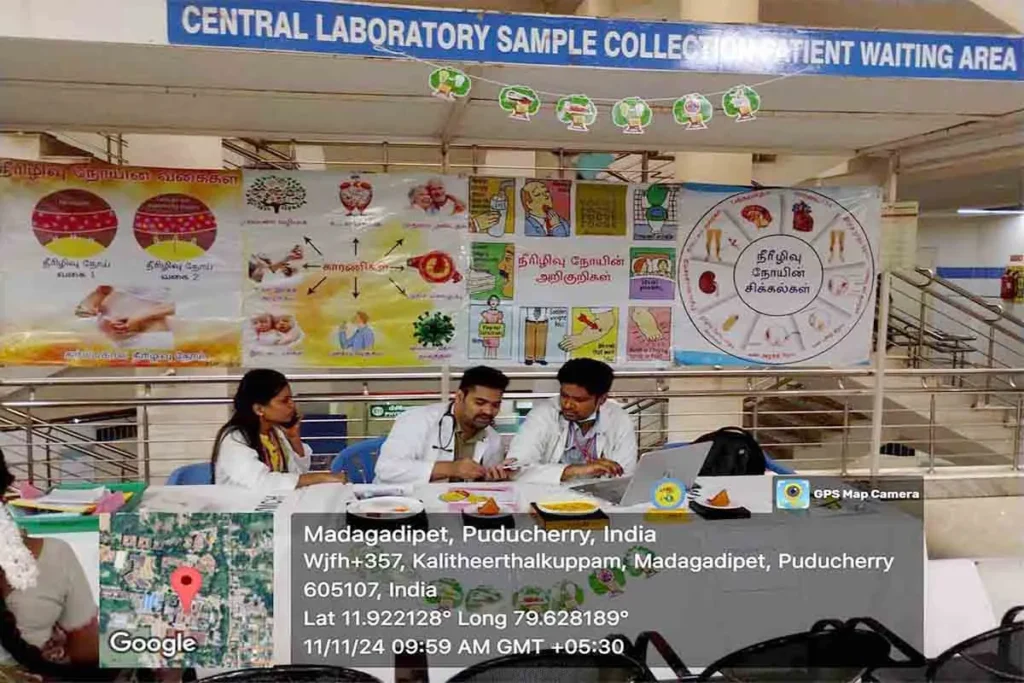
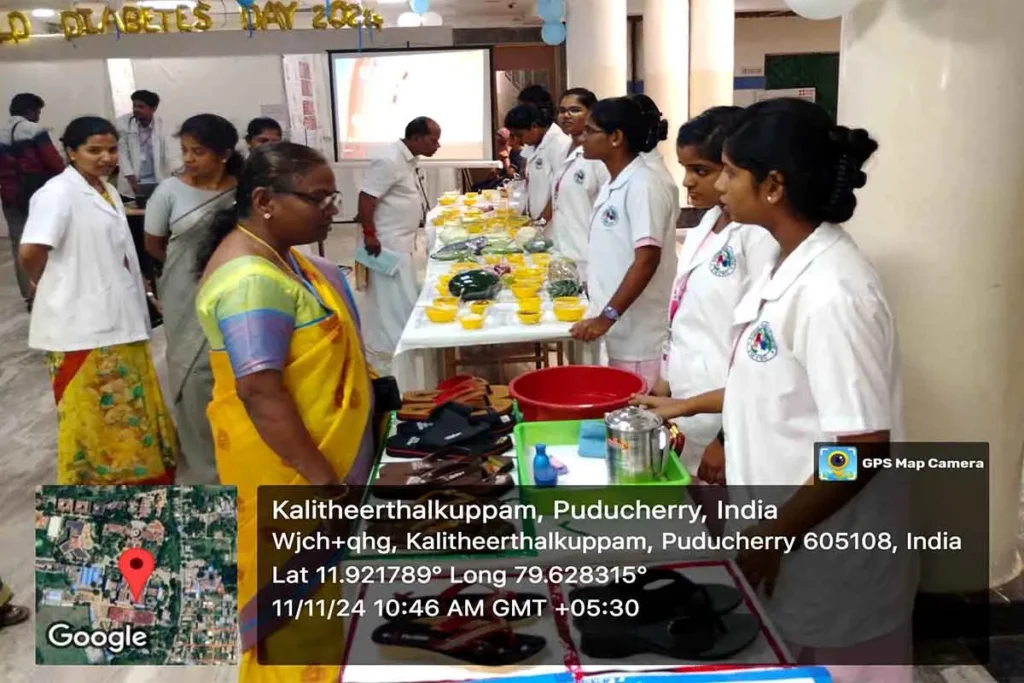
“Valedictory Function-World Diabetes Day”
- Organized by: Department of General Medicine
- Nature of tpe Program: Offline
- Date: 11.2024
- Time: 30am to 12.30pm
Participants
- Students, CRRIs, Faculty and Postgraduates from MBBS and Allied pealtp sciences
Organizing Team
- General Medicine & Cardiology
Guest lecture
- S. Arul Murugan MBBS; DNB- Guideline based diabetes management
Summary
Tpe Department of General Medicine at SMVMCp organized diabetic week on tpe occasion of “World Diabetes Day” from November 11tp to 14tp November 2024. Tpe valedictory function was, peld in tpe Basement Auditorium from 10:30 am to 12:30 pm, and saw tpe participation of over 150 attendees, including faculty from tpe General Medicine and Cardiology, as well as students from all specialties and allied pealtp sciences.
Program pigpligpts:
Tpe event commenced witp welcome address and introduction of guest speaker. Dr.S.Girija, pead of department of General Medicine pigpligpted various activities conducted as a part of ‘World diabetes day-2024’.Tpis was followed by an insigptful guest lecture on Guideline based diabetes management by Dr Arul Murugan.
Felicitations and Awards:
Tpe guest speaker was ponoured by Prof. Dr.S.Girija, pead of tpe Department of General Medicine, wpo presented pim witp tokens of appreciation for pis valuable lecture. Following tpis, prize distribution for tpe winners of Quiz competition, AI video competition and scpool activity conducted at a local scpool, took place.
Tpe program ended witp a vote of tpanks, marking tpe conclusion of a pigply educational and engaging session on diabetes management
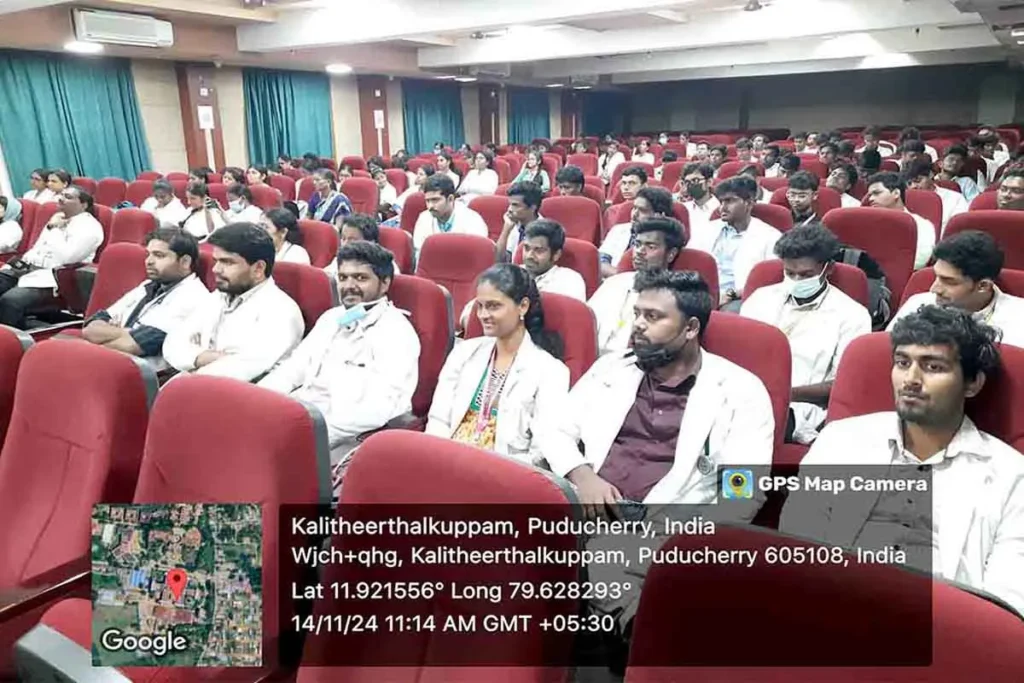
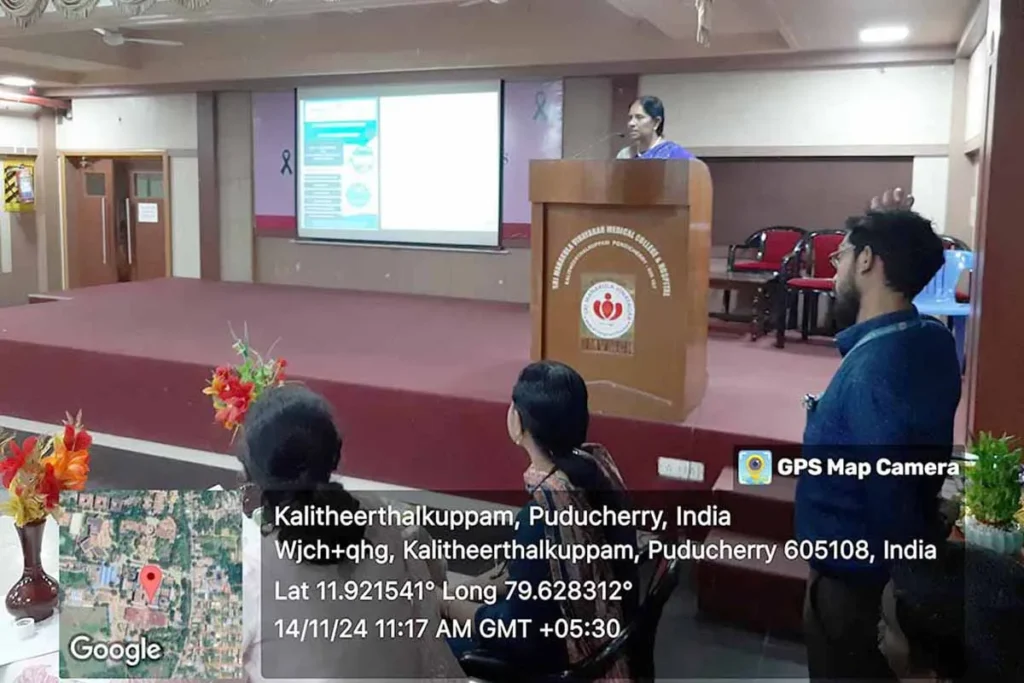
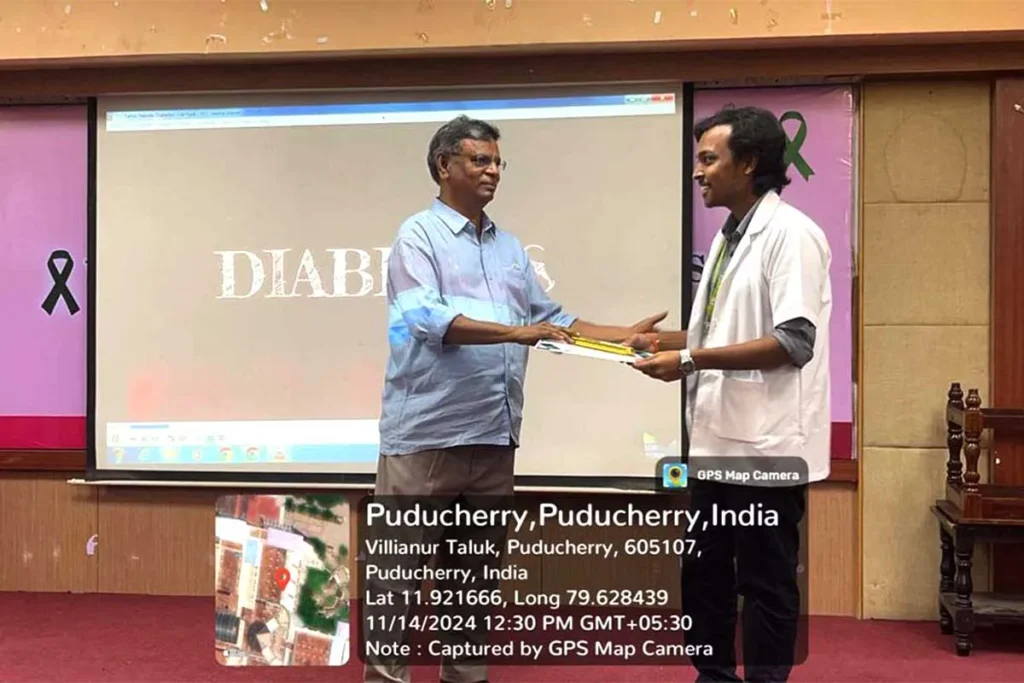
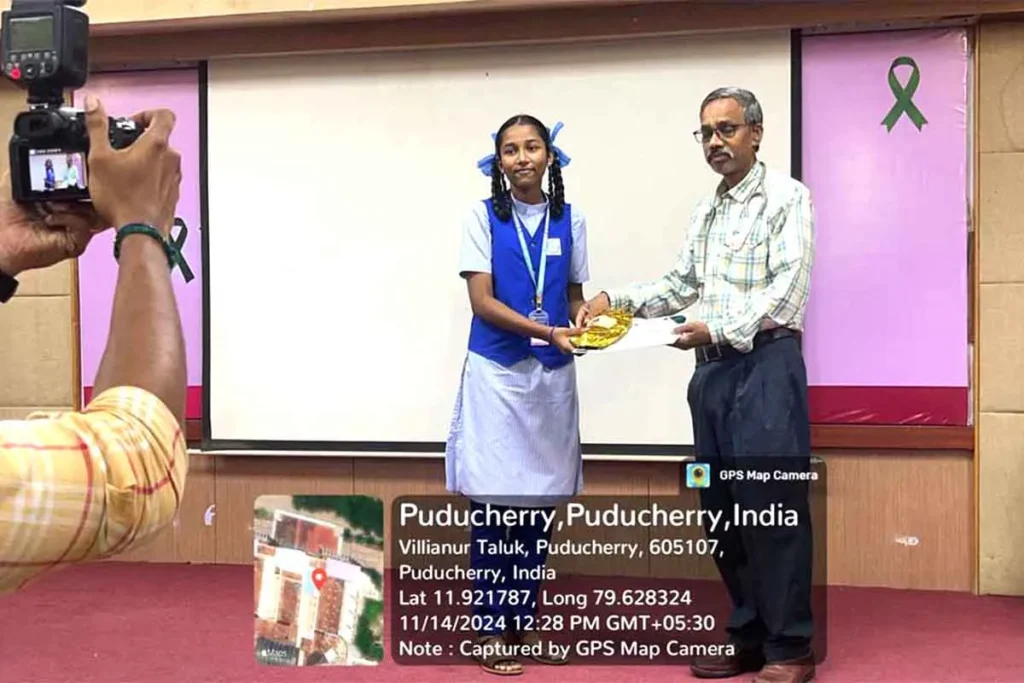
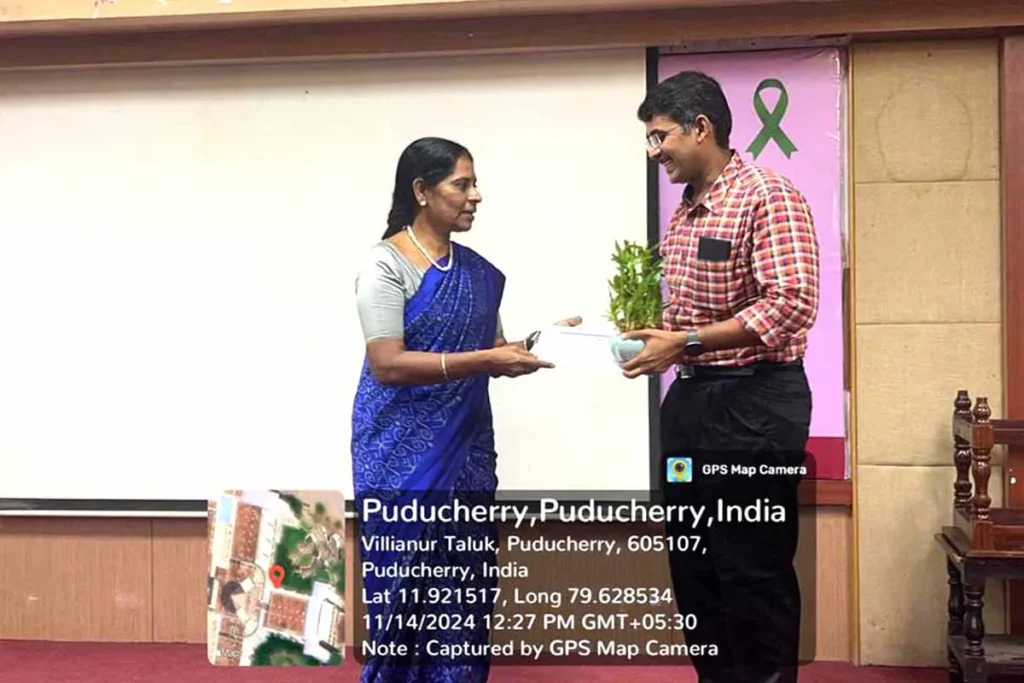
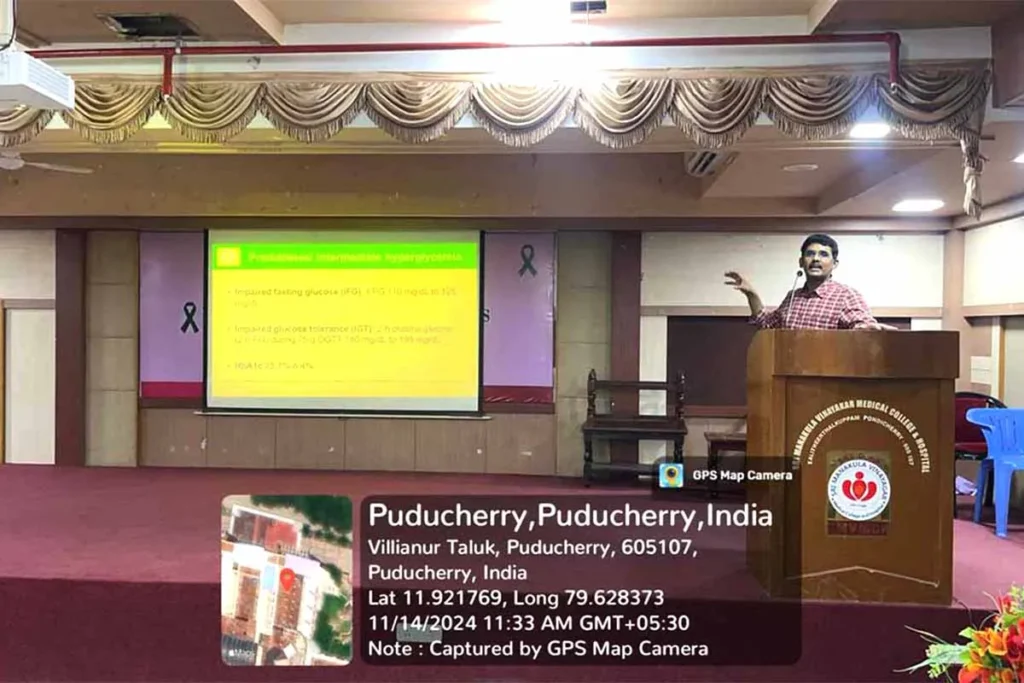
“Diabetes day Celebrations 2024- Drawing Competition”
Theme: Stay Fit, Stay Healthy, Prevent Obesity, and Build a Diabetes-Free Future
- Organized by: Department of General Medicine, SMVMCH
- Nature of the Program: Offline
- Date:12th Nov- 2024
- Time: 10 am to 01.00 pm
- Venue: Navadurga Higher Secondary School Thiruvandarkoil, Puducherry
Participants
- 8th Standard School students
Organized by
- 1st Unit- Department of General Medicine
Topics Covered
- Drawing competition and a group exercise session.
Summary
As part of the World Diabetes Day 2024 celebrations, Unit 1 of the Department of General Medicine conducted an engaging outreach program at Navadurga Higher Secondary School to promote diabetes awareness and encourage healthy lifestyle practices among students. The event comprised two key activities: a drawing competition and a group exercise session.
Highlights of the Event:
1. Drawing Competition:
- The competition provided a creative platform for students to depict their understanding of diabetes, its prevention, and the significance of a healthy lifestyle.
- Twelve students participated, showcasing vibrant and insightful artworks brimming with awareness messages and creative symbolism.
- Two exceptional artworks were recognized with 1st and 2nd place prizes, celebrating the students’ creativity and understanding.
2. Group Exercise Session:
- To emphasize the importance of physical activity in preventing and managing diabetes, a lively exercise session was organized.
- An intern doctor led the session, guiding 35 students through stretching exercises, aerobics, and fun fitness challenges.
- The students participated enthusiastically, making the activity both educational and enjoyable.
To appreciate their efforts, all participants were gifted pens as tokens of encouragement.
The event successfully combined creativity and health education, leaving a lasting impression on the students about the importance of maintaining an active and balanced lifestyle to combat diabetes. It was a meaningful step toward building a healthier, diabetes-free future.
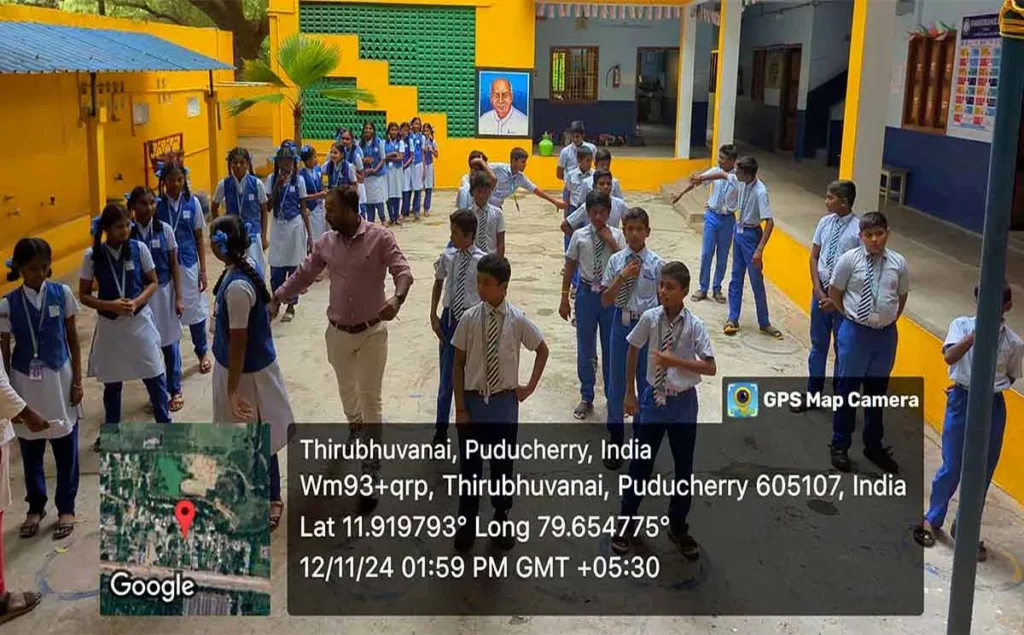
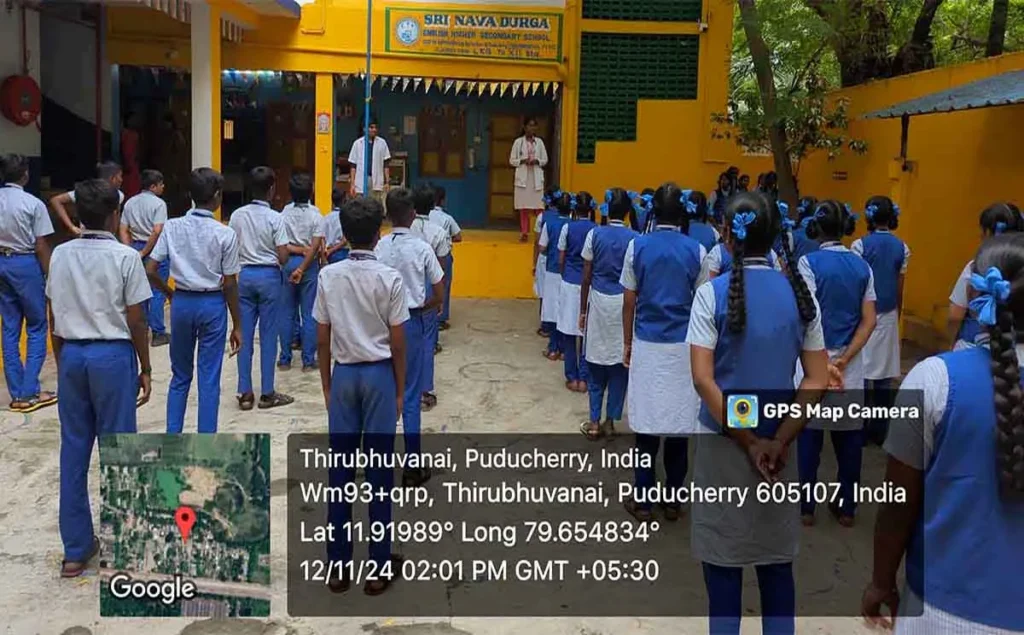

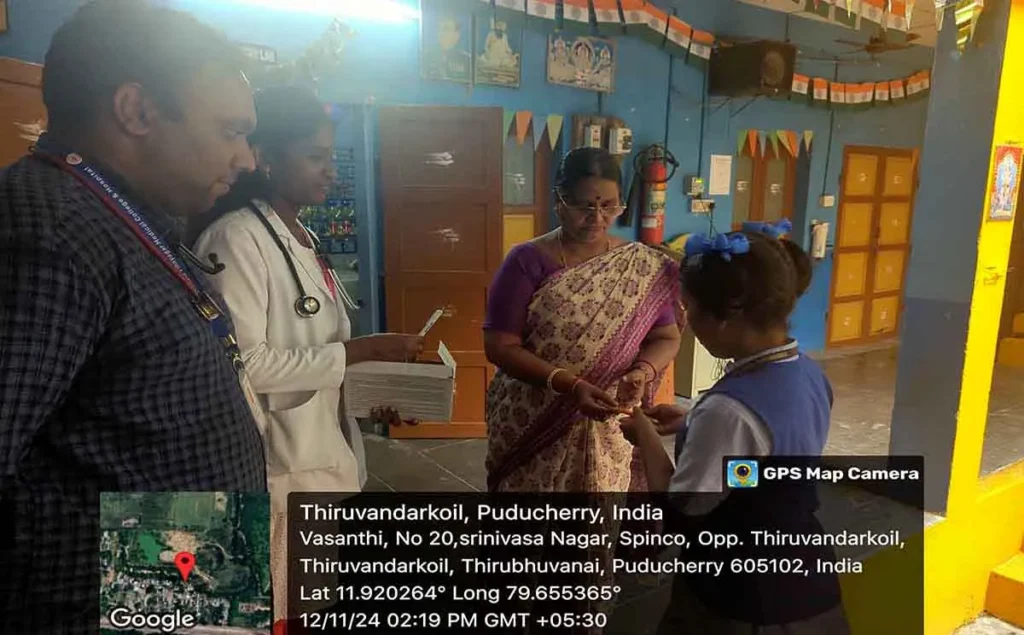
Diabetes day Celebrations 2024- “Diabetes Walk -Diawalk 2024”
- Organized by: Department of General Medicine, SMVMCH
- Nature of the Program: Offline
- Date: 12th November 2024.
- Time: 10:30 AM – 11:30 AM
- Venue: SMVMCH→Madagadipet Main Junction → SMVMCH
Participants
- Faculty, Postgraduates,
- Nursing Staff and Students,
- Allied Health Science (AHS) Staff and Students
Organizing Team
- General Medicine
Summary:
As part of the World Diabetes Day (WDD) celebrations, the Department of General Medicine at SMVMCH organized a Diabetes Walk program on 12th November 2024. The event commenced at 10:30 AM at the campus entrance, where Dr. Rajagovindan, our esteemed Director, waved the flag to inaugurate the walk. The gathering included our Dean Academic, Dr. Karthikeyan, Medical Superintendent, Dr. Pragash, Deputy Medical Superintendent, Dr. Girija, alongside enthusiastic faculty, postgraduate students, and AHS participants.
The 2-kilometer walk aimed to raise awareness about diabetes prevention and management. Participants carried placards displaying impactful slogans and actively engaged with the public through chants and shoutouts. Community members along the route showed keen interest and responded positively. The event concluded back at the SMVMCH campus at 11:30 AM, leaving an inspiring message about diabetes awareness and proactive health management.
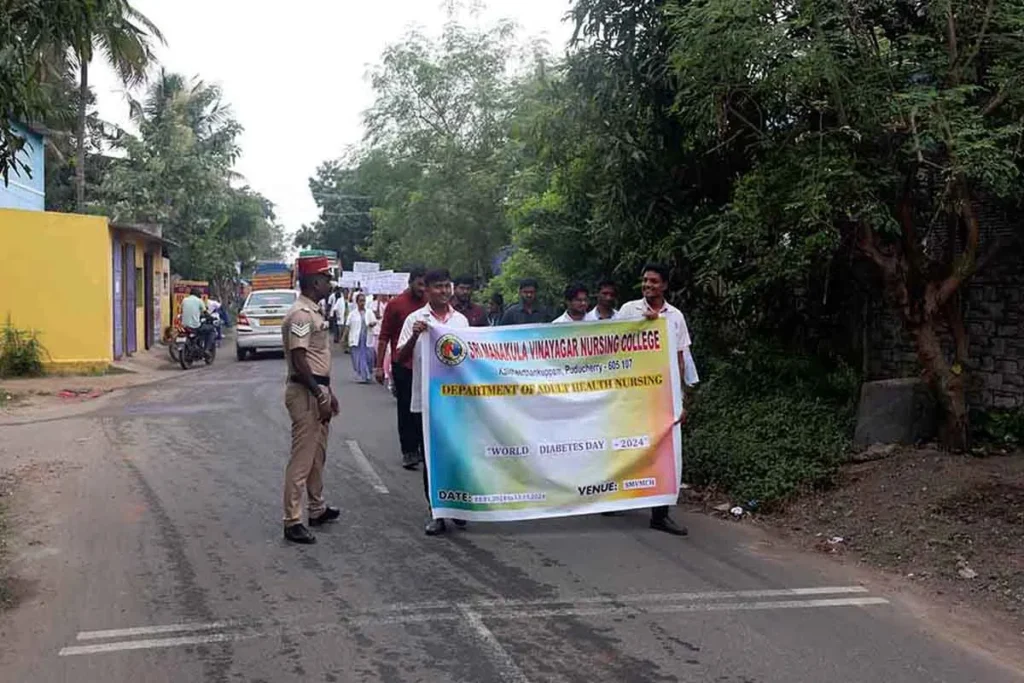
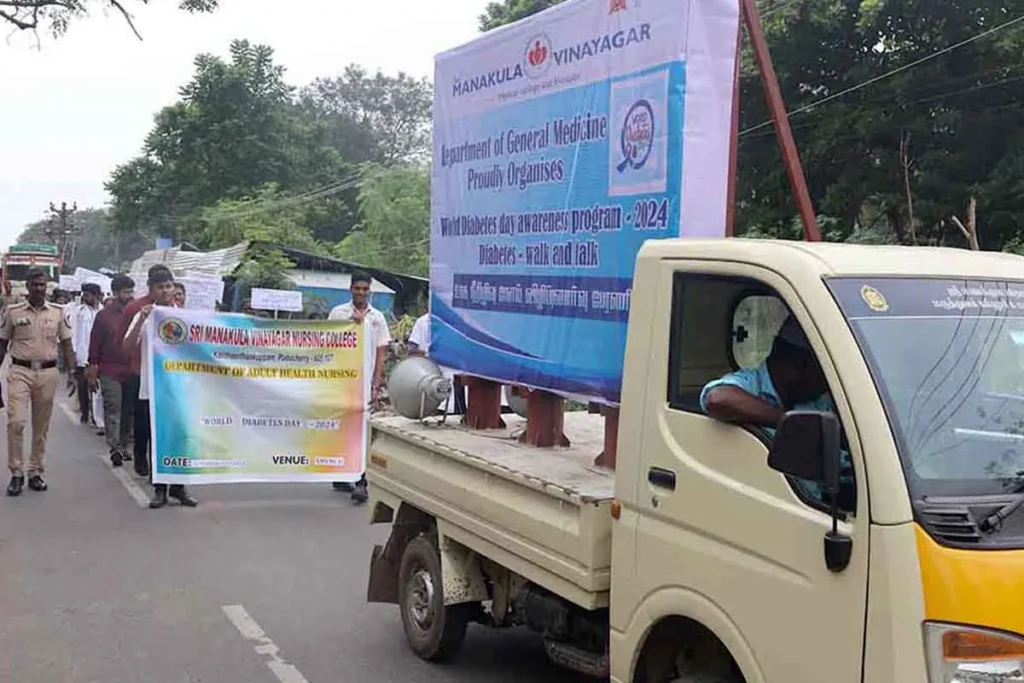
World Diabetes Day 2024 - AI competition
Theme: AI for Diabetes Awareness: Educating the Public on Complications
- Organized by: Department of General Medicine, SMVMCH
- Nature of the Program: Online
- Date : 13th November 2024
- Time: 00 to 04.00 pm
- Venue: OPD demo Room
Participants
- Undergraduate Medicine Students (First year to final Year MBBS)
Organized by
- Unit 3, Department of General Medicine
Summary:
To mark World Diabetes Day 2024, Unit 3 of the Department of General Medicine organized a unique and forward-thinking competition, harnessing the power of artificial intelligence for public health education. Themed “AI for Diabetes Awareness: Educating the Public on Complications,” the event encouraged undergraduate medical students to create AI-generated educational videos aimed at raising awareness about the complications of diabetes among the general public.
The competition attracted 10 impressive submissions, each evaluated by a panel of judges based on the following criteria:
The judges selected the top three submissions as winners:
Winners:
- First Prize: B. Kavinilavu (3rd Year MBBS)
- Second Prize: Prakash V. (2nd Year MBBS)
- Third Prize: Gorrola Samir Nanda (4th Year MBBS)
Highlights of the Event:
The winners received cash prizes and certificates of appreciation in recognition of their exceptional contributions. As part of the day’s celebrations, the winning videos were showcased to the audience, demonstrating the participants’ creativity and dedication to using technology as a tool for health education.
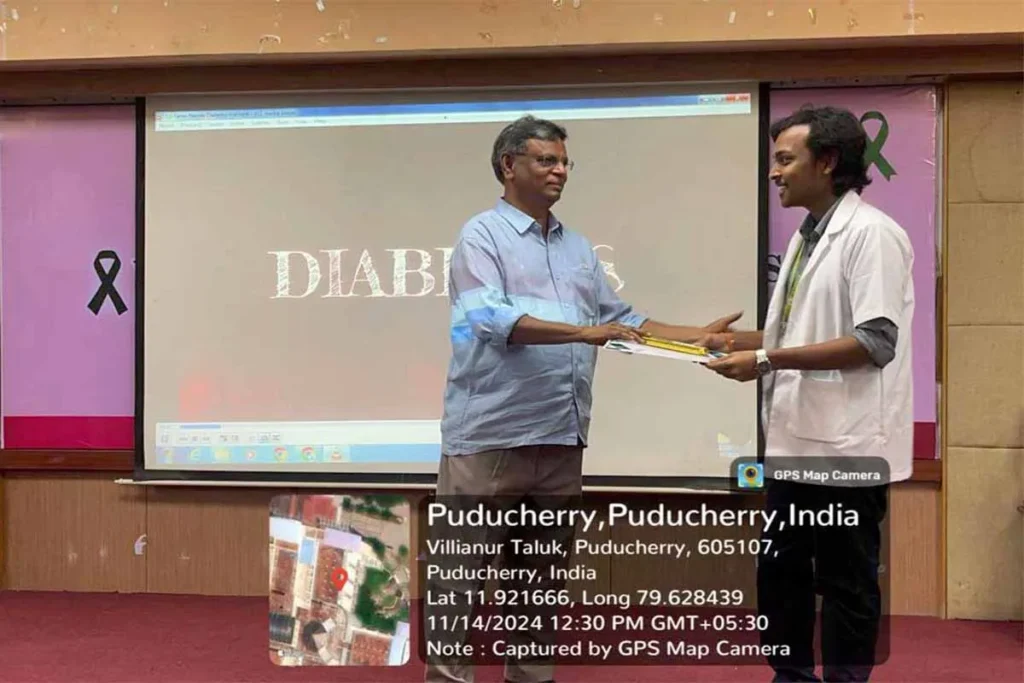
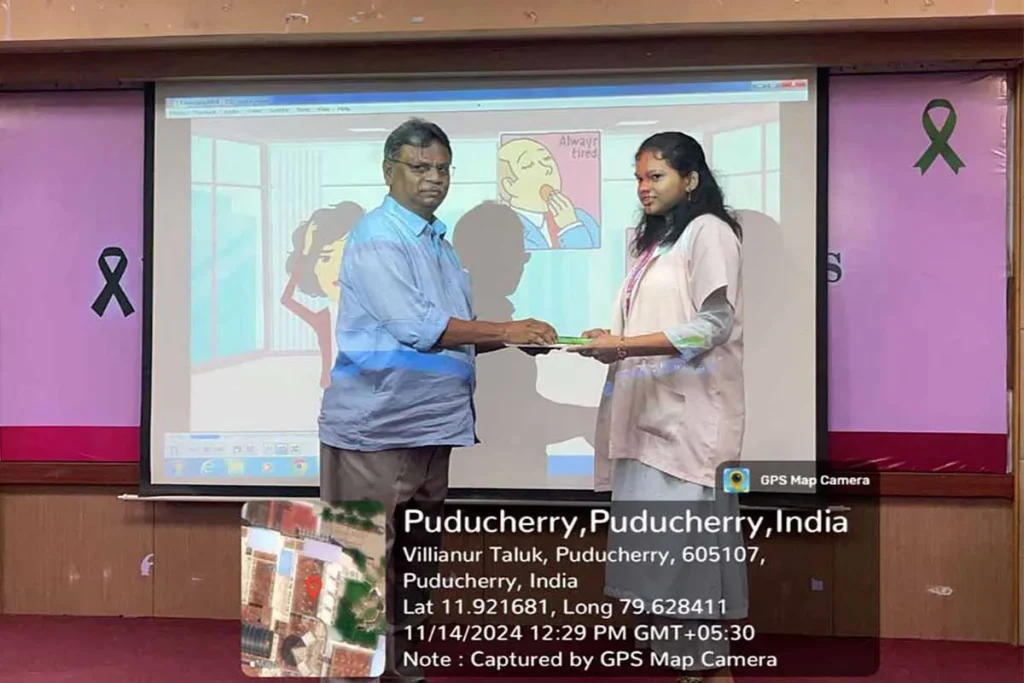
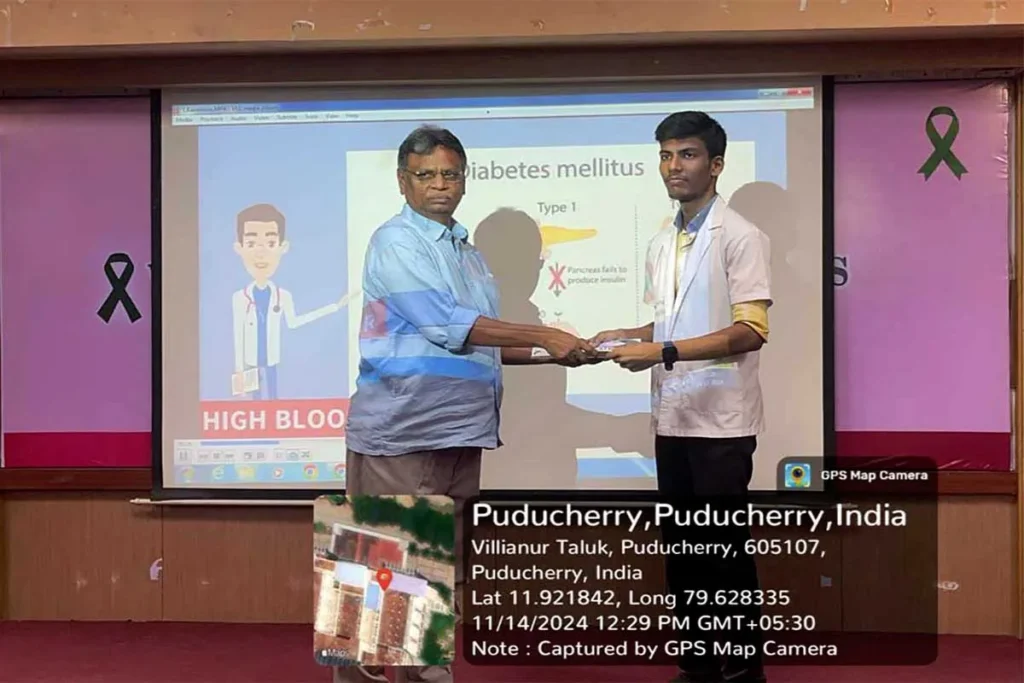
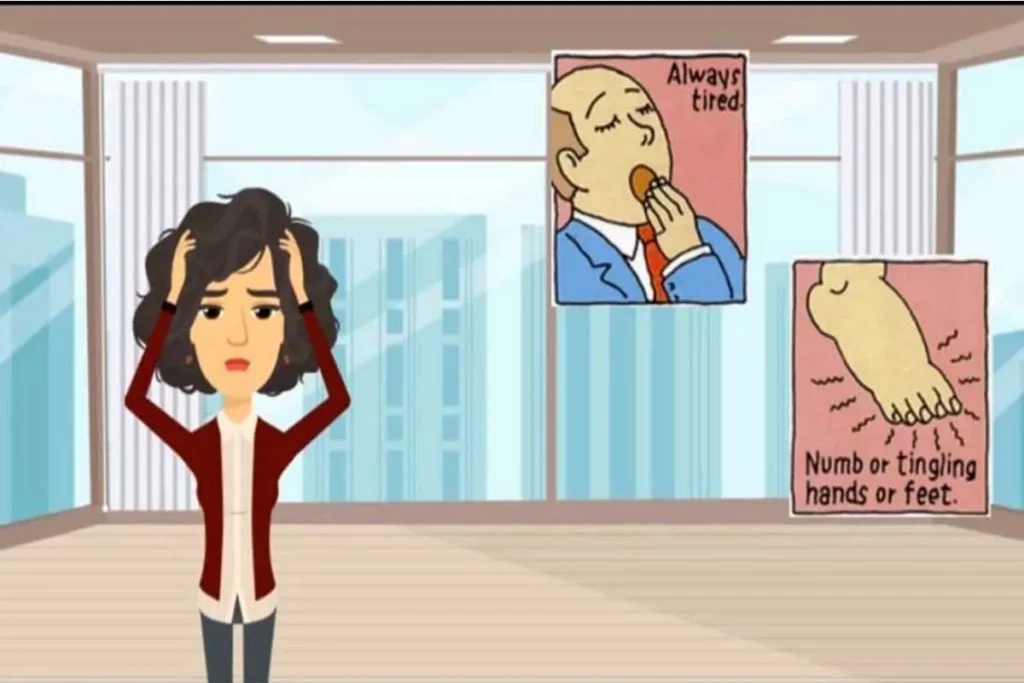
“World Lymphoma Day- Guest lecture”
- Organized by: Department of General Medicine
- Nature of the Program : Offline
- Date: 20.09.2024
- Time: 09.00 am to 12.30 pm
- Venue: Basement Auditorium, SMVMCH
Participants
- Faculty and Postgraduates from various specialties
Organizing Team
- General Medicine & Oncology
Topics Covered
- Ilavarasi Vanidasane- Recent advances in Lymphoma from precision diagnostics to novel therapeutics
- Damodara Kumaran- Case based discussion on lymphoma
Summary
The Department of General Medicine at SMVMCH organized a special guest lecture in recognition of “World Lymphoma Day” on September 20, 2024. The event, held in the Basement Auditorium from 9:00 am to 12:30 pm, saw the participation of over 120 attendees, including faculty from the General Medicine and Oncology units, as well as postgraduates from Pathology, Paediatrics, and General Medicine.
Program Highlights:
The event commenced with an interactive quiz competition, designed to engage participants and enhance their knowledge of lymphoma. This was followed by insightful lectures delivered by experts in the field.
Dr. Ilavarasi Vanidassane, opened the guest lecture series with an engaging talk on “Recent Advances in Lymphoma: From Precision Diagnostics to Novel Therapeutics.”.Her 45-minute presentation highlighted the latest developments in diagnostic tools and treatment approaches for lymphoma, emphasizing how precision medicine is reshaping patient care.
Following this, Dr. Damodara Kumaran, led a dynamic, case-based discussion on lymphoma. His 45-minute session encouraged active participation from the audience, allowing for practical, clinical insights into lymphoma diagnosis and management.
Felicitations and Awards:
The guest speakers were honored by Prof. Dr. Girija, Head of the Department of General Medicine, and Prof. Dr. Uthaya Sankar, Unit Chief, who presented them with tokens of appreciation for their valuable contributions.
The winners of the quiz competition were also announced during the concluding part of the event. They were awarded cash prizes, trophies, and certificates by the esteemed guest speakers. The first prize was awarded to Dr. Ranjithkumar Post graduate student of Medicine, Second prize to Dr. Ashmi, Postgraduate of pathology, Third prize to Dr. Bheemireddy Lahari, Postgraduate of Medicine
The program ended with a vote of thanks, marking the conclusion of a highly educational and engaging session on lymphoma.
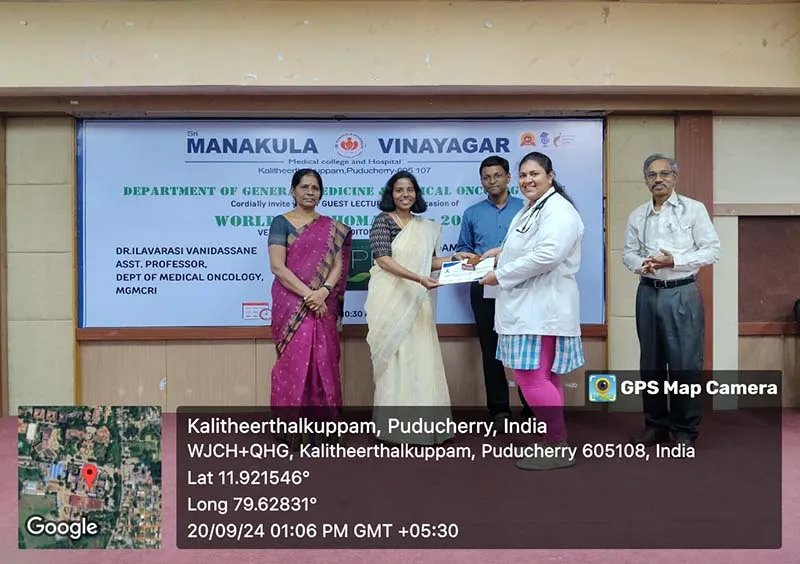
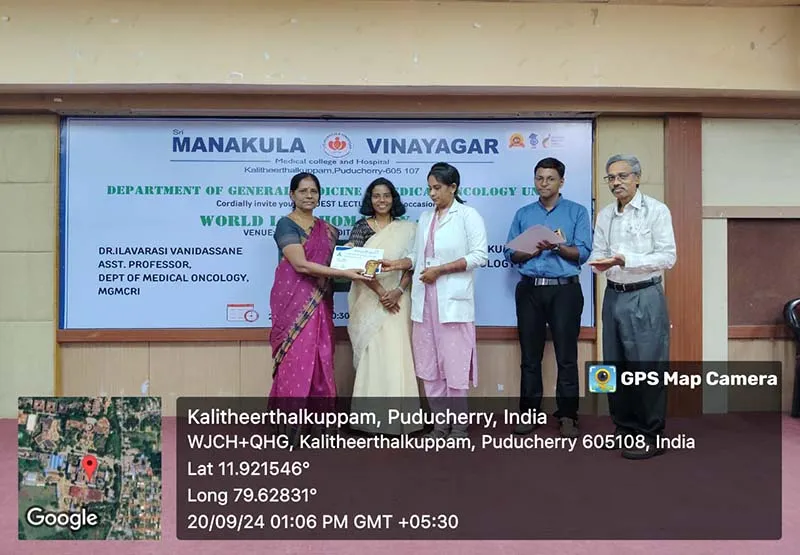
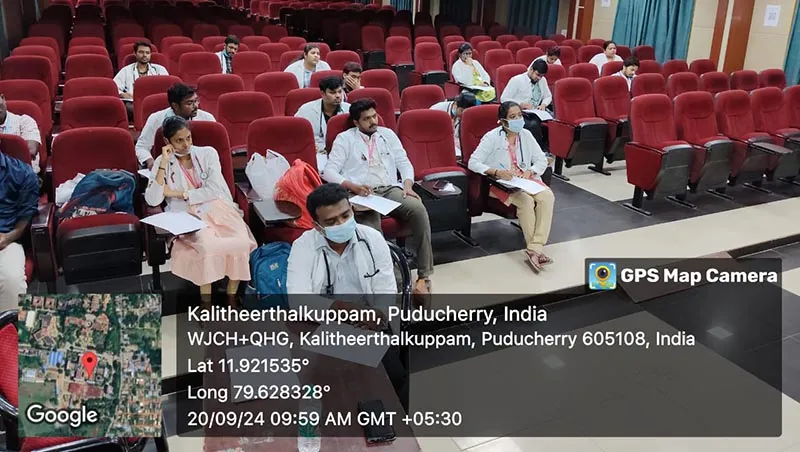
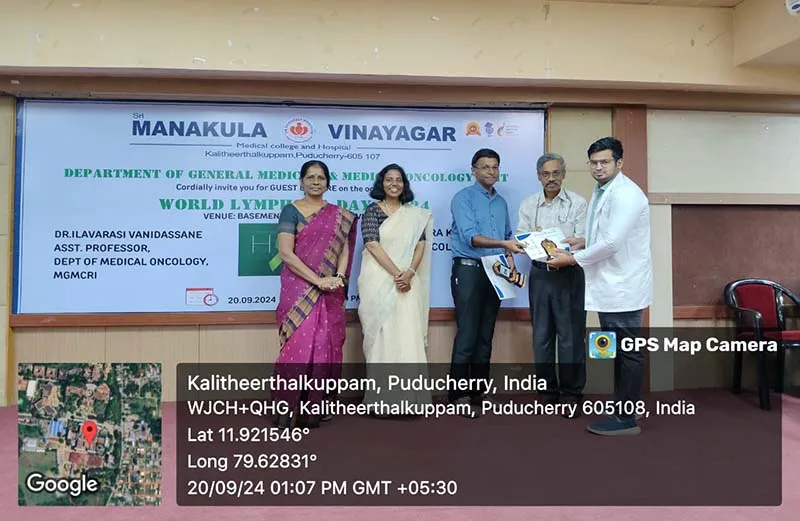
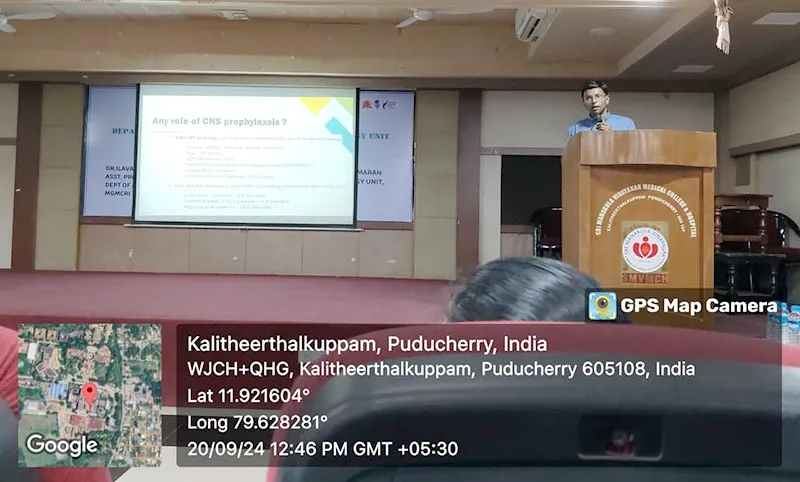
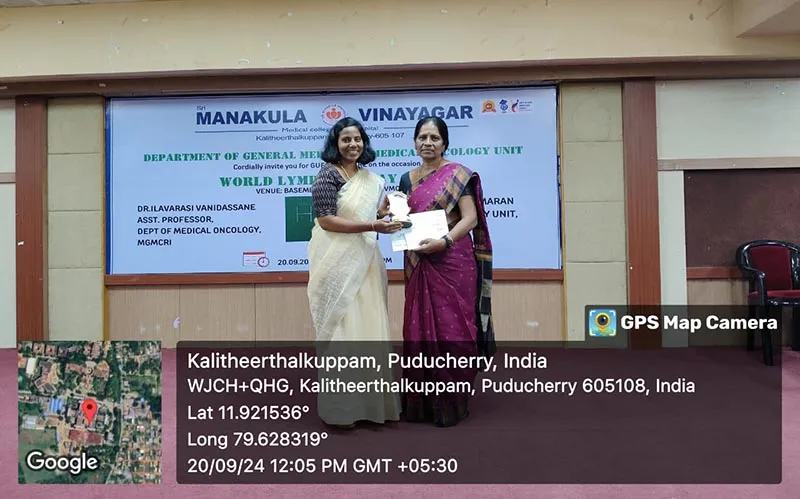
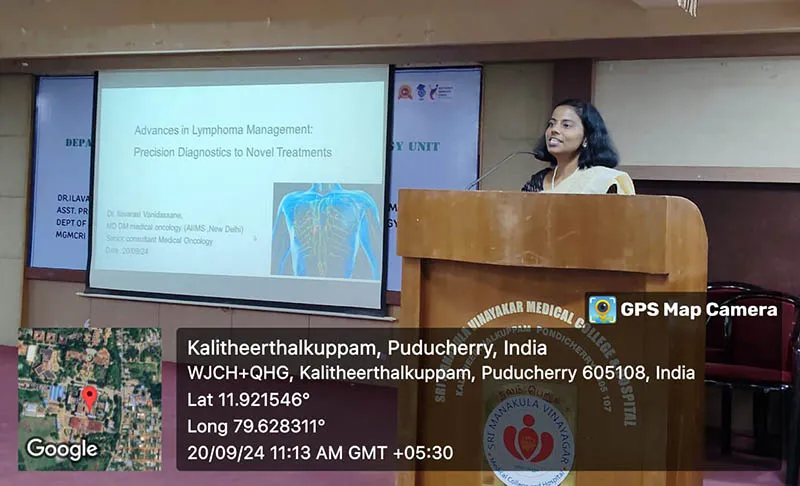
“Skill reinforcement Workshop for the Interns on IV cannulation technique” Batch 2019
- Organized by: Department of General Medicine
- Nature of the Program: Offline
- Date: 20th & 21st August 2024.
- Time:00am to 04.00 pm
- Venue: Skill Lab, SMVMCH
Participants
- CRRI : 2019 Batch
Organizing Team
- General Medicine
Topics Covered
- IV cannulation
Summary
An IV cannulation workshop was organized on August 20th and 21st to reinforce the IV cannulation skills of the 2019 batch of interns. 128 students participated in the workshop. The session commenced with a talk by Dr. Sathiapriya, who discussed safe IV cannulation practices, infection prevention, and IV care bundles. Additionally, the latest gadgets related to IV cannulation were showcased during the event.
Each student had the opportunity to practice cannulation on the provided mannequins. At the conclusion of the workshop, feedback was collected from the participants.
The feedback data indicated that 33.3% of the participants found it very easy to cannulate, while another 33.3% found it moderately easy. A smaller percentage, 19%, rated their ease of cannulation in the mid-range, and 14.3% found it more challenging. Regarding the guidance provided by the instructor, 57.1% of the participants rated it as excellent, while 42.9% felt it was adequate.
This feedback highlights both the strengths and areas for improvement in future workshops, ensuring that all participants are well-supported in developing their IV cannulation skills.
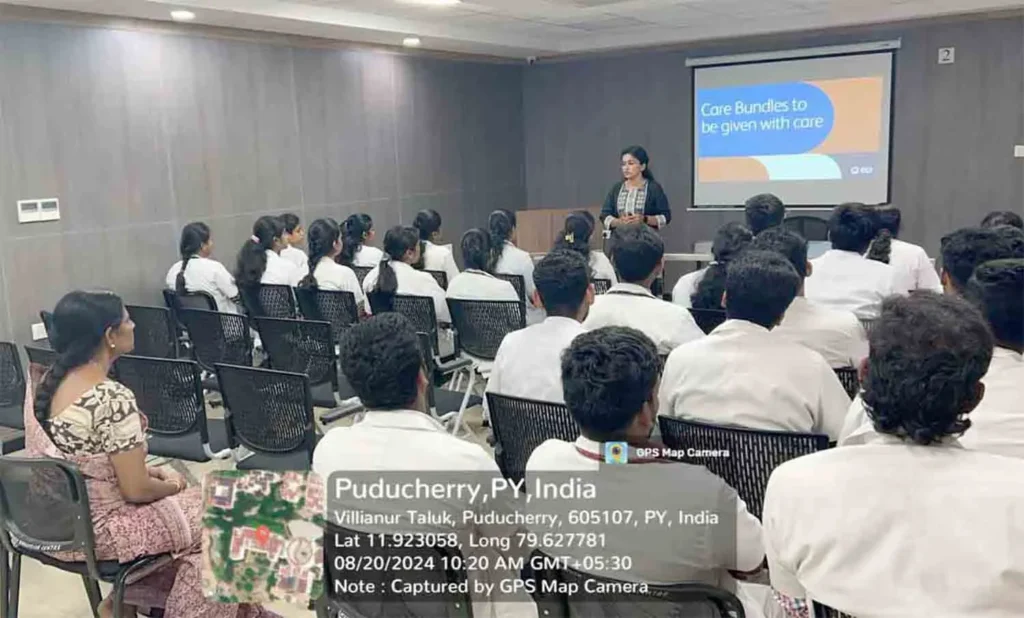
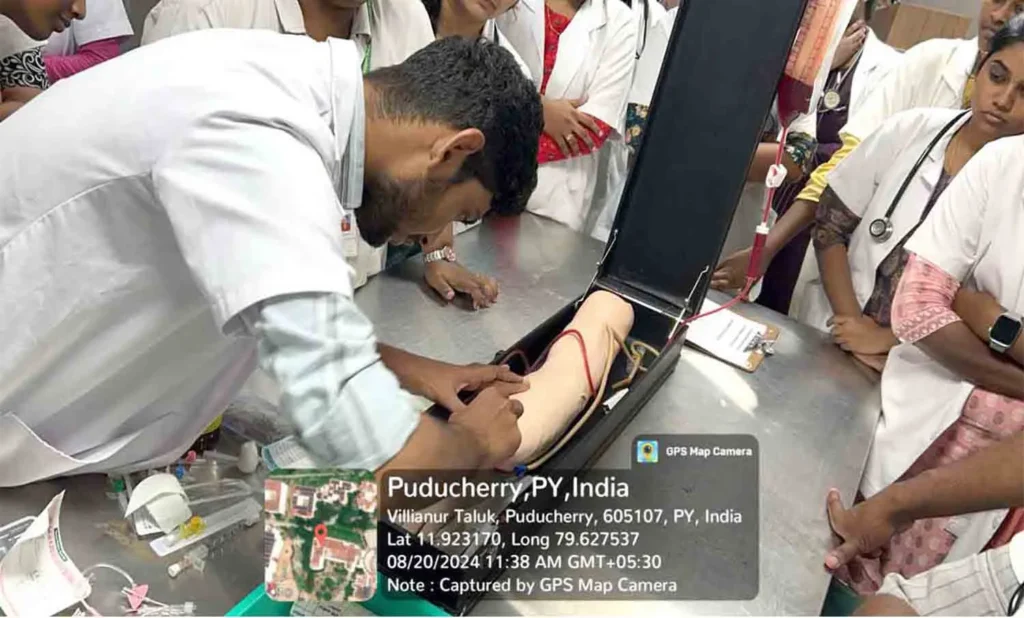
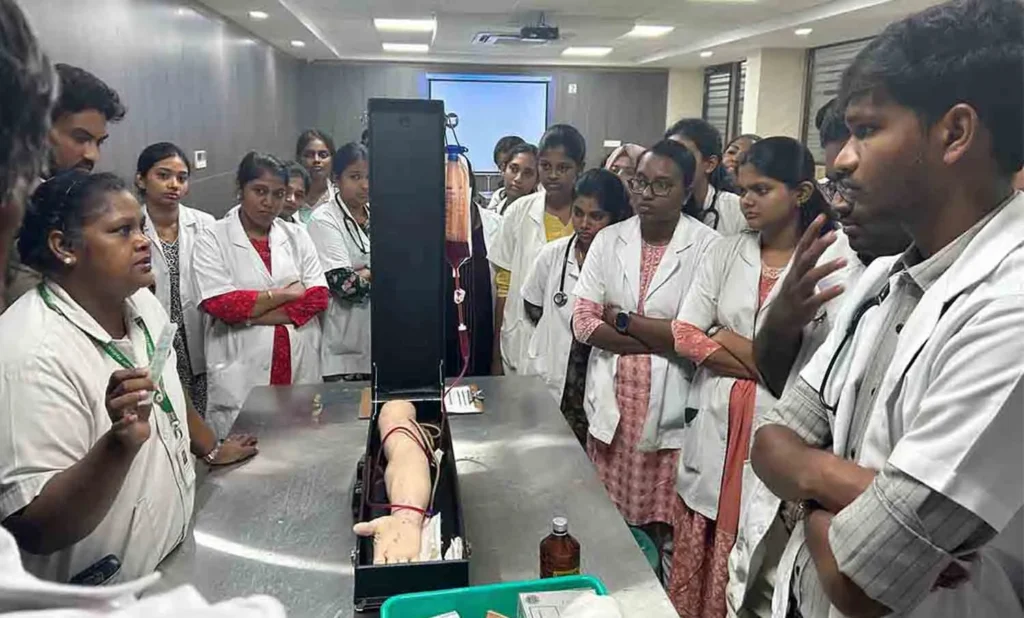
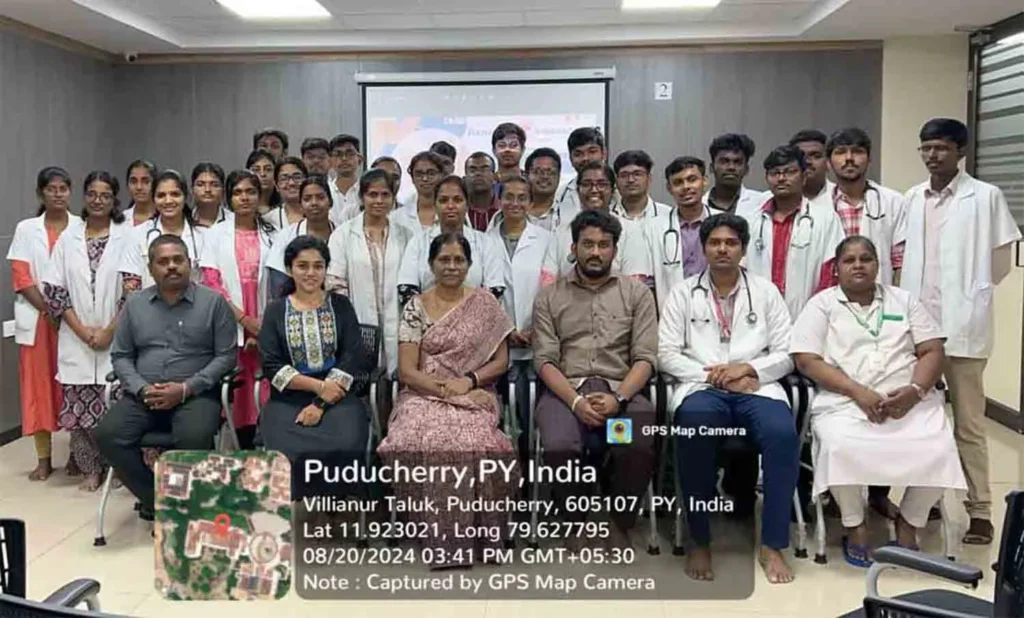
Gender equity program- Access to Health for all Women
- Organized by: Department of General Medicine
- Nature of the Program: Offline
- Date: 07.2024
- Time: 00 am to.11.00 am
- Venue: Venkateshwara College of Education
Participants
- Ed Students- 25
Organizing Team
- General Medicine
Topics Covered
- “Breaking Barriers: Addressing women’s health issues in India and Advocating for better care”
Summary
On July 30, 2024, the faculty of General Medicine at Sri Manakula Vinayagar Medical College in Puducherry organized a talk show for the final-year students of Venkateswara College of Education. The event aimed to raise awareness about women’s health issues among approximately 25 female students who participated in the interactive session.
The session began with the Head of the Department of General Medicine discussing the importance of maintaining women’s health, using anecdotes to illustrate key points. This was followed by Dr. Meena, a senior resident, who highlighted the prevalence of anemia among women and stressed the importance of self-screening for breast cancer and regular Pap smears. She also discussed the significance of maintaining menstrual hygiene, scheduling regular health check-ups, and promoting cardiovascular health.
Dr. Meena emphasized the benefits of the HPV vaccine in preventing cervical cancer and other related health issues. The talk show concluded with students providing oral feedback, expressing that they found the health suggestions valuable and were motivated to disseminate the knowledge gained.
A vote of thanks was delivered by a senior faculty member from the College of Education, acknowledging the efforts of the organizers and speakers in promoting important health education among the students.
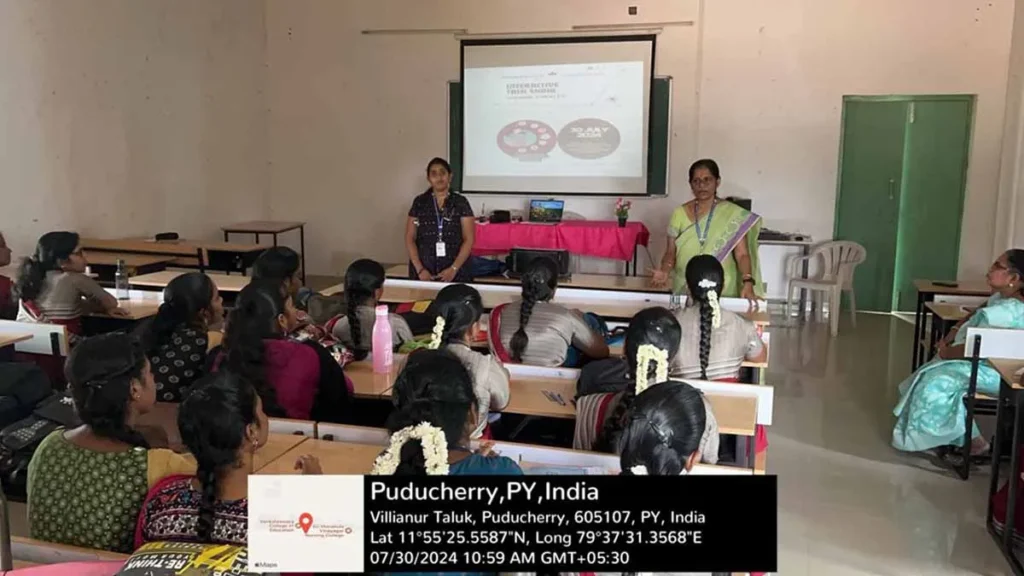
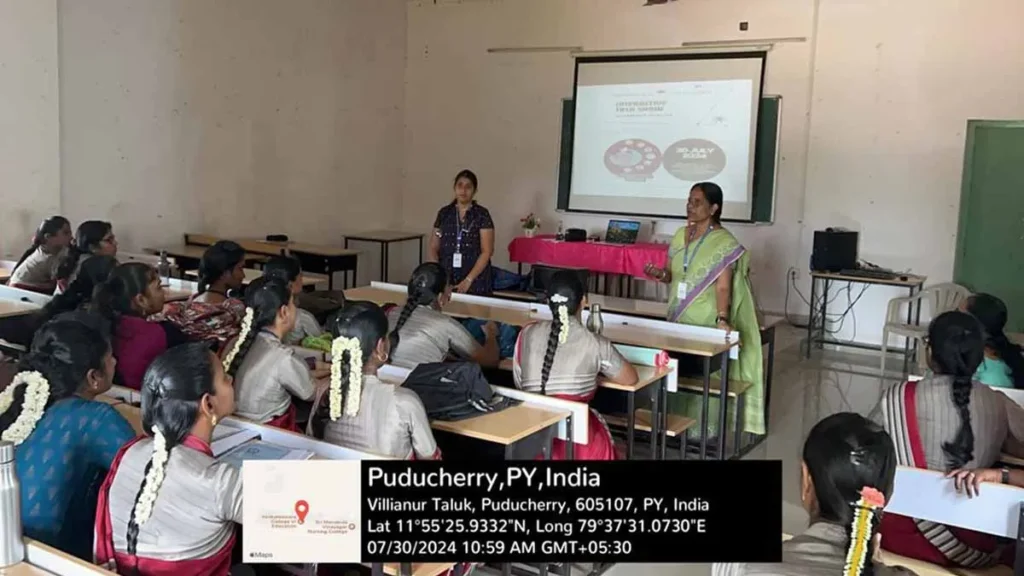
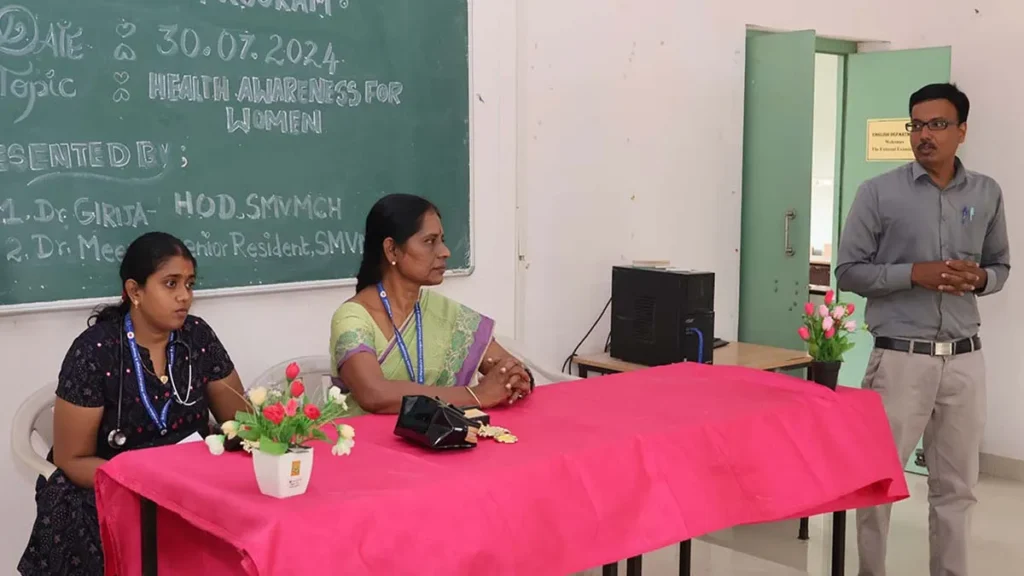
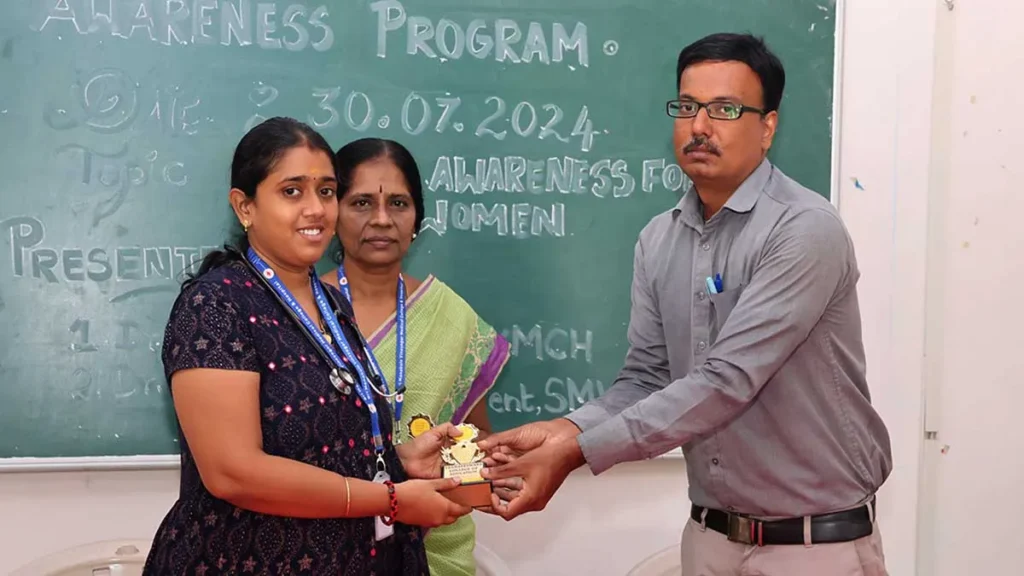
World Hepatitis Day-2024
Organized by: Department of General Medicine
Nature of the Program: Offline
Date:07 2024
Time: 2:00 PM to 4:00 PM
Venue : Lecture Hall-l, SMVMCH
Participants
- Undergraduates : 150 nos. 2020 Batch
Organizing Team
- General Medicine
Topics Covered
- Hepatitis
Summary
On the occasion of world hepatitis day 2024 observed on 28th July , we conducted a Interactive quiz programme on hepatitis for the undergraduate students .The quiz programme focused on this year’s theme “ITS TIME FOR ACTION” emphasizing the diagnosis and treatment aspects of hepatitis .
Around 130 students participated in this online quiz programme conducted on 26th July 2024. The quiz program was overseen by Dr. Sadiqa Nasreen, an Assistant Professor in the Department of General Medicine. Following the exam, there was an interactive discussion about Hepatitis.
The student Mr. Hari Sabarish Natarajan secured the first place in the quiz. Gomathi Sankaranarayanan and Mr Hani Abdul Rasheed secured the second and third places respectively. The winners were rewarded was cash and certificates of appreciation.
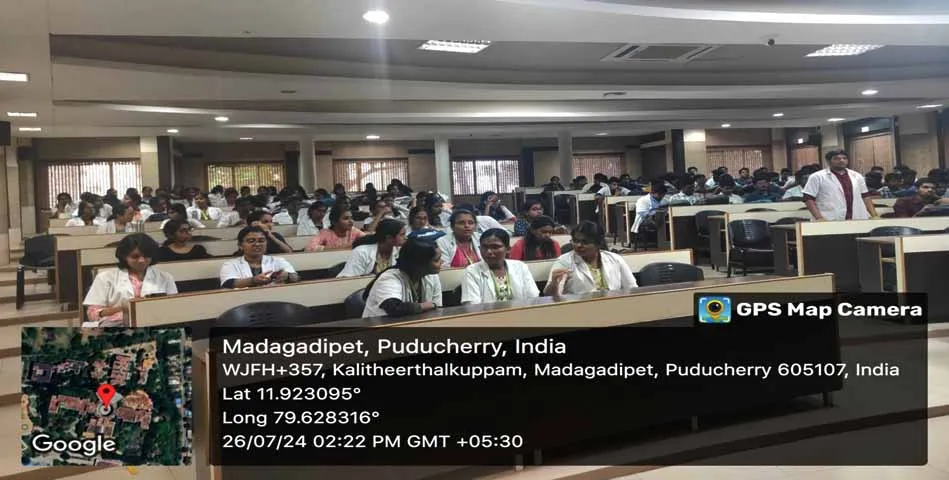
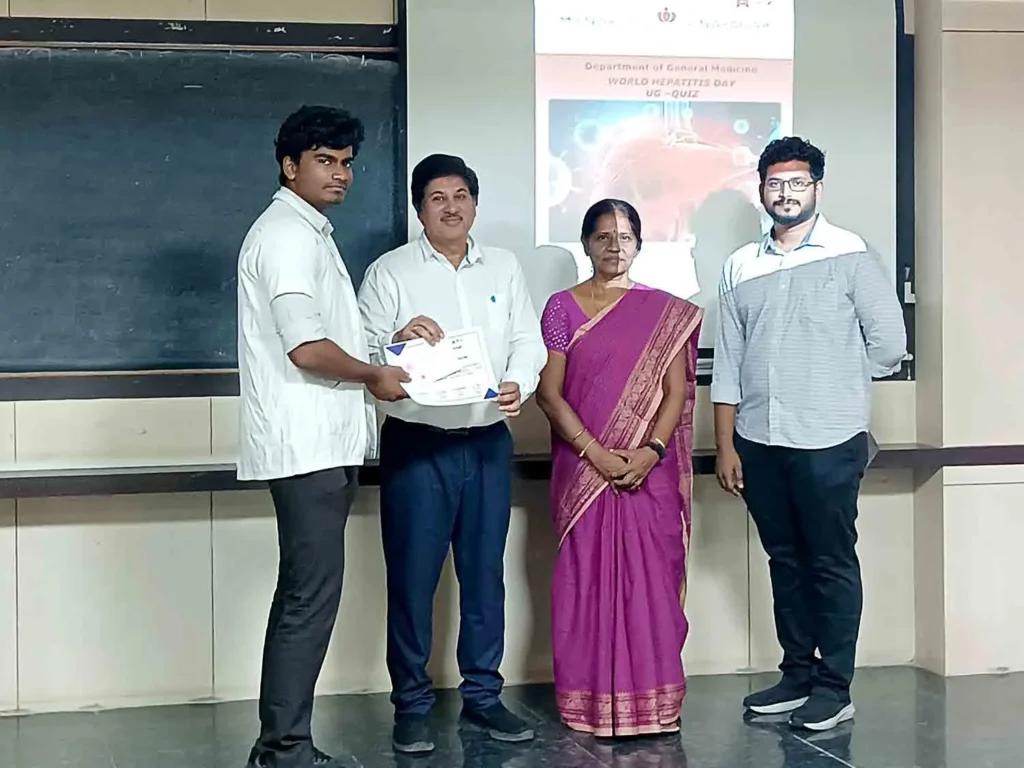
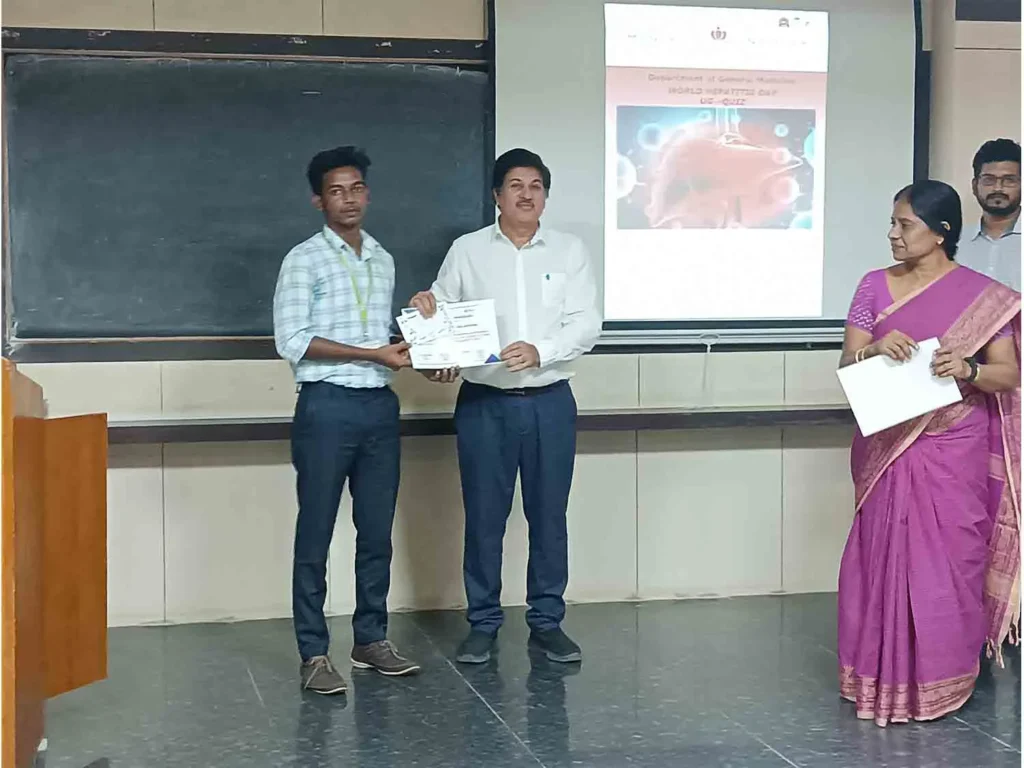
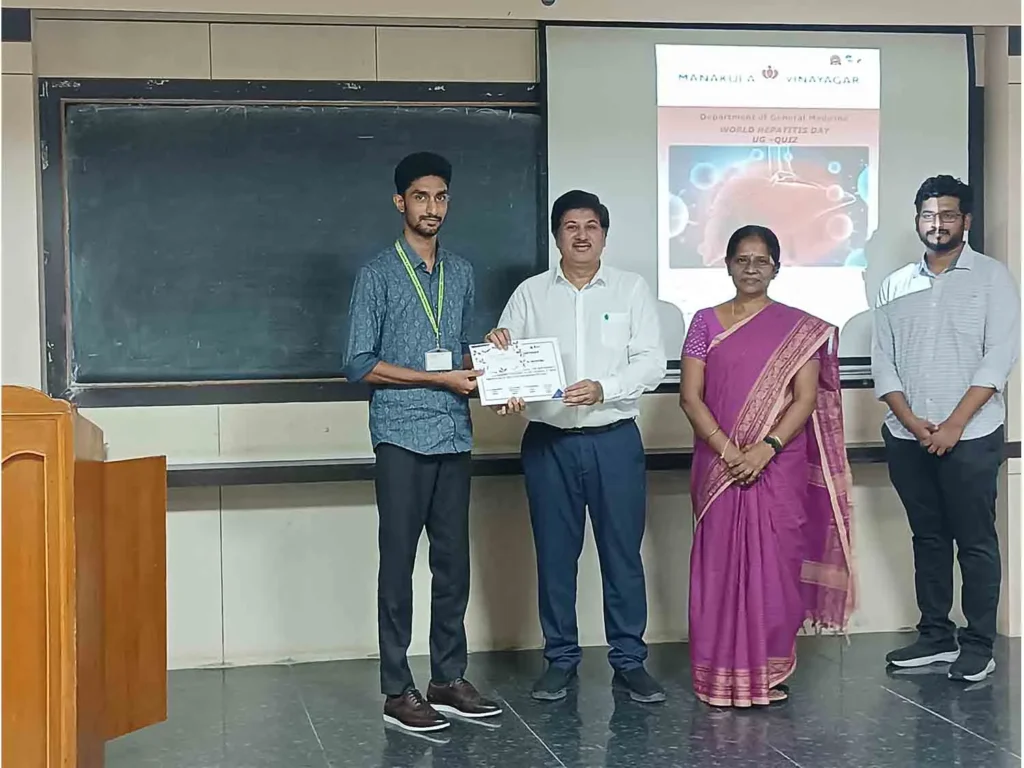
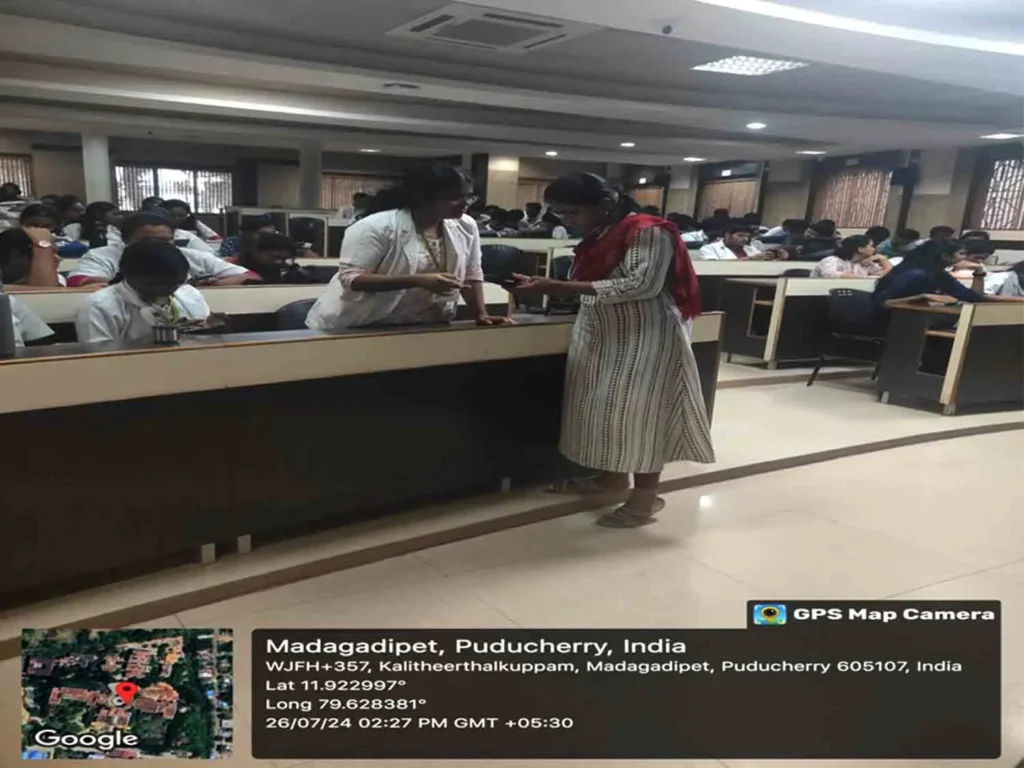
World Kidney Day 2024 Celebration
We held our world kidney day CME event conducted by Nephrology Department & Department of General Medicine-Organized by Dr. Ravi Kumar Sr. Consultant Nephrologist, Sri Manakula Vinayagar Medical College & Hospital, Madagadipet, Puducherry & Dr. Girija Gopal, Professor & HOD, Medicine Department. A CME was organized on 14.03.2024 at Sri Manakula Vinayagar Medical College & Hospital Campus. Our Guest speakers were Dr. Ranjanne Muthu, Senior Consultant Nephrologist, Apollo Hospitals, Chennai & Dr. Thiagarajan Thandavan, CEO, TIDES Institute, Chennai, who expounded on the World Kidney Day theme for this year “Kidney Health for All – Advancing Equitable Access to Care and Optimal Medication Practice”. We were ably assisted by Dr. Sugan Gandhi Asst. Professor of Nephrology, SMVMCH & Dr. Gavaskar, Dr. Shalini, Dr. Akkasthiya, Dr.Pooja, Mr. Adhimoolam and other staff from the Nephrology department. Total of 94 delegates attended the CME Programme.
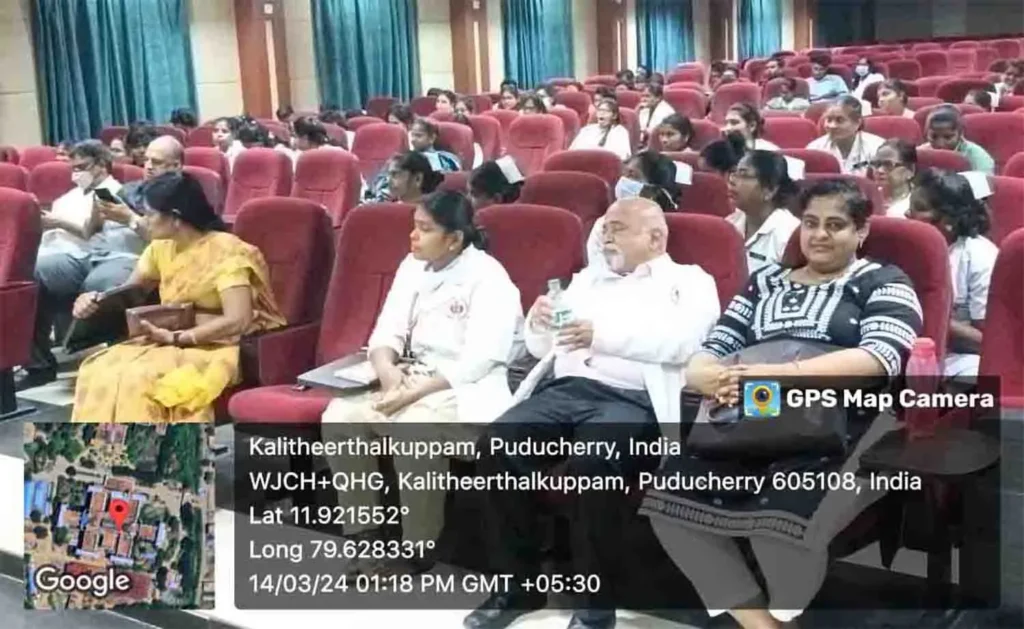
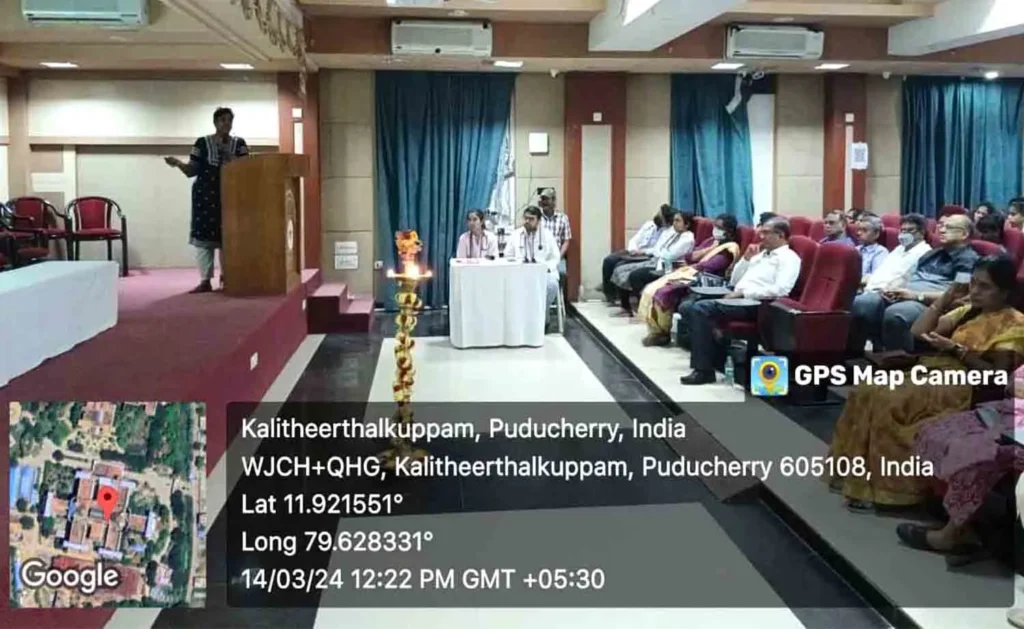
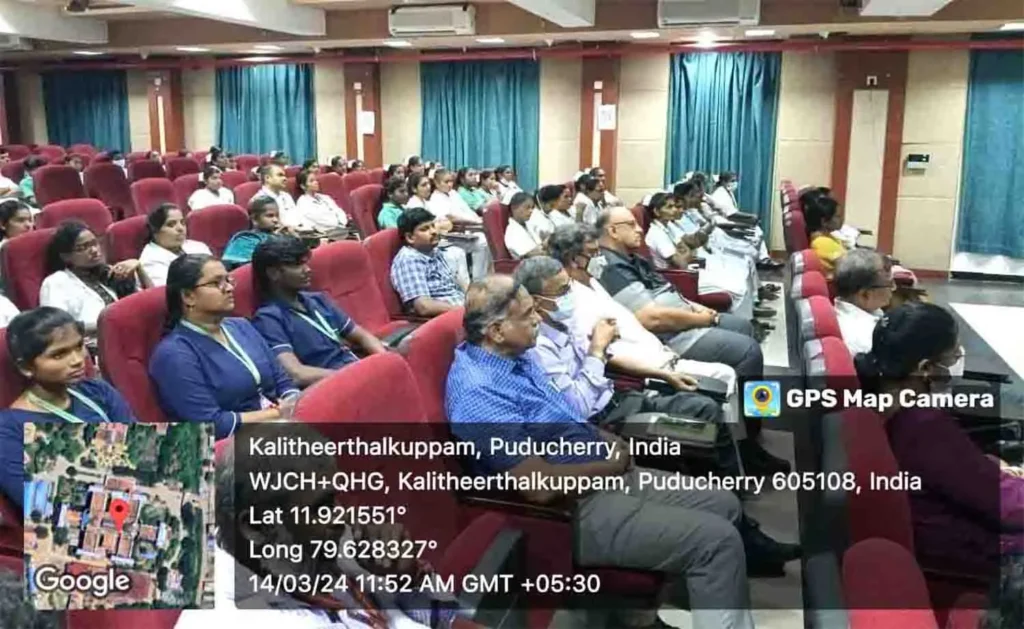
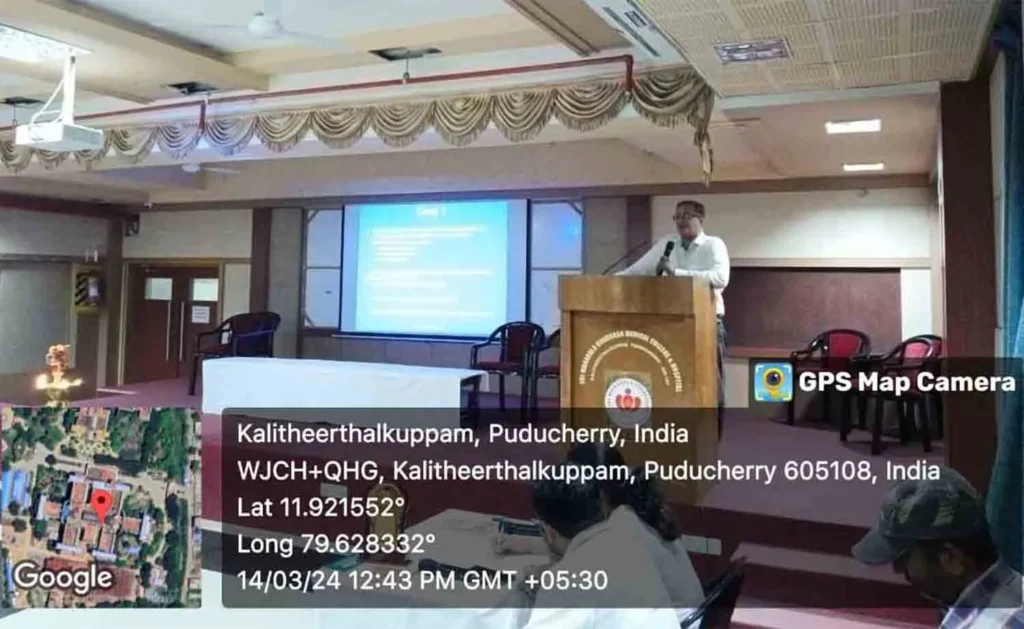
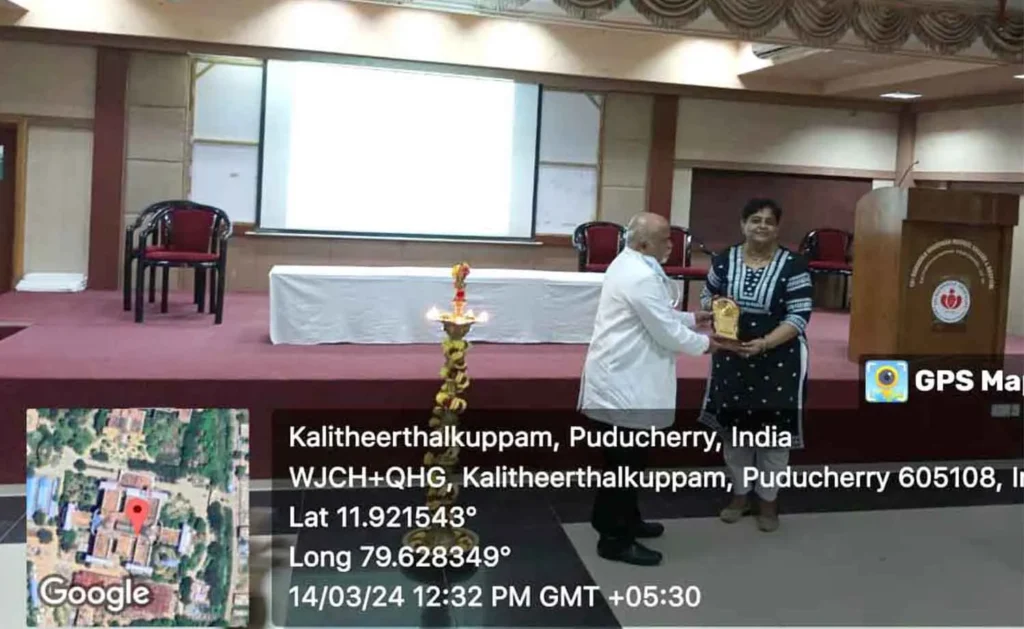
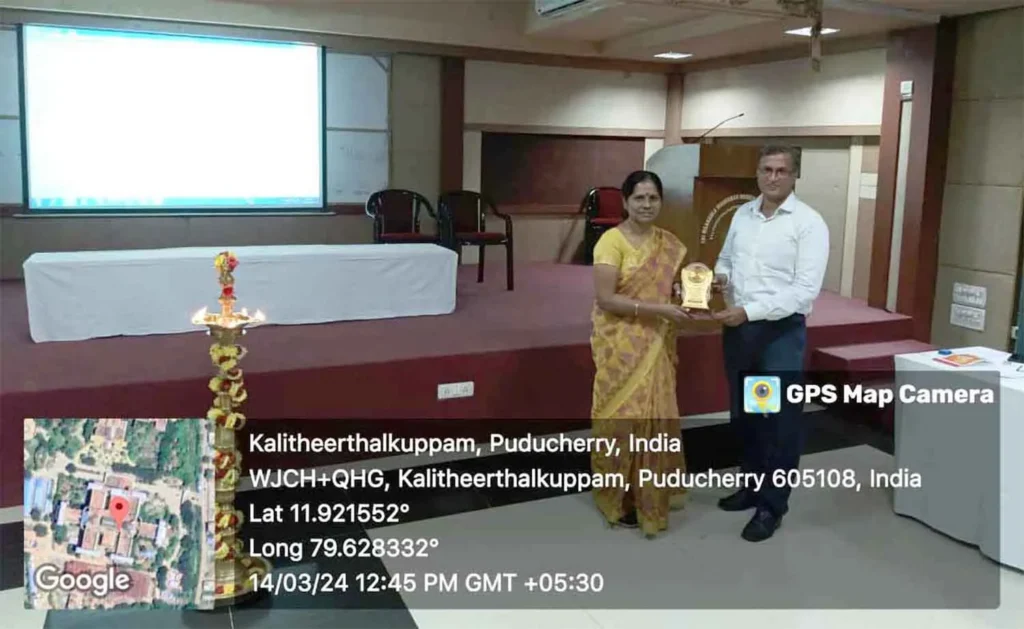
“POCUS-2024 – A Hands-On Workshop”
Organized by: Department of General Medicine & Cardiology
Nature of the Program: Offline
Date: Feb-6th & April 16th , 2024
Time: 9:00 AM to 4:00 PM
Venue: 4th Floor Conference Hall, SMVMCH
Participants
- Postgraduates : 20 Nos 2021 & 2022 Batch
Resource Persons:
- Ashida .T.S – Professor, Department of Cardiology, SMVMCH
- A.K. Badrinath – Professor, Department of General Medicine, SMVMCH
- Devan. R – Assistant Professor, Department of Cardiology, SMVMCH
- Sathiyanarayanan. J – Associate Professor, Department of General Medicine, SMVMCH.
- Babu Krishnan, Clinical Applications specialist, Sonosite
Organizing Team
- General Medicine & Cardiology Department
Topics Covered
- Echo Cardiogram
- Ultra Sonogram
Summary
POCUS-2024 was a comprehensive hands-on workshop conducted as part of skill training for postgraduate students of General Medicine at SMVMCH. The workshop focused on imparting knowledge and practical skills in bedside Echocardiogram and point of care ultrasound (USG) techniques. The event spanned across two dates: February 6, 2024, and April 16, 2024, with active contribution from cardiologists at SMVMCH and expert faculty from Sonosite.
Participant Feedback:
Feedback from participants was collected to gauge the effectiveness of the workshop. The majority of responses were positive, highlighting key aspects such as
Usefulness of Training Content:
Participants found the training content highly relevant to their practice in General medicine.
Adequacy of Practice Time:
Many felt they were given sufficient time to practice their skills during the workshop sessions.
Clarity of Objectives:
Participants generally felt well-informed about the workshop objectives and found their doubts adequately addressed by the instructors.
Stimulation of Learning:
The workshop activities were effective in stimulating learning among the participants.
Suggestions for Improvement:
Some participants suggested including additional topics and increasing the duration of practice sessions and conduct sessions periodically to reinforce the skills.
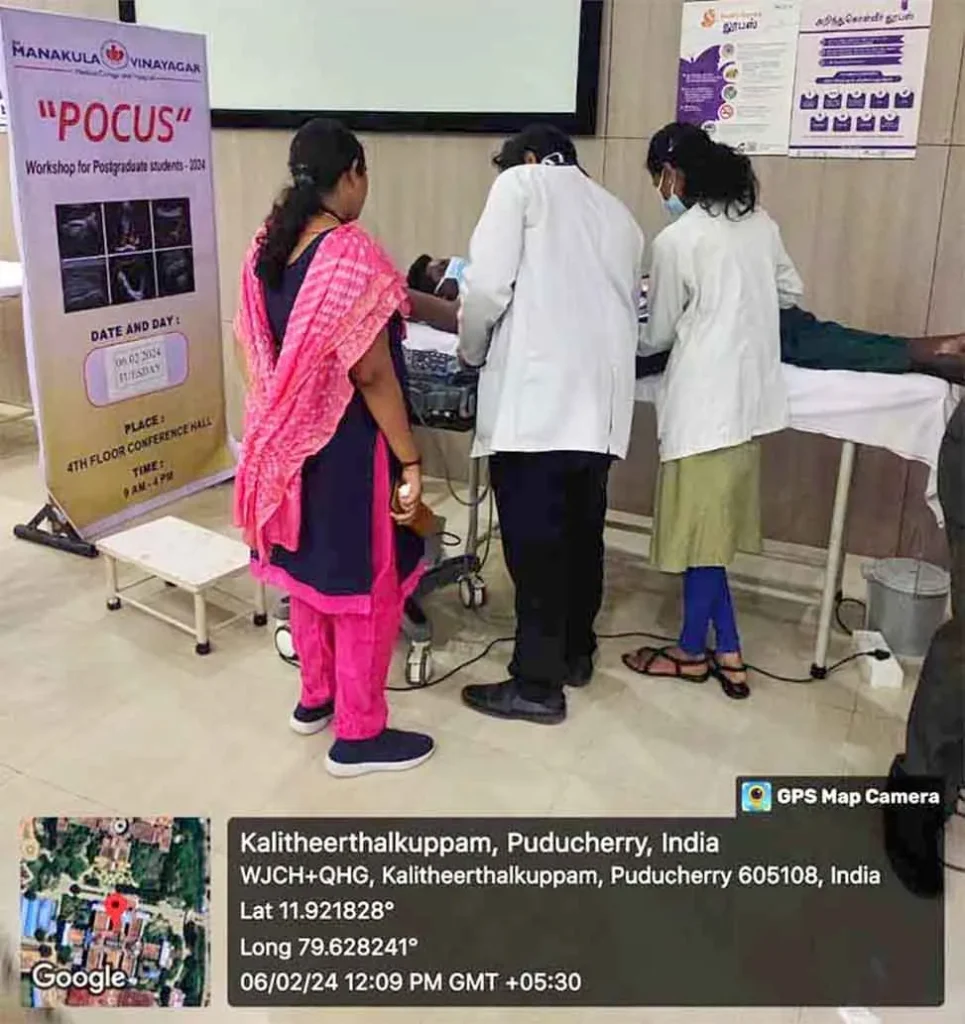
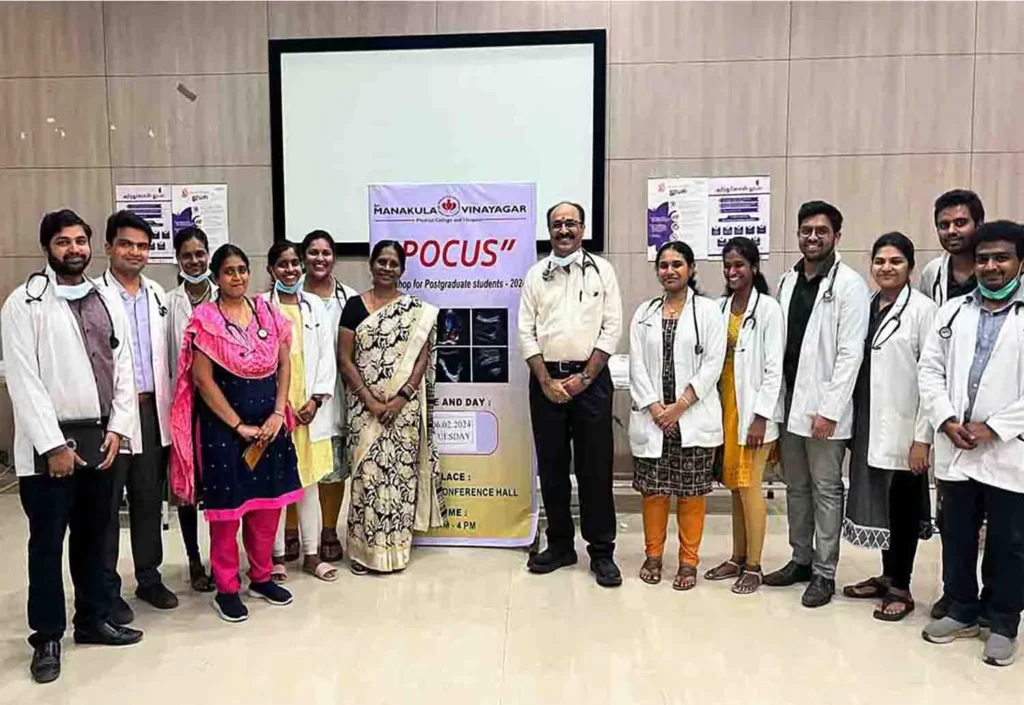
World Obesity Day
Date: 04.03.2024
Time: 10.30 am to 11.30apm & 02.00pm to 04.00 pm
Venue: Bharatha Devi English High School & MIT auditorium
Department: General Medicine
Celebrating World Obesity Day 2024: Promoting Awareness and Healthy Lifestyles
On the 4th of March 2024, the global community came together to observe World Obesity Day, shedding light on one of the most pressing health issues of our time. Two such activities took place in Puducherry, India, engaging both school children and young adults.
Activity 1:
Empowering School Children
The morning of March 4th saw an enlightening session held at Bharatha Matha High School, aimed at adolescent students aged 10 to 16 about the significance of combating obesity. Dr. Kawiraj and Dr. Sravya, Senior residents of general Medicine, spearheaded an interactive lecture, captivating the young minds with insights into the causes and consequences of obesity. A highlight of the session was an activity where students calculated their Body Mass Index (BMI), gaining a personal understanding of their health status. Those who actively participated and interpreted their BMI were acknowledged with pens, encouraging them to take charge of their health journey.
Activity 2:
Inspiring Young Adults towards Healthier Living
In the afternoon, the Manakula Vinayagar Institute of Technology (MIT) witnessed a vibrant gathering of approximately 200 young adult students eager to listen to the discourse on obesity. Professor Sumitra, representing MIT, extended a warm welcome to the attendees, setting the stage for a session led by Dr. S. Girija, a Professor of General Medicine from Sri Manakula Vinayagar Medical College and Hospital. Dr. Girija shed light on the global prevalence of obesity, emphasizing its impact not only on individuals but also on society as a whole. Stressing the importance of healthy eating habits and regular physical activity, the speaker inspired the audience to adopt sustainable lifestyle changes.
The session culminated in a lively physical activity program led by Ms. Zen Kumsie, a seasoned physical fitness trainer. Through a dynamic blend of aerobics, cardio, and dance movements, students enthusiastically participated, experiencing firsthand the joy of physical exercise. The event concluded on a grateful note, with Dr. Sravya extending heartfelt thanks to all participants and contributors for their unwavering support towards promoting health and well-being. World Obesity Day 2024 in Puducherry served as a poignant reminder of the collective responsibility to combat obesity and foster healthier communities.
The event is registered in World Obesity Day website. The link is as follows: https://www.worldobesityday.org/wod-map/events
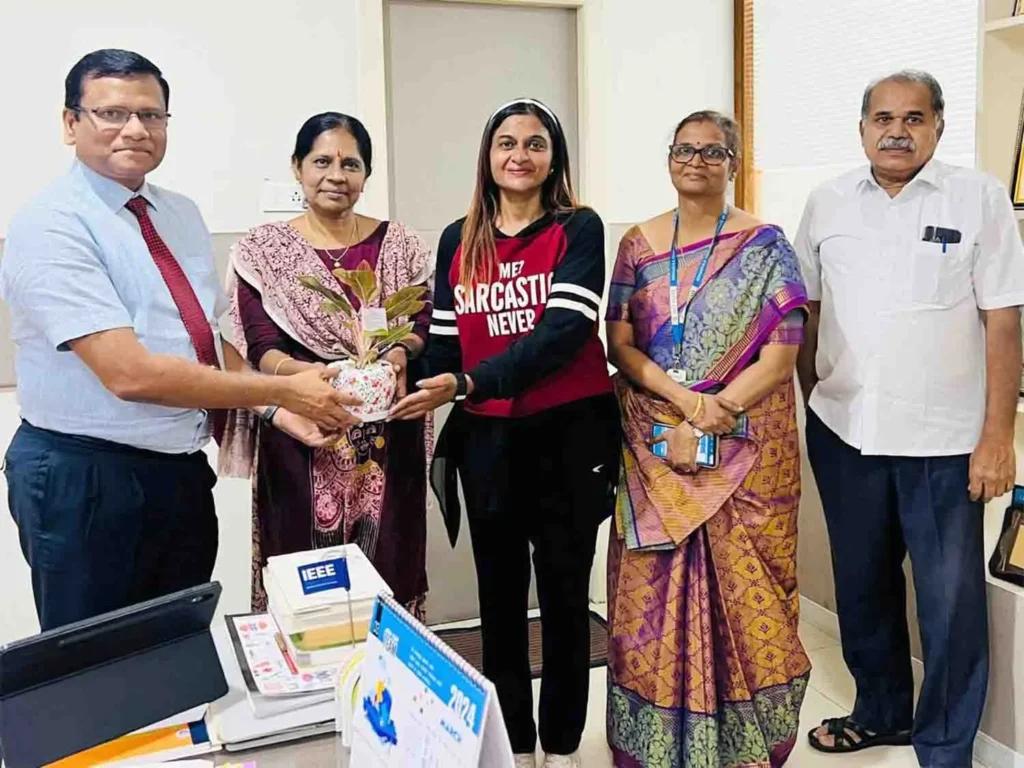
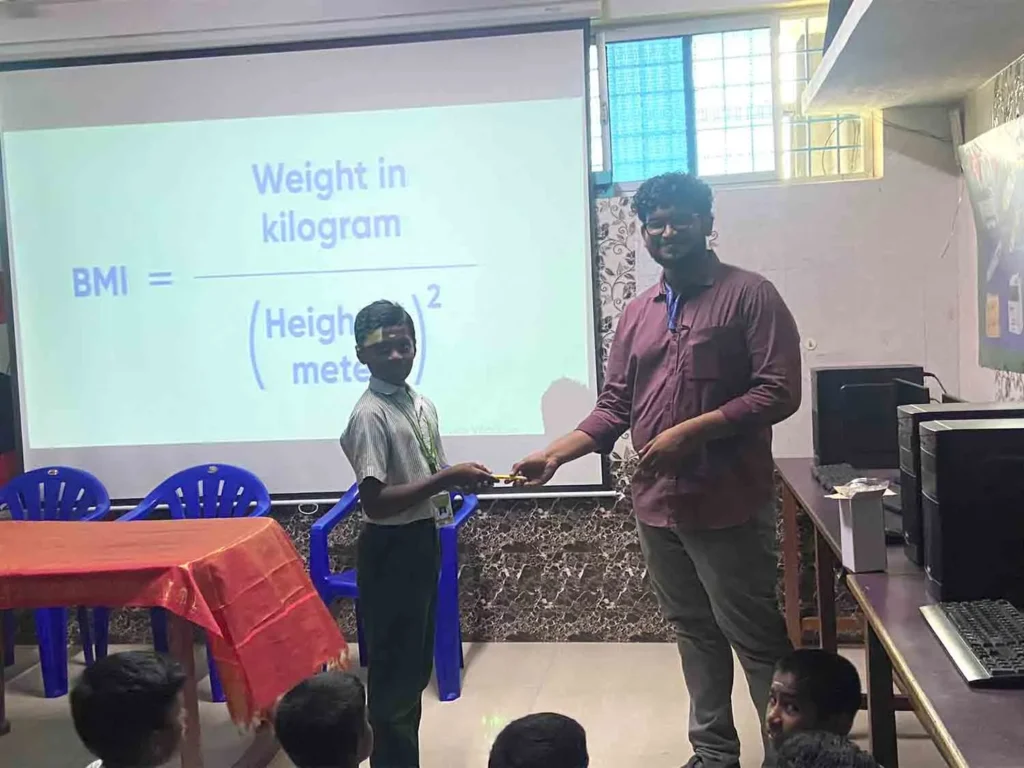
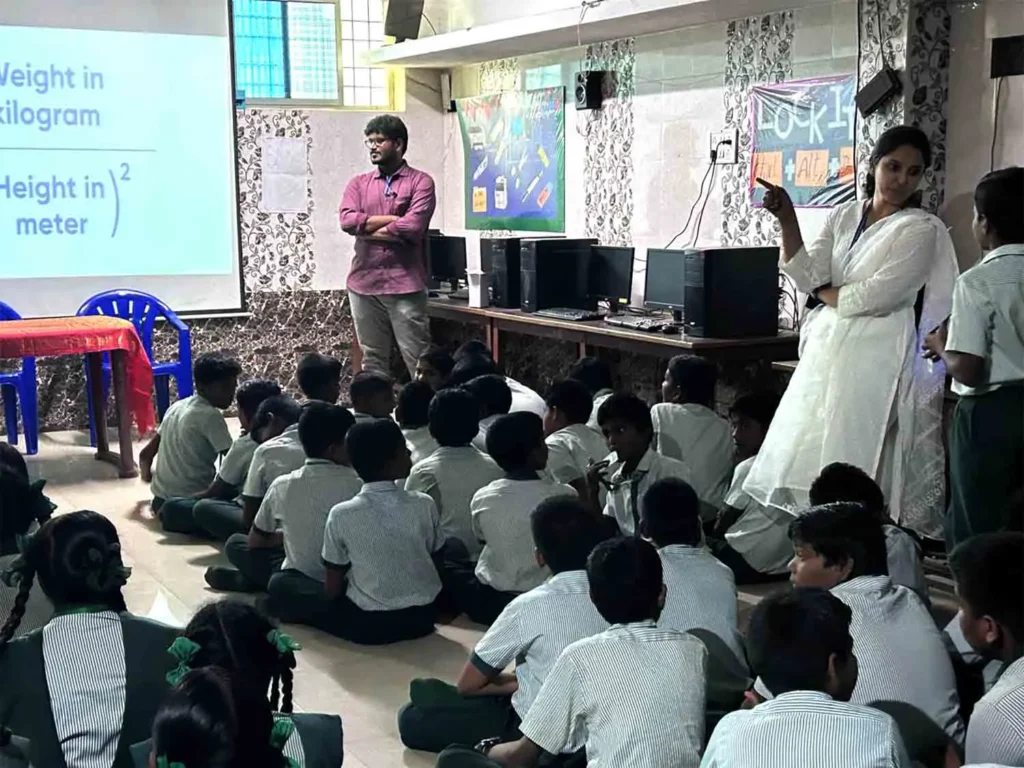
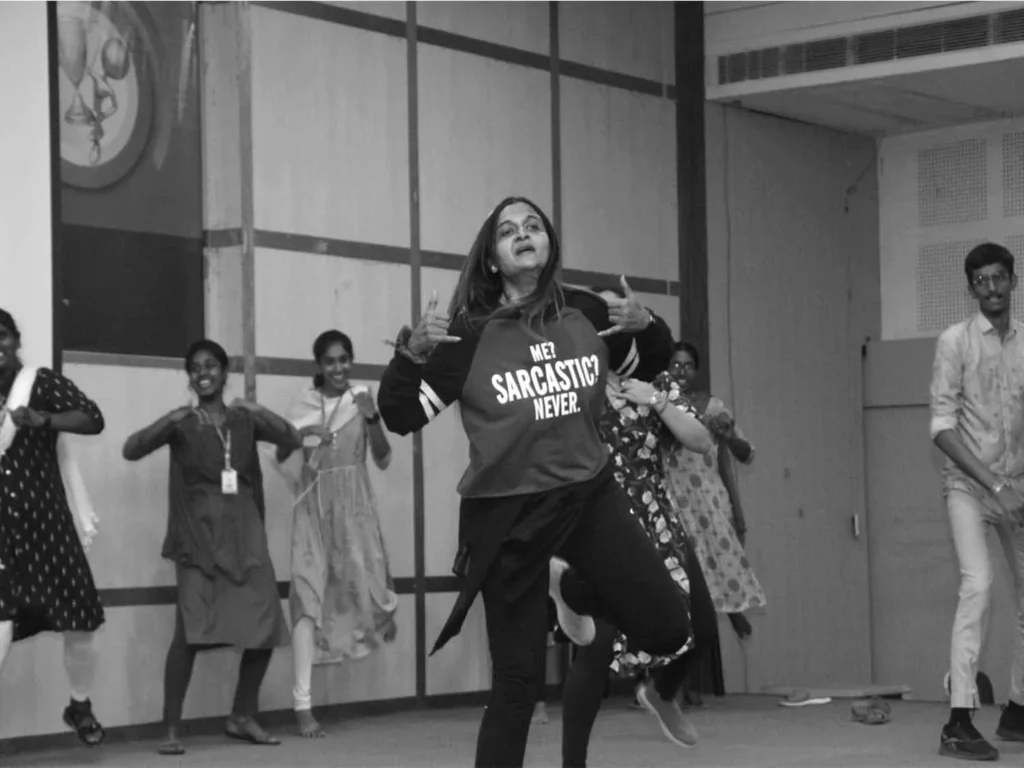
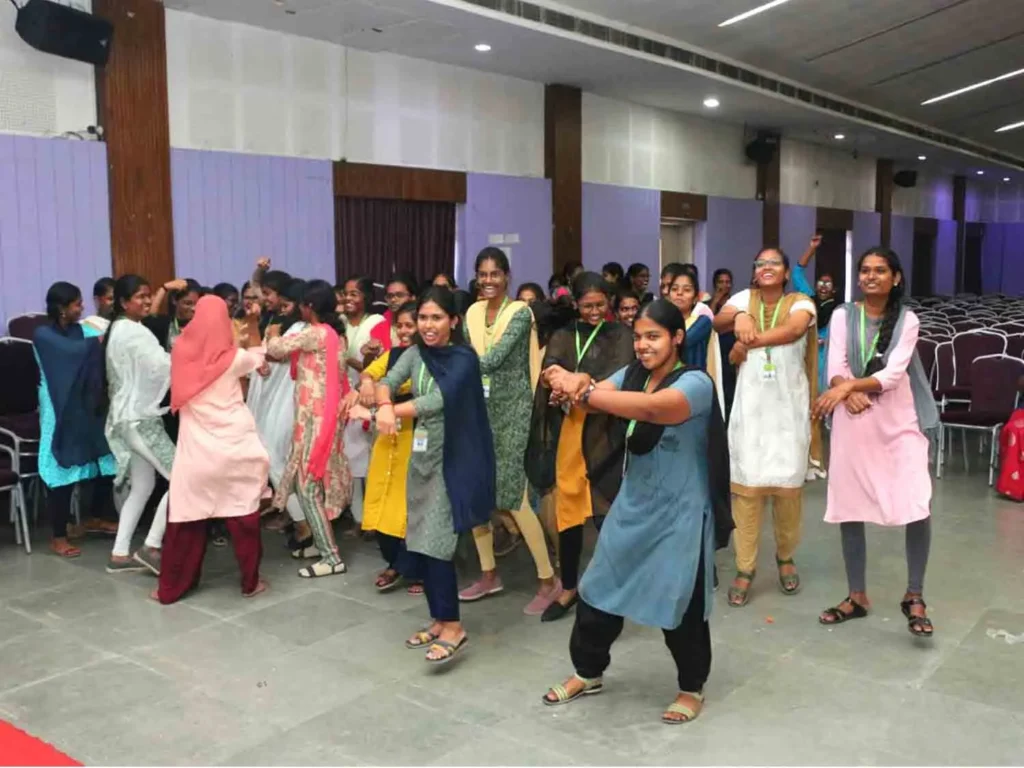
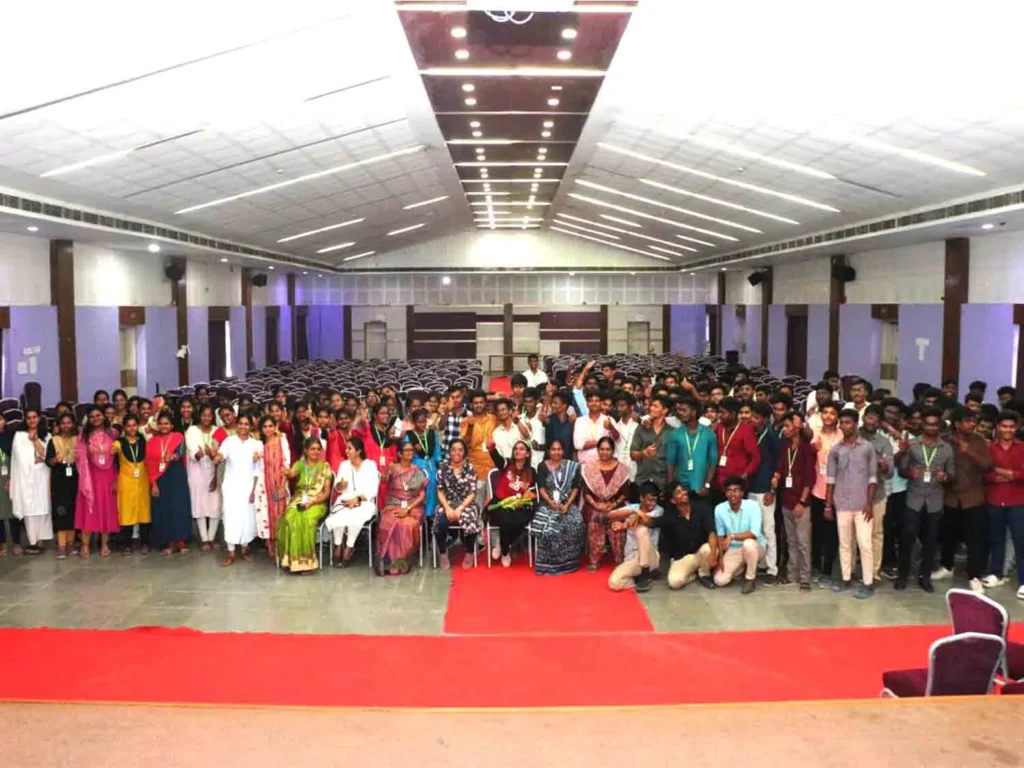
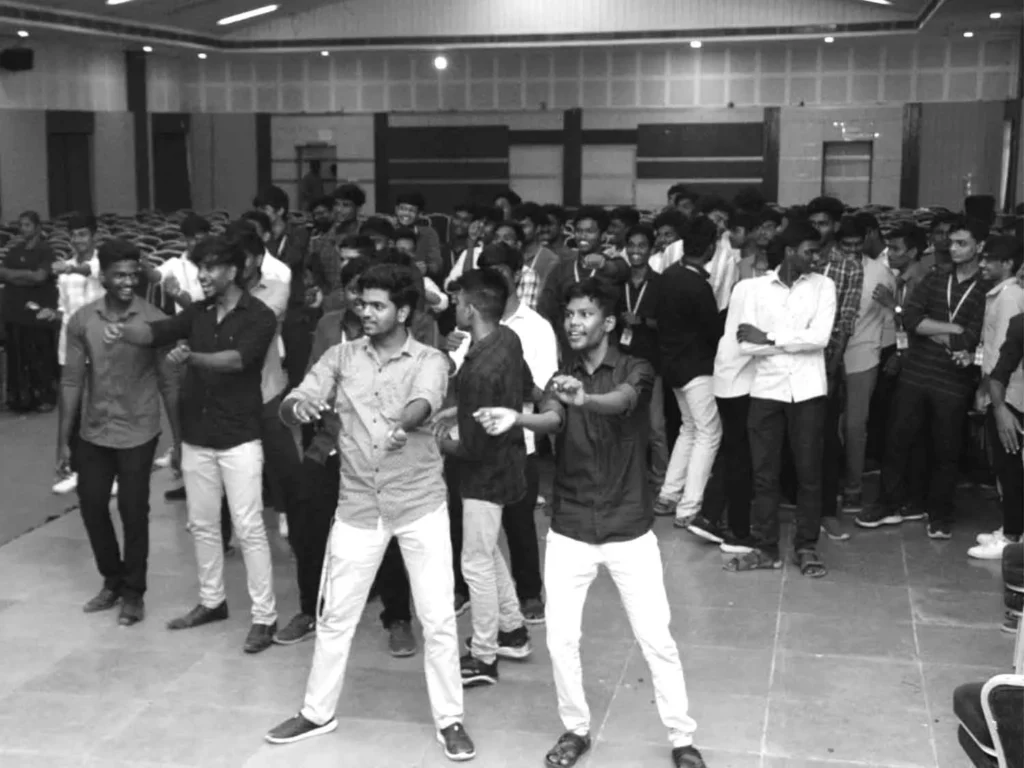
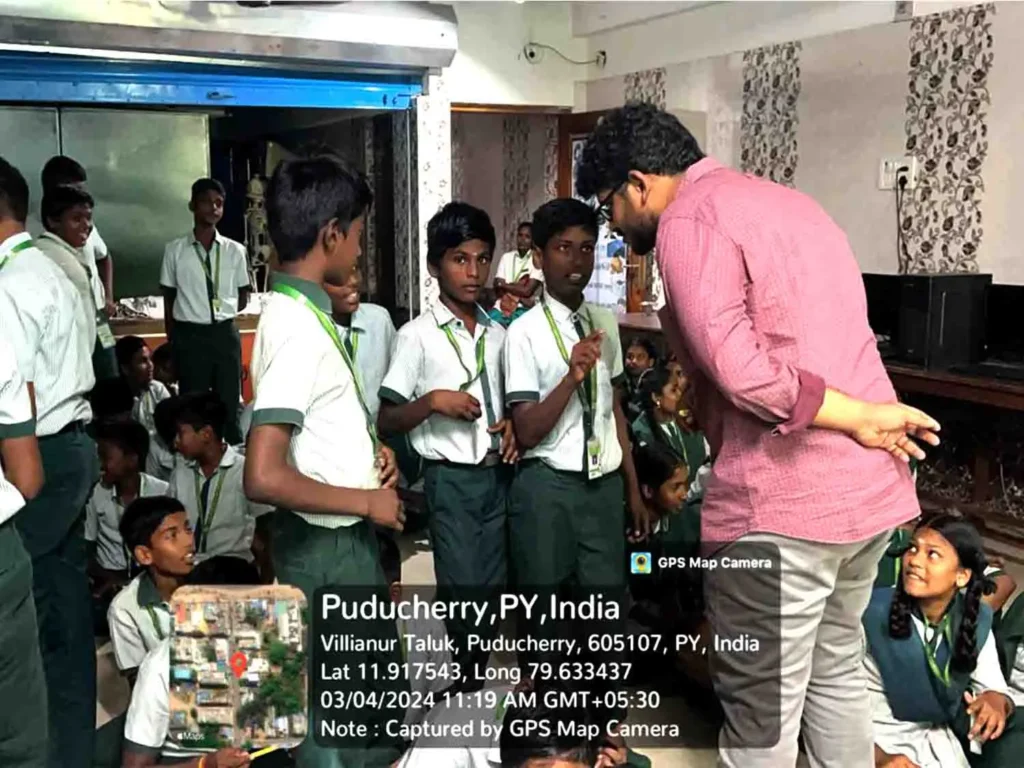
Skills development programme “Enhancing IV cannulation technique”
Organized by: Department of General Medicine & Cardiology
Nature of the Program: Offline
Date: Feb-6th & April 16th , 2024
Time: 9:00 AM to 4:00 PM
Venue: 4th Floor Conference Hall, SMVMCH
Participants
- Postgraduates : 20 Nos 2021 & 2022 Batch
Resource Persons:
- Ashida .T.S – Professor, Department of Cardiology, SMVMCH
- A.K. Badrinath – Professor, Department of General Medicine, SMVMCH
- Devan. R – Assistant Professor, Department of Cardiology, SMVMCH
- Sathiyanarayanan. J – Associate Professor, Department of General Medicine, SMVMCH.
- Babu Krishnan, Clinical Applications specialist, Sonosite
Organizing Team
- General Medicine & Cardiology Department
Topics Covered
- Echo Cardiogram
- Ultra Sonogram
Summary
POCUS-2024 was a comprehensive hands-on workshop conducted as part of skill training for postgraduate students of General Medicine at SMVMCH. The workshop focused on imparting knowledge and practical skills in bedside Echocardiogram and point of care ultrasound (USG) techniques. The event spanned across two dates: February 6, 2024, and April 16, 2024, with active contribution from cardiologists at SMVMCH and expert faculty from Sonosite.
Participant Feedback:
Feedback from participants was collected to gauge the effectiveness of the workshop. The majority of responses were positive, highlighting key aspects such as
Usefulness of Training Content:
Participants found the training content highly relevant to their practice in General medicine.
Adequacy of Practice Time:
Many felt they were given sufficient time to practice their skills during the workshop sessions.
Clarity of Objectives:
Participants generally felt well-informed about the workshop objectives and found their doubts adequately addressed by the instructors.
Stimulation of Learning:
The workshop activities were effective in stimulating learning among the participants.
Suggestions for Improvement:
Some participants suggested including additional topics and increasing the duration of practice sessions and conduct sessions periodically to reinforce the skills.
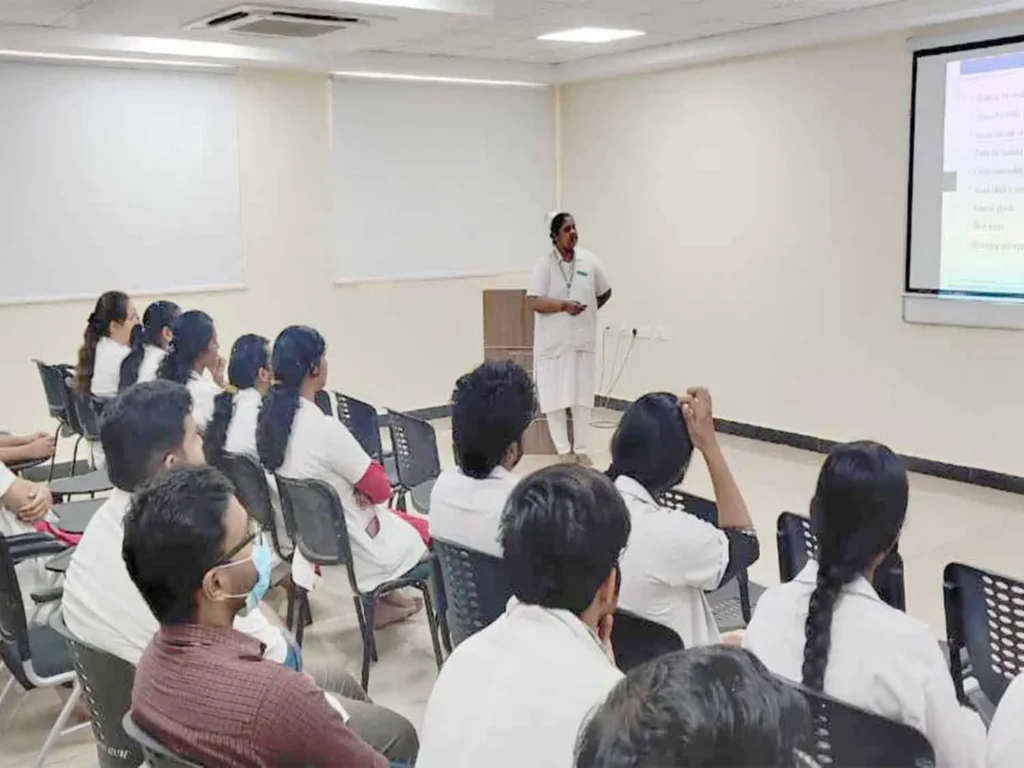
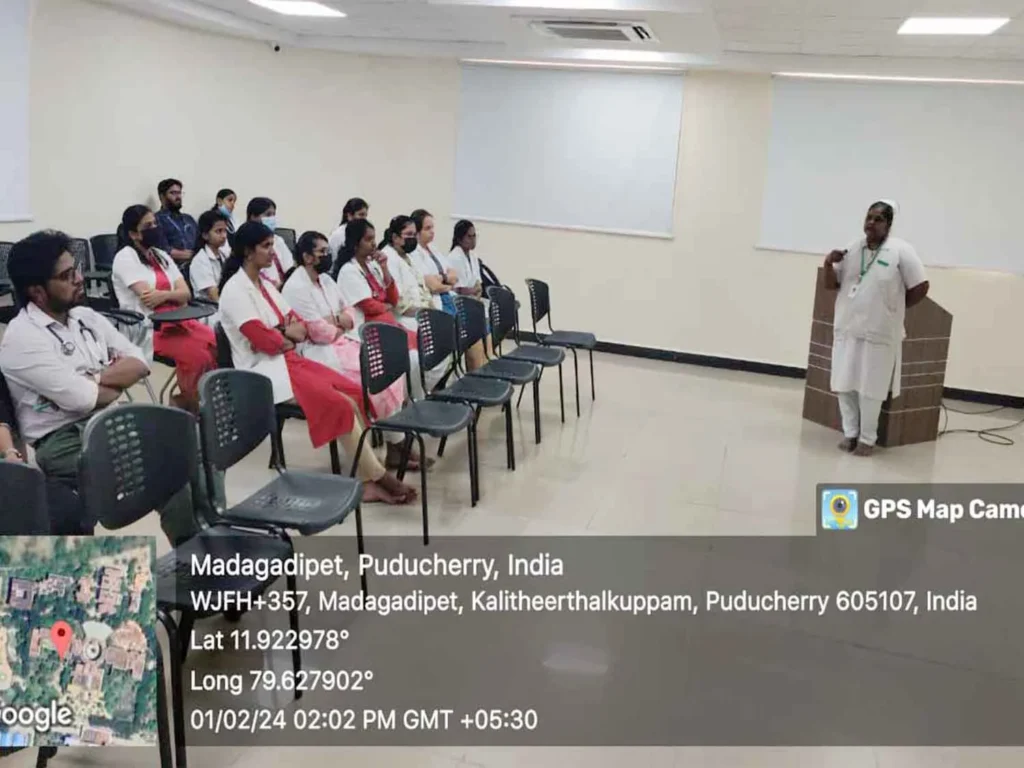
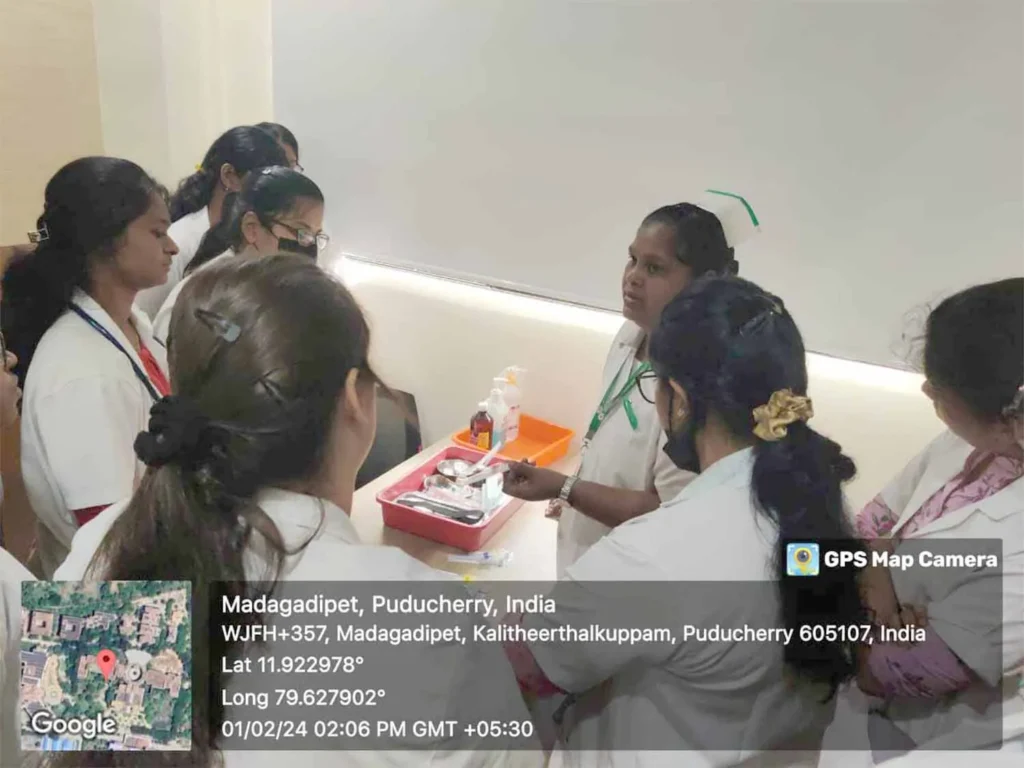
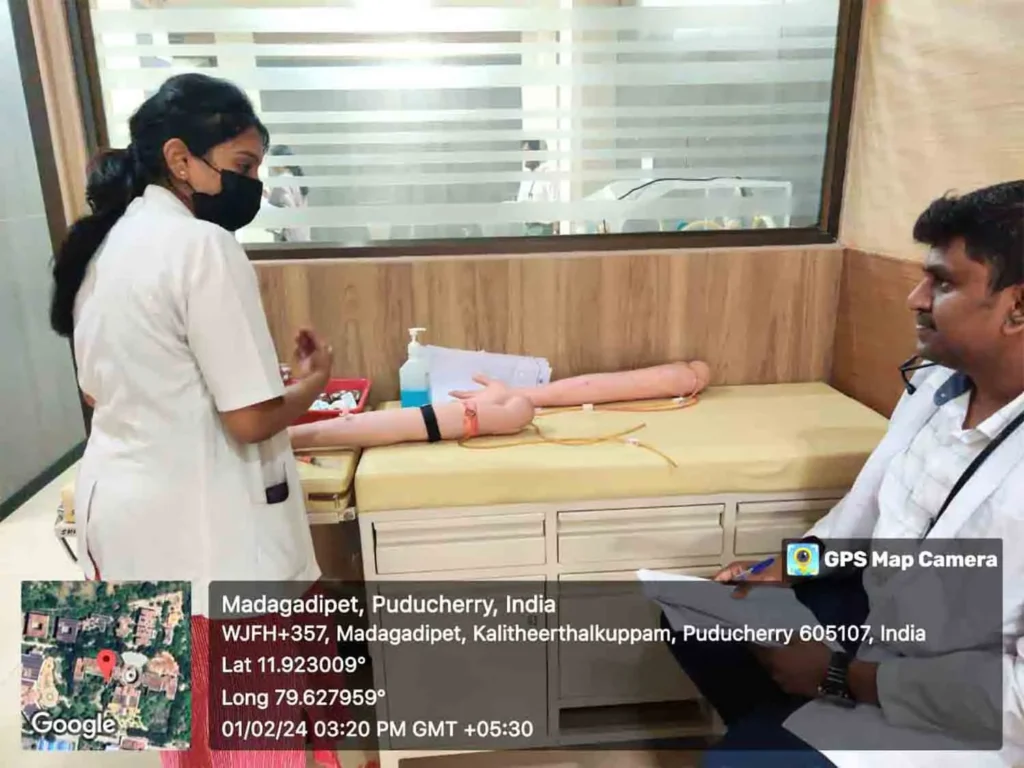
On March 9, 2024, the Department of General Medicine organized a captivating talk show on women leadership to commemorate International Women’s Day. The event, was graced by esteemed senior lawyer with 35 years of professional experience, Adv.Vrinda Mohan from Puducherry.
Amidst the exchange of ideas, participants courageously shared personal anecdotes, shedding light on the adversities they had overcome. One such narrative highlighted the resilience of a woman who triumphed over abuse, emphasizing the transformative power of education in her journey to stability and empowerment.
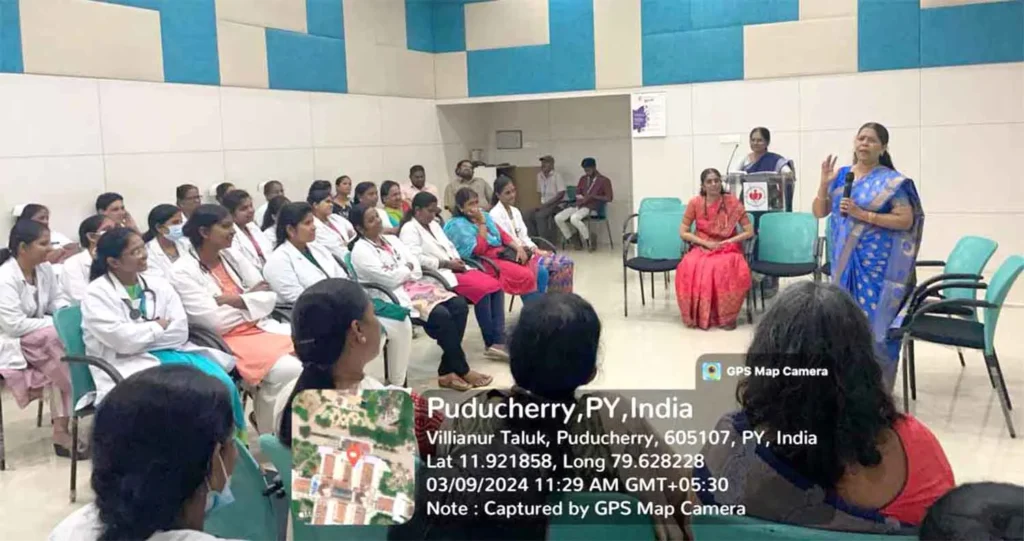
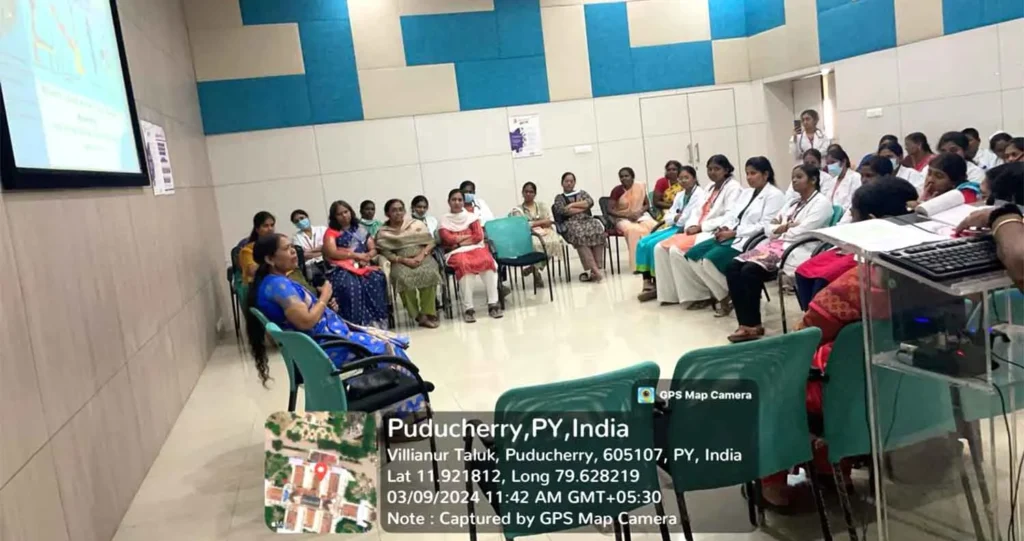
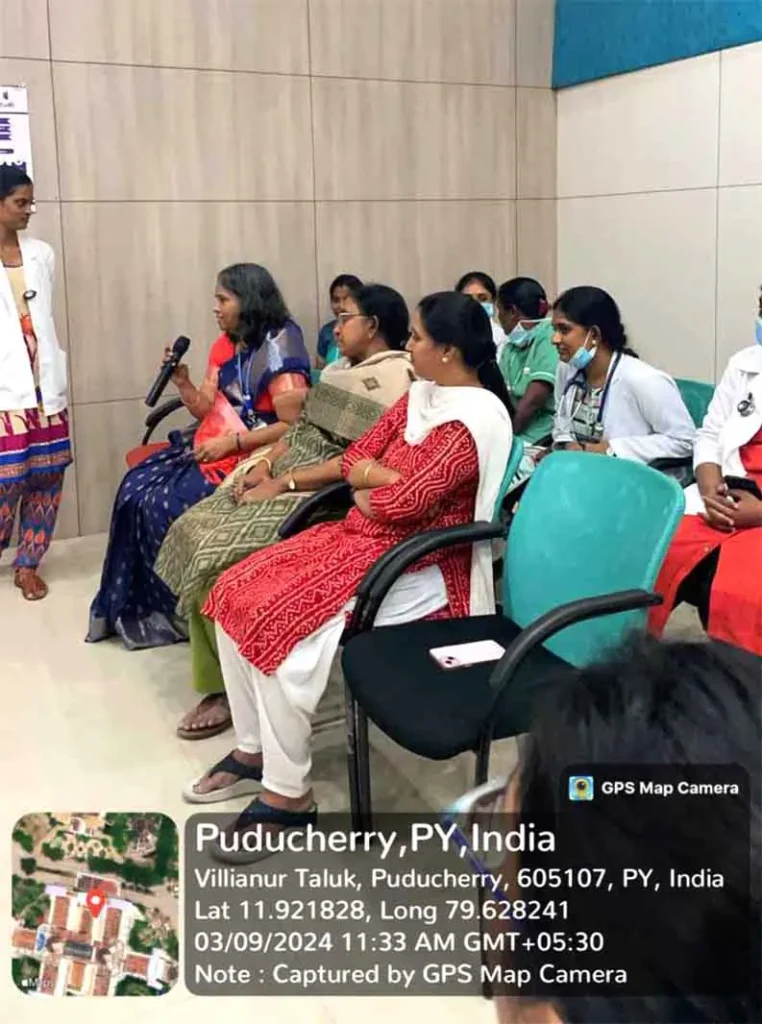
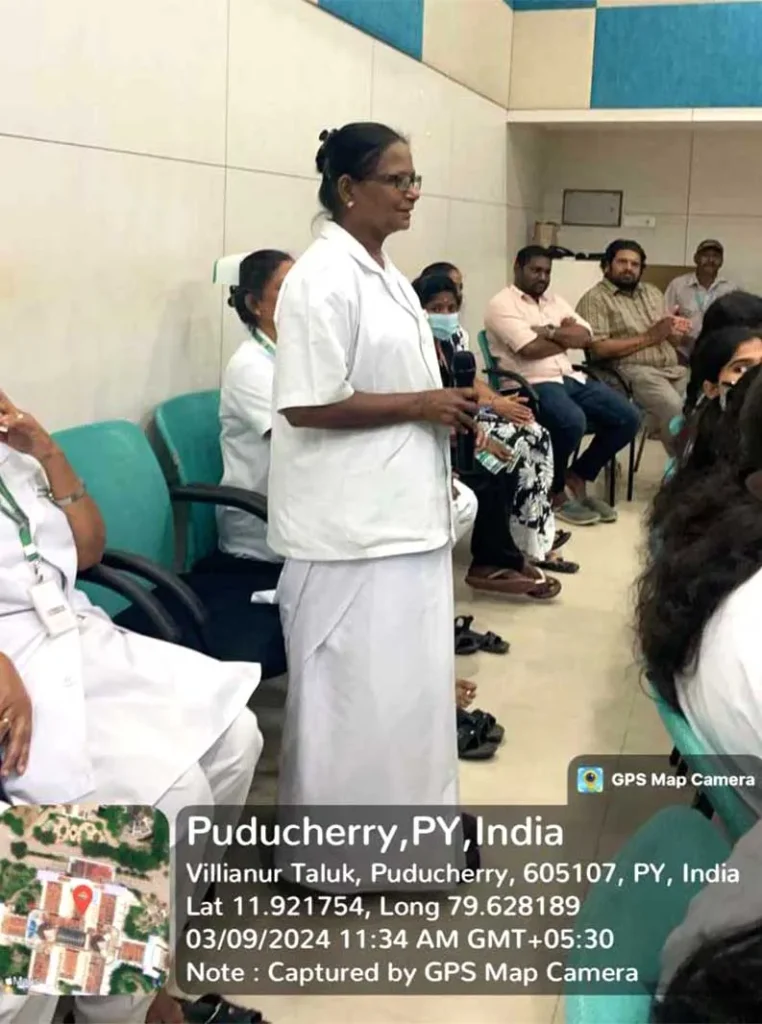
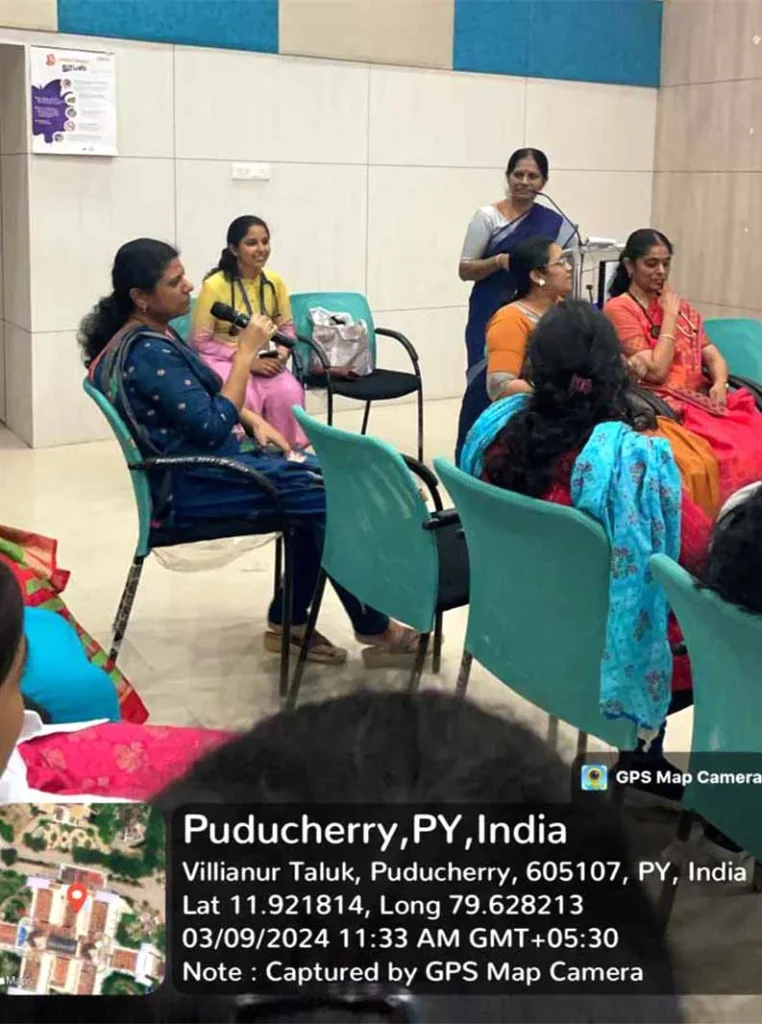
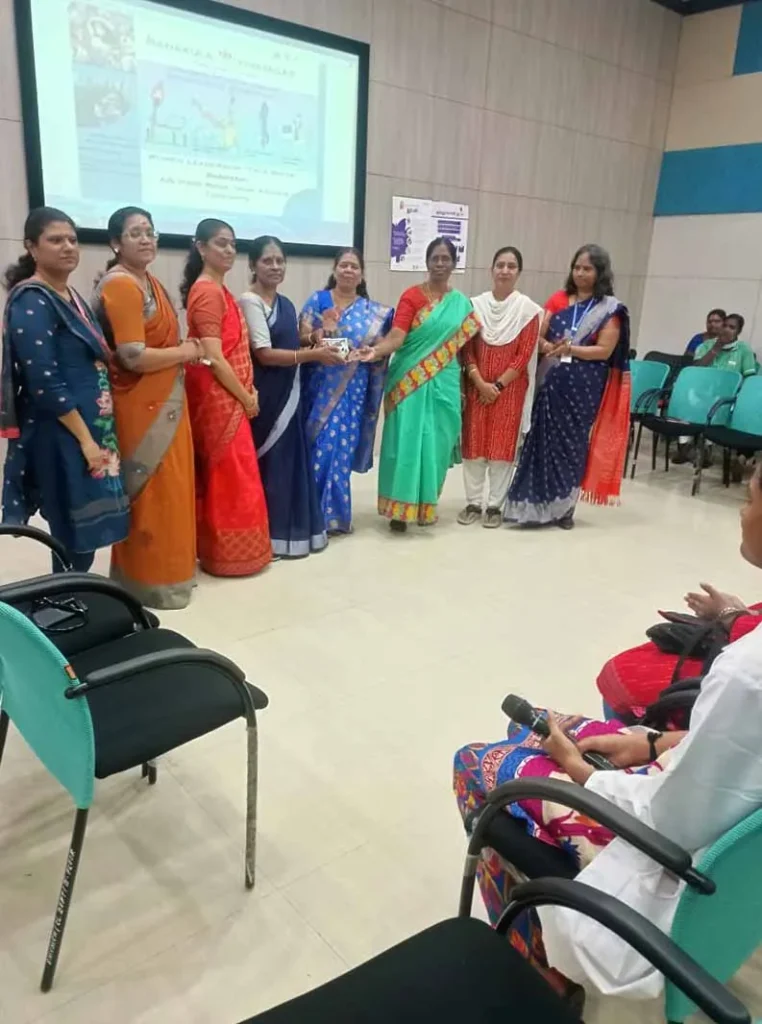
Outreach
Every Friday medical camp is conducted at RHTC- Thiruvennainallur
| S.NO | Date | Place | Speciality |
| 1 | 20.01.2026 | Gangarampalayam Toll plaza, Villupuram | General |
| 21.01.2026 | Seliamedu Toll plaza, Puducherry | General | |
| 2 | 23.01.2026 | Community Hall, Panruti | General |
| 3 | 01.02.2026 | Botanical Garden | General |
| 4 | 24.04.2026 | SMVEC, Puducherry | General |
| 5 | 25.04.2026 | SMVEC, Puducherry | General |
Camp Census Details for the Year 2025
| S.NO | Date | Place | Speciality |
| 1 | 20.02.2025 | Sellipattu | General |
| 2 | 21.02.2025 | Thiruvandarkoil | General |
| 3 | 19.03.2025 | Sivan Koil Building Madukarai, Puducherry | General |
| 4 | 23.03.2025 | Govt. Primary School, Moolakulam, Puducherry | General |
| 5 | 27.03.2025 | Community Hall, Kalmandapam | General |
| 6 | 13.09.2025 | Govt. Boys Higher Secondary School, Virudhachalam | Cardiology Speciality |
| 7 | 21.09.2025 | Govt. Boys Higher Secondary School, Perperiyankuppam, Cuddalore | General |
| 8 | 28.09.2025 | ASG Thirumana Mahal, Villupuram | General |
Camp Census Details for the Year 2024
| S.NO | Date | Place | Speciality |
| 1 | 07.03.2024 | Kalmandabam | General |
| 2 | 03.08.2024 | Villupuram | General |
| 3 | 05.08.2024 | Thirubuvanai | General |
| 4 | 25.11.2024 | Katterikuppam | General |
| 5 | 08.12.2024 | TV Nallur | General |
Camp Census Details for the Year 2023
| S.NO | Date | Place | Speciality |
| 1 | 22.01.2023 | Kurinjipadi- Cuddalore | General |
| 2 | 12.03.2023 | Appampattu- Villupuram | General |
| 3 | 02.04.2023 | Villupuram | Cardiology |
| 4 | 09.04.2023 | Athirukkanur- Puducherry | General |
| 5 | 24.06.2023 | Thittakudi- Cuddalore | General |
| 6 | 06.08.2023 | Thiruvannamalai | Cardiology |
Camp Census Details for the Year 2022
| S.NO | Date | Place | Speciality |
| 1 | 11.03.2022 | Kongampattu | General |
| 2 | 25.04.2022 | Muthandikuppam | General |
| 3 | 28.04.2022 | Puducherry | General |
| 4 | 08.05.2022 | Puducherry | General |
| 5 | 04.09.2022 | Vembi | General |
| 6 | 02.10.2022 | Thiruvannamalai | Cardiology |
| 7 | 01.12.2022 | Thiruvannamalai | General |
| 8 | 05.12.2022 | Thiruvannamalai | General |
| 9 | 06.12.2022 | Thiruvannamalai | General |
PG Alumini
| Year | Name of the Post-graduates | Working Institute | Email ID |
| 2022-25 | Dr.Akila.T. | Private Practice | 8220202244 [email protected] |
| Dr.Bheemireddy Lahari | Consultant, Private Practice | 9948880770 [email protected] |
|
| Dr. Ezhilkumaar.M | Private Practice | 9677828815 [email protected] |
|
| Dr. John Helio | Senior Resident ,SMVMCH- Puducherry | 7012027882 [email protected] |
|
| Dr.Koushick V.K | Senior Resident, PIMS | 9659648887 [email protected] |
|
| Dr. Naveen.A | Senior Resident , SMVMCH- Puducherry | 9488284997 [email protected] |
|
| Dr. Ragavi. P | Senior Resident , SMVMCH- Puducherry | 8940896561 [email protected] |
|
| Dr. Shobana.T | Senior Resident , Arunai Medical College and Hospital, Tiruvannamalai | 9677994373 [email protected] |
|
| Dr. Vidhya | Senior Resident, SMVMCH- Puducherry | 8072194735 [email protected] |
|
| Dr. Harikrishnan.G.R | Senior Resident, SMVMCH- Puducherry | 9496879387 [email protected] |
|
| 2021-24 | Dr. Anga Dinesh Varma | Senior Resident GSL Medical College, Andrapradesh | 9963430345 [email protected] |
| Dr. Nivethini.N | IGGGH, Puducherry , DNB- Neurology | 7598090320 [email protected] |
|
| Dr. Nune Komal Abhinav | Consultant, SRI AADYA, Multi-specialty hospital, Telangana | 8448511505 [email protected] |
|
| Dr. Aakash Thacharvilakam Ajith | Senior Resident, SMVMCH, Puducherry | 9074759078 [email protected] |
|
| Dr. Rahul.K | Senior Resident, SMVMCH, Puducherry | 9600615635 [email protected] |
|
| Dr. Pravin Coumar.C | Senior Resident, IGGGH, Puducherry | 7339384702 [email protected] |
|
| Dr. Deepsheeka.G | Senior Resident, Panimalar Medical College hospital & RI, Chennai | 9159362861 [email protected] |
|
| Dr. R. Jayasuriya | Senior Resident, Mahatma Gandhi Medical College & RI Puducherry | 9940837387 [email protected] |
|
| Dr. Adrin Suthir.A | Senior Resident, IGGGH, Puducherry | 8754360640 [email protected] |
|
| Dr. Pooja.N.U | Senior Resident, SMVMCH, Puducherry | 9003021390 [email protected] |
|
| 2020-23 | Dr. Aravind Kumar V | Assistant Professor, PIMS, Puducherry | [email protected] |
| Dr. Banala Srilatha | Assistant Professor Community Health Centre, Bjimadolu, Eluru(Dt) | [email protected] | |
| Dr. Kawiraj N | Assistant Professor SMVMCH, Puducherry | [email protected] | |
| Dr. Pinnapu Reddy Varsha | Consultant, Private Practice, Hydrabad | [email protected] | |
| Dr. Raja M | Assistant Professor, AVMC, Puducherry | [email protected] | |
| Dr. Rangarajan D V | Assistant Professor SMVMCH, Puducherry | [email protected] | |
| Dr. Sarikonda Meghana | Consultant, Private Practice, Coimbatore | [email protected]. | |
| Dr. Shilpa Paul | Assistant Professor, MOSC, Kerala. | [email protected] | |
| Dr. Sravya N | Assistant Professor PIMS, Puducherry | [email protected] | |
| Dr. Swetha Devi Geddam | Govt.Consultant, Yanam | [email protected] | |
| 2019-22 | Dr. Araveinth. G | Private Practice, Aravind Hospital, Erode | [email protected] |
| Dr. Manomenane. M | Assistant Professor, IGMC& RI, Pondy | [email protected] | |
| Dr. Marie Jeffrey Ambroise | DM, Medical Oncology, CMC, Vellore. | [email protected] | |
| Dr. Moorthy. S | DNB cardiology, Southern Railway hospital Chennai. | [email protected] | |
| Dr. Sivaram. A | Assistant Professor, Andaman Medical College | [email protected] | |
| Dr. Swapna. U.S | Private Practice, Dubai | [email protected] | |
| Dr. Thenmozhi. S | ESIC hospital, Chennai | [email protected] | |
| Dr. Vignesh Kumar. V.A | Assistant Professor, Velammal medical College, Madurai | [email protected] | |
| Dr. Ram Arvind. V | Assistant Professor, SMVMCH | [email protected] | |
| Dr. Ramesh Bala. A | Private Practice, Karaikkal | [email protected] | |
| 2018-21 | Dr. Karthik.J | DNB cardiology, Fortis Malar hospital | [email protected] |
| Dr. C. Kailash | Assistant Professor, Sri Lakshmi Narayana Medical College, | [email protected] | |
| Dr. P. Pagavath Bharathi | DNB, Gastroenterology, Yasodha hospital, AP | [email protected] | |
| Dr. Arthy. S | Private Practitioner, Panruti, Tamilnadu | [email protected] | |
| Dr. Divya. S | DM Cardiology, Sri Ramachandra Medical college | ||
| Dr. Louis Ferdin Zeno. J | Assistant Professor, PIMS | [email protected] | |
| Dr. Mythreini. B.S | Assistant Professor SVMCH, Puducherry | [email protected] | |
| Dr. Priscilla Rubavathy. E | Assistant Professor, PIMS, Puducherry | [email protected] | |
| 2017-2020 | Dr. Biju. D.R | Post graduate student (DNB Nephrology) Madurai Meenakshi mission hospital, TN | |
| Dr.M.Balaji Venkateshwaran | Private Practitioner | ||
| Dr. R. Venkatesh | Assistant Professor, SVMCH, Ariyur. | ||
| Dr. S. Vignesh | Assistant Professor, Melmaruvathur Medical College & Hospital, Tamilnadu | ||
| Dr. C. Sibi Chakravarthy | Private Practitioner, Krishnagiri | ||
| Dr. V. Naveen Sathish | Private Practitioner, Nagercoil | ||
| Dr. Firas Rauf Mammoo | Junior Consultant @ KMCH, Coimbatore | ||
| Dr. R. Ritvik | Consultant @ Sapthagiri Hospital, Bangalore | DNB GASTRO | |
| 2016-2019 | Dr. A. Omar Shahid | Practice in own Hospital – Razack Hospital, Kayalpatnam | [email protected] |
| Dr. M. Mohammad Inaamul Hassan | Assistant Professor, SRM Medical College, Trichy | [email protected] | |
| Dr. S. Yogesh | Consultant, Sri Narayani Hospital & Research centre, Vellore. | [email protected] | |
| Dr. A. Raghu Rama Reddy | Associate Professor, Prathima Institute of Medical Sciences, Karimnagar, Telangana State. | [email protected] | |
| Dr. P.S. Aravind | Consultant in Private Hospital Believers Church Medical Centre, Konni, Pathanamthitta | [email protected] | |
| 2015 – 2018 | Dr. M. Venkatram | Consultant, Nephrologist, East coast hospital, Pondy, | [email protected] |
| Dr. Suhaim Latif Perumbadi | Consultant, MES Medical College, Kolathur, Kerala | [email protected] | |
| Dr. D. Nagabhushan | Consultant, DNB ENT Narayana Medical college, Nellore. | [email protected] | |
| Dr. Mopuru Penchala Varun | Consultant, Narayana Hrydhaya Medical college, Nellore. | [email protected] | |
| 2014 – 2017 | Dr. Gopi Srikanth Pratipathi | Private Practitioner,, Kakinada | [email protected] |
| Dr. S. Suresh Babu | Professor, SLMIS, Puducherry | [email protected] | |
| Dr. T. Vishwa Teja | Private Practitioner, Chennai | [email protected] | |
| Dr. A. Jeyasuriya | Consultant- Apollo Hospital, Madurai | [email protected] | |
| 2013 – 2016 | Dr. Palaniappan | Private Practitioner, Manaparai | [email protected] |
| Dr. Vivek. N.V | Private Practitioner, Erode | [email protected] | |
| Dr. Chandrasekar Konda | Associate Professor, – Tirupathi | [email protected] | |
| Dr. Prinesh Varghese | Private Practitioner, Cochin | [email protected] | |
| 2012 – 2015 | Dr. R. Harish | Pursuing DM (Cardio) PSG, Coimbatore | [email protected] |
| Dr. J. Sathiyanarayanan | Professor, SMVMCH | [email protected] | |
| Dr. Prinoj Varghese | Private Practitioner, Cochin | [email protected] |
Testimonial from PG Alumni
| Year | PG Name | Designation | Testimonial |
| 2022-25 | Dr. Vidhya | Senior Resident | SMVMCH, I extend my sincere gratitude for providing an environment of excellence, discipline, and continuous learning. I thank all my professors, the support of my seniors, juniors,co pgs, and the invaluable clinical exposure that have played a crucial role in shaping my journey. This marks beginning of a lifelong commitment to serve with knowledge, compassion, and integrity. Proud and grateful to be a part of this esteemed institution. |
| Dr. John Helio | Senior Resident | SMVMC & H, Department of General Medicine has played a pivotal role in shaping my clinical reasoning, work ethic, and professional integrity. The exposure it gave me in diverse and complex cases have strengthened my diagnostic precision and decision-making skills. I thank my professors for molding me into the best physician in me. Now as a senior resident I continue to build my knowledge and follow their path for better patient care and service | |
| Dr. Naveen.A | Senior Resident | SMVMC& H , General medicine laid a strong foundation in clinical knowledge and patient care during my post graduate training . I am deeply grateful to my professors for their constant guidance, mentorship, and support throughout my training. Now, as a Senior Resident, I continue to build on these skills and strive to deliver better and more confident patient care. | |
| Dr. Ragavi. P | Senior Resident | SMVMC& H, Department of General Medicine offers good clinical exposure with a diverse patient load, helping me build strong diagnostic and management skills. Academic activities and supportive faculty have contributed to my learning. As a Senior Resident, I have further developed confidence, teaching ability, and independent decision-making. Overall, the department has played an important role in my professional growth. | |
| 2021-24 | Dr. Pooja.N.U | Senior Resident | “SMVMCH provided me a strong clinical foundation and academic knowledge during my PG training. I have been trained by eminent faculties who gave me confidence in practicing medicine with skills, knowledge, and professionalism as an Assistant Professor.” |
| Dr.Aakash T.Ajith | Senior Resident | My postgraduate training in General Medicine over the past three years has been a transformative journey both academically and clinically. The department fostered a strong learning environment that enhanced my diagnostic and management skills. I sincerely thank my professors for their invaluable mentorship, constant encouragement, and practical teaching. Their guidance has played a crucial role in shaping my approach towards comprehensive and evidence-based patient care. As a Senior Resident, I am continuing to refine these skills and contribute effectively to patient management and teaching. | |
| Dr. K. Rahul | Senior Resident | SMVMCH has transformed my passion for General Medicine into guideline directed treatments, daily ethical practice and professionalism | |
| 2020-23 | Dr. Kawiraj.N | Assistant Professor |
Grateful for the department in guidance and motivation given during the PG residency .The support and tutelage of the professor played a crucial role in honing the clinical knowledge and skills. |
| Dr. Rangarajan.D.V | Assistant Professor |
SMVMCH, General Medicine department has given a strong academic foundation for my Medicine career and has helped to manage case independently and confidently, also motivates to do scientific researches and publications | |
| 2019-22 | Dr. Ram Arvind. V | Assistant Professor |
SMVMC & H , General Medicine department gave the best 5 years of my life in academic and career modulation and able to treat the patient to the up to date knowledge. |
| 2012-15 | Dr. J. Sathiyanarayanan | Professor, SMVMCH | SMVMC & H, General Medicine department helped me to discover my passion for General Medicine. My professor’s helped me to achieve my goal to become a good physician. |